A memorial garden is a living place of remembrance created to honor someone who has died. It can be as simple as a meaningful plant beside a favorite seat or as established as a dedicated garden with flowers, a path, a tree and personal elements connected to the person being remembered.
There is no single correct design. A memorial garden might occupy a quiet corner of a yard, a container on a balcony, a bed visible from a window or an approved community or cemetery space. What matters most is that the plants and setting feel personal while remaining suitable for the site and realistic to care for.
This guide explains how to create a memorial garden, including how to choose the location and meaningful plants, use seasons and bloom times intentionally, decide between trees and smaller plantings, add seating or personal objects, create a pet memorial, plan for future maintenance or moving and check permissions before planting in shared spaces.
What Is a Memorial Garden?
A memorial garden is a living tribute made from plants and landscape elements. It can mark a person’s life, preserve a connection to a place, or create a setting where family and friends can remember, talk, or sit quietly together.
The garden may be formal or simple. A tree can represent continuity, a group of flowers may recall a favorite color, and a small herb bed may connect to someone who loved cooking. Meaning comes from the relationship between the garden and the person — not from any prescribed list of symbols.
Creating the garden itself is often part of the healing. The American Horticultural Therapy Association and grief counselors have long recognized that tending plants provides structure, sensory comfort, and a sense of purpose during bereavement — something to water, watch, and return to. A memorial garden can also evolve with grief and time. Some people want a quiet, still place, while others prefer a garden full of birds, color, and seasonal change. Let the design reflect the kind of remembrance that feels right.
Choose the Right Location
Begin with a place that can support both the plants and the people who will visit. A location near a frequently used door or window can make the garden part of everyday life, while a more secluded corner may provide the privacy some people need.
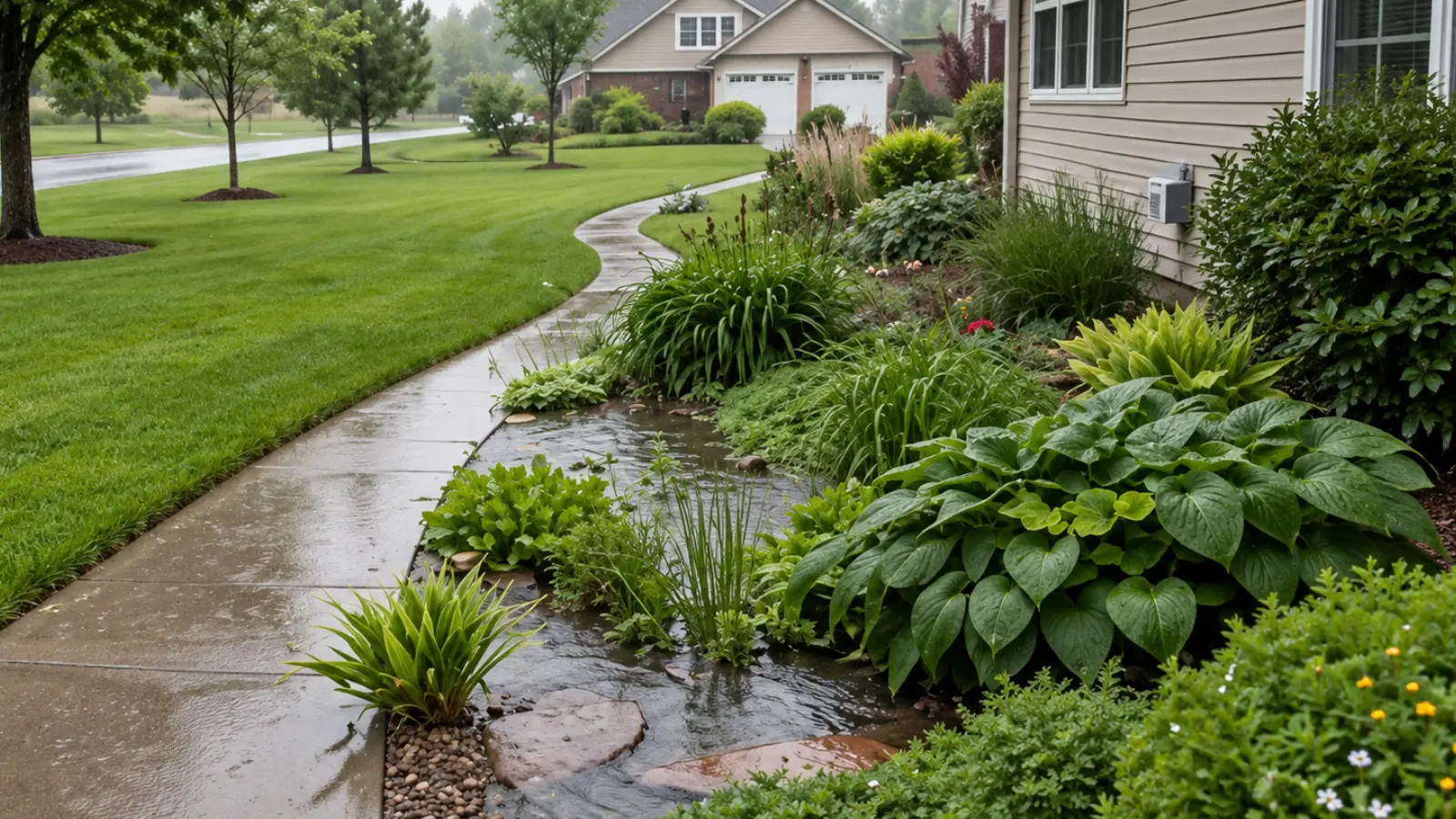
Study the sunlight, drainage, soil, wind, mature tree roots, and access to water before committing. A meaningful plant will not remain meaningful if the site cannot support it. If the garden is meant for regular visits, check the route, surface, and seating as carefully as the planting conditions.
Ask practical questions before breaking ground:
- Will the plants receive the light they need — full sun, part shade, or deep shade?
- Can the garden be watered and maintained easily, especially during summer heat?
- Will visitors have a comfortable, stable place to stand or sit?
- Is the site protected from pets, flooding, or heavy foot traffic?
- Will a tree or shrub eventually interfere with buildings, utilities, or paths at maturity?
- Does the property owner, HOA, or organization permit this type of planting?
That last question is worth confirming early. Many HOAs require architectural review approval for landscape changes, including new beds, benches, and permanent objects. A quick check of the CC&Rs before you plant can prevent a difficult conversation later.
Private vs. Shared Memorial Spaces
A private memorial garden gives the family full control over plants, objects, access, and maintenance. It can be built around personal rituals, anniversaries, or ordinary moments of remembrance — a morning cup of coffee at the bench, an annual bulb planting on a birthday.
A shared garden may be placed in a churchyard, community property, workplace, public park, or other space used by more people. In that setting, the design should consider visibility, durability, accessibility, shared maintenance, and the possibility that not everyone will know the personal meaning behind each element.
Discuss the design openly with everyone who shares responsibility for the site. Decide in advance who approves changes, who handles watering and pruning, whether objects can remain outdoors year-round, and what happens if the property changes ownership or the organization’s needs shift. These conversations are easier to have before anything is planted.
Choose Meaningful Plants
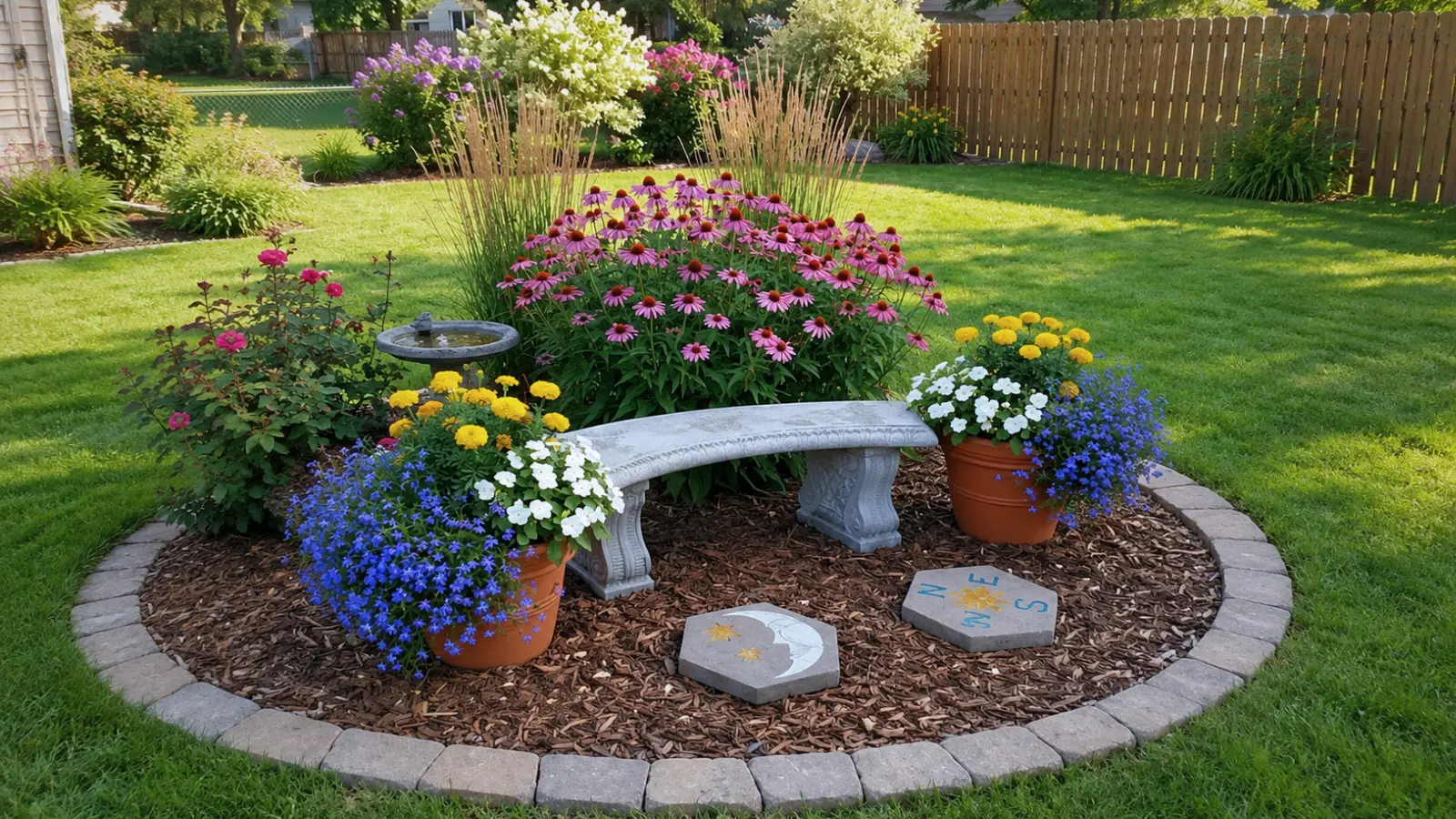
Meaningful plants can be connected to a person’s favorite flower, garden, color, food, season, region, or cultural tradition. A plant does not need a widely recognized symbolic meaning to belong in the garden — personal associations almost always carry more weight than historical ones.
That said, certain plants carry long-standing connections to remembrance that many families find genuinely useful when the right personal choice isn’t obvious. Rosemary has been associated with memory and fidelity since antiquity — Shakespeare’s Ophelia offers it as the remembrance herb — and it’s fragrant, evergreen, and easy to grow in most of the southern and western U.S. Forget-me-nots (*Myosotis sylvatica*) are one of the clearest living symbols of enduring connection: their small blue flowers self-seed and return reliably each year. Lavender suggests calm and peace. White roses carry longstanding associations with love and purity. Red poppies have honored fallen soldiers since World War I. Lily of the valley represents the return of happiness. These are starting points, not requirements.
When the personal connection is clear — a grandmother’s beloved peonies, a father’s kitchen garden herbs, a friend’s favorite native wildflowers — lead with that. Choose plants that match the site first. Consider light, soil, moisture, mature size, hardiness zone, and maintenance. A plant that requires constant correction may make the garden feel burdensome rather than comforting.
Some approaches to consider:
- A flowering plant directly associated with the person or a shared memory
- A native plant connected to a meaningful region or a landscape they loved
- An herb, fruit, or vegetable linked to cooking or gardening together
- A tree or shrub that provides shade, flowers, fruit, or seasonal color
- A perennial that reliably returns each year around an important date
- A plant grown from a cutting or seed shared by family or friends
Check toxicity, thorns, invasive potential, and pet safety when the garden will be visited by children or animals. Personal meaning should be preserved without creating a foreseeable hazard — some beloved cottage garden plants, like foxglove and monkshood, are toxic enough to warrant careful placement.
Use Bloom Dates and Seasonal Meaning
Seasonal timing can give a memorial garden a quality that no object can match: the garden marks time with you. A plant may bloom near a birthday, anniversary, holiday, or the season when someone was most often outdoors.
Don’t rely on a single short bloom period. Combine early, middle, and late-season plants so there is always something alive and intentional. Early spring bulbs — snowdrops, daffodils, tulips — can honor someone who loved the first signs of warmth. Peonies and irises carry May and June. Coneflowers and black-eyed Susans take you through summer. Asters and Japanese anemones extend into fall. Ornamental grasses, evergreen shrubs, and seedheads carry the garden through winter without leaving it bare.
Record expected bloom periods for your local climate and USDA hardiness zone, but allow for variation. Weather, planting age, and microclimate conditions can shift flowering dates by weeks. The meaning isn’t lost if a plant blooms earlier or later than expected — the return itself is the point.
Trees vs. Manageable Plantings
A tree can represent continuity and become a lasting feature of the landscape, but it also requires space, water, and long-term care that extends well beyond the first season.
Before planting, check the mature height and canopy spread, root behavior near foundations and utilities, storm resistance in your region, and distance from structures. Many beloved memorial trees — weeping cherries, Japanese maples, flowering dogwoods — are appropriate for residential properties with some planning. Others, like oaks and maples chosen for their symbolism of strength, may not suit smaller yards or suburban lots. A local nursery or county extension office can help match species to site.
A shrub, perennial bed, or container may be more appropriate when the site is small, the soil is uncertain, or the people caring for the garden may relocate or have limited energy for ongoing maintenance. A smaller planting is not a lesser tribute — it may actually be easier to visit and tend consistently over the years, which matters more in the long run.
If planting a tree in a public, community, or cemetery space, confirm that the organization can support its mature size and future pruning needs. A memorial tree should not be planted solely for symbolism without a realistic plan for its physical care.
Add Seating and a Path
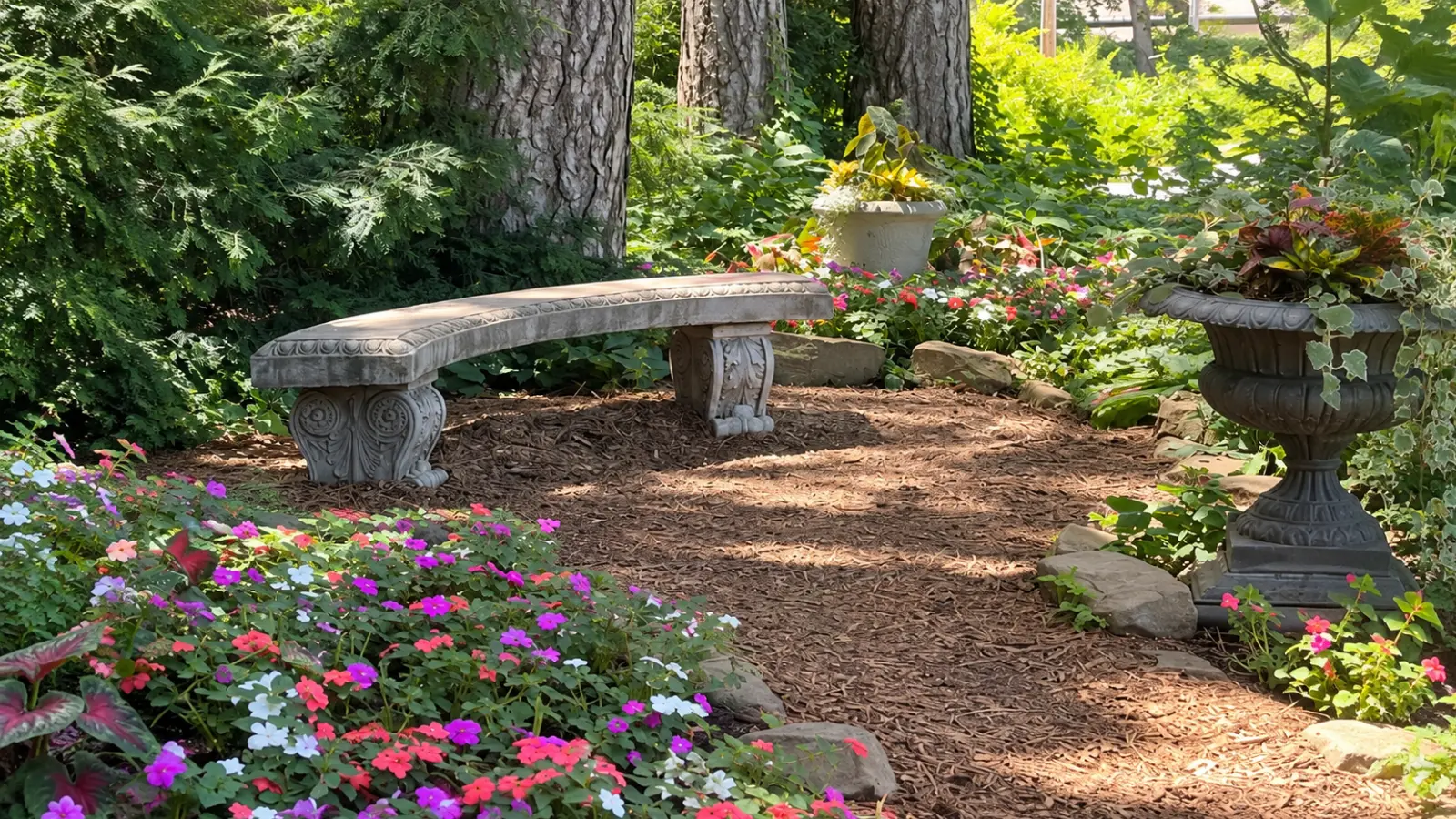
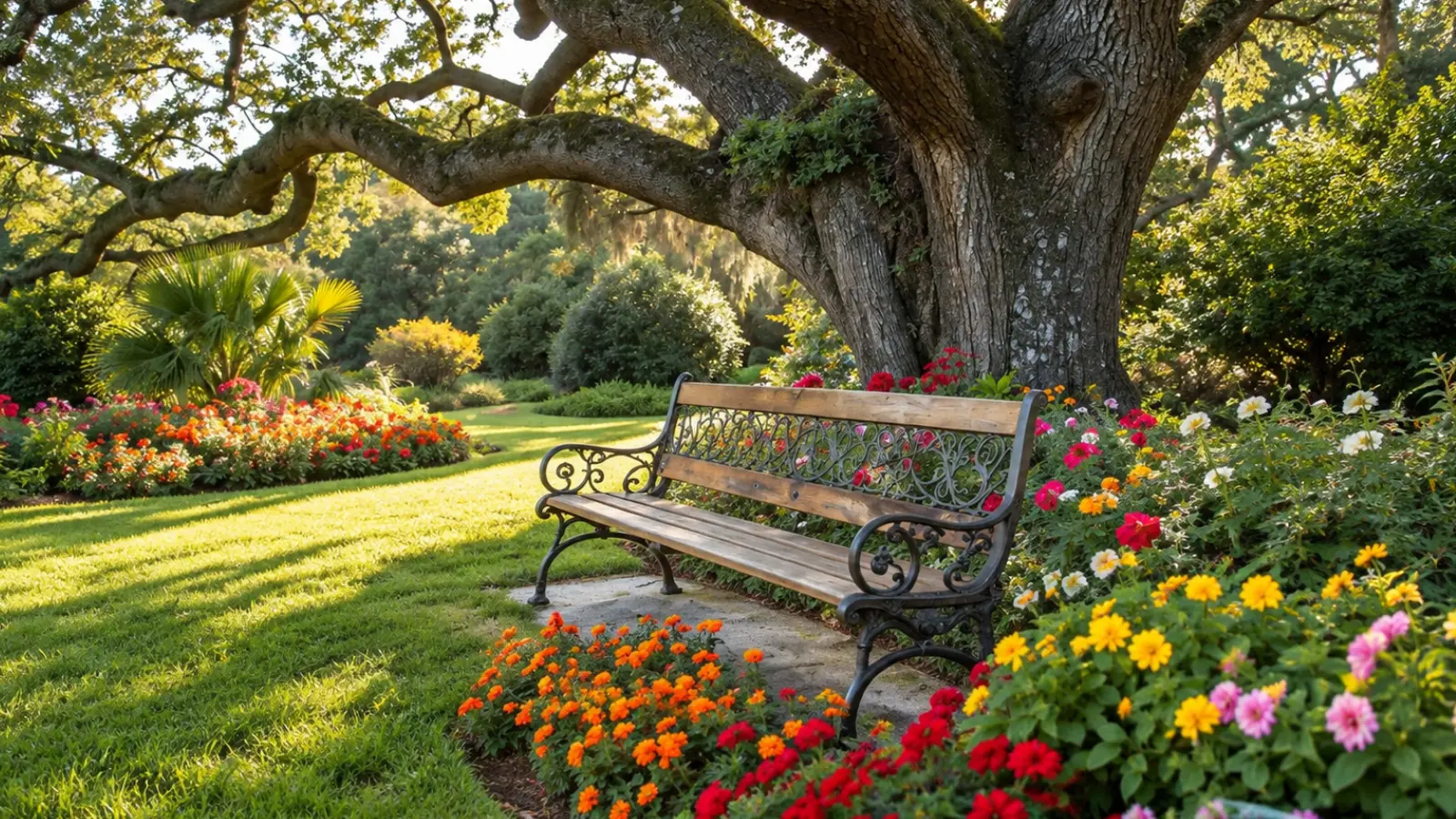
A memorial garden often becomes more meaningful when it includes a place to pause. A bench, chair, low wall, or simple seat can turn the planting into a destination rather than something passed quickly on the way to somewhere else.
Place seating where visitors can see the plants clearly, receive shade in warm weather, and remain comfortable for however long they want to stay. Leave room for a companion, mobility aid, or pet when that matters. A seat with arms and a back is easier to rise from than a low, backless bench — worth considering when older visitors are likely.
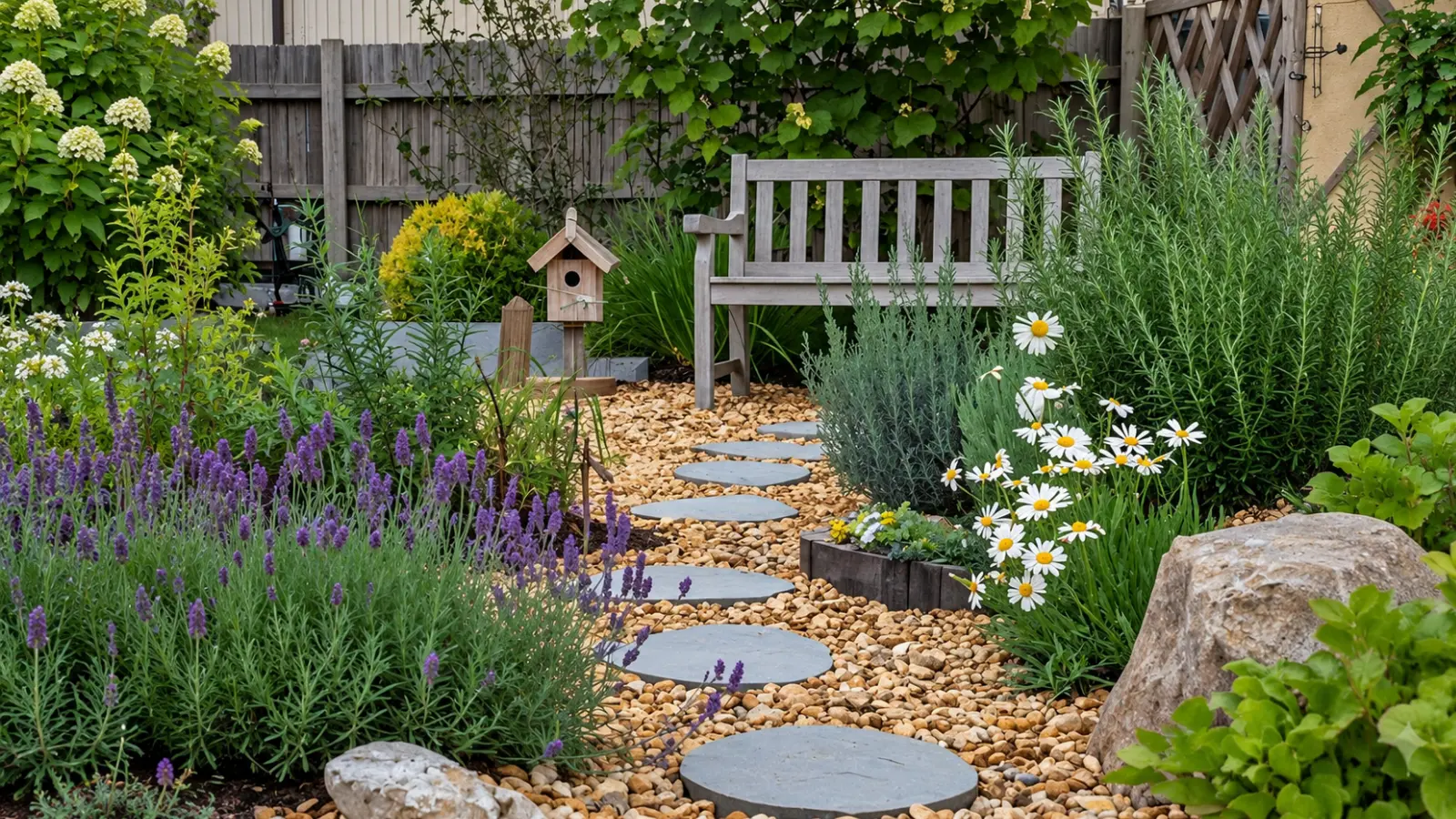
A short path can frame the garden and make the approach feel intentional. Use a stable surface, keep edges clearly defined, and avoid routing visitors through dense or thorny plantings. The path doesn’t need to be elaborate — its purpose is simply to help people arrive at the space with a sense of arrival.
Use Plaques and Personal Objects Carefully
A plaque, engraved stone, photograph, or small personal object can add another layer of meaning, but it doesn’t need to dominate the planting. One or two elements with a clear connection to the person are usually more powerful than a collection of things. The living plants carry the heart of the tribute; objects support rather than replace them.
Use materials that can withstand weather, UV exposure, and regular maintenance around them. Avoid objects with sharp edges, unstable bases, or loose fragments. Consider whether an item can be moved, repaired, or respectfully retired later — grief changes, and what feels right in the first year may not be what the garden needs in the tenth.
In a shared space, clarify ownership and permission before installing anything. Objects that obstruct mowing, block access, or create maintenance problems are more likely to be removed. Choose placement and materials that respect the site’s character and the people who maintain it.
Create a Pet Memorial Garden
A pet memorial garden can honor a companion animal through a favorite resting place, a plant connected to the pet’s personality or routines, a small container, or a quiet area where family members can hold a daily memory.
Choose plants with the animal’s safety in mind if other pets will visit the garden. Do not assume that a plant is pet-safe because it is commonly used in gardens or memorial plantings. Rosemary is considered non-toxic to dogs and cats by the ASPCA, while English lavender is listed as toxic to both, and ornamental grasses should be checked individually by species. Lily of the valley and foxglove are also toxic. Verify every plant through the ASPCA’s plant toxicity database or another authoritative veterinary source before adding it to an area accessible to pets.
A memorial garden for a dog or cat doesn’t need to include objects that resemble a grave. It can simply be a living place connected to the animal — the sunny corner where they liked to nap, the spot near the door where they always waited. That kind of grounding in the actual relationship tends to feel more honest than a formal installation.
Use Containers for Small or Temporary Spaces
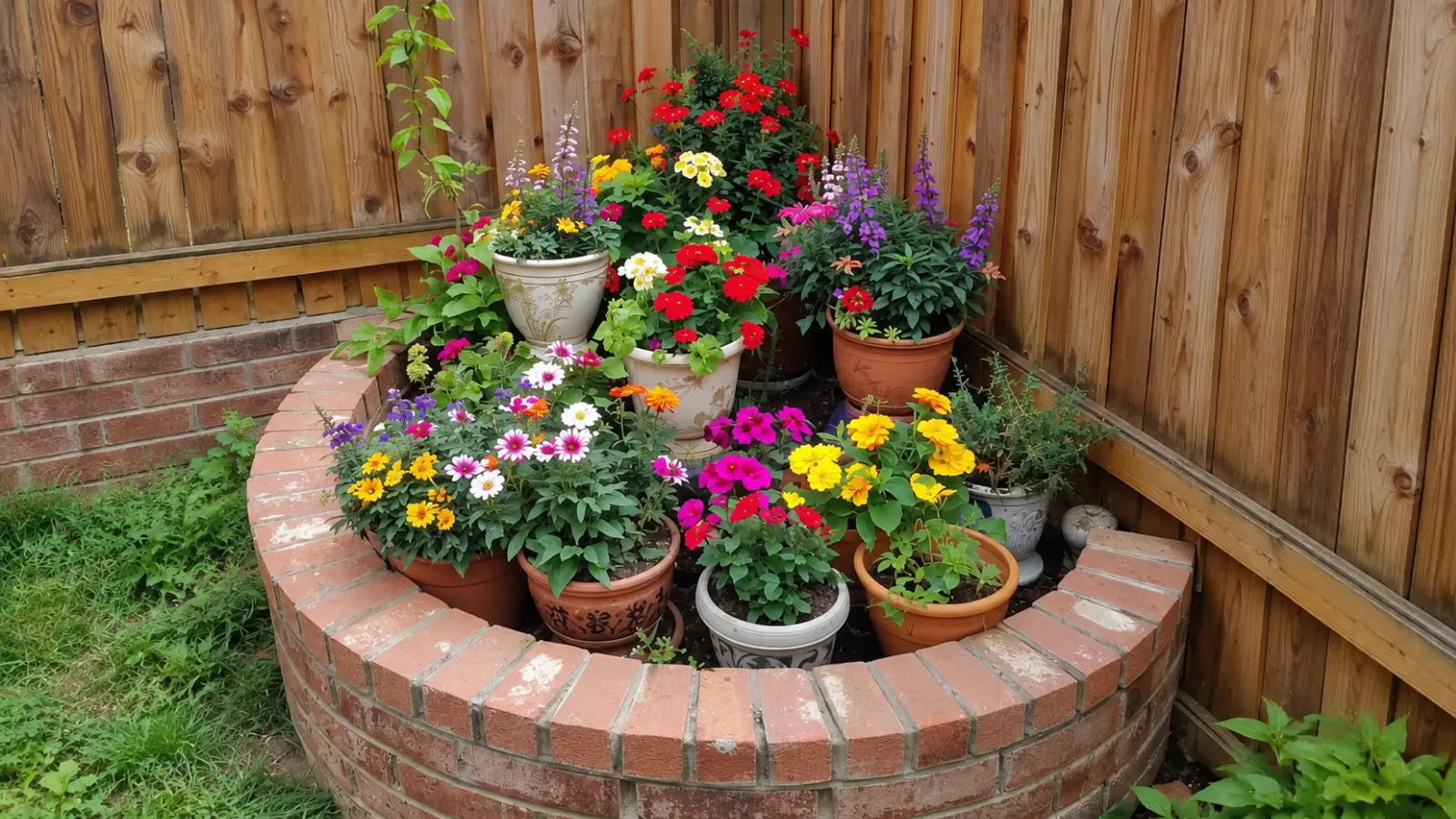
Container memorial gardens are a practical option for balconies, patios, rentals, apartments, or any situation where a permanent planting isn’t possible. A large container or a small cluster of pots can hold a dwarf shrub, a perennial combination, fragrant herbs, or seasonal arrangements that change through the year.
Choose containers with adequate drainage, enough root depth for the plants you want to grow, and a weight you can move safely when needed. Place them where the plants receive the right light and where watering is convenient — a beautiful container in an awkward spot quickly becomes neglected.
Containers also offer continuity when life changes. If you move homes, a healthy plant in a container can move with you. A cutting, a packet of saved seeds, or a written record of the original plants can preserve the connection even when the container itself cannot make the trip.
Plan for Maintenance Continuity
Grief changes a person’s energy and available time, sometimes dramatically and without warning. Maintenance should be realistic from the very beginning — not what you hope you can manage, but what you honestly can on a hard day.
Choose a garden size that can be watered, weeded, pruned, and renewed without becoming an obligation that nobody can fulfill. Write down the basic care requirements: watering frequency, pruning time, expected bloom period, winter protection needs, and who else might help. Use mulch where appropriate, keep paths clear, and choose durable, climate-adapted plants over sentimental choices that don’t suit the site.
It is entirely acceptable to change the garden. Replacing a plant that failed, reducing the bed’s size, or moving it to a more manageable location does not diminish the memory. The meaning lives in the care and intention, not in keeping every original plant alive indefinitely.
What If You Move?
A memorial garden can be designed with future change in mind from the start. Containers, bulbs, cuttings, saved seeds, photographs, and a written planting record can all preserve the connection when a permanent bed cannot move with you.
Before relocating a plant, check whether the species tolerates transplanting at its current size, whether the new site matches its light and soil needs, and whether digging it up is permitted if you’re in a rental or HOA community. A small cutting or freshly purchased plant often establishes better in a new location than a stressed, disturbed root ball.
You can also recreate the feeling of the original garden rather than replicating it exactly — the same bloom color, the same fragrance, the same season, expressed through plants that suit your new place and current life. The garden is a relationship with memory, not a fixed installation.
Check Community and Cemetery Permissions
Community properties and cemeteries routinely have rules about planting, plaques, benches, stones, containers, irrigation, maintenance schedules, and the removal of personal objects. Never assume that a meaningful memorial can be installed without prior approval, even in spaces that feel open and informal.
Contact the property owner, cemetery office, municipality, HOA, parks department, or organization responsible for the land before you plan anything permanent. Ask specifically what is allowed, who maintains the plantings, whether the garden must use an approved plant list, and what happens if the site needs to be altered later. Many cemeteries offer designated scattering gardens for cremated remains and have clear policies about grave-site plantings — a conversation with the cemetery office can save a painful surprise.
If you’re in an HOA community, the CC&Rs govern exterior landscape changes. Most HOAs require an architectural review application for new beds, benches, and permanent objects. The process is usually straightforward, but it needs to happen before installation — not after.
Permission also matters for scattering ashes. In the U.S., you may scatter cremated remains on your own private property without a permit in most states, but scattering on someone else’s private land, in a public park, or in a national park typically requires written permission or a ranger’s approval, and state rules vary. California, for example, requires written consent from the property owner or governing agency. Check the specific regulations for your state and the site before making a permanent decision.
Let the Garden Change With the Memory
A memorial garden does not need to remain exactly as it was first planted to continue carrying meaning. Plants grow, seasons change, people move and the amount of care a garden can realistically receive may change too.
Choose elements that feel genuinely connected to the person being remembered, but give yourself permission to simplify, replace or recreate them when necessary. A garden that can continue to be visited and cared for is often a more enduring tribute than one designed around permanence alone.
COMMON QUESTIONS
Before you begin.
What is a memorial garden?
A memorial garden is a living space created to honor and remember someone who has died. It may include meaningful plants, a tree, flowers, a path, seating or a small personal object, but it does not need to be elaborate. The strongest designs reflect a genuine connection to the person being remembered while remaining practical for the people who will care for the garden.
How do you create a memorial garden?
Begin by choosing a location that works both emotionally and practically, then evaluate sunlight, soil, drainage, water access and long-term maintenance. Select plants or features connected to the person’s favorite flowers, colors, foods, places or seasons, and consider adding a comfortable place to sit or pause. Keep the design manageable so caring for the garden remains meaningful rather than becoming an obligation.
What are the best plants for a memorial garden?
The best plants are those that have personal meaning and can genuinely thrive in the chosen location. A favorite flower, native plant, herb, shrub or perennial that returns around an important season can be more meaningful than a plant chosen only for traditional symbolism. Rosemary, forget-me-nots, lavender, roses and poppies are sometimes associated with remembrance, but site suitability, mature size, hardiness and maintenance should guide the final choice.
What should you put in a memorial garden?
A memorial garden can combine living plants with a simple feature that encourages remembrance, such as a bench, path, engraved stone or small personal object. Seasonal flowers, a meaningful tree or shrub, fragrant herbs and plants connected to shared memories can provide the main structure. A few carefully chosen elements usually feel more personal and enduring than filling the space with many memorial objects.
Is a tree or flower bed better for a memorial garden?
Neither is inherently better. A memorial tree can become a long-lasting landscape feature, but it needs enough space for its mature canopy and roots and may require decades of care. A perennial bed, shrub or container garden can be easier to maintain, adapt or relocate and may be the more practical choice for a small property or changing circumstances.
Can you create a memorial garden in a small space?
Yes. A balcony, patio, small bed or even one large container can become a meaningful memorial garden. Use a compact shrub, perennial, fragrant herb or seasonal combination connected to the person, and place it somewhere convenient to see and care for. Containers are especially useful for renters or anyone who may eventually move because the planting—or cuttings and seeds from it—can travel with you.