A wildlife garden is designed to provide more than attractive planting. It creates a backyard habitat with food, water, shelter and places to raise young, using plants and natural features that support birds, beneficial insects, amphibians and other local wildlife.
You do not need to turn the entire yard into a wild space. Native trees and shrubs, flowering plants, leaf litter, shallow water, nesting resources and a few protected areas can add meaningful habitat while the garden remains attractive, safe and practical for the people who use it.
This guide explains how to create a wildlife garden by building habitat layers, choosing regionally appropriate plants, providing year-round food and safe water, creating shelter and nesting areas, reducing pesticide risks, maintaining natural materials through the seasons and balancing wildlife habitat with everyday residential use.
What Is a Wildlife Garden?
A wildlife garden is a landscape planned to support local animals and the relationships between them. It may provide berries for birds, nectar for insects, foliage for caterpillars, shelter from weather, water for drinking and bathing, or natural materials for nests and dens.
Unlike a garden designed around one type of visitor, a wildlife garden has a broader habitat purpose. A butterfly garden concentrates on butterflies and their life cycle. A pollinator garden focuses on bees, butterflies, moths and other pollinators. A wildlife garden includes those possibilities but considers a wider range of species and needs.
The most useful way to plan one is to think in habitat essentials: food, water, cover and places to raise young. These four elements are also the foundation of the National Wildlife Federation’s Certified Wildlife Habitat program, which has recognized more than 250,000 properties nationwide since 1973. Sustainable maintenance—including reduced pesticide use and a commitment to native plants—strengthens all four.
Build Habitat Layers
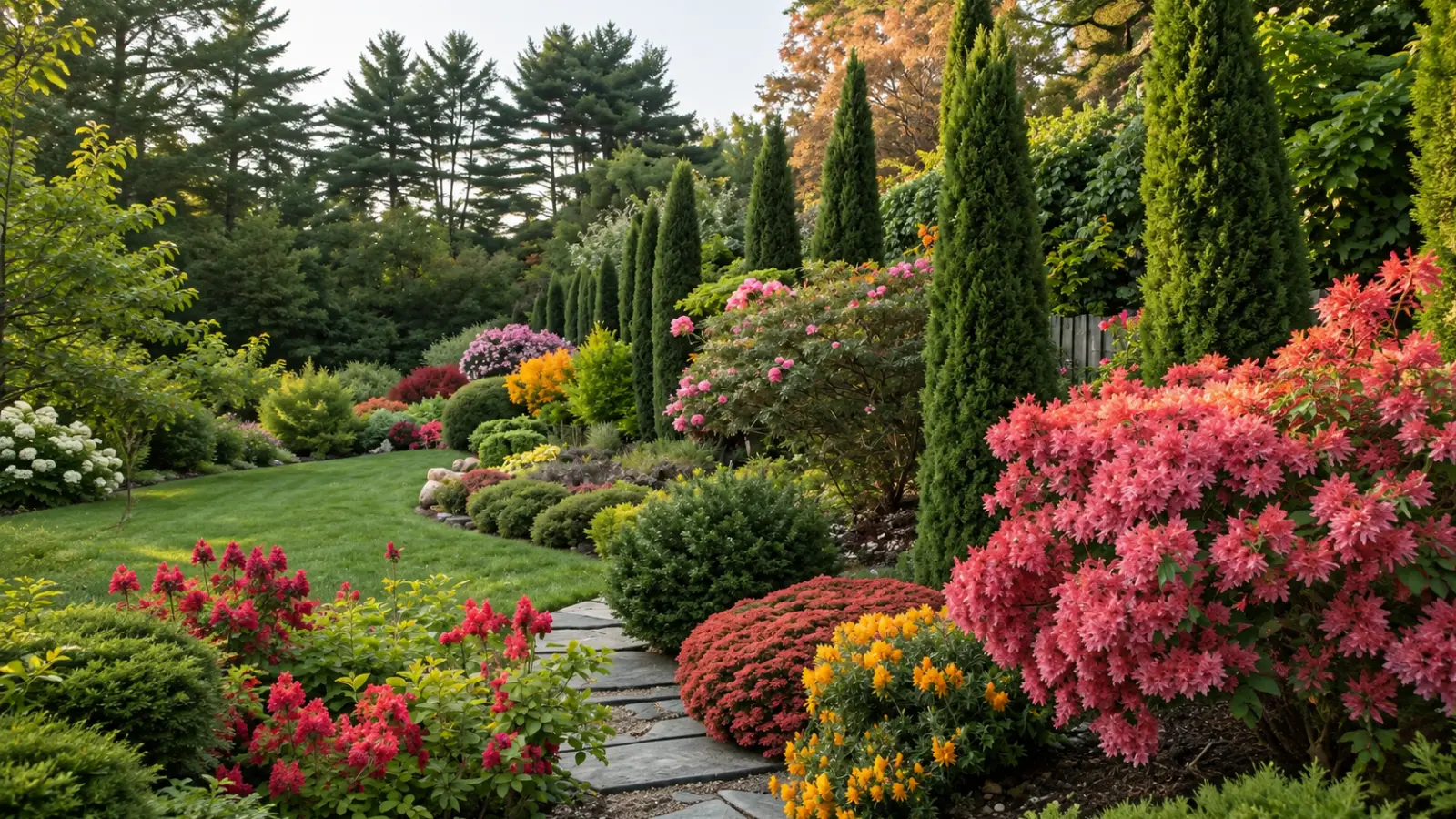
Wildlife uses a garden at different heights. A single layer of low flowers may provide nectar, but a layered garden offers more opportunities for feeding, nesting, hiding and resting. Think of it less like a flower bed and more like a compressed version of a natural habitat edge—where trees meet shrubs, shrubs meet perennials and perennials meet the ground.
Canopy Layer
Mature trees provide shade, nesting sites, seeds, fruit, bark and caterpillar host habitat. Native oaks, cherries and elms support far more insect species than non-native ornamental trees of similar size, which matters enormously for birds. Choose trees that fit the property and keep overhead wires, foundations and mature root systems in mind before planting.
Shrub Layer
Shrubs provide dense cover, berries, flowers and protected spaces close to the ground. They can also reduce wind and create a natural transition between taller trees and herbaceous plants. Native shrubs like spicebush, viburnum, buttonbush and native dogwoods pull double duty as both shelter and food sources.
Flower and Herbaceous Layer
Perennials, annuals and herbs offer nectar, pollen, seeds and foliage. Vary plant heights and leave some stems standing after flowering so the garden remains useful beyond its peak bloom—hollow stems provide overwintering sites for solitary bees, and seed heads feed birds through winter.
Ground Layer
Ground covers, fallen leaves, small logs and patches of bare soil create habitat that is easy to overlook but genuinely important. Many native bees nest in the ground, and salamanders, toads and other small animals depend on low cover for protection. A patch of bare, undisturbed soil in a sunny spot can support ground-nesting bees that find no entry in compacted turf.
Layering does not mean filling every inch of space. Leave paths, open areas and clear sightlines so the garden remains comfortable for people as well as wildlife.
Choose Native Plants
Native plants form the foundation of most successful backyard habitats because they are connected to local food webs and adapted to regional conditions. The relationship goes deeper than most people expect: research by entomologist Doug Tallamy at the University of Delaware has shown that more than 90 percent of moth and butterfly caterpillars can only eat the foliage of specific native plants or plant groups. Non-native ornamentals, no matter how numerous, largely cannot substitute for them.
Choose plants according to your state, ecoregion, USDA Hardiness Zone, soil, moisture and sunlight. A plant native to one part of the country may be poorly adapted to another. Even within a single state, coastal, mountain, prairie and urban conditions can differ substantially.
Use local Cooperative Extension recommendations, state native-plant societies, botanical gardens and organizations like the Xerces Society and the Lady Bird Johnson Wildflower Center to identify suitable species. When possible, buy from a nursery that can tell you where its plants were grown and whether they have been treated with systemic pesticides—more on that in the pesticide section below.
Non-native plants are not automatically useless, but they should not displace regionally appropriate species or spread into natural areas. A wildlife garden should be evaluated by the resources it actually provides, not only by its color or ornamental appeal.
Provide Food Throughout the Year
Wildlife needs food across the seasons, not only during the weeks when the garden is at peak bloom. A varied planting can provide nectar, pollen, leaves, seeds, fruit and insects at different times of year, creating a garden that remains ecologically active long after the showiest flowers have faded.
Flowers for Nectar and Pollen
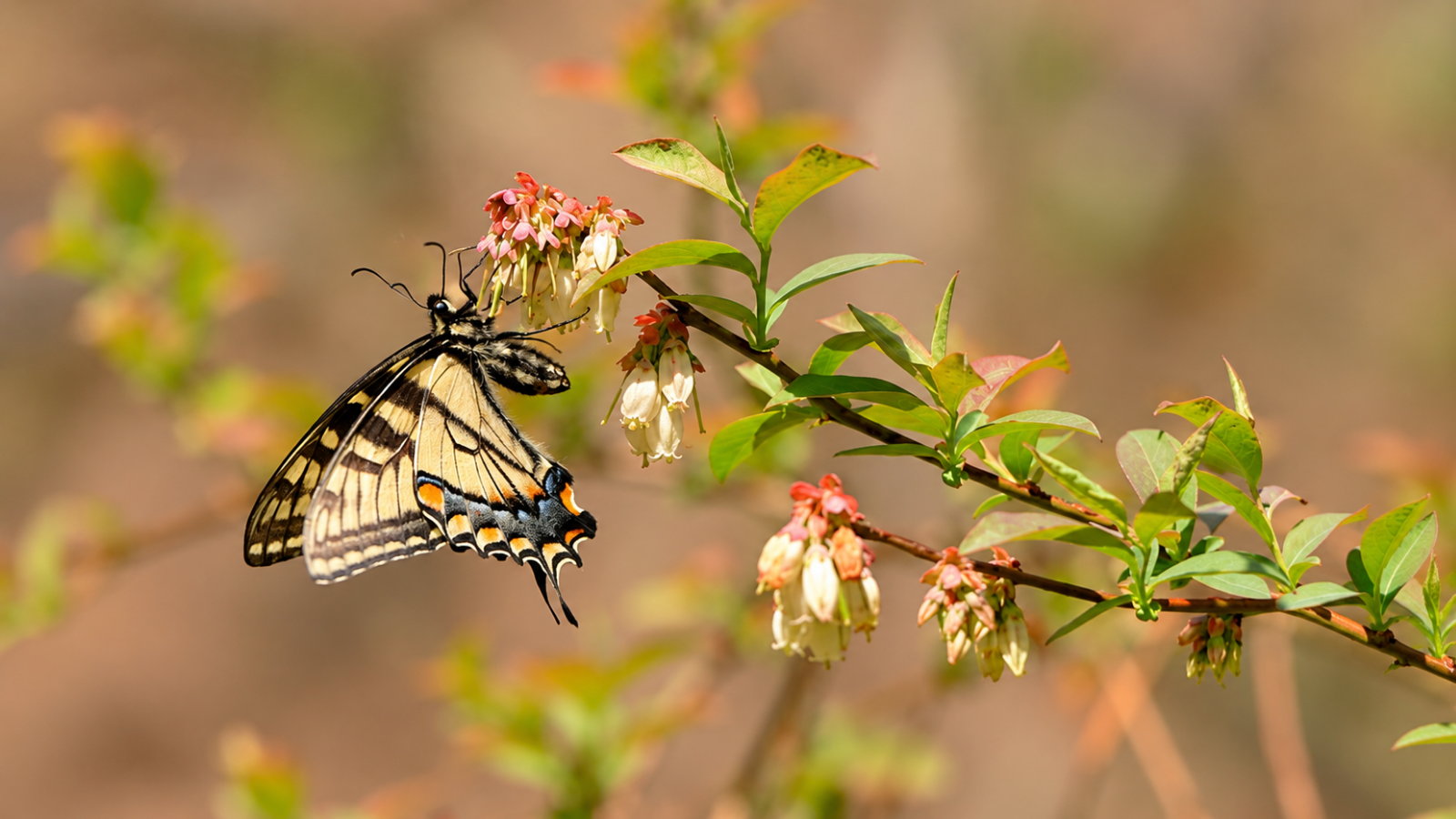
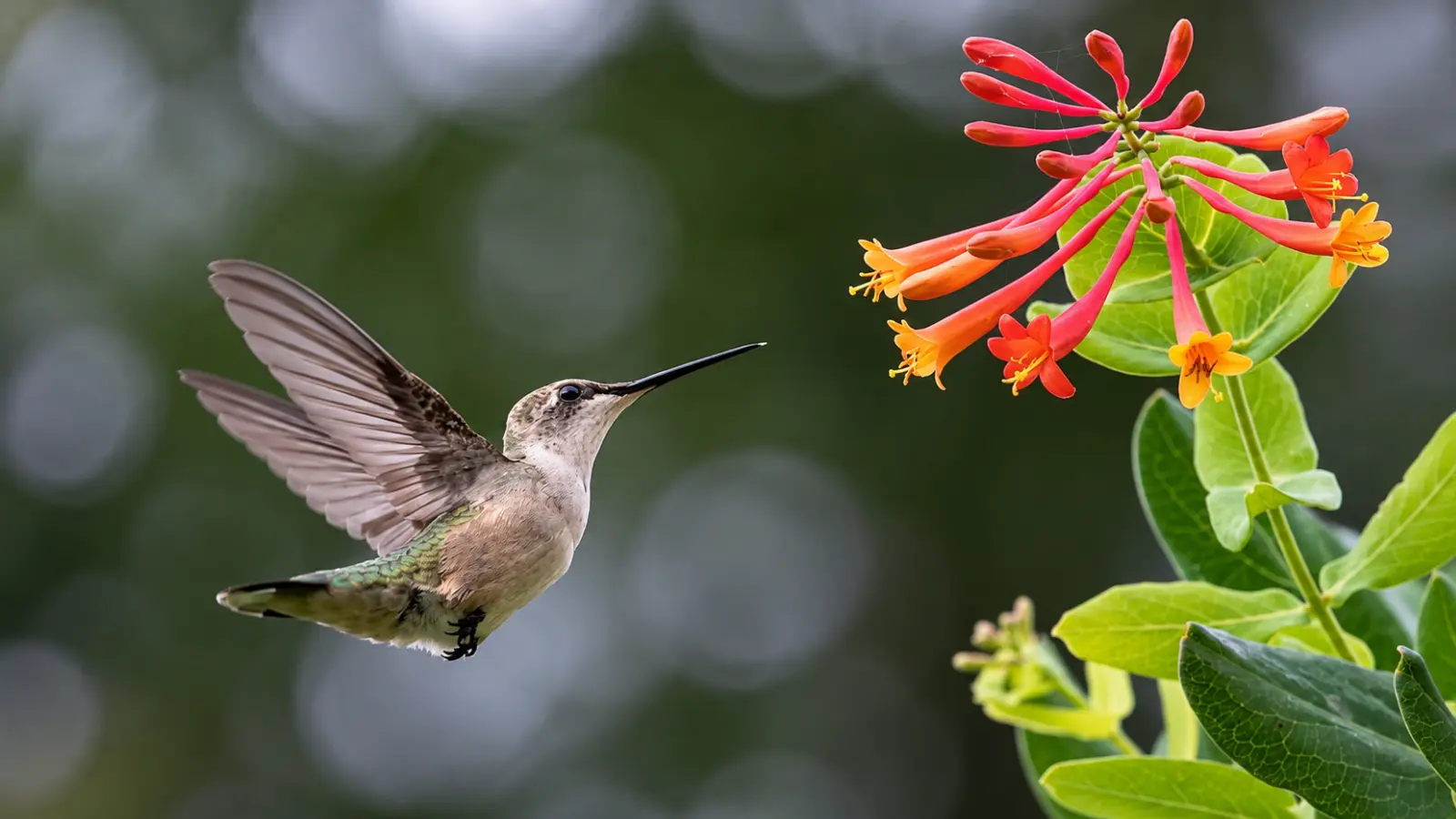
Flowering plants support bees, butterflies, moths, flower flies and other insects from early spring through fall. Include different flower shapes and a staggered bloom sequence to avoid long seasonal gaps. A garden with only one large summer display may leave early-emerging spring bees—including queen bumblebees starting new colonies—with nothing to eat until the main show begins.
Plants for Caterpillars
Caterpillars are among the most important food sources in a backyard habitat, and not just for butterflies. Research by Tallamy and colleagues found that 96 percent of North American land birds rear their young primarily on insects, and that caterpillars are especially critical—a single pair of breeding chickadees may need between 6,000 and 9,000 caterpillars to raise one clutch of nestlings. A garden rich in native host plants directly supports that chain. Accepting a reasonable amount of leaf damage is not a failure of the garden; it is the garden working as it should.
Seeds and Fruit
Seed heads, berries, nuts and fruits can feed birds and small mammals from late summer well into winter. Resist the urge to deadhead every spent flower immediately. Coneflowers, native sunflowers, black-eyed Susans and goldenrods all produce seeds that birds depend on when other food is scarce. Choose plants whose fruiting habits fit the size and location of your property.
Insects as Food
Many birds, reptiles and small mammals depend on insects as a major part of the food web. A garden that supports a healthy insect community—by providing host plants, reducing pesticide use and maintaining diverse structure—provides more value than one managed to look completely free of every chewing bug. Some foliage damage is evidence that the system is working.
Add Safe Water
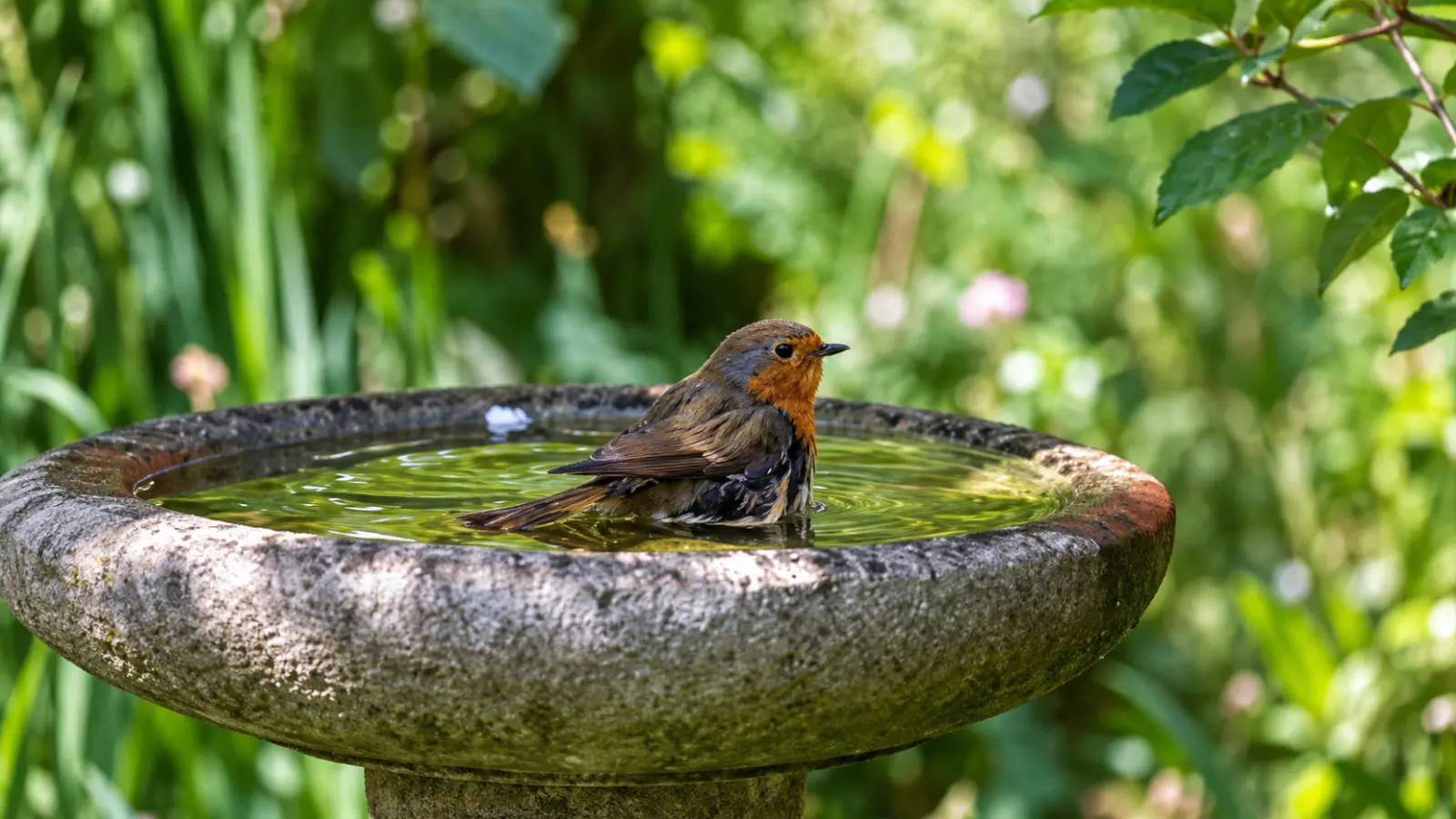
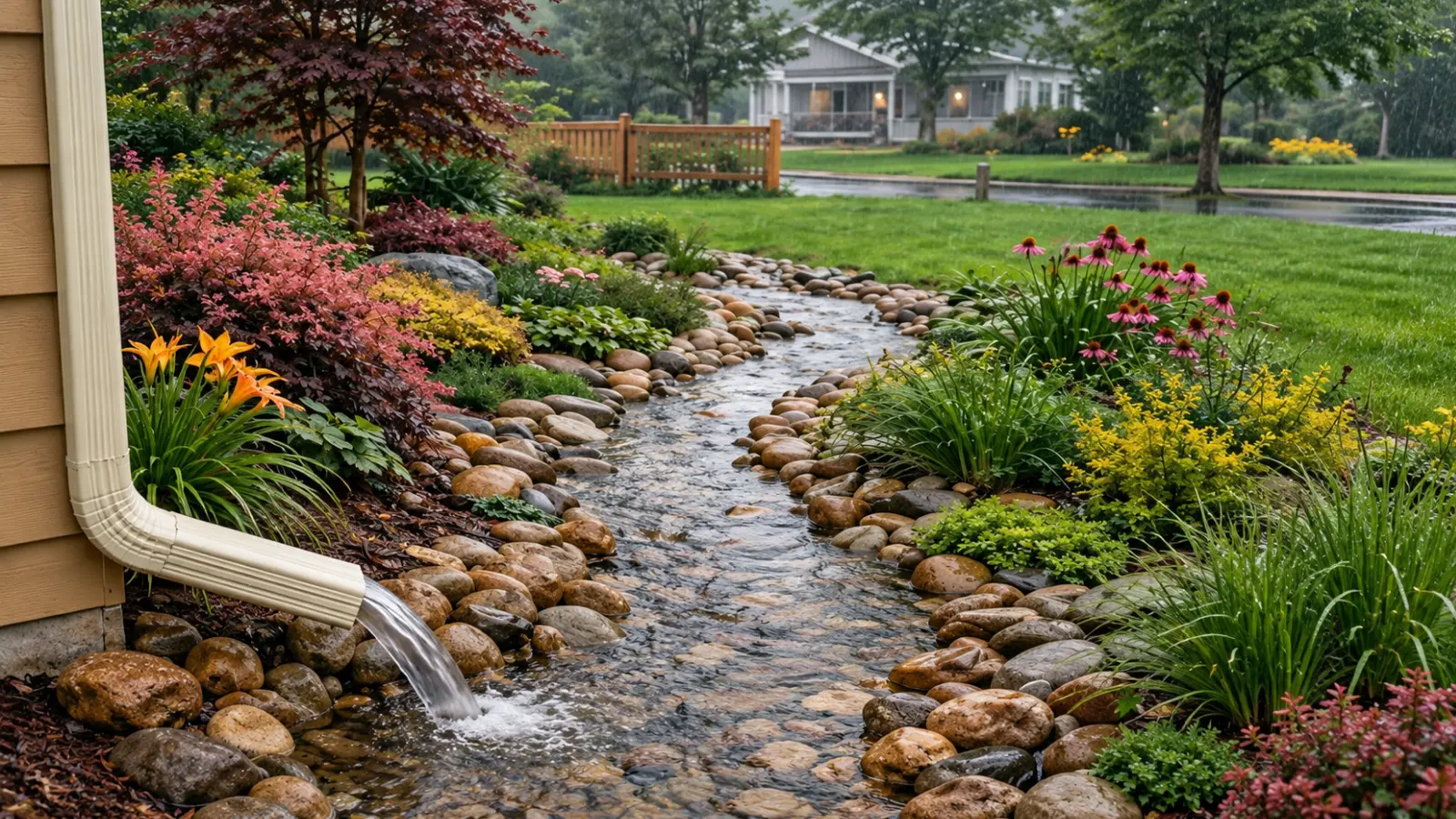
Clean water can make a residential garden significantly more useful to wildlife. Birds drink and bathe in shallow basins, insects use damp soil and mud, and a small pond can support amphibians, dragonflies and a surprising variety of other species.
A birdbath should be stable, shallow and cleaned regularly. According to the Cornell Lab of Ornithology, the water should be no deeper than about 1 inch at the edges and no more than 2 inches at the deepest point—enough for small songbirds to wade comfortably without risk. A rough interior surface or added flat stones give smaller visitors secure footing. Place the bath where nearby shrubs offer quick escape cover, but keep it at least a few feet from dense vegetation so cats and other predators cannot approach unseen. Moving water—from a small dripper, bubbler or recirculating pump—can attract more birds and reduce mosquito breeding by making the water less suitable for egg laying, though regular cleaning and water changes are still important.
Ponds and water gardens can support amphibians, aquatic insects and birds but require more planning. Consider circulation, algae management, mosquito prevention, child safety, pet access and seasonal maintenance before installing one. Native aquatic and marginal plants help oxygenate the water and provide habitat structure. Do not release non-native fish, plants or animals into natural waterways or nearby wild areas.
Refresh small basins every few days, especially in warm weather, and keep fertilizer and pesticide runoff away from any water source in the garden.
Create Shelter and Cover
Wildlife needs places to hide from predators, escape extreme weather, rest during the day and move through the garden with as little exposure as possible. Without adequate cover, even a food-rich garden will see fewer visitors than it could.
Dense shrubs, evergreen branches, ornamental grasses, brush piles, stone walls and layered plantings can all provide cover. Use several types, because a bird, a ground beetle, a frog and a small mammal do not use the garden the same way. What shelters one animal may be invisible to another.
Wind protection matters in exposed yards. A hedge, fence or grouped shrubs can create a calmer pocket without blocking all sunlight. Keep dense plantings away from main entrances, walkways and areas where clear sightlines are important for safety.
Where possible, connect planted areas so wildlife does not have to cross large expanses of open lawn. Even a narrow corridor of grasses or low shrubs between two planted beds reduces fragmentation and makes the property feel more navigable to animals moving through it.
Provide Places to Raise Young
Food and water may attract individual animals, but habitat for reproduction supports future generations. Different species need very different conditions to lay eggs, build nests, raise young or complete their development—no single feature covers all of them.
Birds may nest in dense shrubs, tree branches, natural cavities or nest boxes. Native bees nest in bare soil, hollow plant stems or cavities in untreated wood. Butterflies and moths depend on specific host plants where their caterpillars can feed safely. Toads and salamanders need moist ground cover or leaf litter close to a water source.
If you install a nesting box, match it to a species that already uses your area—the correct hole size, mounting height, direction and surrounding habitat all matter for success. A poorly sited box can attract house sparrows or starlings at the expense of native cavity nesters. The Cornell Lab of Ornithology’s NestWatch program offers reliable guidance for nest box specifications by species.
Leave some natural material in place. Hollow stems, fallen leaves, loose bark and sections of decaying wood often provide more reliable nesting and overwintering habitat than purchased structures—and they cost nothing.
Use Leaf Litter and Dead Wood
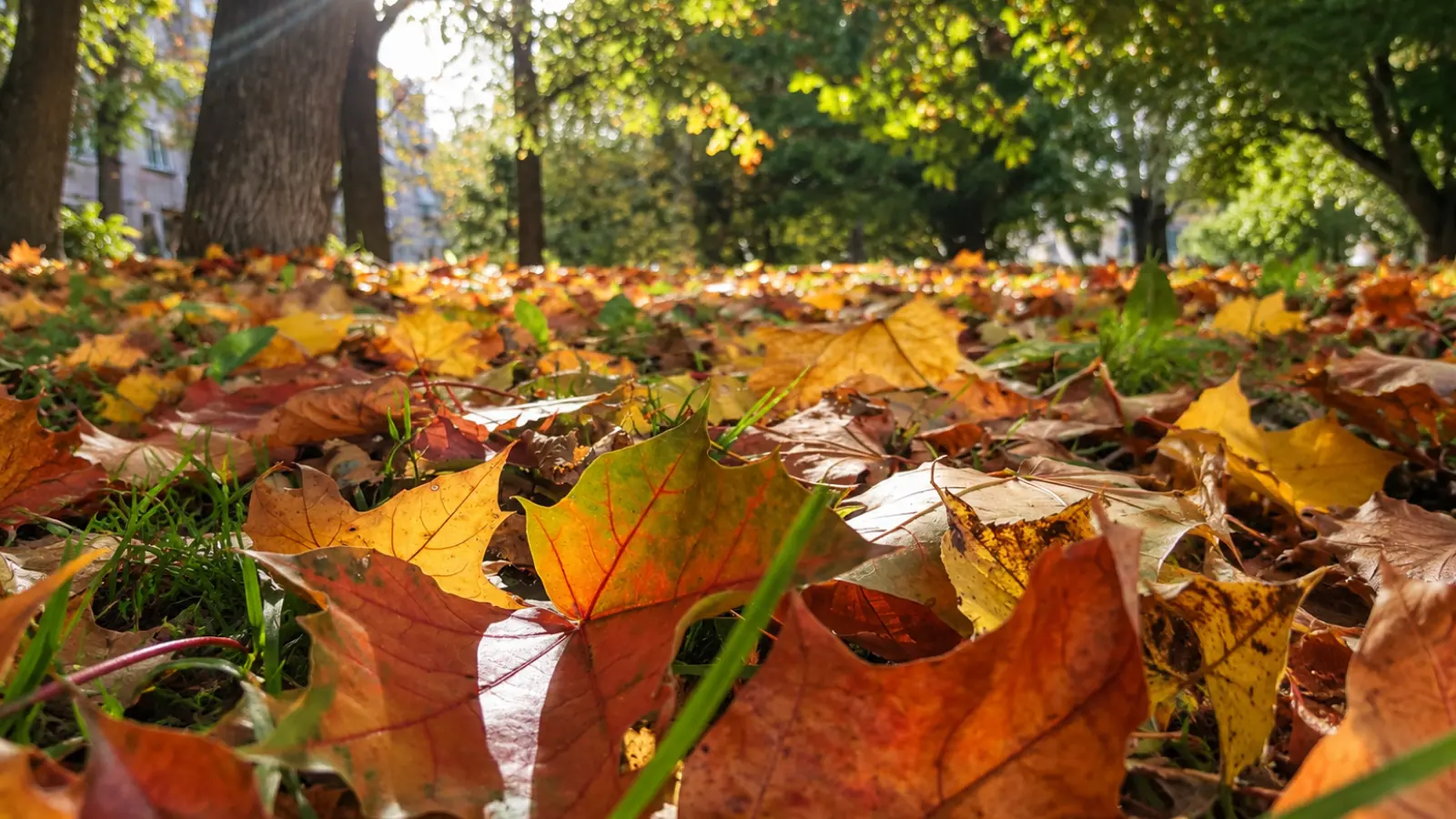
Leaf litter and dead wood are not waste products of the garden. They shelter overwintering insects, protect soil moisture, provide nesting material and contribute to the food web as they decompose. Many insects overwinter in or beneath intact leaf litter, while some native bees use hollow stems, dead wood or underground sites for nesting and overwintering. Removing every leaf, stem and natural shelter in fall can disturb or eliminate animals already using those materials before spring.
Allow whole leaves to remain beneath trees, shrubs and selected planting beds when they are not smothering a plant or creating a disease problem. Shift heavy accumulations away from lawns, paths and sensitive plants rather than hauling every leaf off the property. When possible, keep the leaves intact rather than shredding them: whole leaf litter provides better winter cover, while shredding can destroy eggs, caterpillars, cocoons and other small organisms already sheltering within it.
Small logs, branches, stumps and brush piles create cover for insects, reptiles, amphibians and small mammals. Tuck them into corners or along borders where they will not create tripping hazards or block maintenance access. Never leave dangerous dead limbs or unstable trees where they could fall on structures or people—dead wood on the ground is an asset; an unstable trunk overhead is a safety problem.
This approach gives a wildlife garden a more natural seasonal rhythm and significantly reduces the time and material involved in fall cleanup.
Reduce Pesticide Use
Pesticides can affect wildlife directly or remove the insects that birds, amphibians and other animals depend on for food. Broad-spectrum insecticides—including those labeled for organic use—may harm beneficial insects along with the pest being targeted. The connection matters: a garden managed aggressively with insecticides may attract fewer birds during breeding season, because the caterpillars those birds need have been eliminated.
Begin with accurate identification before treating anything. Many “pests” are temporary visitors that cause manageable damage; others are the larval stage of moths or butterflies with genuine wildlife value. Choose plants suited to the site, improve airflow where fungal disease is a concern, remove severely damaged material and accept minor feeding damage when the plant remains healthy overall.
If treatment becomes necessary, follow the product label precisely and consider timing—avoid spraying open flowers where bees are foraging, and treat in the early morning or evening when bee activity is lower. Account for weather, drift toward water sources and the presence of children or pets. Never assume that a product labeled “natural” or “organic” is harmless to beneficial insects; many organic-approved insecticides, including spinosad and pyrethrin, can harm bees on contact.
One often-overlooked issue: plants purchased from nurseries and garden centers are sometimes pre-treated with systemic neonicotinoid pesticides that persist in plant tissues, including pollen and nectar. When buying flowering plants for a wildlife garden, ask the nursery whether their stock has been treated with systemic insecticides and look for suppliers—particularly native plant nurseries—that explicitly avoid them.
Reducing herbicide use also matters. A small amount of diverse low vegetation can provide more wildlife value than a perfectly uniform lawn with no flowers, seeds or shelter.
Wildlife a Backyard Garden Can Support
Birds
Birds are often the most visible sign that a garden is functioning as habitat, but they depend on more than a feeder and a birdbath. Native trees and shrubs provide the insects, berries, seeds, nesting sites and cover that feeders cannot replicate. Bird activity in any yard varies with region, season, migration patterns and the habitat quality of surrounding properties—a garden in a neighborhood with many connected plantings will typically see more sustained use than an isolated yard surrounded by manicured turf.
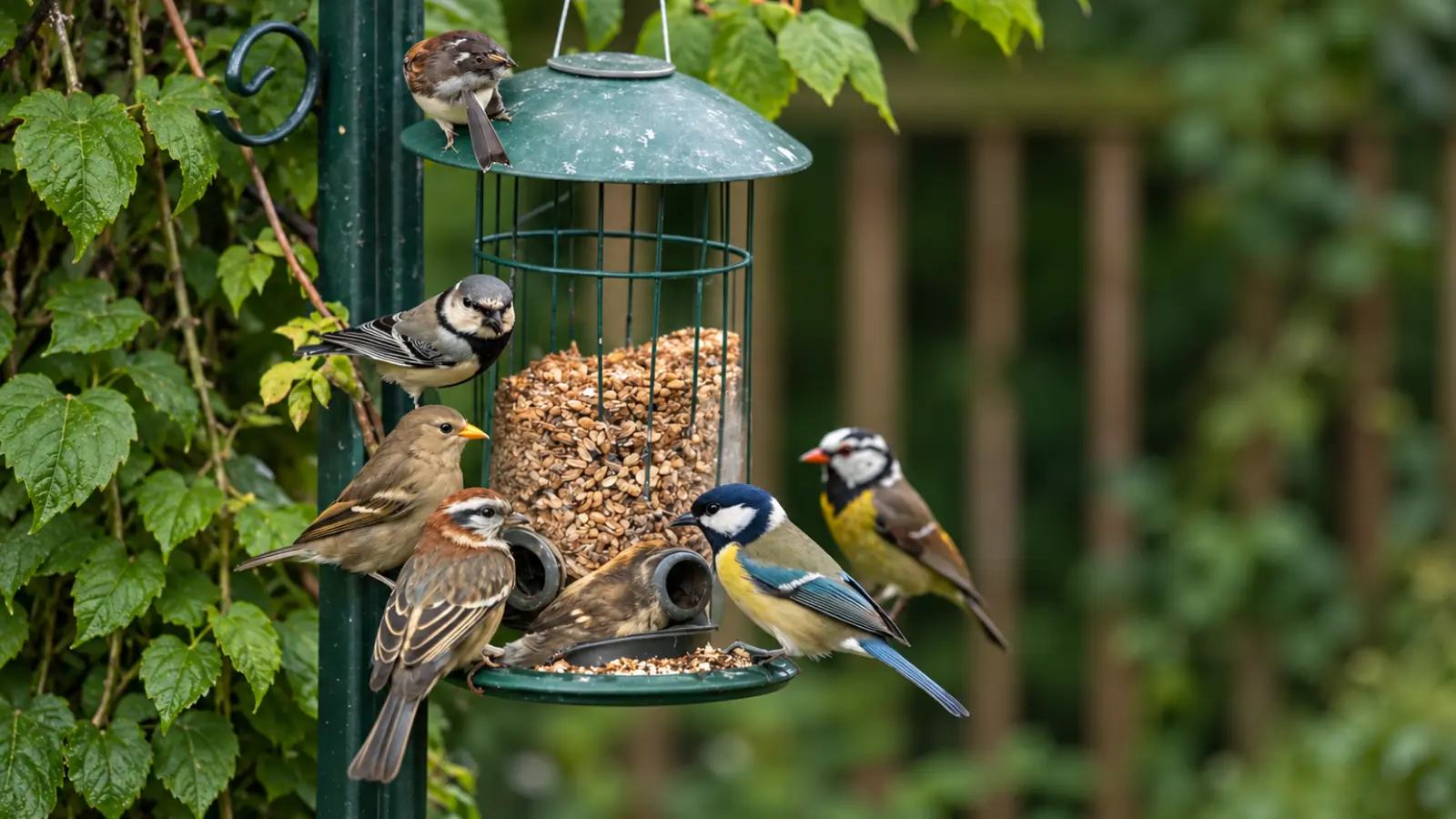
A bird feeder can supplement habitat during winter and during migration, but food, shelter and nesting opportunities are more important than any single supplemental feature. Clean feeders regularly—dirty feeders can spread disease—and consider removing them temporarily if local wildlife health agencies issue an alert, as sometimes happens during avian disease outbreaks.
Beneficial Insects
Bees, butterflies, moths, flower flies, beetles and predatory insects all contribute to pollination, pest management and natural food webs. Plant diversity, undisturbed soil, standing stems, leaf litter and reduced pesticide use help create conditions they can use. This is also the group most directly harmed by common garden practices—a lawn treated with a grub control product or a flower bed sprayed with a broad-spectrum insecticide can eliminate beneficial insects as thoroughly as it eliminates pests.
Small Mammals
Small mammals like chipmunks, rabbits and squirrels may use shrubs, ground cover, fallen wood and fruiting plants for food or shelter. Whether they are welcome depends on the property, local species and the gardener’s tolerance. Do not deliberately provide food that encourages animals to approach doors, enter structures or become habituated to handouts. Secure garbage, protect vegetable beds when necessary and keep wildlife habitat away from foundations and utility areas.
Amphibians and Reptiles
Some yards can support frogs, toads, turtles, skinks or lizards through a combination of moisture, shade, leaf litter, rocks and pesticide reduction. A shallow ground-level water dish or pond can make a meaningful difference for toads during dry summers. Avoid moving wild animals into the garden from other locations, and never release unwanted pets or captive-bred animals into the environment.
Balance Wildlife With Residential Use
A wildlife garden should work alongside the people who live there. Keep paths, seating areas, play spaces and main entrances clear and accessible. Place thorny shrubs, brush piles and dense cover where they add habitat value without creating avoidable hazards or blocking sightlines.
Manage potential conflicts before they become serious. Use physical barriers around vegetable beds and young trees, secure garbage, and be realistic about which animals you are likely to attract on your specific property. Habitat does not mean abandoning reasonable boundaries or allowing wildlife into buildings.
Good design helps the two uses coexist. A defined edge between a naturalistic border and a mown path, a low fence around a vegetable area, or repeated planting groups that signal clear intention can make a wildlife-friendly garden feel organized rather than neglected. Thoughtful structure reassures neighbors—and HOAs—that the wildness is intentional.
Seasonal Continuity and Maintenance
Wildlife needs change throughout the year, and so should the way you approach garden maintenance.
In spring, inspect plants gradually and resist the urge to cut everything back at once. Leaf litter and hollow stems may contain overwintering bees and other insects that need time to emerge as temperatures warm. Refill and clean water sources, and replace winter-damaged plants with regionally appropriate species rather than clearing entire areas for replanting.
In summer, water new plantings during dry periods, manage invasive weeds before they set seed and keep paths clear. Allow flowers to mature to seed when they provide food for birds or wildlife, and avoid applying any pesticides to open blooms where insects are actively foraging.
In fall, leave selected stems, seed heads and leaf litter in place through the winter. Remove only what threatens safety, blocks necessary access or creates a clear plant-health problem. Fall is also a good time to plant trees, shrubs and native perennials, when cooler temperatures reduce transplant stress.
In winter, check branches and structures for storm damage without removing every natural feature. A quieter garden can still provide cover, seeds, bark texture and overwintering habitat that makes it valuable through the coldest months.
Small-Space Wildlife Gardens
A small wildlife garden can begin with a layered group of native plants in a sunny corner. Combine one shrub or small tree, several flowering perennials with different bloom times, a ground layer of leaf litter or low native groundcover, and a shallow water source where appropriate. Even that modest combination can support more species than a comparable area of lawn or pavement.
Containers can provide nectar and pollen, but they offer less room for nesting and overwintering insects. Group several containers together rather than spacing them apart, use plants with different bloom periods and add a nearby natural feature such as a small log or a protected area of leaf litter. A container of native sedges or grasses adds structure and texture without taking much space.
Even a narrow side yard can support wildlife when it includes cover and a connected planting edge. Focus on quality and ecological function rather than trying to represent every habitat type in a limited space—a few well-chosen plants done well will outperform a crowded mix of poorly sited ones.
Create Habitat Without Giving Up the Garden
A successful wildlife garden works for both wildlife and the people who live around it. Native plants, food, water, cover, nesting resources and natural materials can create valuable habitat while defined paths, clear edges and thoughtful placement keep the space safe and manageable.
Start with the conditions already present and add habitat gradually. As trees, shrubs, flowers and ground layers mature, the garden can support a wider network of birds, insects and other animals without losing the structure and purpose that make it enjoyable to use.
COMMON QUESTIONS
Before you begin.
How do you create a wildlife garden?
Create a wildlife garden by providing four essentials: food, water, shelter and places for animals to raise young. Use regionally appropriate native plants, combine several habitat layers, preserve some leaf litter and natural materials, provide safe water and reduce pesticide use. Starting with a small area and expanding as you observe local wildlife can make the habitat easier to manage.
What plants are best for a wildlife garden?
The best plants are native or regionally appropriate species that provide useful resources such as nectar, pollen, caterpillar host foliage, seeds, berries or shelter. Trees, shrubs, flowering perennials, grasses and ground covers can work together as habitat layers. Choose plants according to your local climate, sunlight, soil and moisture rather than relying on a universal national plant list.
How can I attract birds to a wildlife garden?
Plant native trees, shrubs and perennials that provide insects, seeds, berries, nesting sites and protective cover throughout the year. Add a clean, shallow water source and suitable nesting habitat where appropriate. Bird feeders can supplement natural resources, but a garden that supports caterpillars and other insects is especially valuable when birds are raising young.
Should you leave fallen leaves and dead wood in a wildlife garden?
Yes, where they do not create safety, access or plant-health problems. Leaf litter can shelter overwintering insects, conserve soil moisture and contribute to the food web, while fallen logs, branches and decaying wood can provide cover and habitat for insects, amphibians, reptiles and other small animals. Natural materials can be concentrated beneath trees, shrubs or in designated habitat areas rather than left across paths and lawns.
Can a wildlife garden still look neat and intentional?
Yes. Defined edges, clear paths, repeated planting groups and carefully placed habitat features can make a wildlife garden look organized while still supporting animals. Leaf litter, standing stems, dense shrubs and other natural elements can be concentrated in selected areas so the garden remains functional and attractive for people as well as wildlife.
Will a wildlife garden attract unwanted animals?
A wildlife garden will generally increase animal activity, but thoughtful design can reduce conflicts. Secure garbage and compost, protect vegetable beds when necessary, keep dense cover away from foundations and entrances, and avoid deliberately feeding wildlife in ways that encourage animals to approach the house. Habitat can support local wildlife without giving up reasonable boundaries around residential areas.