Gypsum is calcium sulfate, a mineral soil amendment that supplies calcium and sulfur without functioning like agricultural lime. In the right conditions, it can also help improve soil structure and water infiltration when excess sodium is causing clay particles to disperse.
That does not make gypsum a universal treatment for heavy clay, compaction or poor drainage. Ordinary clay soil can be difficult to work for many reasons that gypsum cannot correct, including traffic, wet-soil cultivation, grading problems, hardpan and seasonal water accumulation. The useful question is not simply whether the soil contains clay, but whether gypsum addresses the specific chemical or nutrient problem present.
This guide explains what gypsum does for soil, when it can help sodium-affected soil, whether it improves clay, how it differs from lime, when soil testing is necessary and why application rates should follow the diagnosed problem rather than a one-size-fits-all garden recommendation.
What Is Gypsum?
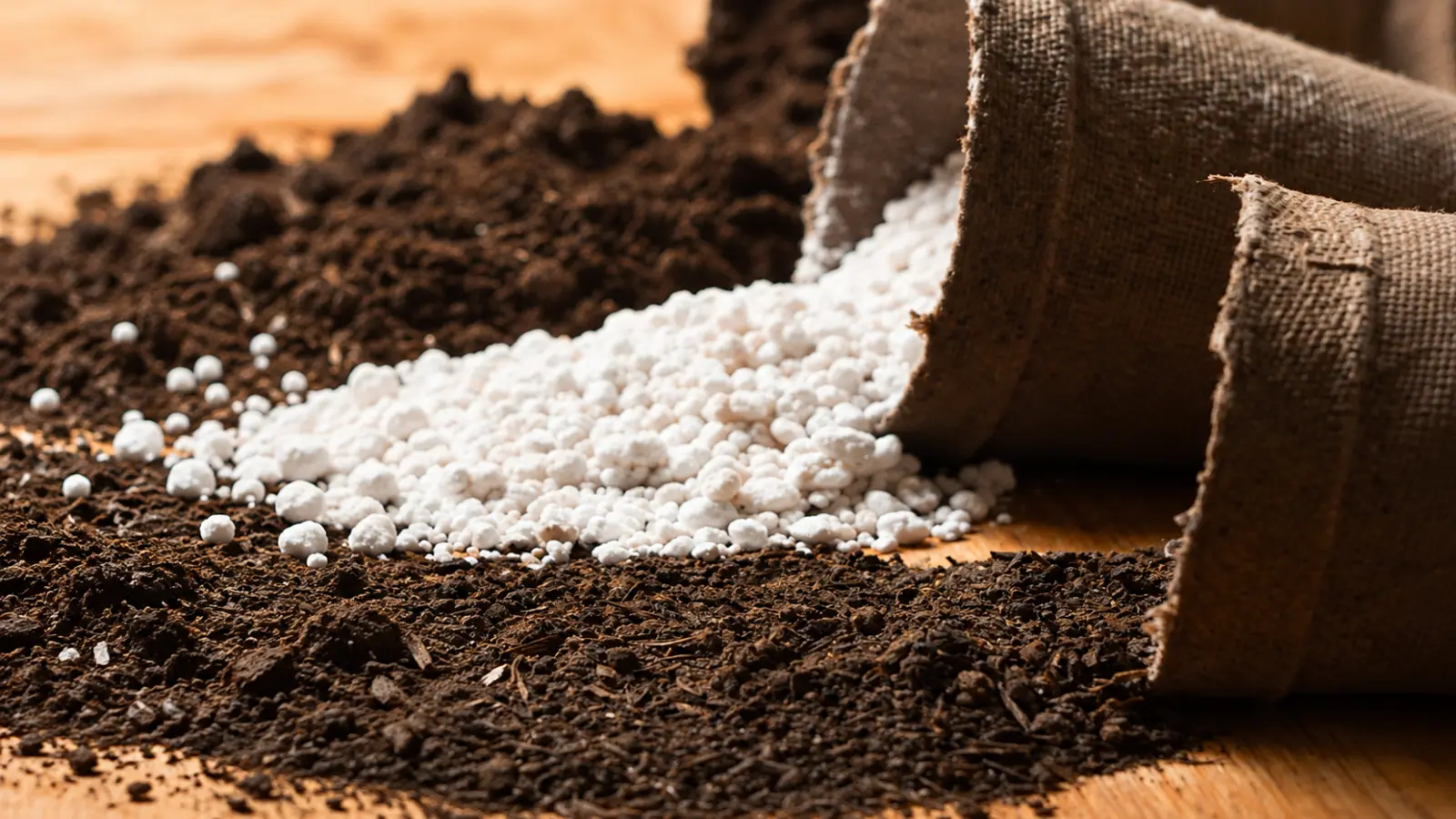
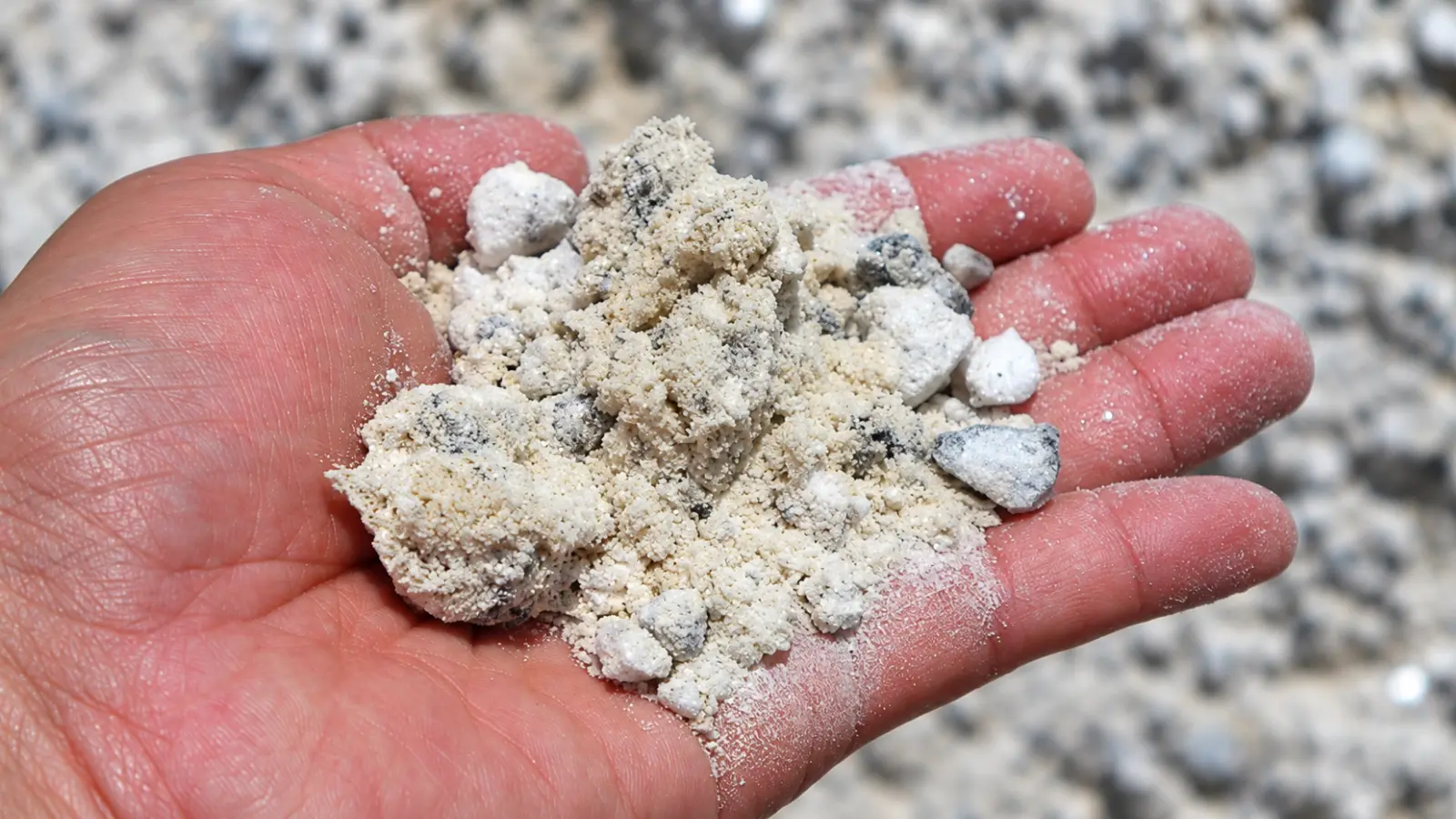
Gypsum is calcium sulfate dihydrate. In garden centers, it’s typically sold as a granular or pelletized mineral amendment, sometimes labeled simply as a soil conditioner. It dissolves more readily than limestone and supplies calcium and sulfur in forms that can enter the soil solution.
That chemistry explains both its usefulness and its limits. Calcium can affect how certain soil particles interact, while sulfate supplies sulfur. But gypsum contains no carbonate, so it does not neutralize soil acidity the way agricultural lime does.
What Does Gypsum Do for Soil?
Gypsum can add calcium and sulfur and may improve infiltration or aggregation in the right chemical setting. Its most important soil-structure role is connected to sodium: calcium can displace sodium that is attached to clay and organic-matter surfaces.
- Supplies calcium: useful when calcium is recommended but changing pH is not desired.
- Supplies sulfur: gypsum is one source of plant-available sulfate.
- Can assist sodium remediation: calcium can replace excess sodium on exchange sites when the soil and water conditions allow the displaced sodium to move away.
- Does not function as lime: gypsum does not reliably raise pH or correct soil acidity.
Those are conditional benefits. The presence of clay alone does not tell you that gypsum will solve a garden’s physical problems.
When Gypsum Helps: Sodium-Affected Soil
Sodic soils contain enough exchangeable sodium to disrupt the way fine particles gather. The soil can become dispersed, sealed at the surface, slow to infiltrate water, and difficult for roots and air to move through. Sodium-affected soil is more common in some arid regions, irrigated sites, and places with certain water or parent-material conditions than in the average home garden.
In that situation, gypsum provides calcium that can displace sodium from soil exchange sites. The process also needs suitable drainage and enough water movement to leach the displaced sodium from the root zone. Applying gypsum to a soil that cannot drain does not complete the correction.
This is why the decision should follow a laboratory result such as sodium adsorption ratio, exchangeable sodium percentage, electrical conductivity, and a local interpretation. A jar of sticky clay is not a sodium diagnosis.
Gypsum for Clay Soil: The Important Caveat
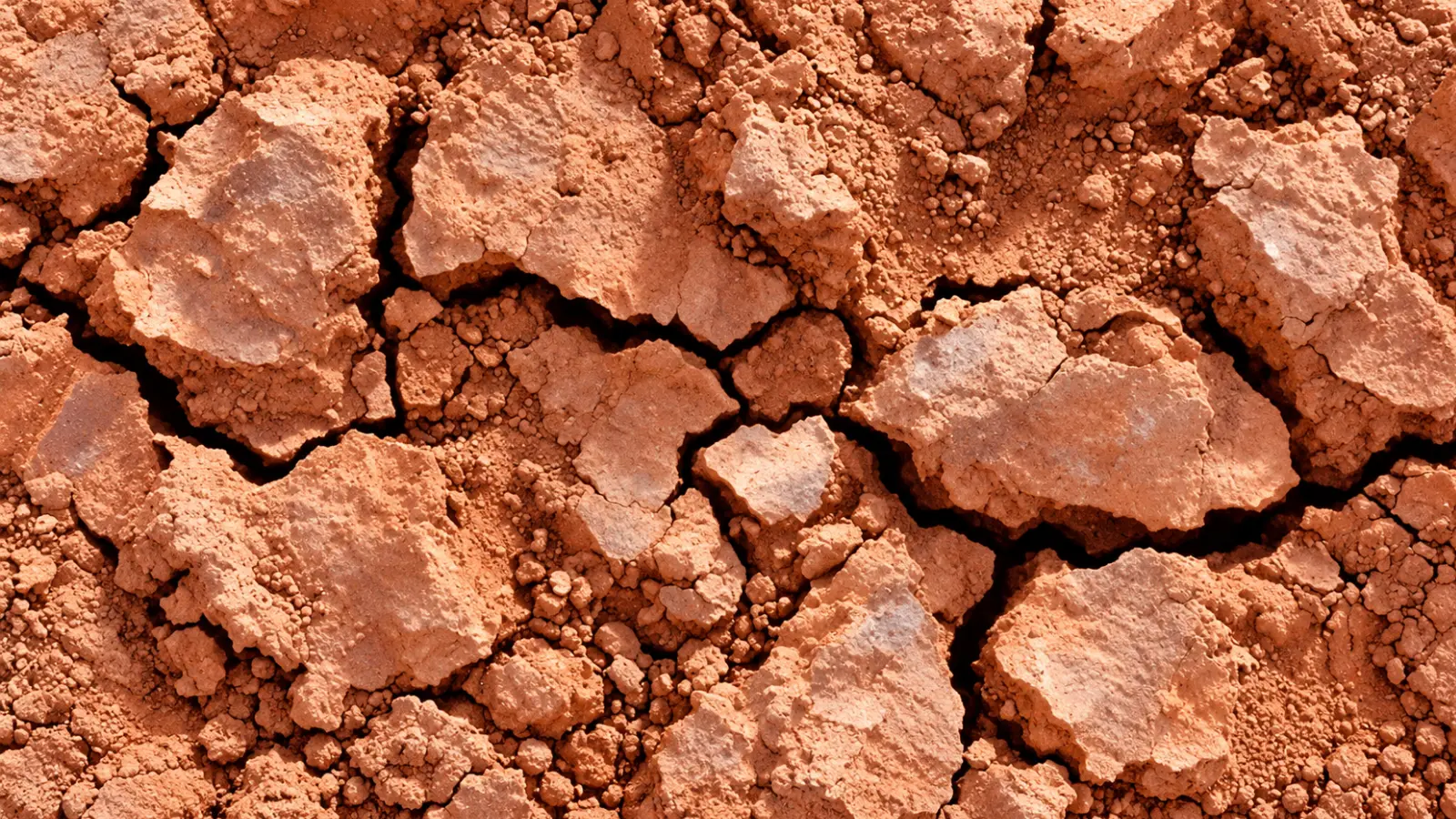
Gypsum for clay soil is often marketed as an all-purpose loosener. Calcium can encourage clay particles to aggregate in some conditions, and gypsum may help a sodium-affected clay soil. But ordinary clay soil can be dense, slow-draining, or hard to work for reasons that gypsum cannot change.
Texture is the proportion of sand, silt, and clay, and gypsum does not alter that mineral proportion. Compaction from traffic or wet tillage, a compacted subsoil, poor grading, and seasonal high water all require different responses. Adding a bag of gypsum without diagnosing the cause can delay the real fix.
For most clay beds, use Clay Soil as the practical guide: protect the surface with mulch, add organic matter over time, avoid working wet soil, and observe water movement before selecting an amendment.
When Gypsum Does Not Help
Gypsum is not the right answer when the actual need is pH correction, broad organic-matter improvement, a drainage redesign, or compaction relief. It also should not be applied repeatedly just because a product label promises better soil.
- Acidic soil: use a soil test and a liming recommendation; gypsum does not raise pH.
- Low organic matter: use compost, mulch, crop residues, and other organic-matter practices suited to the site.
- A poorly drained low spot: address grade, water sources, drainage, or plant choice.
- Compacted soil: reduce traffic, avoid wet-soil work, and investigate the depth and cause of compaction.
- Ordinary heavy clay with no sodium issue: do not assume gypsum will create lasting drainage or texture change.
The best gypsum decision is sometimes not using gypsum. Soil management becomes simpler when each material has a defined job.
Gypsum vs. Lime
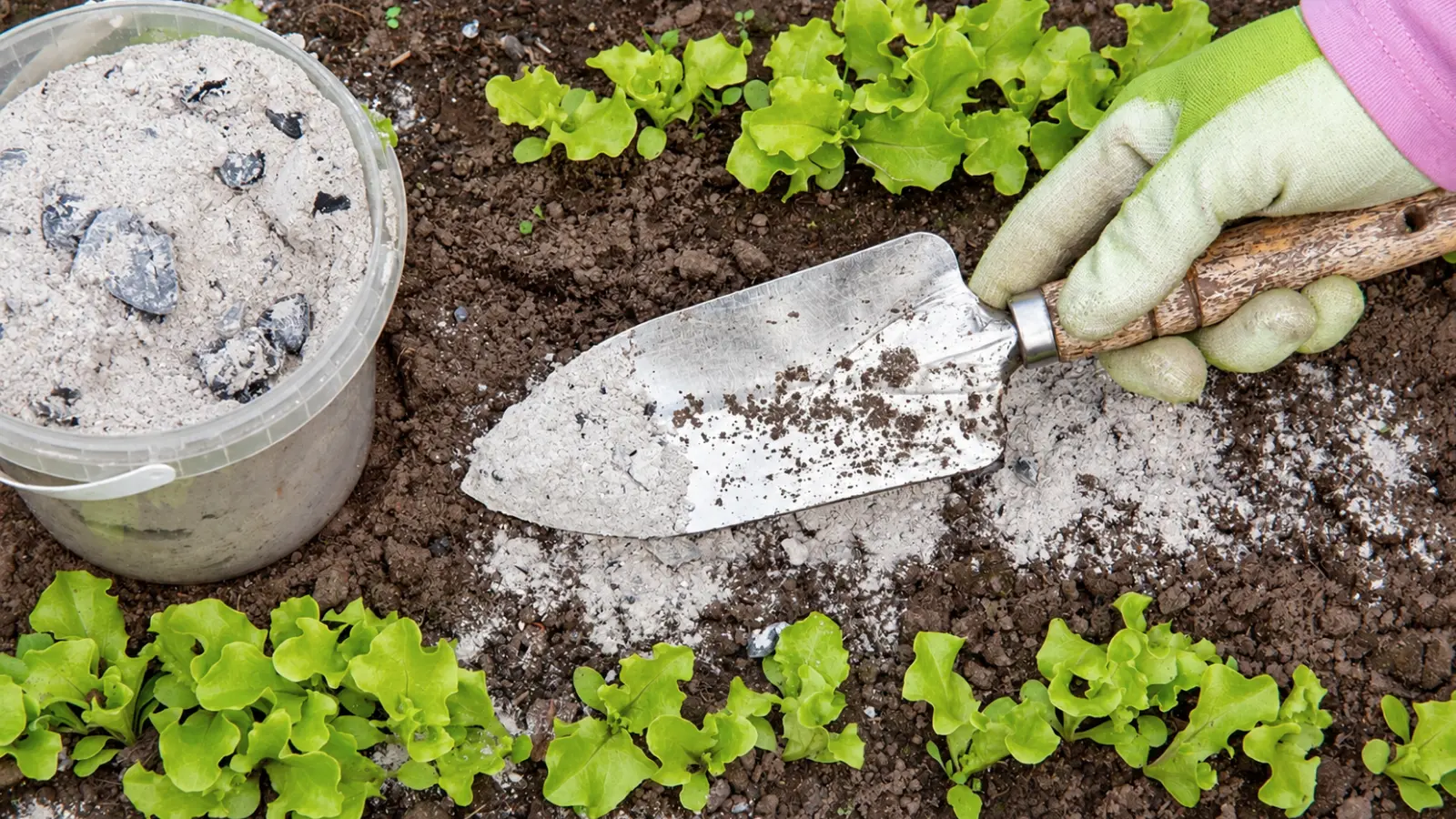
Gypsum and lime both contain calcium, but they are not substitutes. Lime contains carbonate materials that neutralize acidity and raise soil pH. Gypsum contains sulfate, which supplies calcium and sulfur without the same pH-changing effect.
| Material | Main Role | Effect on pH | Use It When |
|---|---|---|---|
| Gypsum | Supplies calcium and sulfur; can help sodium remediation | Does not meaningfully raise pH | A test indicates a calcium/sulfur or sodium-related need. |
| Agricultural lime | Neutralizes soil acidity and supplies calcium, sometimes magnesium | Raises pH | A test recommends liming for acidic soil. |
Choose by the diagnosis, not by the word “calcium” on the bag. Applying lime where pH is already high can create new nutrient-availability problems, while applying gypsum to an acidic soil leaves the original acidity uncorrected.
Test Before Applying Gypsum
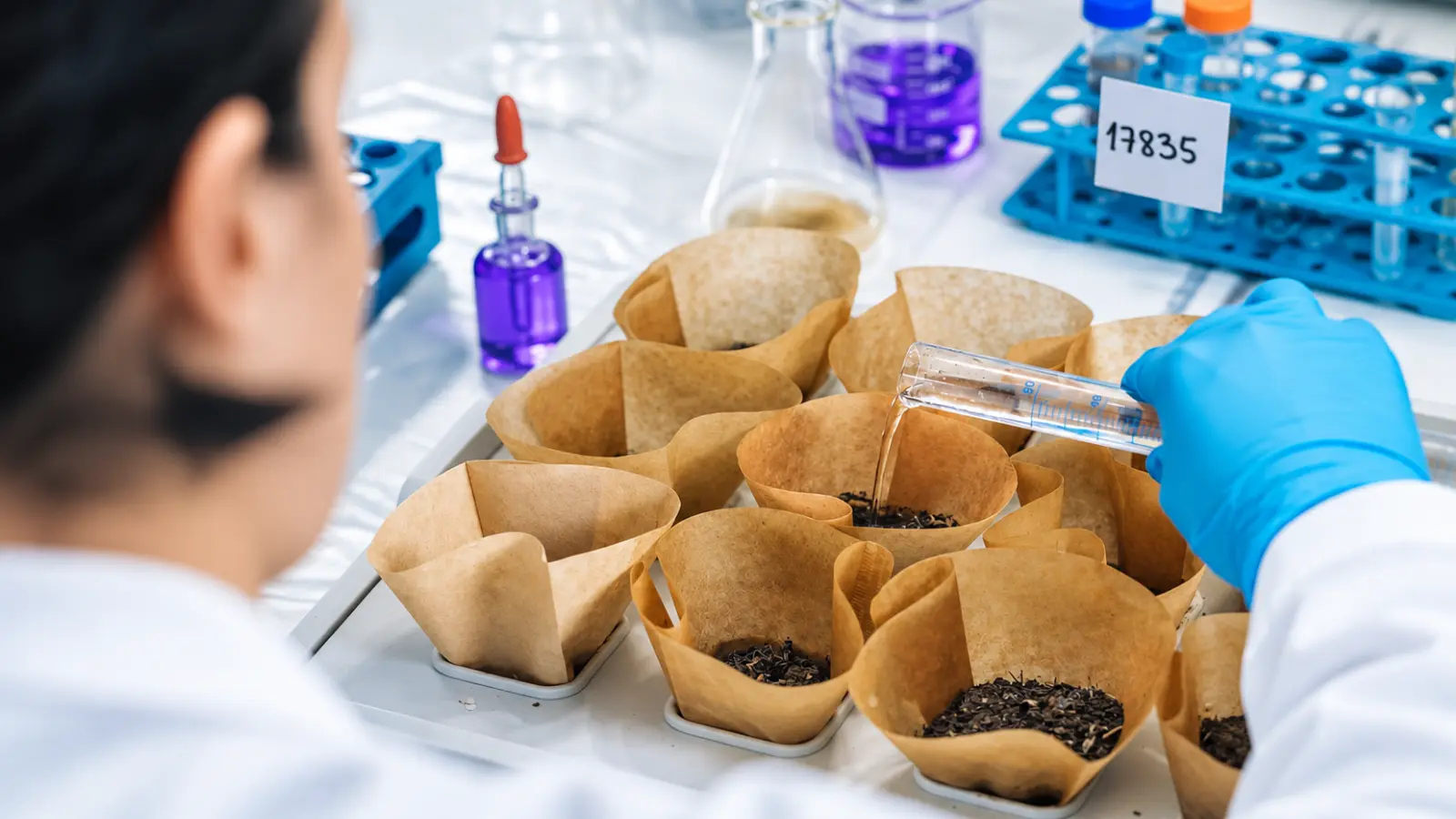
A regular garden soil test is the starting point for pH, nutrients, and sometimes calcium and sulfur. If sodium is a concern, ask a local Extension service or soil laboratory whether it can test and interpret sodium, salinity, CEC, SAR, or ESP for your setting.
Testing is especially important where irrigation water may carry substantial sodium, where the soil develops surface crusting and poor infiltration, or where a prior recommendation identified a salt-related issue. The required material and rate depend on the test, soil depth, and the ability to leach salts safely.
Application Considerations
Do not publish or follow a one-size-fits-all gypsum rate. A recommended amount depends on the problem, the product’s analysis and particle size, how deeply the issue occurs, and whether drainage will allow sodium to leave the root zone. Follow the laboratory or local Extension recommendation and the product label.
Extension soil labs actually calculate what’s called a “gypsum requirement” — an amount derived from a soil’s exchangeable sodium percentage and cation exchange capacity. For a soil that genuinely needs sodium reclamation, that requirement is commonly expressed in tons per acre rather than a light dusting from a bag, which is one more reason a bag label’s suggested rate is no substitute for a lab-based recommendation.
Wear gloves and avoid breathing dust when handling fine mineral products. Keep gypsum separate from fresh manure storage or slurry systems, where sulfur-containing bedding can create serious gas hazards; that farm-specific issue is not a reason to avoid ordinary garden use, but it is a reason not to casually mix materials outside their intended setting.
After a targeted application, observe infiltration, plant response, and future test results rather than assuming a single treatment has permanently solved the condition.
Use Gypsum for a Specific Soil Problem
Gypsum can be valuable when soil chemistry gives it a clear job: supplying calcium or sulfur without raising pH, or helping correct a sodium-related soil structure problem when adequate drainage allows the displaced sodium to move out of the root zone.
Do not treat it as a routine cure for every heavy or poorly drained garden bed. Identify the actual limitation first, use testing when chemistry is involved and let clay management, organic matter, drainage, compaction and pH be addressed with the practices that fit those problems.
COMMON QUESTIONS
Before you begin.
What is gypsum and what does it do for soil?
Gypsum is calcium sulfate, a mineral soil amendment that supplies calcium and sulfur without functioning as a liming material. In soils affected by excess sodium, its calcium can replace sodium on soil exchange sites and help improve aggregation and water infiltration when drainage allows the displaced sodium to move out of the root zone. Its usefulness depends on the soil problem being treated rather than on the presence of clay alone.
When should you use gypsum in garden soil?
Use gypsum when a soil test or qualified local recommendation identifies a sodium-related soil problem or a need for calcium or sulfur without raising soil pH. It can be particularly useful in sodic soils where excess sodium has damaged soil structure. Gypsum should not be applied routinely as a general soil conditioner when no specific need has been identified.
Does gypsum improve clay soil?
Gypsum can improve some clay soils when excess sodium is causing particles to disperse and water infiltration to decline. It does not change the underlying proportion of clay, silt and sand, however, and it will not correct ordinary compaction, poor grading, hardpan or seasonal waterlogging. For typical heavy clay without a sodium problem, organic matter, reduced compaction, mulch and better water management are usually more relevant.
How do you know if your soil needs gypsum?
A laboratory soil test is the most reliable way to determine whether gypsum has a useful role. If sodium is suspected, testing may need to evaluate factors such as salinity, exchangeable sodium, sodium adsorption ratio or cation exchange capacity in addition to standard pH and nutrient measurements. Surface crusting or poor infiltration can suggest a problem, but those symptoms alone do not prove that sodium—or gypsum—is the answer.
What is the difference between gypsum and lime?
Both materials supply calcium, but they serve different purposes. Agricultural lime contains carbonate compounds that neutralize soil acidity and raise pH, while gypsum supplies calcium and sulfur without meaningfully increasing pH. Use lime when testing shows that acidic soil needs liming, and use gypsum when a documented calcium, sulfur or sodium-related need calls for it.
Does gypsum raise or lower soil pH?
Gypsum does not meaningfully raise soil pH and should not be used as a substitute for lime in acidic soil. It supplies calcium as calcium sulfate without the carbonate that gives agricultural lime its acid-neutralizing effect. If soil pH needs correction, choose the appropriate amendment according to a soil test rather than applying gypsum for that purpose.