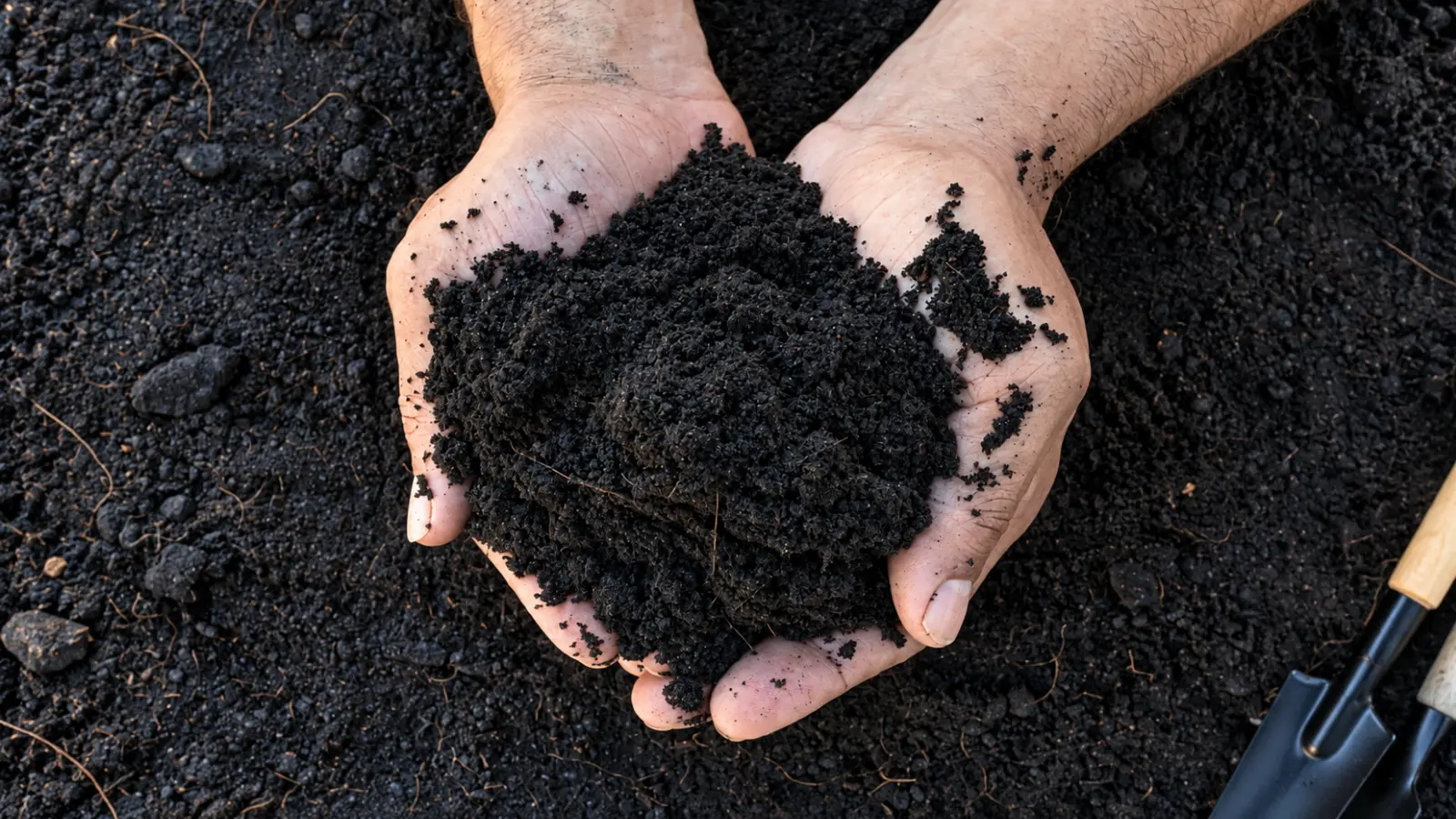
Sandy soil contains a high proportion of relatively large mineral particles, creating pore spaces that allow water and air to move through the root zone quickly. That fast drainage can be useful for many plants, but it also means sandy soil generally stores less plant-available water and can lose mobile nutrients more readily than finer-textured soils.
Improving sandy soil does not mean eliminating its drainage or trying to turn it into clay or loam. The more useful goal is to increase moisture and nutrient retention while preserving the aeration and drainage that make sandy soil valuable. Finished compost, other appropriate organic matter, mulch, well-timed irrigation, and soil-test-based fertility management can gradually create a more stable growing environment.
This guide explains how to identify sandy soil, why it loses water and nutrients quickly, how to use compost, organic matter, and mulch effectively, how to adjust watering and fertilizing, and how to choose plants that can perform well in sandy or sandy-loam garden soil.
How to Improve Sandy Soil
Improve sandy soil by adding finished compost and other suitable organic matter gradually, keeping the surface mulched, and watering based on how dry the root zone actually is rather than a fixed schedule. Run a soil test before adding fertilizer, then favor smaller, more frequent applications when nutrients are genuinely needed. The goal is better retention and resilience, not eliminating the drainage that so many plants rely on.
What Is Sandy Soil?
Sandy soil contains a high proportion of sand, the largest of the three main mineral particle sizes in soil. Sand particles leave bigger pore spaces between them, so water moves in and drains through quickly. Those same large pores keep plenty of air around the roots, which is why sandy soil rarely runs into the waterlogging problems that come with heavy clay.
Its real limitation is holding onto things, not draining them. Sandy soil stores less plant-available water and generally has less capacity to hold nutrients than finer-textured soil. In hot, dry, windy, or highly exposed spots, a sandy bed can dry out fast, even when the surface still looks freshly watered.
Sandy soil can be pure sand, loamy sand, or sandy loam, and those distinctions matter for exactly how fast it drains. Still, the management principle stays the same across all three: build a more stable root environment while working with the soil’s naturally quick drainage instead of fighting it. For the full texture picture, see Types of Soil.
How to Tell if You Have Sandy Soil
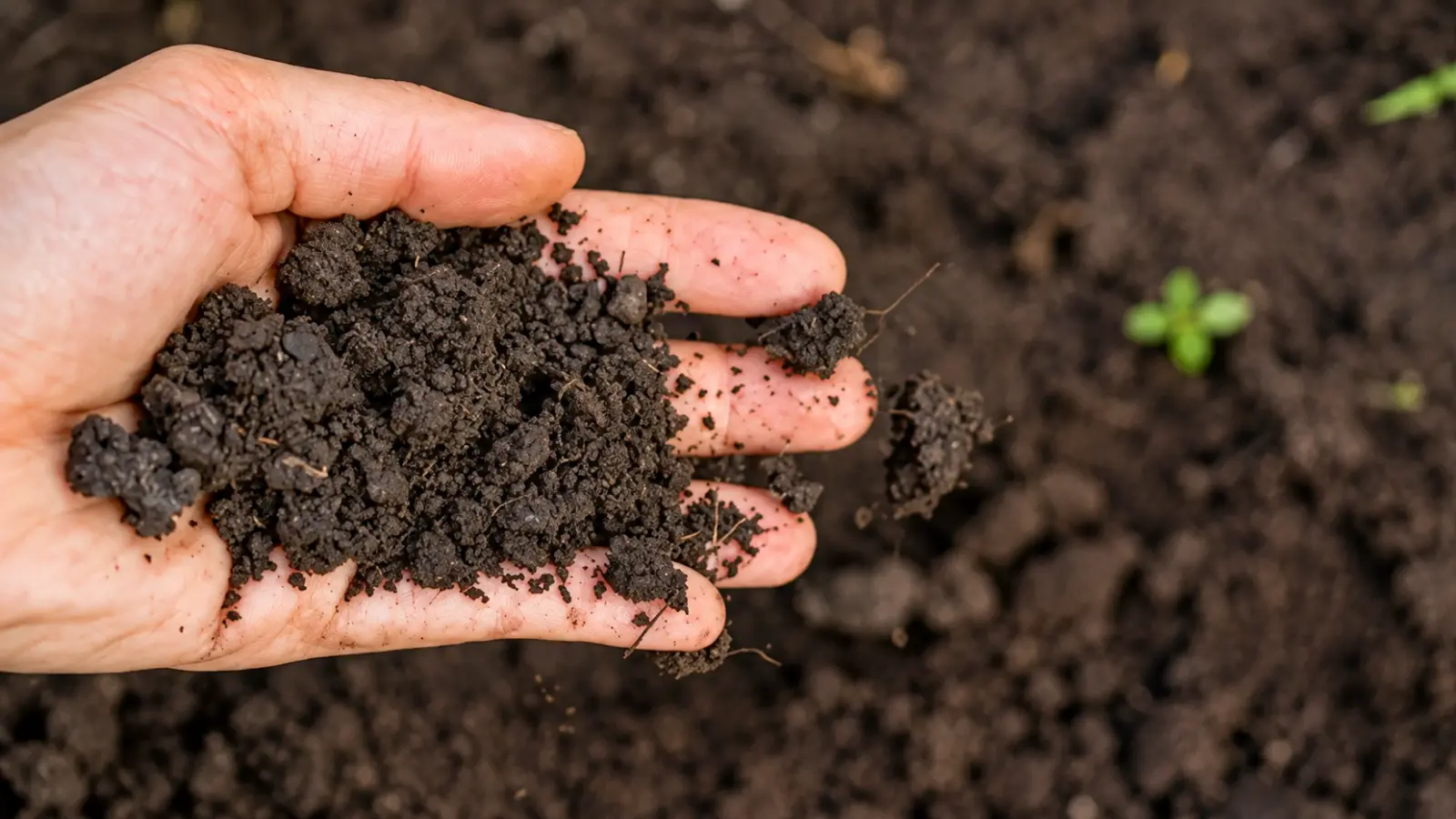
Sandy soil feels noticeably gritty when you rub it between your fingers. A moist handful usually forms only a weak ball and falls apart easily instead of smoothing into a ribbon. After rain, water tends to disappear into the bed quickly, and in dry weather, the surface can turn loose and pale.
These signs are useful, but look at the whole site before settling on an answer. A compacted layer beneath sandy topsoil can still cause water to perch above it, and a bed next to pavement may dry faster from reflected heat rather than from texture alone. Check more than one spot if your yard has different grades, fill soil, or planting zones.
The hand-feel and jar tests in Types of Soil can give you a practical estimate. A lab soil test is worth the extra step when you also need guidance on pH, organic matter, or nutrient levels, not just texture.
Why Sandy Soil Loses Water and Nutrients Quickly
Large pores are the main reason sandy soil behaves the way it does. Gravity pulls excess water downward quickly, and dissolved nutrients travel right along with it. Nitrogen in nitrate form is especially mobile, so overwatering or applying more fertilizer than plants can use raises the risk of nutrient loss in coarse soil.
Fast drainage doesn’t mean water is never available, though. Some moisture clings to smaller pores and particle surfaces, but the total reserve is usually smaller than in loam or clay-rich soil. Roots may need more frequent moisture checks, especially while new plants are getting established or during hot, windy weather.
The right response isn’t constant, shallow watering. That habit actually trains roots to stay near the surface, where they’re more exposed to heat and drying. Instead, water enough to reach the active root zone, then check how quickly that zone dries out before watering again. Timing depends on the plant, temperature, wind, mulch, rainfall, and root depth.
Compost for Sandy Soil
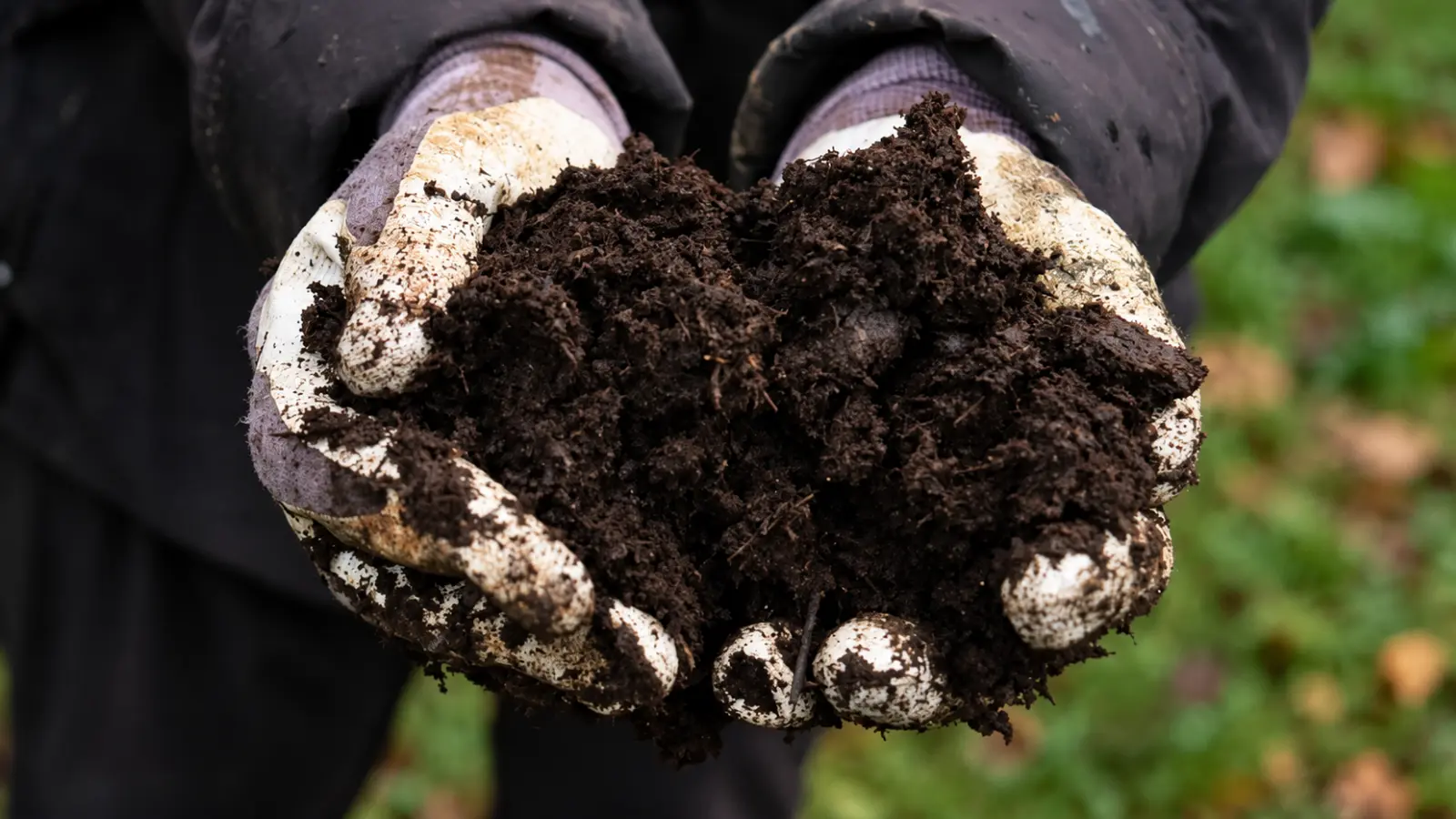
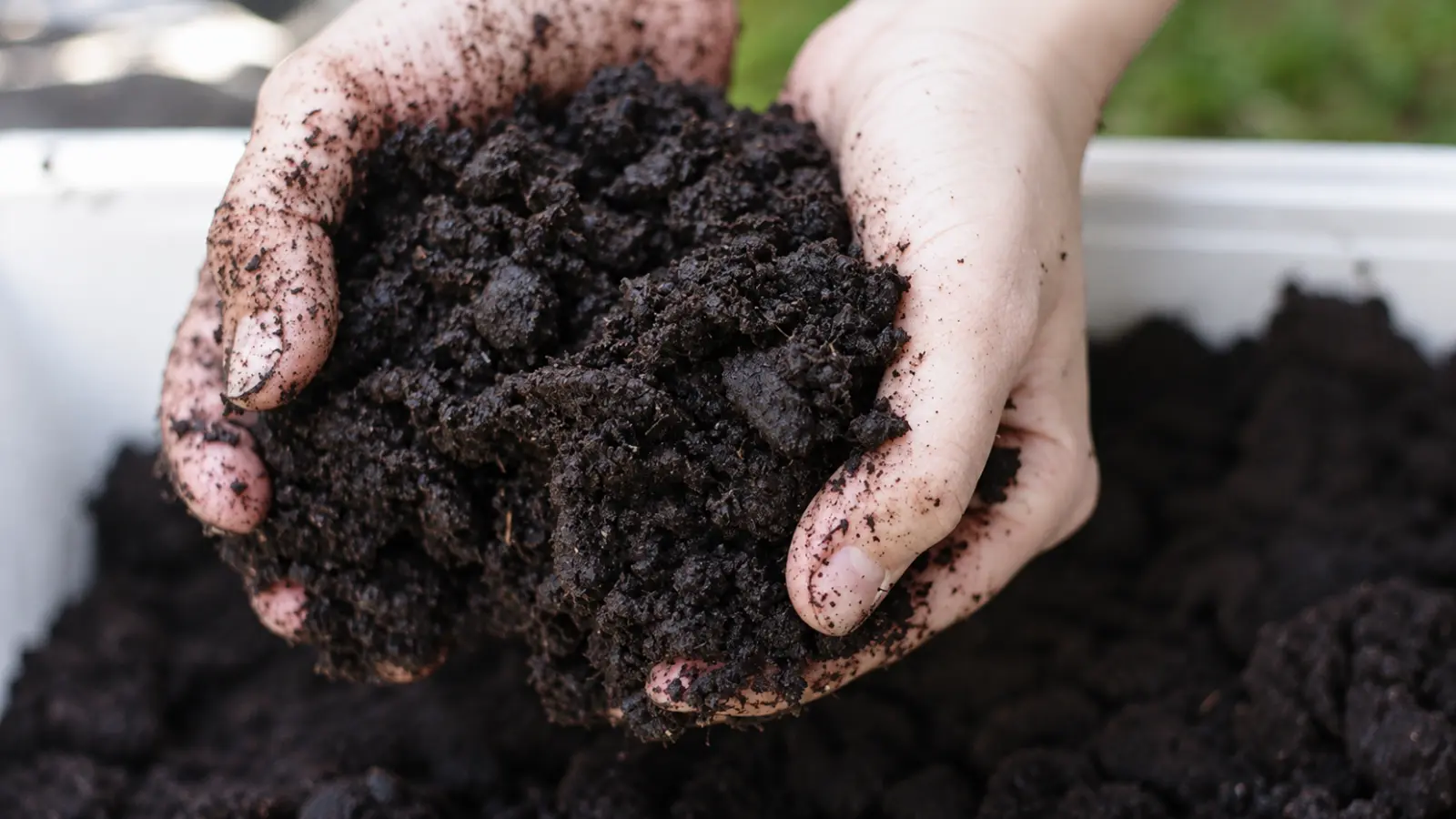
Few things improve sandy soil as reliably as compost, because finished compost adds organic matter that helps hold water and nutrients in the root zone instead of letting them drain straight through. It also feeds soil organisms and helps a loose mineral soil build more stable aggregates over time.
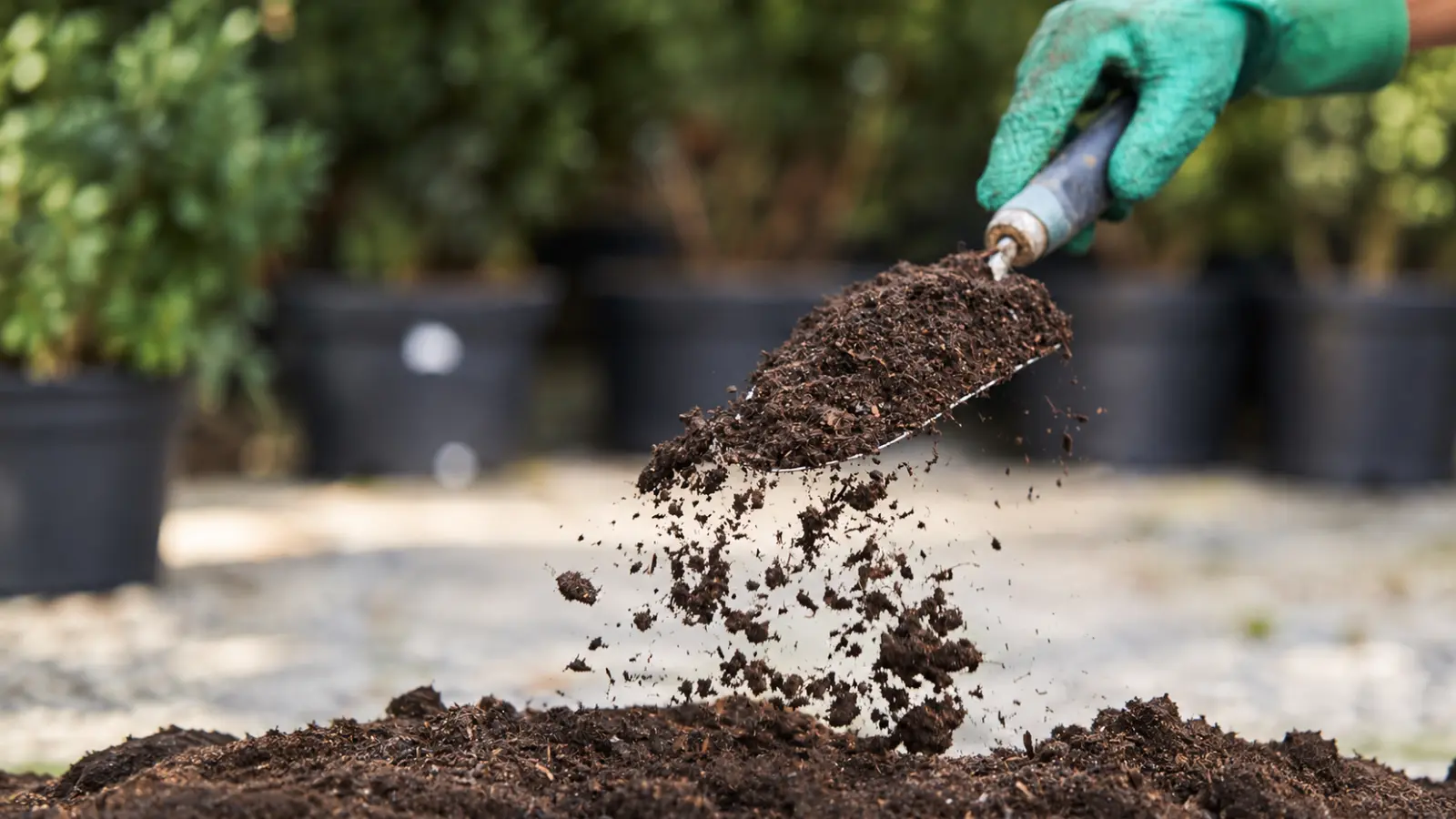
In a new bed, compost can be worked into the planting depth while the soil is workable and the project calls for it. In an established bed, spreading finished compost as a light topdressing is often less disruptive, letting rainfall, soil organisms, and roots gradually carry its benefits down into the soil.
Compost is valuable, but it isn’t a free pass to add unlimited material. Its nutrient and salt content varies by batch, and repeated large applications can create excesses just as easily as too little compost limits growth. Use a soil test and the needs of your plants to decide whether the garden actually needs more compost, more fertilizer, or simply better moisture management.
Organic Matter for Sandy Soil
Compost isn’t the only source of organic matter worth adding to sandy soil. Leaf mold, decomposing plant residue, well-managed cover crops, and suitable organic mulches all add carbon-rich material to the system. Their effect builds up over time: small, repeated inputs improve how the soil holds and cycles resources without trying to rewrite its mineral texture.
Choose materials that are fully decomposed or clearly meant for surface use. Fresh, undecomposed materials can temporarily tie up nitrogen as they break down, and unverified manure or compost can bring in herbicide residues, excess salts, or unwanted nutrients. In food gardens, source materials carefully and follow safe handling practices, especially with manure.
Organic matter also helps sandy soil resist extreme swings in temperature and moisture. It won’t turn a beach-like soil into loam, but it can make a real difference in how long a root zone stays usable between rain and irrigation.
Why Mulch Matters in Sandy Beds
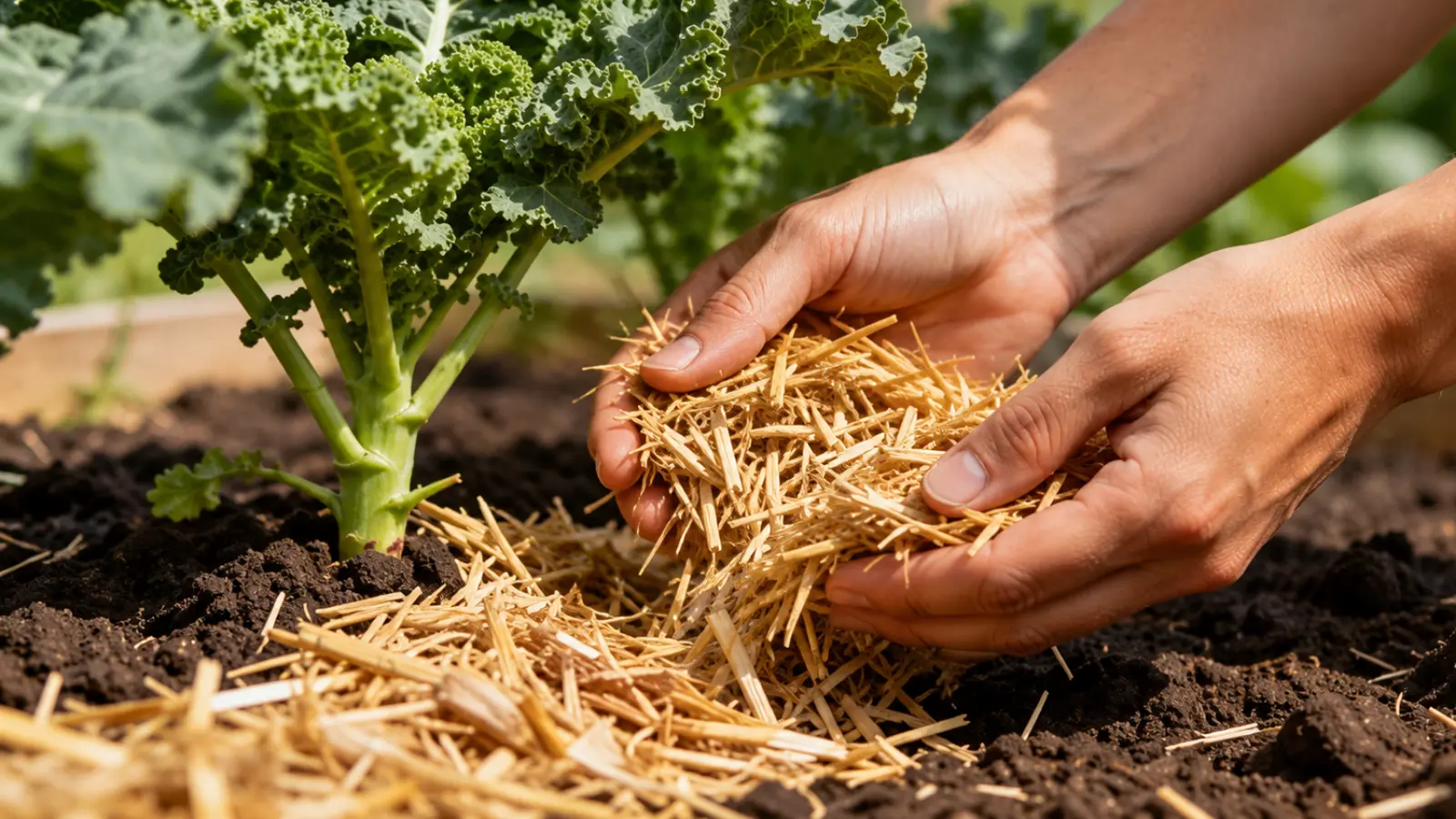
Mulch earns its keep in sandy soil because the surface can lose moisture quickly to sun and wind. A layer of shredded leaves, arborist wood chips, pine bark, straw, or another suitable material moderates the soil surface, cuts down on evaporation, and limits weed competition for whatever water remains.
Keep mulch away from the base of stems and tree trunks, and use a depth that fits the material and the planting, typically a couple of inches for most organic mulches. Piling it on too thick can interfere with water movement or shelter pests in some situations. The goal is a protective cover, not a dense blanket that keeps rain from reaching the soil underneath.
As organic mulch breaks down, it feeds the same long-term improvement that compost does. That makes mulch one of the easiest ways to combine everyday garden upkeep with better soil function.
A Better Watering Strategy for Sandy Soil
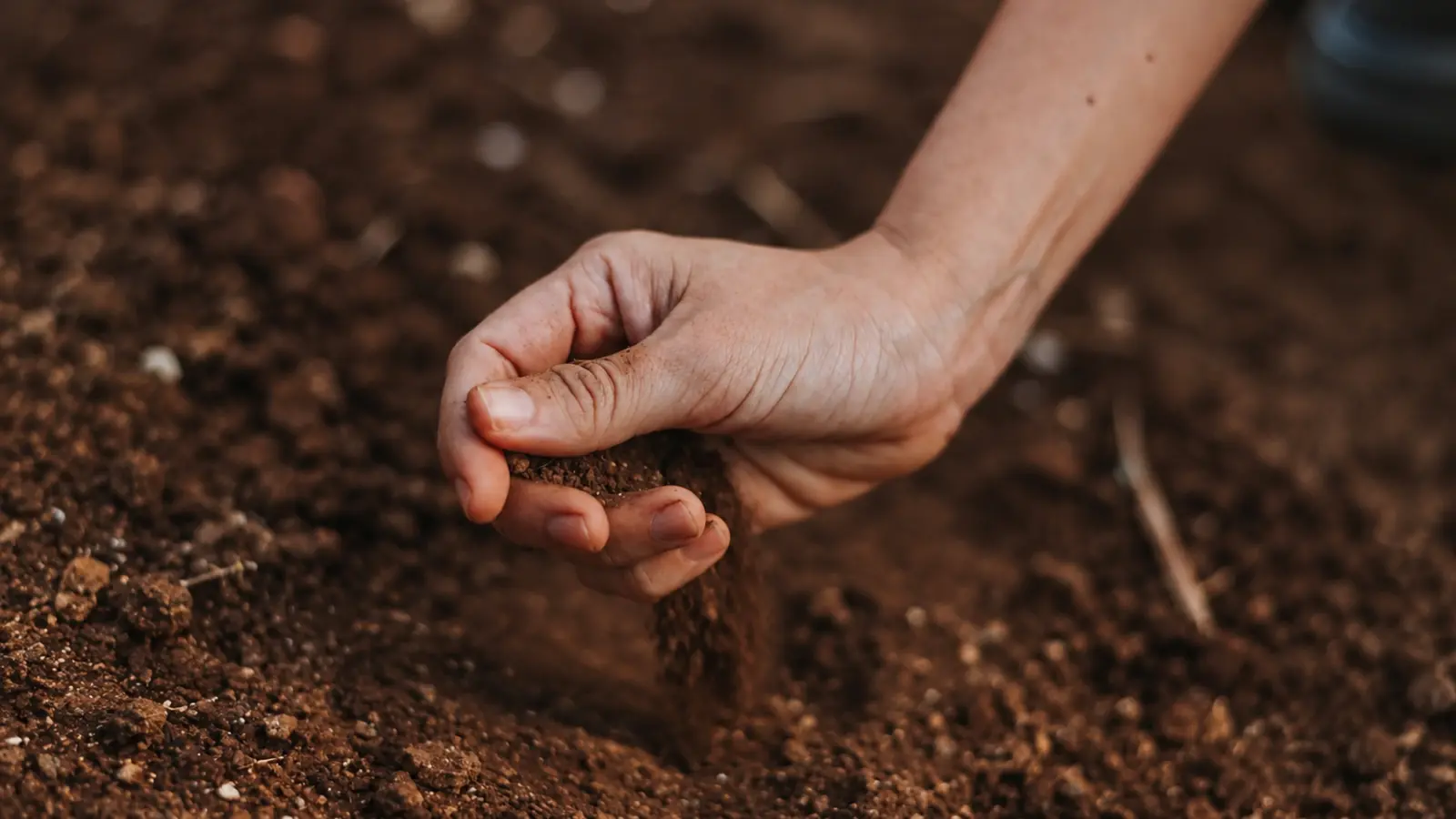
Watering sandy soil well comes down to depth and frequency more than any fixed rule. It often needs attention more often than clay or loam, but a rigid daily schedule can still waste water and push nutrients below the roots. Check moisture a few inches down, where the roots are actually growing, rather than judging by the surface alone.
- Water slowly enough to soak in: a gentle application lets water move into the bed instead of running off a dry, water-repellent surface.
- Check several inches down: use a trowel, finger, or soil probe to confirm water has actually reached the active root zone before deciding you’re done.
- Recheck sooner in stressful weather: heat, wind, small root systems, containers, and new transplants all shorten the time between moisture checks.
- Adjust for mulch and rainfall: a mulched bed can hold moisture noticeably longer than bare sand, while a brief shower may wet only the top inch or so.
Use the plant as one piece of evidence, but don’t wait for repeated wilting to confirm a dry root zone. The most reliable routine pairs a glance at the foliage with an actual check of the soil below the surface.
Fertility and Slow-Release Nutrition
Because nutrients can leach through sandy soil so easily, fertilizing heavily all at once is often wasteful. A soil test should decide whether nutrients are needed at all. When fertilizing does make sense, smaller, timed applications are typically easier for plants to use than one large dose, particularly for crops with a long growing season.
Slow-release or controlled-release fertilizers can help supply nutrients steadily over time, but they aren’t automatically necessary and should be chosen based on the plant, the product label, and your soil-test results. Compost contributes nutrients too, so count it as part of the overall fertility plan instead of layering fertilizer on top without a clear reason.
Good fertility in sandy soil comes down to stewardship: apply what the plants actually need, where roots can reach it, and when leaching losses are least likely. That protects both your garden budget and the water quality beyond your yard.
Plants for Sandy Soil
The plants that do best in sandy soil are usually ones that appreciate sharp drainage or can shrug off periods of lower moisture once they’re established. Beyond that, the right choice still depends on climate, light, rainfall, soil pH, and whether you’re gardening in dry sand or a sandy loam that gets regular irrigation.
Lavender, yarrow, coreopsis, blanket flower, sedum, butterfly weed, many ornamental grasses, and a range of native shrubs can do well in sunny, well-drained sandy sites. Not every species or cultivar suits every yard, and several of these plants dislike winter wetness just as much as they dislike poor drainage, so check a plant’s USDA Hardiness Zone range and moisture preference before committing to it.
For a vegetable garden, sandy loam is usually easier to manage than pure sand, since it holds onto more moisture. Add organic matter, mulch once plants are established, and choose varieties suited to your growing season rather than assuming the soil alone will determine success.
Improve Retention Without Losing Drainage
Sandy soil does not need to become loam to support a productive garden. Its fast drainage and good aeration can be advantages, while limited moisture and nutrient retention can often be managed through gradual additions of appropriate organic matter, consistent surface cover, and irrigation based on conditions in the actual root zone.
Focus on improving the characteristics sandy soil lacks without removing the ones that already work. With suitable plants, careful watering, mulch, and fertility decisions based on real need rather than routine applications, sandy soil can provide a healthy and resilient growing environment.
COMMON QUESTIONS
Before you begin.
How do you improve sandy soil for gardening?
Improve sandy soil by adding finished compost and other suitable organic matter gradually, keeping the surface mulched, and watering according to moisture in the root zone rather than a fixed schedule. These practices help the soil retain more useful water and nutrients while preserving the fast drainage that can make sandy soil valuable for many plants.
What is the best amendment for sandy soil?
Finished compost is one of the most useful amendments for sandy soil because it adds organic matter that improves moisture and nutrient retention. Leaf mold, decomposed plant material, cover crops, and suitable organic mulches can also contribute over time. Choose amendments for a specific need rather than trying to change the soil’s underlying mineral texture.
How often should you water sandy soil?
There is no universal watering schedule because frequency depends on the plants, weather, root depth, rainfall, and mulch. Sandy soil generally dries faster than finer-textured soils, so check moisture several inches below the surface and water when the active root zone begins to dry. Avoid frequent shallow watering that keeps roots concentrated near the surface.
Does sandy soil need more fertilizer?
Not necessarily. Nutrients can leach from sandy soil relatively quickly, but fertilizer should still be based on soil-test results and plant needs. When fertilizer is needed, smaller, appropriately timed applications or a suitable slow-release product may reduce waste compared with applying one large dose.
Can vegetables grow in sandy soil?
Yes. Many vegetables can grow successfully in sandy or sandy-loam soil when moisture and fertility are managed consistently. Adding organic matter, maintaining mulch, monitoring root-zone moisture, and using soil-test-based fertilization can make sandy beds considerably more productive.
What plants grow well in sandy soil?
Plants that prefer good drainage or tolerate periods of lower moisture often perform well in sandy soil. Depending on climate, sunlight, pH, and local conditions, examples can include lavender, yarrow, coreopsis, blanket flower, sedum, butterfly weed, ornamental grasses, and suitable native shrubs. Always match the individual plant’s requirements to the full site rather than soil texture alone.