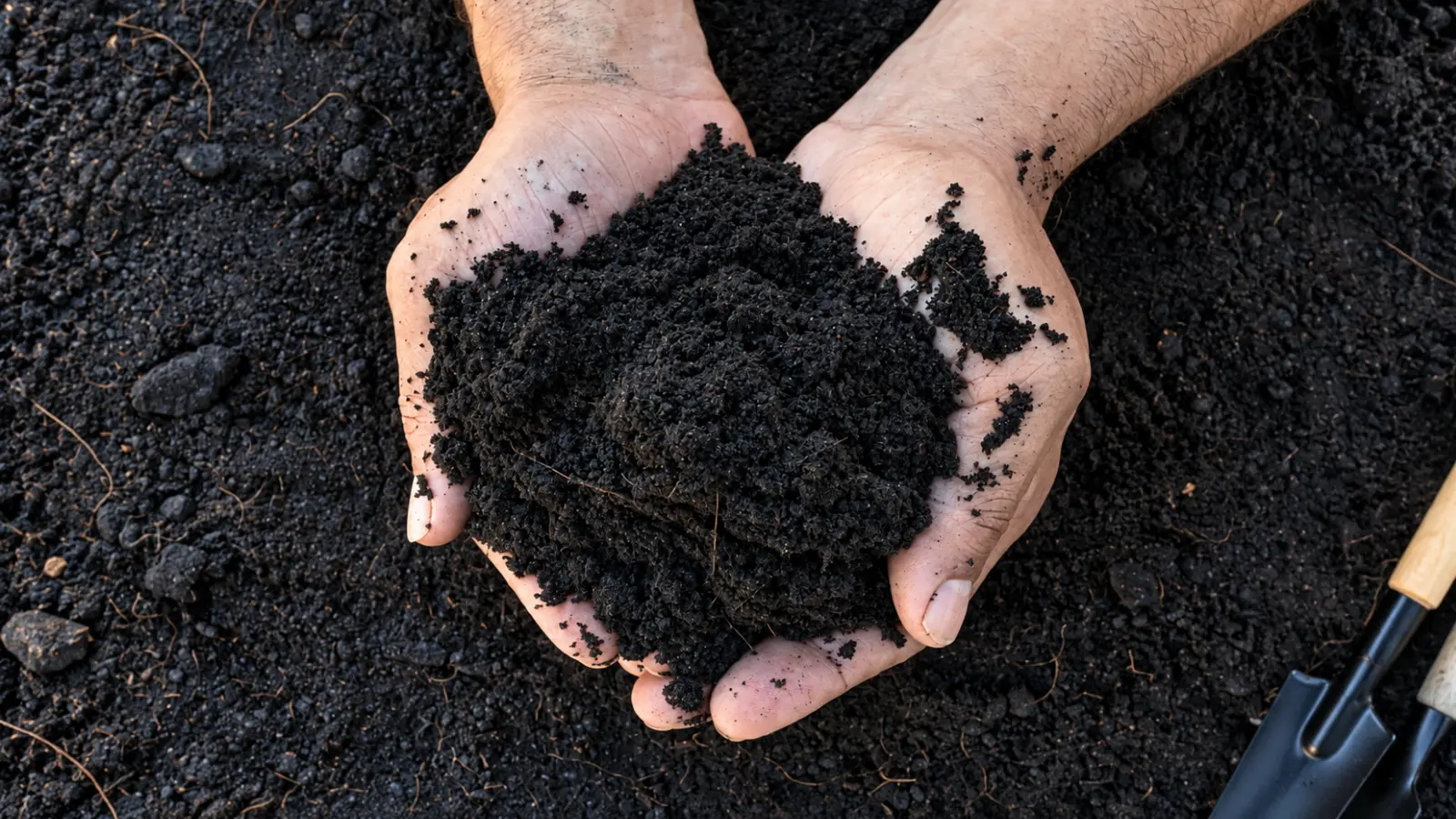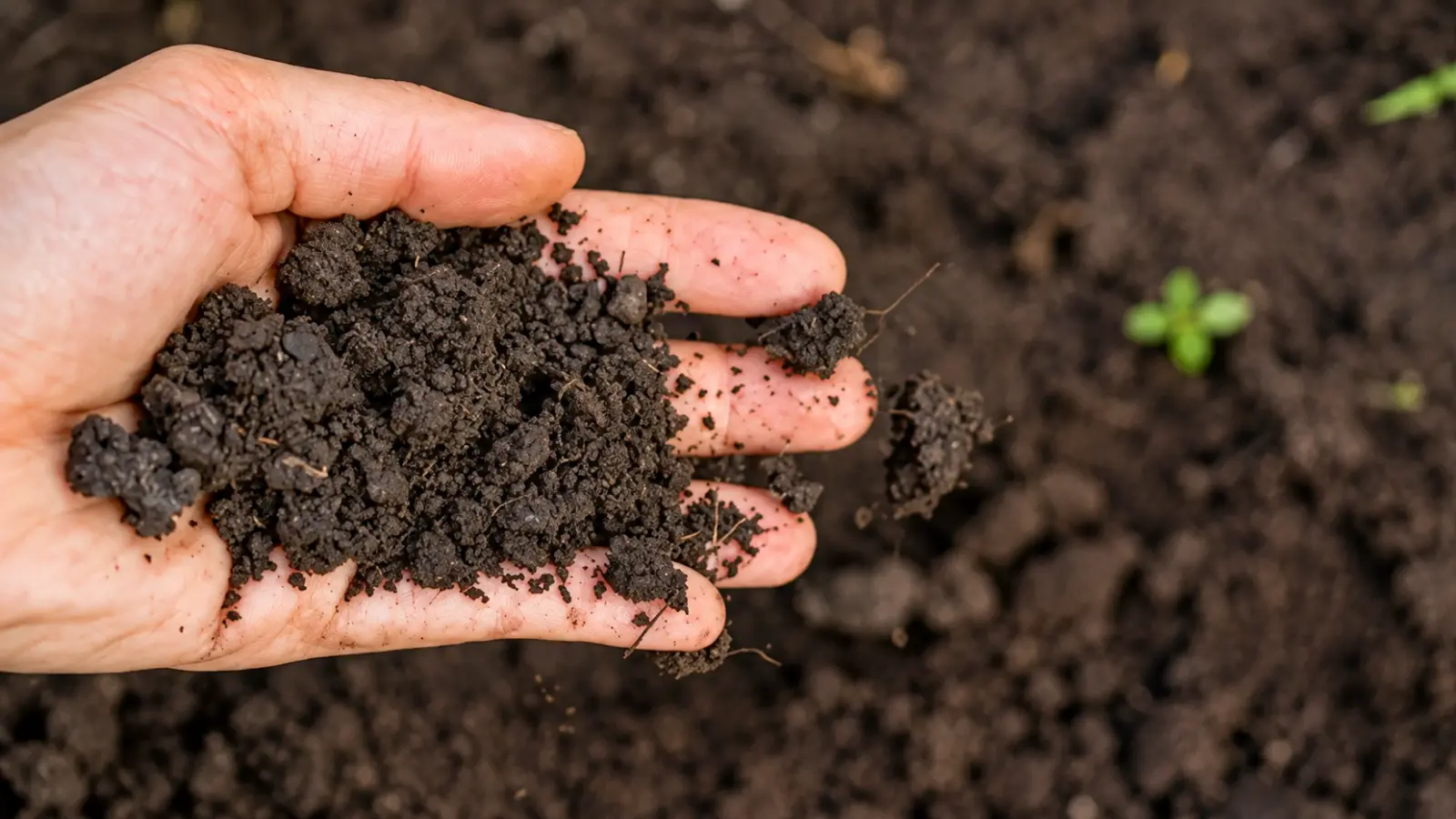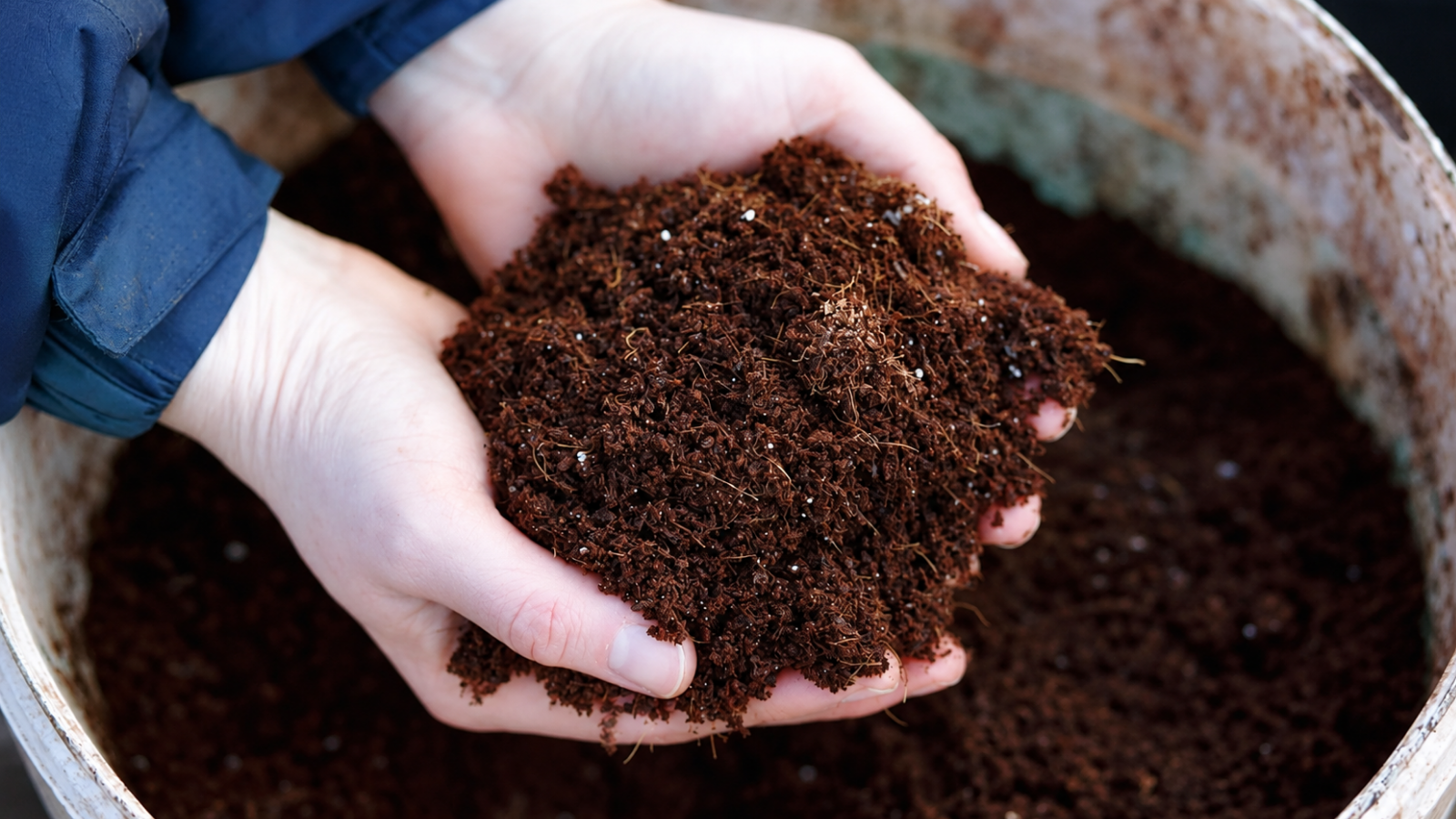
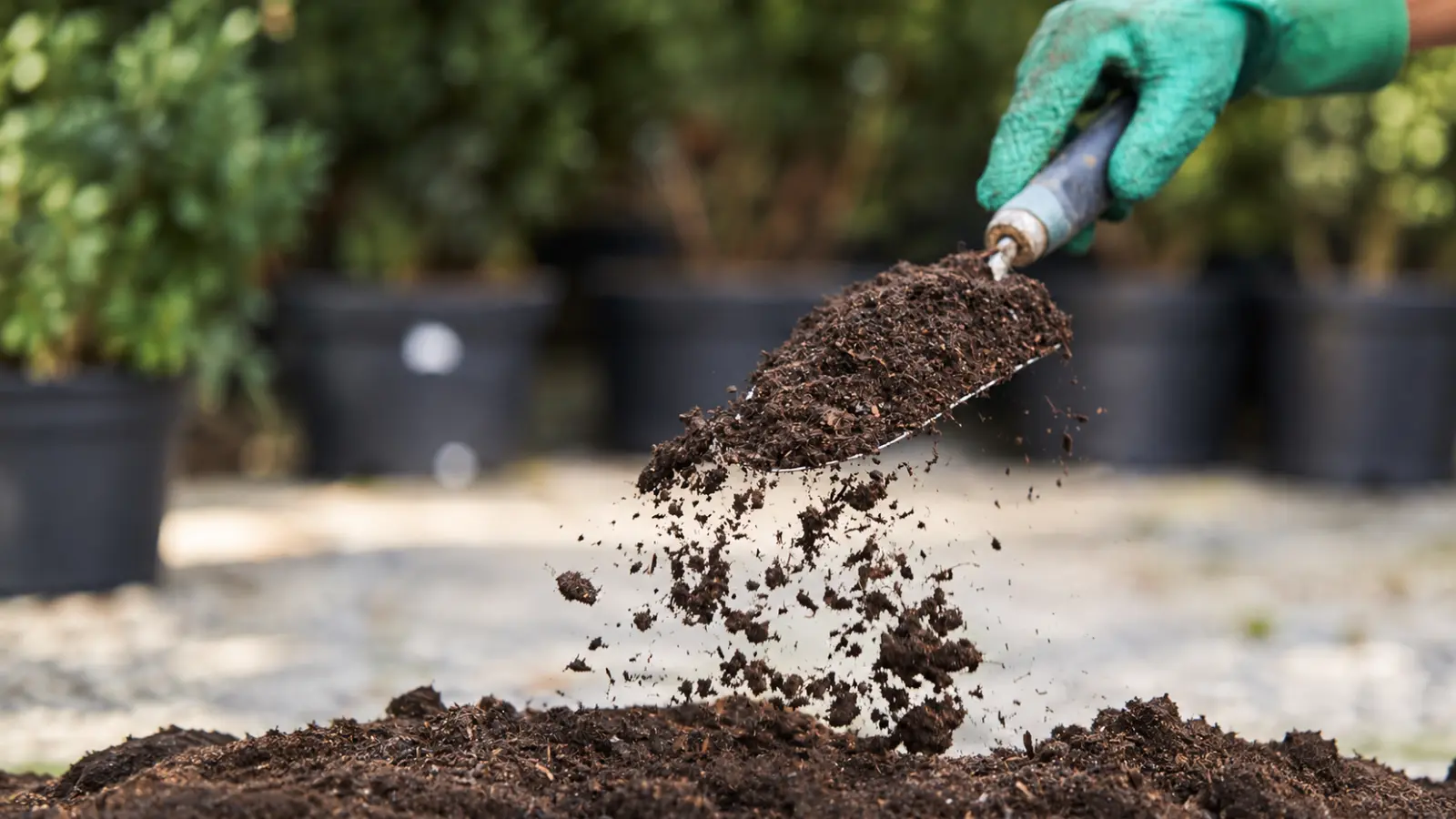
Healthy garden soil is more than dark, loose dirt or a product sold in a bag. It is a functioning root environment where mineral particles, organic matter, air, water and living organisms work together to support drainage, moisture retention, nutrient availability and healthy root growth.
Because soils differ naturally, there is no single recipe for making every garden bed “better.” Sandy, silty and clay-based soils can all support healthy plants when their structure, drainage, fertility and pH fit the site and what you want to grow. The most useful improvements begin by identifying the actual limitation rather than adding amendments automatically.
This guide explains how garden soil works, how to recognize healthy soil, and how texture, structure, organic matter, fertility, drainage, compaction and pH affect plant growth. It also explains when soil testing is worthwhile, how to improve existing soil responsibly and how to prepare a bed for planting without making unnecessary changes.
Healthy Garden Soil at a Glance
Healthy garden soil has a workable balance of mineral particles, organic matter, air, water, and living organisms — roughly 45% minerals, 25% water, 25% air, and 5% organic matter by volume. It drains after rain but does not dry out instantly, lets roots penetrate without hitting a hard layer, and has a pH and nutrient level suited to what you plan to grow. The most reliable path to better soil starts with observation and, when needed, a soil test — then compost, targeted amendments, mulch, and less unnecessary disturbance.
What Is Garden Soil?
Garden soil is the natural growing medium in an in-ground bed or planting area. It is not simply “dirt,” and it is not interchangeable with potting mix or a bag labeled topsoil. Soil develops over time from mineral material, climate, water, plants, animals, microorganisms, and the history of how a site has been used.
At its most useful level, garden soil has five connected parts:
- Mineral particles: sand, silt, and clay form the physical framework of the soil and influence drainage, nutrient storage, and workability.
- Organic matter: decomposing and well-decomposed plant and animal materials help soil hold water and nutrients and support aggregation.
- Water: moisture carries nutrients to roots, but it must share space with air rather than fill every pore continuously.
- Air: roots and soil organisms need oxygen. A soil can be moist and still fail plants if its pore spaces stay saturated or compressed.
- Living organisms: fungi, bacteria, earthworms, and countless smaller creatures break down materials, cycle nutrients, and contribute to soil structure.
In an ideal, well-balanced soil, those components are present in roughly equal proportions by volume: about 45% mineral matter, 25% water, 25% air, and 5% organic matter. Real garden soils vary from this, sometimes significantly, which is why understanding what you have matters before you start making changes.
A word on “organic garden soil”: the label on a bag can indicate that no synthetic inputs were used in production, but it tells you nothing about the texture, drainage, pH, or nutrient profile of what you are buying — or whether it suits your site. Treat “organic” as a sourcing detail, not a performance guarantee.
The goal is not to create one identical soil in every yard. A productive sandy garden soil behaves very differently from a productive clay-based one. What matters is whether the physical and chemical conditions fit your plants and allow roots to function.
What Good Garden Soil Needs
Plants do not need soil to be dark black, fluffy all the time, or perfectly neutral. They need a root zone that functions — one that provides support, moisture, oxygen, and nutrients without creating a persistent barrier to root growth. The table below shows what each key soil factor looks like when it is working, and what to watch for when it is not.
| Soil Factor | What Good Soil Looks Like | Warning Signs | What to Do |
|---|---|---|---|
| Texture | Matches the site and can be managed with organic matter and appropriate plants. | Very fast drying, sticky clods, or consistently poor root growth. | Identify whether sand, silt, or clay dominates before choosing an amendment. |
| Structure | Small aggregates and pore spaces allow water and roots to move through the soil. | Hard crusts, large dense clods, or water pooling on the surface. | Limit traffic, add organic matter thoughtfully, mulch, and never work wet soil. |
| Organic Matter | Present as decomposed material and an active soil food web — not as an endless pile of fresh inputs. | Low resilience, rapid drying, weak aggregation, or poor nutrient holding. | Use finished compost, leaf mold, and mulch to build organic matter gradually. |
| Drainage and Air | Water infiltrates and excess moisture moves away while the root zone stays evenly moist. | Puddling, sour odor, yellowing plants, or roots confined to the surface layer. | Check compaction, grade, and plant choice. Sand alone rarely fixes this. |
| Fertility | Nutrients are available in amounts suited to the crop or ornamental planting. | Repeated poor growth, leaf symptoms, or a cycle of adding fertilizer with no improvement. | Use a soil test and follow its recommendations rather than guessing. |
| pH | Within a range that lets the intended plants access nutrients — typically 6.0 to 7.0 for most gardens. | Nutrient problems despite fertilizer, or plants that consistently fail in one bed. | Test first, then adjust only if the result and plant needs support it. |
A useful soil improvement solves a specific limitation. Adding a material because it is popular can create new problems, especially where nutrients, salts, drainage, or pH are already out of balance.
Signs of Healthy Garden Soil
Healthy soil is easiest to read over a full season, not from one handful. A dark color can suggest organic matter, but it is not a reliable test on its own: some naturally fertile soils are light-colored, and some dark soils drain poorly or are overloaded with nutrients.
Look instead for a combination of useful signals:
- Water enters rather than immediately running off, yet the bed does not stay saturated long after a normal rain.
- Roots spread through the soil instead of turning sideways beneath a compacted layer or clustering near the surface.
- The soil is crumbly and aggregated when appropriately moist, rather than powdery when dry and brick-like when wet.
- Plants make growth consistent with their season and species, without needing constant rescue fertilizer or repeated correction.
- Earthworms and other soil life may be present, though their absence in a single spadeful does not prove a soil is unhealthy.
- Mulch and plant residues break down gradually, showing biological activity — without being mistaken for a guarantee that every nutrient need is met.
These observations provide a working picture, but they do not replace a soil test when you are deciding whether to add lime, sulfur, fertilizer, or a large amount of compost. The closer a change is to permanent or difficult to undo, the more valuable a test becomes before you act.
Soil Texture and Soil Structure
Texture and structure are related, but they are not the same thing, and mixing them up leads to a lot of wasted amendment. Soil texture is the proportion of sand, silt, and clay particles. It changes very slowly in an existing bed. Soil structure is how those particles group together and leave pore spaces between them. Structure can improve or degrade through organic matter, roots, compaction, cultivation, and weather.
Texture: Sand, Silt, Clay, and Loam
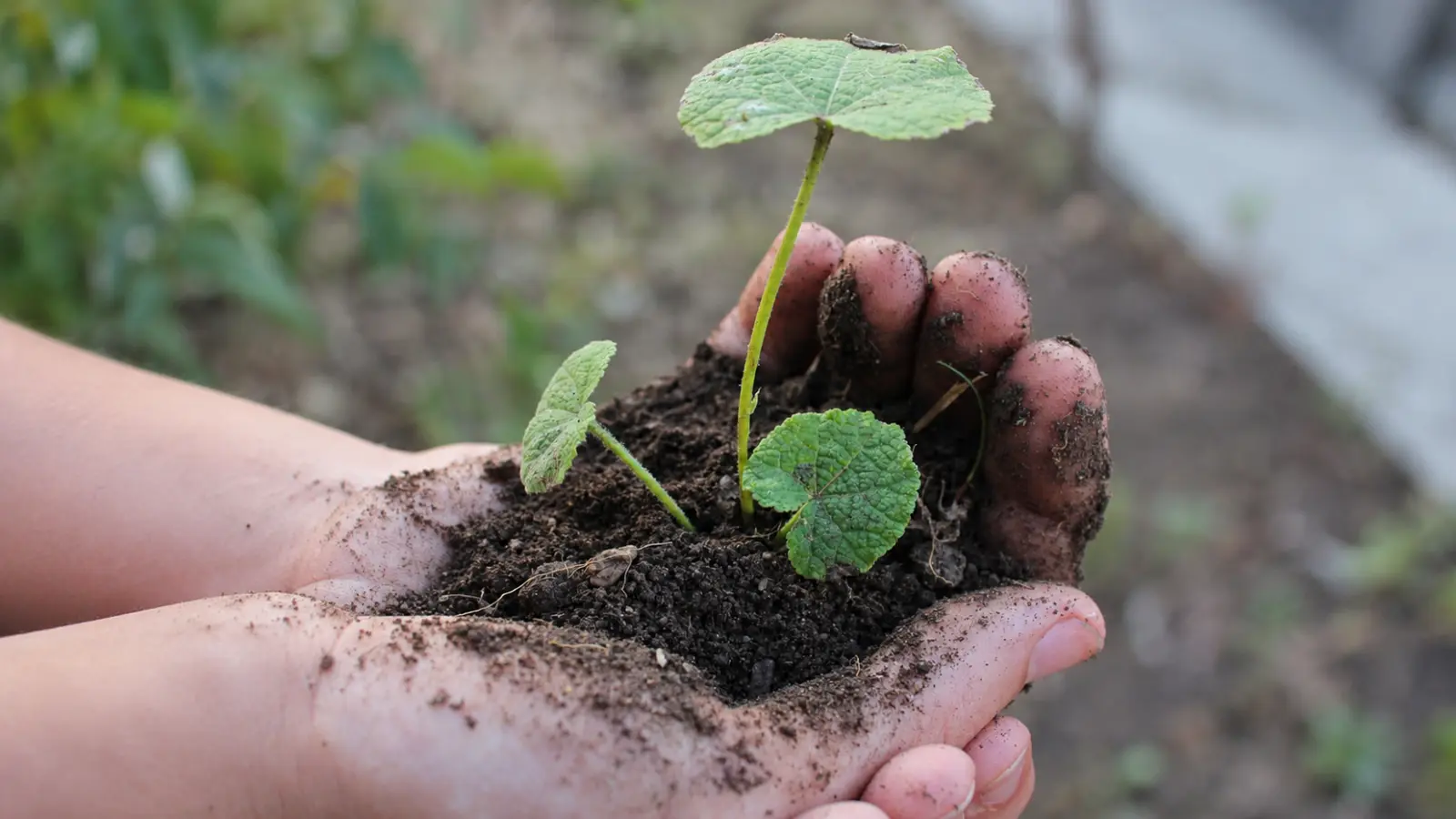
Sandy soil has larger particles and larger pores, so water tends to move through quickly. Clay soil has very small particles, can hold substantial water and nutrients, and may drain slowly or become hard to work when compacted. Silt falls between them — often fertile, but prone to crusting or erosion when exposed. Loam is a balanced texture class with useful proportions of all three. It is a description of the soil, not something that comes in a bag, and it is no guarantee that no management is needed.
Your soil may be a blend rather than a pure type. The Types of Soil guide covers the practical differences between each, while Soil Texture explains how the hand-feel and jar tests relate to the soil texture triangle.
Structure: The Part Gardeners Can Protect
Well-structured soil contains aggregates — small clusters of particles held together by roots, organic matter, fungi, and other natural processes. The spaces between those clusters let water infiltrate and roots exchange gases. Repeated traffic, aggressive tilling, working soil when it is wet, and leaving it bare can damage that arrangement surprisingly fast.
You cannot turn a clay soil into a sandy soil by adding a few bags of sand — and trying often makes things worse. When sand particles mix into clay, the fine clay tends to fill the spaces between them, creating a denser, harder combination. University extension research from Illinois, Washington State, and elsewhere consistently shows that it takes adding sand at a 1:1 ratio by volume to meaningfully change clay soil’s drainage — far more than any routine garden amendment involves. Build better structure instead, then choose plants and bed systems that respect the site you actually have.
Fertility, Organic Matter, and Soil Life
Soil fertility is the soil’s ability to provide nutrients in usable amounts. It is not the same as adding fertilizer, and it is not measured by how dark the soil looks. Nutrient availability depends on organic matter, mineral content, pH, moisture, soil biology, and the needs of the plants you are growing.
Organic matter plays several roles at once. In sandy soils, it improves water and nutrient holding. In clay soils, it supports aggregation, drainage, and aeration. It also feeds the organisms that process residues and help cycle nutrients. Most extension services recommend keeping organic matter above roughly 5% by volume — a level that supports productive soil biology without tipping into excess. Finished compost, leaf mold, and well-managed mulch are the most practical ways to build toward and maintain that range.
More is not always better. Heavy, repeated applications of compost or manure have been shown to contribute excess phosphorus, salts, and nutrient imbalances in home gardens — a pattern documented in research from Oregon State University and others. Treat compost as a valuable amendment, not a material that can be added without limit. For the full nutrient-and-biology picture, see Soil Fertility and What Is Compost?.
Drainage, Air, and Compaction
Drainage is not simply about getting rid of water. The real question is whether moisture moves through the root zone at a rate that suits the plants while enough remains available between rain or watering. Poor drainage can come from clay texture, compaction, a hardpan layer beneath the surface, site grading, a high water table, or a bed that collects runoff from surrounding areas.
Compaction happens when particles are pressed together and the large pore spaces between them collapse. It is common in new construction sites, along paths, in beds stepped on during maintenance, and wherever wet soil is cultivated or driven over. Roots may struggle to penetrate compacted soil even when fertilizer and water are plentiful — the physical resistance is the problem, not the chemistry.
Start by observing where water collects and how deeply a trowel or spade enters the soil without resistance. Keep paths separate from planting areas, avoid working any bed when a squeezed handful stays shiny and sticky, maintain a mulch layer, and use deep-rooted plants or careful loosening methods where compaction is already established. Soil Drainage and Soil Compaction cover diagnosis and correction in more detail.
Soil pH and Nutrient Availability
Soil pH measures how acidic or alkaline the soil is. It matters because pH affects how available many nutrients are to plant roots. A bed can contain plenty of nutrients on paper while plants still struggle to absorb them when the pH is outside their preferred range — fertilizer cannot fix that problem on its own.
For most vegetables and common ornamental plants, the useful target range is roughly 6.0 to 7.0 (slightly acidic to near-neutral), where the broadest range of nutrients remain accessible. But there is no single ideal number for every garden or every plant. Blueberries, azaleas, and rhododendrons need much more acidic conditions, typically 4.5 to 5.5. Native plants may be adapted to local soils that fall outside the standard vegetable range. And regional soils vary widely: in much of the Southeast and Pacific Northwest, naturally acidic soils often need lime; in arid Western regions, alkaline soils above pH 7.5 are common and require a different approach entirely.
Do not try to adjust pH based on a general recipe or an internet shortcut. Soil texture and buffering capacity affect how readily pH changes, and materials such as lime or elemental sulfur work gradually over weeks to months. Start with Soil Testing, then use the test recommendation and your plants’ actual needs as the guide. The follow-up reading is Soil pH, How to Lower Soil pH, and How to Raise Soil pH.
Why a Soil Test Comes Before Major Changes
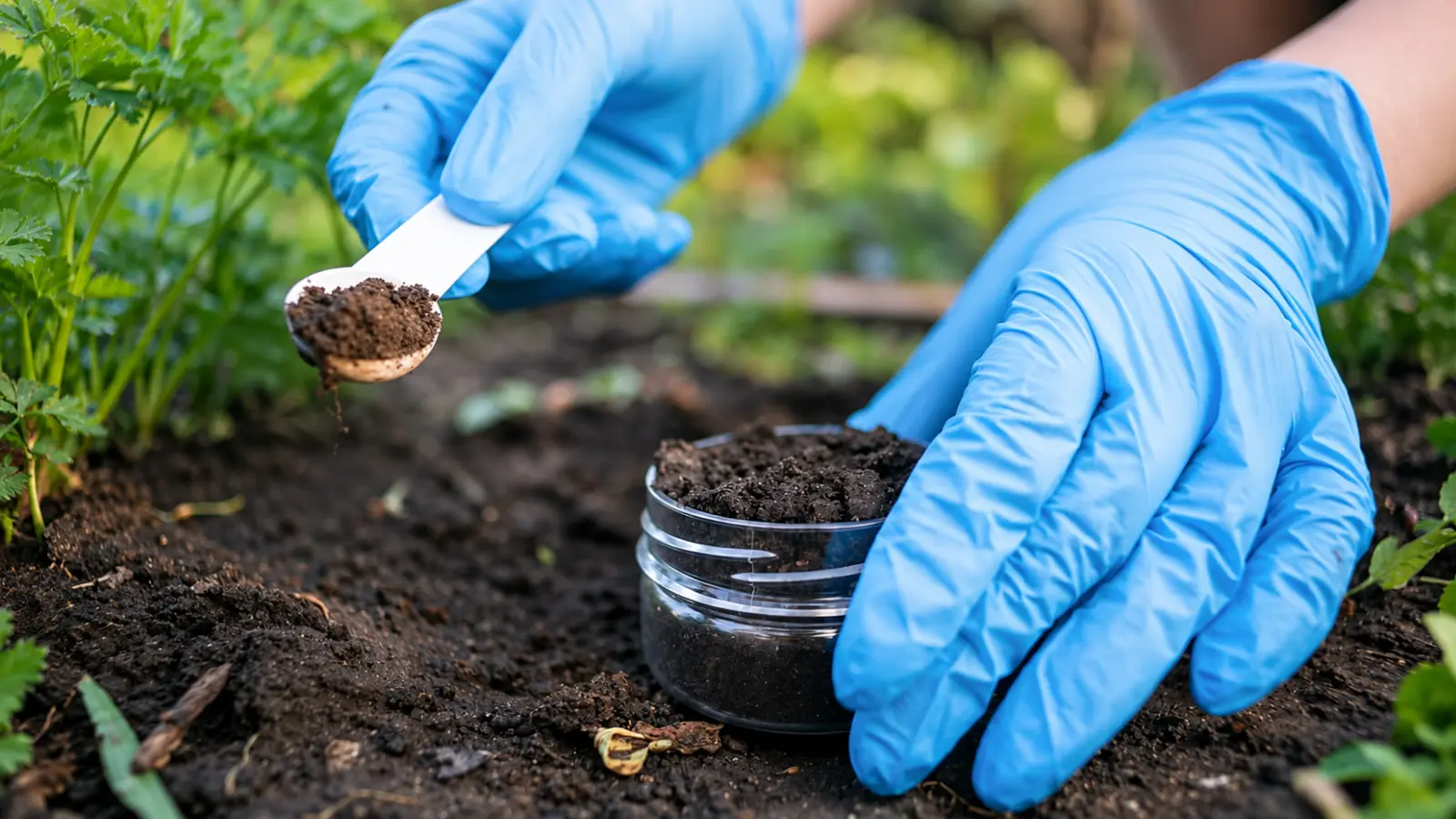
A soil test turns a vague concern into a usable decision. For most home gardens, a laboratory test through your state Cooperative Extension service or another reputable lab provides pH, nutrient levels, and specific recommendations for lime and fertilizer — tailored to what you plan to grow. Many tests also report organic matter content and estimated texture, which makes it easier to prioritize improvements.
Collect samples from areas with the same history and intended use. A vegetable bed, a lawn, and an ornamental border should each get their own sample. Avoid sampling immediately after applying fertilizer or amendments, and follow the laboratory’s instructions for depth, timing, and handling. For most ornamental and lawn areas, testing every two to three years is sufficient once soil is in good shape. Vegetable gardens benefit from more frequent checks — every one to two years — especially when you are making active corrections or growing crops with higher nutrient demands.
Home pH kits can be useful for a quick read, but they do not replace a full lab analysis when a garden has persistent problems or you are planning a substantial correction. A test is particularly worthwhile before applying lime, sulfur, high-analysis fertilizer, or large repeated compost applications — any of which can create new imbalances if applied without knowing your starting point.
How to Improve Existing Garden Soil
The best improvement depends on the actual limitation. A sandy bed that dries out in two days and a clay bed that puddles after rain need different management — and what works well for one can make the other worse. Start with the problem, then choose the smallest effective change.
Build Organic Matter Gradually
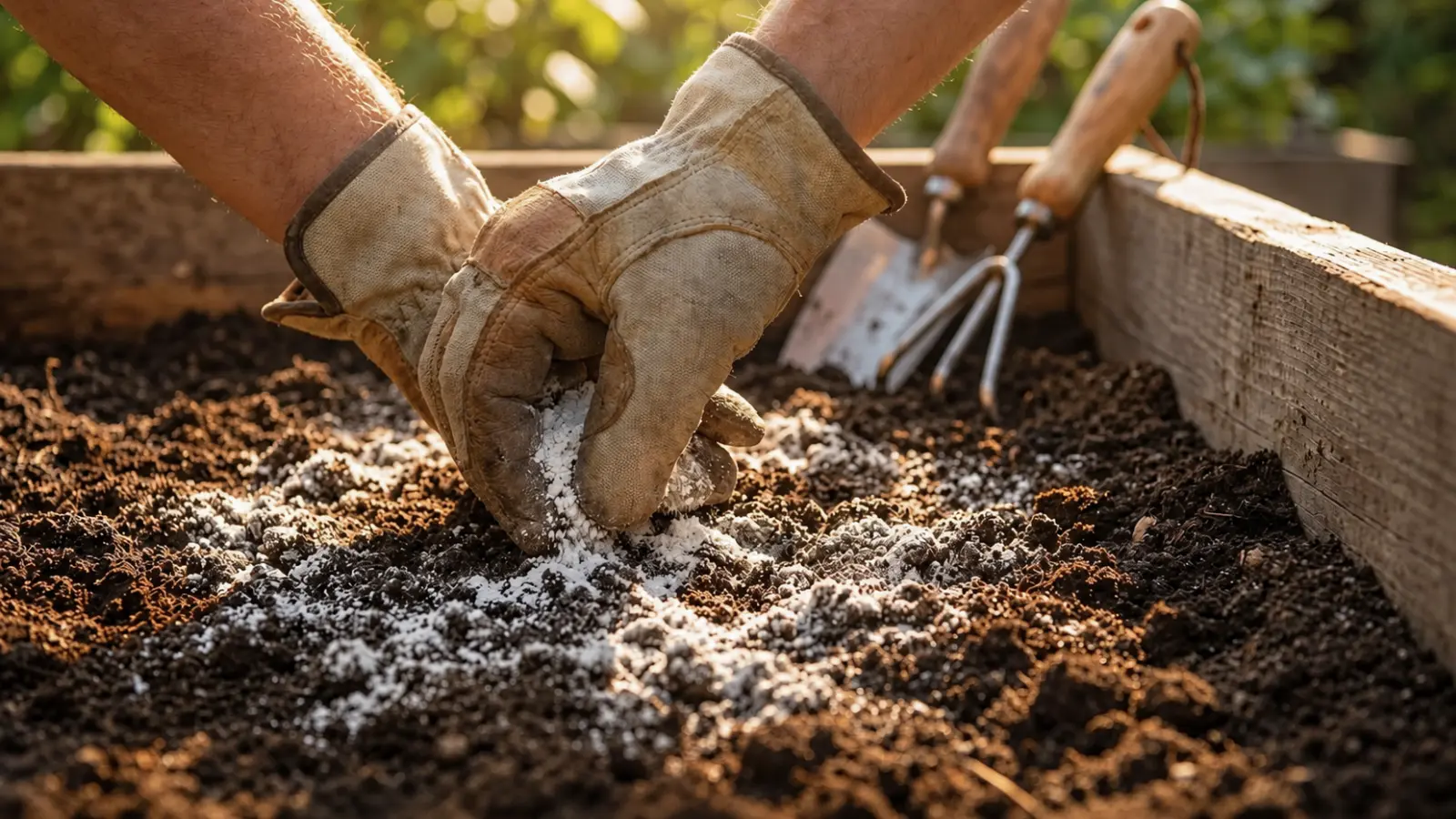
Finished compost can be spread over the bed and incorporated lightly when you are preparing a new planting area, or used as a surface topdressing around established plants. Shredded leaves, leaf mold, and appropriate organic mulches also protect soil from rain impact and temperature swings while adding organic material over time.
Use compost that is mature and fully finished. Fresh or unfinished materials can temporarily tie up nitrogen or create uneven moisture conditions as they continue to decompose. Cover crops — legumes like clover or winter peas, or grasses like winter rye — are worth considering in vegetable beds between seasons: legume species fix nitrogen from the air and return it to the soil when turned in, while any cover crop adds organic matter and protects bare soil from erosion and compaction. The guide to How to Use Compost in the Garden explains where and how to apply finished compost without using it as a substitute for actual diagnosis.
Choose Amendments for a Clear Reason
Soil amendments change a physical or chemical property of the soil. Compost may improve organic matter and structure; perlite is primarily useful in container mixes; lime raises pH; and gypsum, despite its reputation, is not a universal fix for clay soil — it helps in specific situations involving sodium-affected or highly alkaline soils, not clay drainage in general. Each amendment belongs to a different decision.
Before buying anything, name the problem it is meant to solve, consider whether a soil test is needed, and ask whether a plant choice, drainage adjustment, mulch, or a raised bed would address the issue more directly. Use Soil Amendments for a material-by-material comparison.
Protect the Soil You Improve
Healthy soil is far easier to maintain than to rebuild. Cover bare ground with mulch or living plants whenever practical, keep foot traffic off planting beds, and leave roots in the soil after harvest where their decay will not interfere with the next crop. These habits work slowly — but that steadiness is part of their value. They improve the growing environment without forcing a dramatic change the site cannot sustain.
Garden Soil Preparation Before Planting
Soil preparation should make a planting area ready for roots, not turn every bed into a deeply tilled project. The right approach depends on soil moisture, the season, and whether you are creating a new bed or refreshing an established one.
- Observe the site: note sunlight, drainage, slope, nearby roots, and where water moves after rain.
- Test when the result could change your plan: this is especially important for food gardens, persistent plant problems, or any significant pH and fertilizer decision.
- Remove only what needs removing: clear weeds or debris in a way that fits the planting plan, while avoiding unnecessary disturbance of the soil beneath.
- Add targeted organic matter or amendments: use the identified need — not a fixed recipe — to decide what belongs in the bed.
- Work only when soil is workable: if it is wet enough to smear, shine, or form dense clods, wait for it to drain before digging or cultivating.
- Level, plant, and mulch: leave room for water to enter, set plants at the correct depth, and protect exposed soil immediately after planting.
Preparation works best when it leads directly into a planting plan suited to the site. For the complete task-by-task process, use How to Prepare Soil for Planting.
Common Garden Soil Mistakes
Many soil problems become harder to solve because the first response is too broad. These are the habits most worth avoiding:
- Adding fertilizer before checking the cause: yellow leaves, weak growth, and poor flowering can come from light, water, root damage, pH, pests, or temperature — not only from nutrient deficiency.
- Trying to fix clay soil with sand: small additions of sand do not meaningfully change clay soil’s drainage and can create a denser, harder mix. Build structure with organic matter and choose plants suited to the site.
- Working wet soil: digging, tilling, or walking on wet beds destroys pore spaces and creates compaction that can persist for more than one season.
- Using garden soil in containers: in-ground soil is generally too dense for pots and does not behave like a purpose-made potting mix. Keep them separate.
- Assuming every dark material is finished compost: unfinished compost, fresh manure, and unverified bulk materials may need different handling and are not ready for every use.
- Adjusting pH from internet shortcuts: coffee grounds, eggshells, pine needles, and wood ash are not reliable substitutes for a soil test and a measured plan — their effect on soil pH is minimal or inconsistent in most garden situations.
The lesson that runs through all of these is straightforward: observe first, diagnose the actual limitation, and change one thing at a time for a reason you can name. Garden soil responds best to steady, informed management — not a collection of emergency fixes layered on top of each other.
Improve the Soil You Have for a Reason
Healthy garden soil is not one universal texture, color or recipe. What matters is whether roots have enough air, water and nutrients, whether excess moisture can move away and whether the soil’s physical and chemical conditions suit the plants growing there.
Observe first, test when the answer could change your decision and make the smallest improvement that addresses the actual limitation. Over time, protecting structure, adding organic matter appropriately and avoiding unnecessary disturbance will usually accomplish more than repeatedly trying to rebuild the soil from scratch.
COMMON QUESTIONS
Before you begin.
What is garden soil?
Garden soil is the natural growing medium found in an in-ground bed or planting area. It contains mineral particles, organic matter, water, air and living organisms that together create the environment where roots grow. It is different from potting mix, compost or a bagged product labeled topsoil, and its characteristics vary according to texture, climate, drainage and the history of the site.
What makes good garden soil?
Good garden soil provides roots with a workable balance of moisture, oxygen, nutrients and physical support without staying waterlogged or becoming excessively compacted. Healthy soil generally allows water to infiltrate, lets roots penetrate freely and has a pH and nutrient level appropriate for the plants being grown. There is no single ideal texture or appearance that every productive garden soil must have.
How can I improve garden soil?
Start by identifying what is actually limiting the soil rather than adding amendments automatically. Finished compost, leaf mold, organic mulch, reduced foot traffic and keeping soil covered can gradually improve structure and organic matter, while drainage, pH or nutrient problems may require more targeted solutions. When a major correction is being considered, a soil test should guide what—and how much—you add.
Should I test my garden soil before adding fertilizer or amendments?
A soil test is especially useful before applying lime, sulfur, concentrated fertilizer or large repeated amounts of compost. Laboratory testing can reveal pH, nutrient levels and other information that helps distinguish a true soil deficiency from problems caused by drainage, compaction or unsuitable growing conditions. Testing first reduces the risk of creating excess nutrients, salts or an unnecessary pH change.
How do you improve clay or sandy garden soil?
Clay and sandy soils need different management because their physical properties are different. Organic matter can help sandy soil retain more moisture and nutrients, while in clay soil it can support aggregation and improve the pore structure that allows air and water to move more effectively. Avoid trying to fix clay soil with small amounts of sand, and focus instead on protecting structure, preventing compaction and choosing improvements that address the site’s specific limitations.
What is the difference between garden soil, compost and potting mix?
Garden soil is the complete in-ground growing environment, while compost is decomposed organic material used as an amendment to improve soil. Potting mix is formulated specifically for containers, where roots need a lighter medium with different drainage and aeration characteristics than ordinary ground soil provides. Compost can improve garden soil, but it does not replace it, and garden soil generally should not be used as the primary growing medium in containers.