A pollinator garden is more than a collection of flowers that attract bees or butterflies. A functioning habitat provides food across the growing season along with shelter, nesting resources, water and safer conditions for several kinds of pollinators, including bees, butterflies, moths and hummingbirds.
You do not need a large property to create one. A sunny border, small backyard bed, group of containers or converted section of lawn can become valuable habitat when the plants match your region, soil, sunlight and moisture conditions.
This guide explains how to create a pollinator garden, from choosing flowers and planning bloom succession to providing nesting habitat, shelter and water, reducing pesticide risks, designing the layout and maintaining the garden through the seasons.
What Is a Pollinator Garden?
A pollinator garden is a planted space that offers resources to animals that transfer pollen between flowers. In a residential garden, those visitors may include native bees, honey bees, butterflies, moths, flower flies, beetles, and hummingbirds.
The purpose is broader than attracting bees to one group of flowers. Different pollinators have different body sizes, feeding structures, activity periods, and nesting needs. A garden that supports several groups uses a range of plant heights, flower forms, bloom times, and habitat features.
Pollinator gardens can be ornamental, edible, naturalistic, or highly structured. A vegetable garden with flowering herbs, a native plant border, and a container display on a balcony can all function as pollinator habitat when the plants and conditions are right.
Which Pollinators Can a Garden Support?
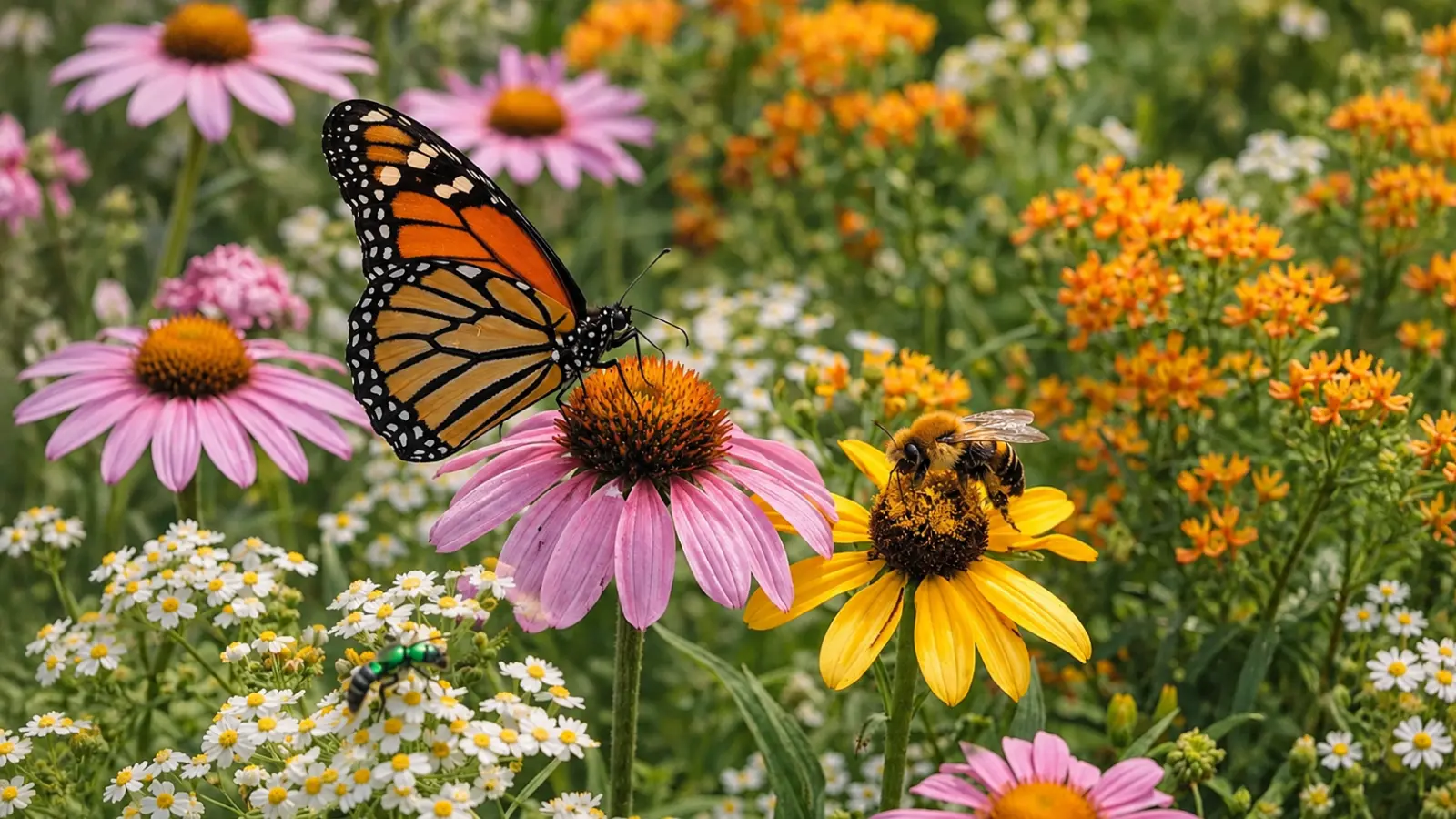
Bees
Bees are among the most important garden pollinators, and the diversity in North America alone is remarkable — roughly 4,000 native bee species live in the United States, most of them solitary and ground-nesting. Bumble bees, small mining bees, leafcutter bees, mason bees, and sweat bees vary widely in size, behavior, and what they need from a garden. Honey bees, by contrast, are not native to North America; they were introduced from Europe in the 1600s.
About 70% of native bees nest in the ground, digging tunnels in bare or lightly vegetated, well-drained soil. The remaining 30% use hollow plant stems, tunnels in decaying wood, or other natural cavities. Understanding this changes how you design and maintain the garden — covering every surface with landscape fabric or thick mulch cuts off nesting access for the majority of native species.
Butterflies
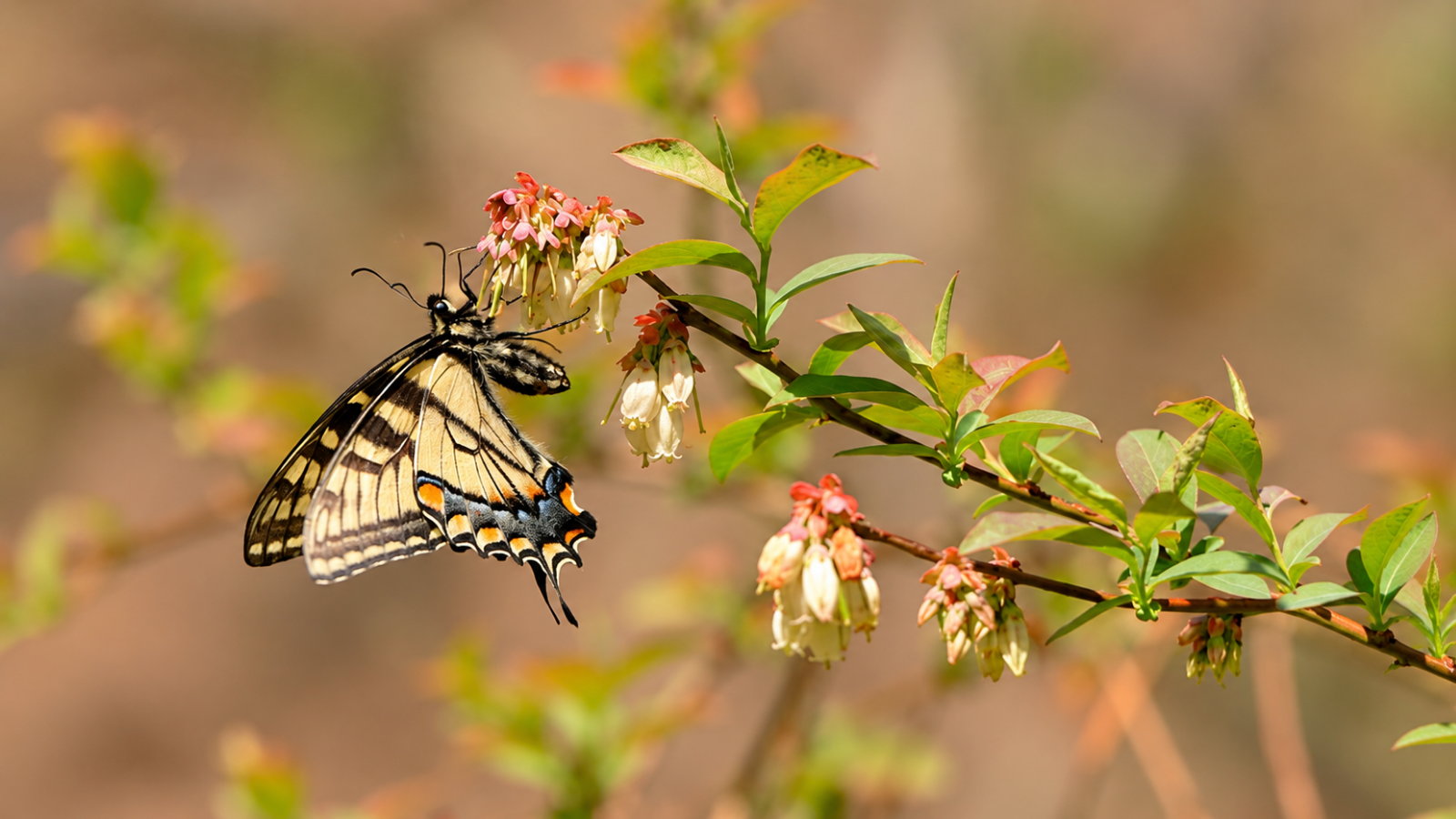
Butterflies use nectar flowers as adults, but their caterpillars often need specific host plants to develop. A pollinator garden can support butterflies, though a dedicated butterfly garden places more emphasis on the complete butterfly life cycle and host plant selection.
To support both adults and caterpillars, include nectar plants alongside regionally appropriate host plants. Some leaf damage from feeding caterpillars is expected and welcome — it means the habitat is working.
Moths
Moths are often active at dusk or overnight, so a pollinator garden shouldn’t be planned only around daytime visitors. Many moth species are also important pollinators, and their caterpillars often feed on native trees, shrubs, and herbaceous plants that support the broader food web.
Fragrant pale or white flowers that open in the evening, native shrubs and trees, and reduced outdoor lighting can all make the space more useful to moths. Leaving some leaf litter and standing stems through winter provides shelter during part of their development.
Hummingbirds
Hummingbirds are not insects, but they are important pollinators for particular flower types. In the regions where they occur — which includes much of the US during migration and the western states and Southeast year-round for some species — tubular red, orange, and pink flowers, nearby perches, shelter, and a reliable sequence of bloom can make a garden consistently attractive to them.
Don’t rely on feeders as a substitute for habitat. Plants provide nectar alongside cover, insects for protein, and nesting materials that feeders simply can’t replicate.
Why Native Plants Matter
Native plants developed within the climate, soils, and ecological relationships of a particular region. They provide nectar and pollen to local pollinators, and native trees and shrubs often serve as host plants for caterpillars and moth larvae that have evolved alongside them over thousands of years. Research has found that native plants can support greater insect abundance and diversity than non-native plants, while pollinator preferences vary by plant species and pollinator group.
“Native” doesn’t mean universally suitable. A plant native to one part of the United States may not belong in another region, and a plant adapted to moist lowland soil may fail in a dry urban lot. Check regional plant recommendations from a university Extension Service, botanical institution, local native-plant society, or a conservation organization like the Xerces Society or the National Wildlife Federation.
Non-native ornamental plants can sometimes provide useful nectar, especially during a seasonal gap, but they should be evaluated carefully. A plant’s beauty or popularity doesn’t prove it supports local pollinators, and some species can spread aggressively or become invasive outside cultivation. Always check your state’s invasive plant list before buying.
Choosing Flowers and Flower Shapes
A pollinator-friendly garden benefits from variety. Different flower shapes serve different visitors, and a continuous mix is more useful than a bed where every plant has the same form.
Flat and Open Flowers
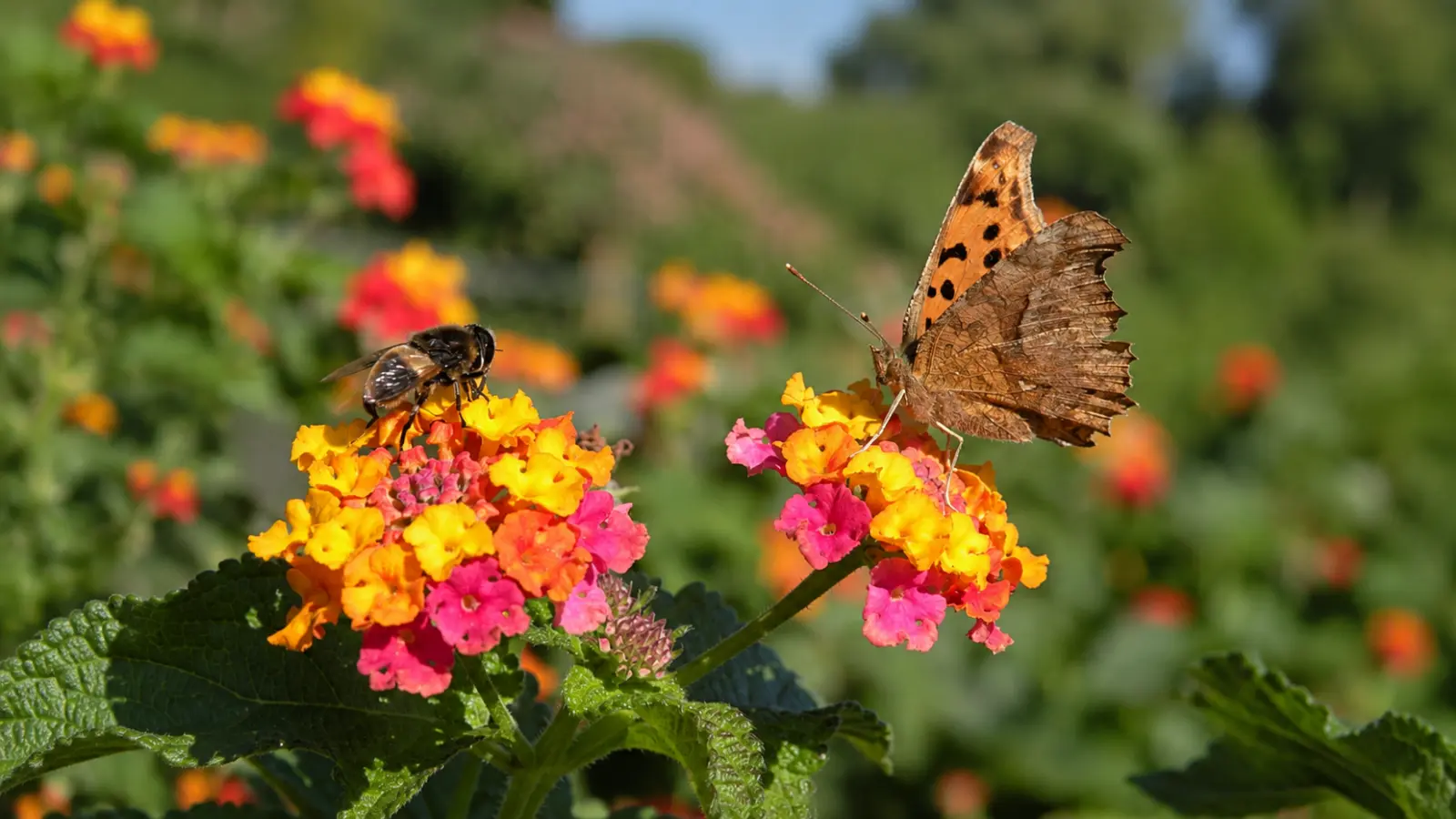
Flat-topped clusters and open, daisy-like flowers provide easy landing surfaces and make pollen and nectar accessible to many short-tongued insects. They’re often visited by small native bees, flower flies, butterflies, and beetles — a wide range of visitors that a more specialized flower might not serve. Coneflowers, black-eyed Susans, and native asters are good examples.
Tubular Flowers
Tubular flowers suit hummingbirds, butterflies with longer mouthparts, and some larger bees. Flower length and opening size determine which visitors can actually feed successfully, so a range of tubular plants with different dimensions broadens the range of visitors.
Small Clustered Flowers
Clusters of small flowers attract a wide range of insects and create a stronger visual and scent signal than isolated blooms. Plants in the carrot family (like golden alexanders and rattlesnake master), the mint family (mountain mint, bee balm, anise hyssop), and the aster family often provide particularly useful examples, though the best species depend on your region and site conditions.
Fragrant Evening Flowers
Fragrance is especially useful for moths and other nighttime visitors. Place strongly scented flowers near a path, seating area, or open window where their evening presence can be appreciated without resorting to bright outdoor lighting, which disrupts nocturnal pollinators.
When possible, choose simple flower forms rather than highly modified cultivars with dense layers of extra petals. Double flowers often convert the reproductive parts of the flower into petals, blocking access to nectar and pollen — sometimes entirely. If you can’t see the center of a flower clearly, most pollinators can’t reach it either.
Planning Bloom Succession
One of the most common weaknesses in a pollinator garden is a short flowering season. A large display in early summer may look impressive, but pollinators need food before and after that peak, and the early weeks of spring can be the most critical — many native bees emerge from overwintering before most garden plants are in bloom.
Early-Season Resources
Early-blooming native shrubs, spring perennials, bulbs, and flowering trees can provide some of the first available pollen and nectar of the year. Willows, serviceberry, redbud, golden alexanders, and wild columbine are examples worth exploring in regions where they’re appropriate. Select plants that are genuinely hardy in your area and suited to the actual moisture and light of the site — not just early-blooming in the abstract.
Midseason Resources
Summer usually offers the widest selection of flowers, but plantings can still have gaps between bloom periods. Combine plants with different flowering schedules, and include several species rather than depending on one large mass of a single cultivar that blooms and finishes together.
Late-Season Resources
Native asters, goldenrods, Joe-Pye weed, ironweed, and other late-blooming perennials are among the most important plants in the garden because they support pollinators when very little else is available. For monarchs fueling up for migration and for local bees building up fat reserves before winter, a garden that keeps blooming into October can make a meaningful difference.
Record when plants bloom in your own garden. Nursery labels and regional guides offer useful starting points, but local weather, latitude, cultivar, and microclimate can shift flowering by several weeks. A simple notebook or phone note is more reliable than any generalized calendar.
Sun, Soil and Water
Many flowering plants for pollinators perform best in full sun — at least six hours of direct light daily. Sunlight also gives butterflies and other cold-sensitive visitors warm surfaces to bask and become active, which matters as much as the plant selection itself.
Some native plants and host plants prefer partial shade, so a pollinator garden doesn’t need to be entirely exposed. Observe the light at different times of day and account for seasonal changes caused by trees, buildings, and fences — a bed that gets full sun in April may be deeply shaded by July once nearby trees leaf out.
Match plants to soil drainage and moisture rather than trying to make every part of the garden identical. Dry-site plants such as butterfly weed and lavender will decline in heavy wet soil, while moisture-loving plants like swamp milkweed and cardinal flower will struggle in a raised or sandy bed. Working with the site as it is, rather than against it, produces more resilient plants and less maintenance.
Pollinators need water, but most insects — including bees and butterflies — can’t land on open water to drink. They need a stable surface to stand on. A shallow dish with flat stones or gravel just above the water line, or a consistently damp area of bare soil, gives them safe access. Keep it clean and placed where runoff from treated lawn or fertilized beds won’t reach it.
Shelter and Nesting Habitat
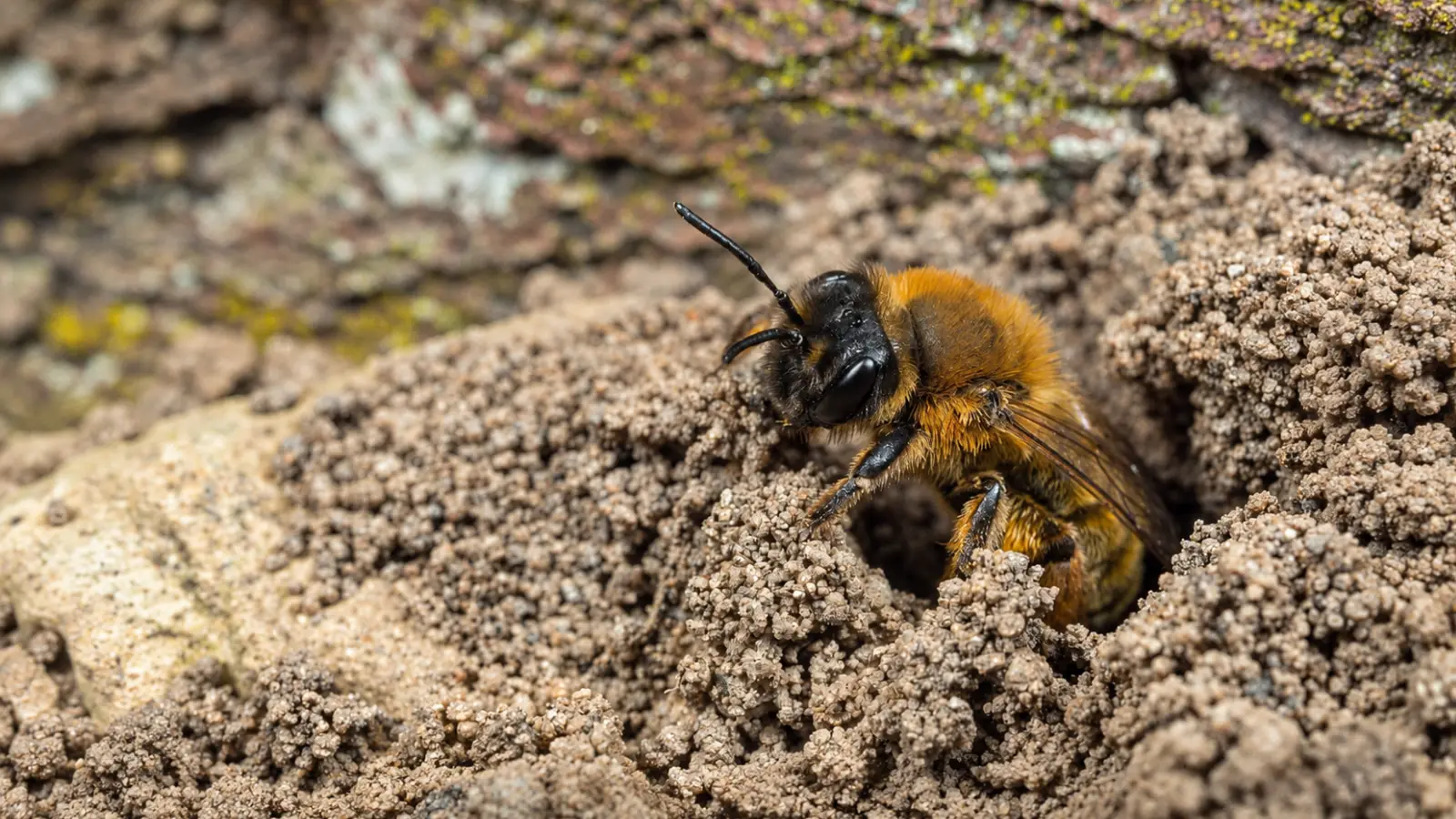
Flowers are only one part of a pollinator habitat. Dense foliage, shrubs, native grasses, hollow stems, leaf litter, and patches of bare soil can all provide shelter or nesting resources that flowers alone can’t replace.
Because roughly 70% of native bees nest in the ground, one of the most practical things you can do is leave some areas of exposed, well-drained soil — even a small unmulched patch in a sunny spot can support ground-nesting species. Avoid covering every surface with landscape fabric, which blocks nesting access entirely. The other 30% of native bees use hollow stems, decaying wood, or existing tunnels in dead wood; leaving selected perennial stems cut to 6–8 inches through winter (rather than cutting to the ground) preserves some of these resources.
Shrubs and small native trees create shelter from wind and provide vertical structure. They may also support large numbers of caterpillars and moth larvae — an essential part of the food web even when they’re not visible as adult pollinators.
Manufactured insect houses and bee hotels have become popular, but their value depends heavily on design and placement. Many commercially sold versions have fixed nesting tubes that can’t be cleaned, trap moisture, and concentrate pests and parasites. If you use one, choose a model with removable, replaceable tubes and site it where it gets morning sun but is protected from afternoon rain. A well-sited native shrub, a small brush pile, or a piece of decaying wood typically provides more reliable habitat than a decorative hotel that’s difficult to maintain.
Reducing Pesticide Risk
Pesticides can harm pollinators directly or reduce the insects that serve as food for other wildlife. Broad-spectrum products may affect beneficial insects along with the pest they’re intended to control — and the harm often isn’t visible in the moment.
One risk that surprises many gardeners: plants purchased at garden centers, big-box retailers, and nurseries are often pre-treated with systemic neonicotinoid insecticides before sale. Unlike spray-on products, systemic pesticides are absorbed into every part of the plant, including the nectar and pollen. Bees that visit treated flowers can be exposed at levels that impair navigation, reproduction, and colony health. When buying flowering plants — especially annuals like zinnias or perennials marketed specifically for pollinators — ask whether they’ve been treated, look for certified organic or untreated labels, or grow from untreated seed.
For the garden itself, start with observation and prevention. Choose plants suited to the site, improve airflow where fungal issues arise, remove severely damaged material, and tolerate minor feeding damage. A few chewed leaves are much more likely to mean caterpillars are present than that the garden is failing.
If treatment is truly necessary, identify the pest first and read the entire label before opening anything. Avoid spraying open flowers or any area where pollinators are active, and consider whether the timing could affect caterpillars, ground-nesting bees, or nearby water. “Natural” or “organic” doesn’t automatically mean safe for pollinators — pyrethrin and spinosad are both derived from natural sources and both can harm beneficial insects.
How to Design the Layout
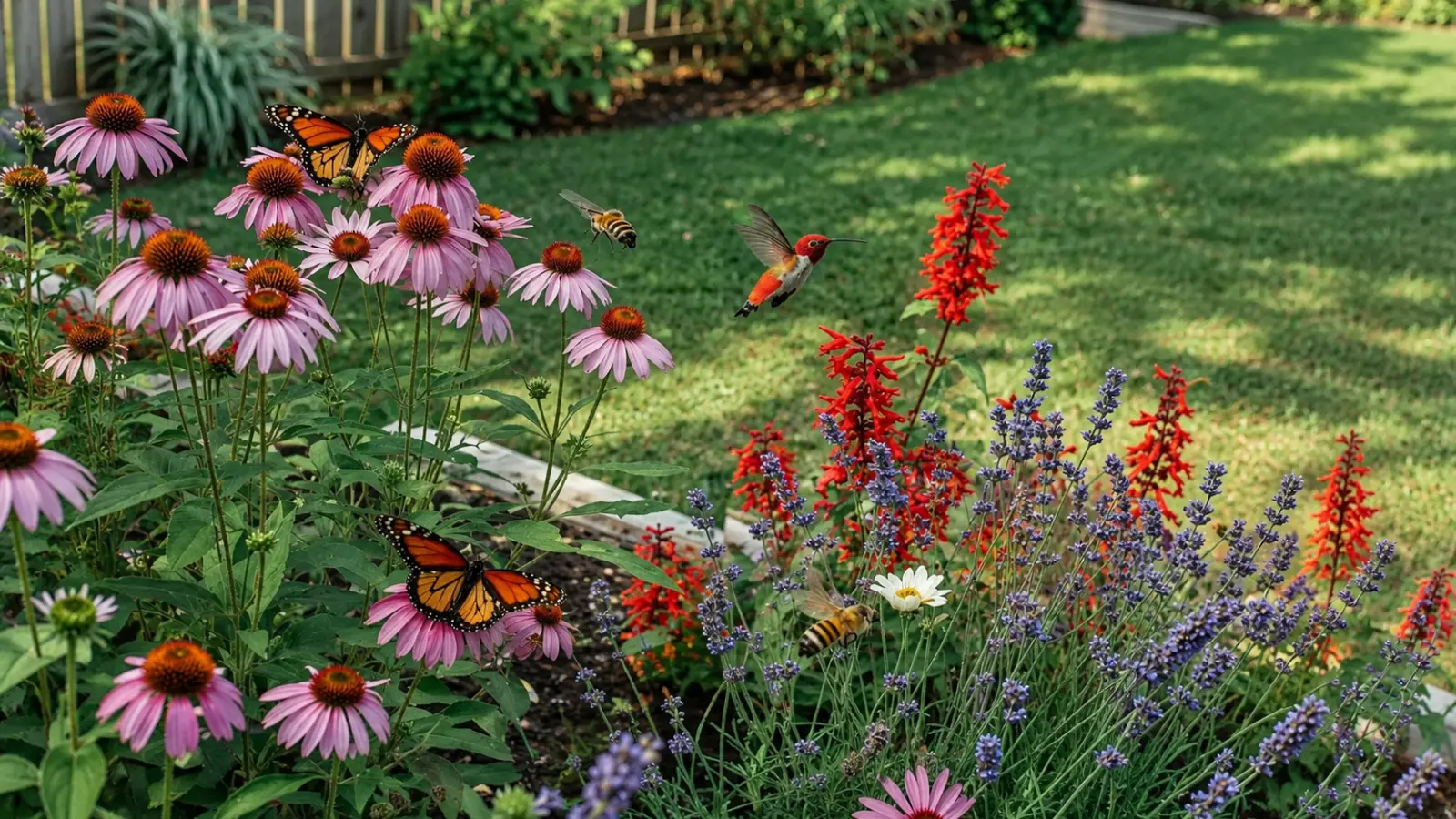
A clear layout makes the garden easier for pollinators to find and use, and easier for you to maintain without constantly stepping into the planting.
Group Plants Together
Planting several individuals of one species together creates a stronger patch of flowers and makes it much easier for insects to locate and move between blooms. Isolated single plants are harder to find and less efficient to forage. A cluster of three to five of the same plant is a practical starting point; repeated groups throughout the garden also create a more cohesive visual design.
Use Several Heights
Combine low ground covers, mid-height perennials, tall flowers, shrubs, and, where space allows, small trees. Layered planting creates shelter, gives different visitors access to flowers at different heights, and provides the vertical structure that many nesting and overwintering insects need.
Protect the Sunny Edge
Place nectar plants and warm resting surfaces where they receive adequate direct light. Use shrubs, fences, or taller plants on the windward side to reduce strong wind without casting shade across the entire planting.
Keep Access Open
A path or reachable edge lets you observe plants, refill water, and remove aggressive weeds without compacting the soil or disturbing nesting areas. It also helps you notice caterpillars, chrysalises, or early signs of stress before they become bigger problems.
Seasonal Maintenance
Pollinator-friendly maintenance is usually less about doing more and more about timing tasks carefully and resisting the urge to tidy everything at once.
During the growing season, water new plants as they establish, remove invasive weeds before they set seed, and allow reasonable leaf damage from caterpillars. Deadhead only when it genuinely helps extend bloom or prevents unwanted reseeding — seed heads provide structure and winter food for birds, and stems left standing can shelter overwintering insects.
In fall, resist the impulse to cut every stem and rake every leaf. Many native bees, butterflies, moths, and other beneficial insects spend the winter in dead plant material, leaf litter, or just below the soil surface. Removing it all in fall eliminates a significant portion of next year’s pollinator population. Clear only areas where safety, disease, or necessary access requires it.
In spring, avoid rushing major cleanup of stems, leaf litter, or other overwintering habitat. There is no single temperature threshold or calendar date that works across every region, because insect emergence varies with local climate, species, plant development, and seasonal conditions. In colder regions, waiting for sustained spring warmth and visible insect activity before doing significant cleanup can reduce the risk of disturbing overwintering pollinators. When in doubt, use local Extension guidance and conditions in your own garden rather than relying on one nationwide rule.
Small-Space Pollinator Gardens
A pollinator garden can begin with a few containers or a narrow strip along a walkway. The key is grouping plants together in the sunniest, most sheltered location available rather than spreading them across a large exposed area where they’re harder for pollinators to find.
Use pots large enough to reduce rapid drying, make sure every container drains freely, and avoid placing plants where reflected heat or direct afternoon sun in a hot climate will overwhelm them. Add a shallow water dish with stable stones, and include at least one plant that provides more than a brief flush of flowers.
Even a small garden should avoid pesticide use whenever possible, and this matters especially in containers, where any treatment has no buffer zone. If there’s no room for a host plant or shrub, focus on nectar-rich flowers with staggered bloom periods and a few undisturbed corners where insects can shelter.
Build a Garden That Works Beyond the Flowers
A strong pollinator garden supports more than the insects you see visiting blooms. Flowers provide nectar and pollen, while bare soil, hollow stems, shrubs, leaf litter, water and carefully timed maintenance create places to nest, shelter and survive between seasons.
Start with plants that fit your region and site, then build diversity gradually through different flower shapes, bloom periods and habitat features. When the garden continues to provide resources before, during and after peak flowering, it becomes a functioning habitat rather than simply an attractive planting.
COMMON QUESTIONS
Before you begin.
How do you start a pollinator garden?
Choose a site with suitable sunlight, soil and moisture, then select regionally appropriate plants that provide nectar, pollen and, when possible, caterpillar host resources. Include flowers that bloom at different times of year, add shelter and safe water access, preserve some nesting habitat and minimize pesticide use. Starting with a manageable area makes it easier to observe what works and expand later.
What plants are best for a pollinator garden?
The best plants are those that thrive in your local climate and provide useful resources to native pollinators. Regionally appropriate native perennials, shrubs and trees often form a strong foundation, while suitable annuals can fill seasonal bloom gaps. Include different flower shapes and staggered bloom periods so bees, butterflies, moths and other pollinators have food across more of the growing season.
How can I attract more bees to my garden?
Provide flowers from early spring through fall, including different shapes and sizes that serve a range of bee species. Leave some sunny, well-drained bare soil for ground-nesting bees and preserve hollow stems or other natural nesting materials for cavity-nesting species. Avoid unnecessary pesticide use and keep flowering plants grouped where bees can forage efficiently.
Does a pollinator garden need host plants?
Host plants are especially important if you want the garden to support butterflies and moths beyond the adult stage. Their caterpillars often depend on specific plants for food, so nectar flowers alone cannot support the complete life cycle. Including appropriate host plants alongside nectar and pollen sources creates a more complete pollinator habitat.
Can a pollinator garden be grown in a small space or containers?
Yes. A balcony, patio or narrow planting strip can support pollinators when plants are grouped in a sunny, sheltered location. Choose containers with good drainage, use plants with overlapping bloom periods and provide a shallow water source with stable landing surfaces. Even a small planting can become valuable when it supplies reliable food and avoids harmful pesticide exposure.
What is the difference between a pollinator garden and a butterfly garden?
A pollinator garden is designed to support several groups of pollinators, including bees, butterflies, moths and, in suitable regions, hummingbirds. A butterfly garden has a narrower focus and gives greater attention to butterfly-specific nectar plants, caterpillar host plants and other features that support the butterfly life cycle. Both can overlap, but their habitat priorities are not identical.