A sensory garden is designed around the experience of seeing, smelling, touching, hearing and, when appropriate, safely tasting elements of the landscape. Plants are central, but pathways, seating, water, hardscape and the way visitors move through the space are just as important.
The garden does not need to stimulate every sense at once. A fragrant border beside a seat, a tactile raised bed, rustling grasses along a path or a clearly labeled edible herb area can each create meaningful sensory experiences when they are placed intentionally.
This guide explains how to design a sensory garden for sight, scent, touch, sound and taste, while also planning accessible paths and seating, choosing safe plants, creating layouts for different spaces and making the experience comfortable for children, older adults and visitors with different sensory and mobility needs.
What Is a Sensory Garden?
A sensory garden is a space arranged to engage one or more senses through plants and design. It might use fragrant flowers, textured leaves, rustling grasses, colorful foliage, edible herbs, moving water, or tactile hardscape — sometimes all of the above, sometimes just two or three handled well.
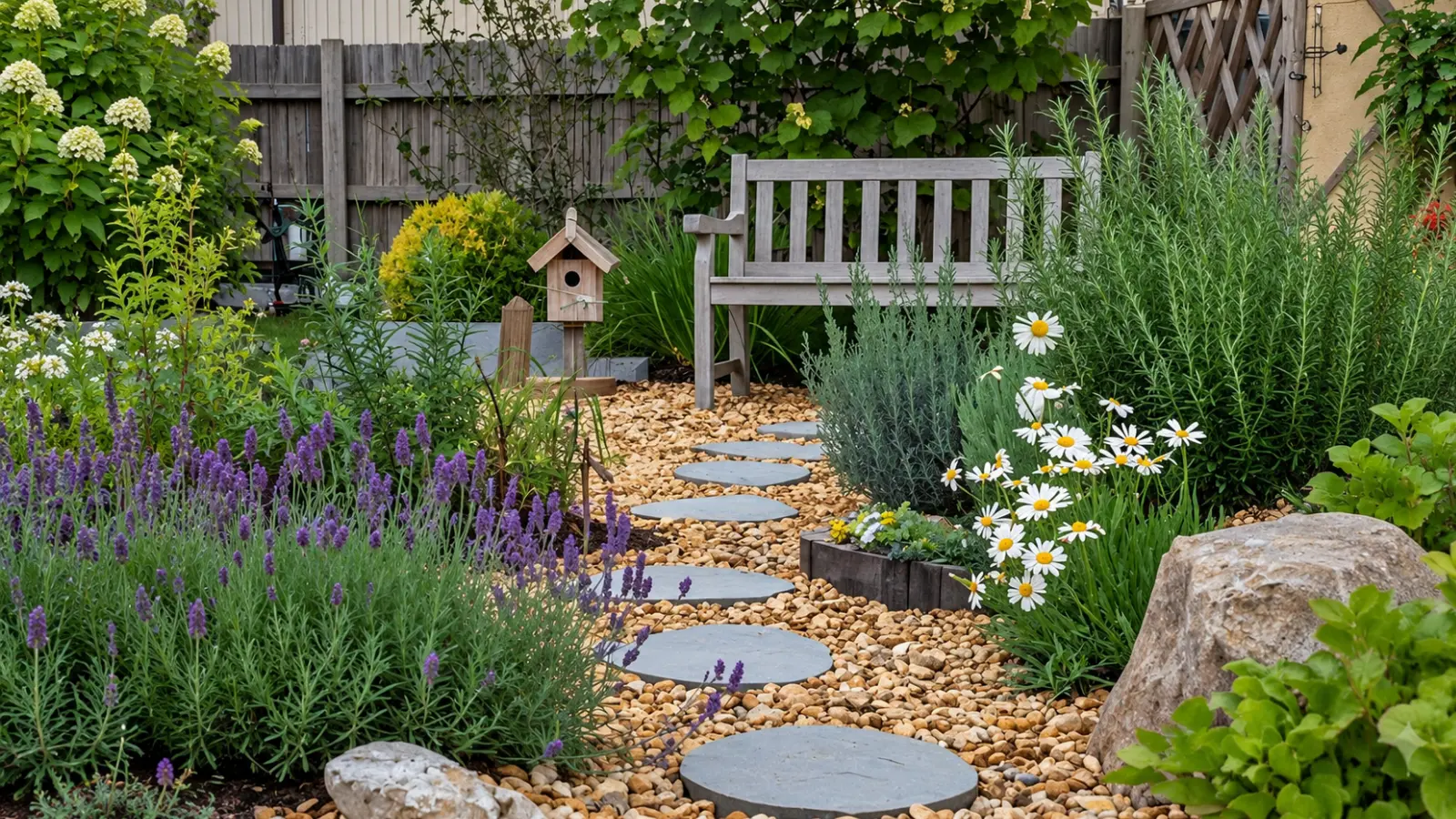
The design can be immersive or restrained. A narrow border planted with lavender, lamb’s ear, and lemon thyme beside a garden seat is a sensory garden. So is a sequence of garden rooms where each area emphasizes something different — fragrance in one, sound in another, a quiet corner with comfortable seating in a third.
A sensory garden is different from a Therapeutic Garden. A sensory garden describes how the space engages the senses and can be enjoyed by any visitor. A therapeutic garden has a more specific wellness or clinical context. The two terms are often used interchangeably, but they shouldn’t be — a beautiful garden with fragrant herbs is not automatically therapy.
Plan the Experience Before Choosing Plants
The plant list comes second. First, decide how people will move through the garden and what you want them to notice. A garden for children should invite movement, discovery, and hands-on exploration. A garden designed for quiet observation calls for wider paths, gentle fragrance, and comfortable seating that faces the planting rather than requiring visitors to lean into it.
Think of each sense as a separate design layer rather than trying to make every plant do everything at once.
| Sense | Possible Elements | Key Consideration |
|---|---|---|
| Sight | Color, form, foliage, shadows, seasonal change | Use contrast intentionally; avoid visual clutter |
| Scent | Fragrant flowers, herbs, foliage that releases scent when brushed | Place near paths and seating; space out intense fragrances |
| Touch | Soft, fuzzy, smooth, leathery, and papery plant textures | Choose sturdy plants; avoid irritating sap and sharp spines in reach zones |
| Sound | Ornamental grasses, seedheads, water features, birdsong | Keep sound pleasant and varied; include quiet areas |
| Taste | Labeled herbs, fruits, vegetables, edible flowers | Use only correctly identified, food-safe plants; supervise children |
Not every visitor will want to touch, smell, or taste plants. Build in visual and auditory experiences as alternatives, and make hands-on interaction optional rather than required.
Design for Sight
Visual interest in a sensory garden goes well beyond bright flowers. The most engaging plantings use contrast across multiple dimensions: color, height, leaf shape, movement, bark texture, shadow, and seasonal timing. A garden that offers something to look at in February as well as July holds attention year-round.
Color and Form
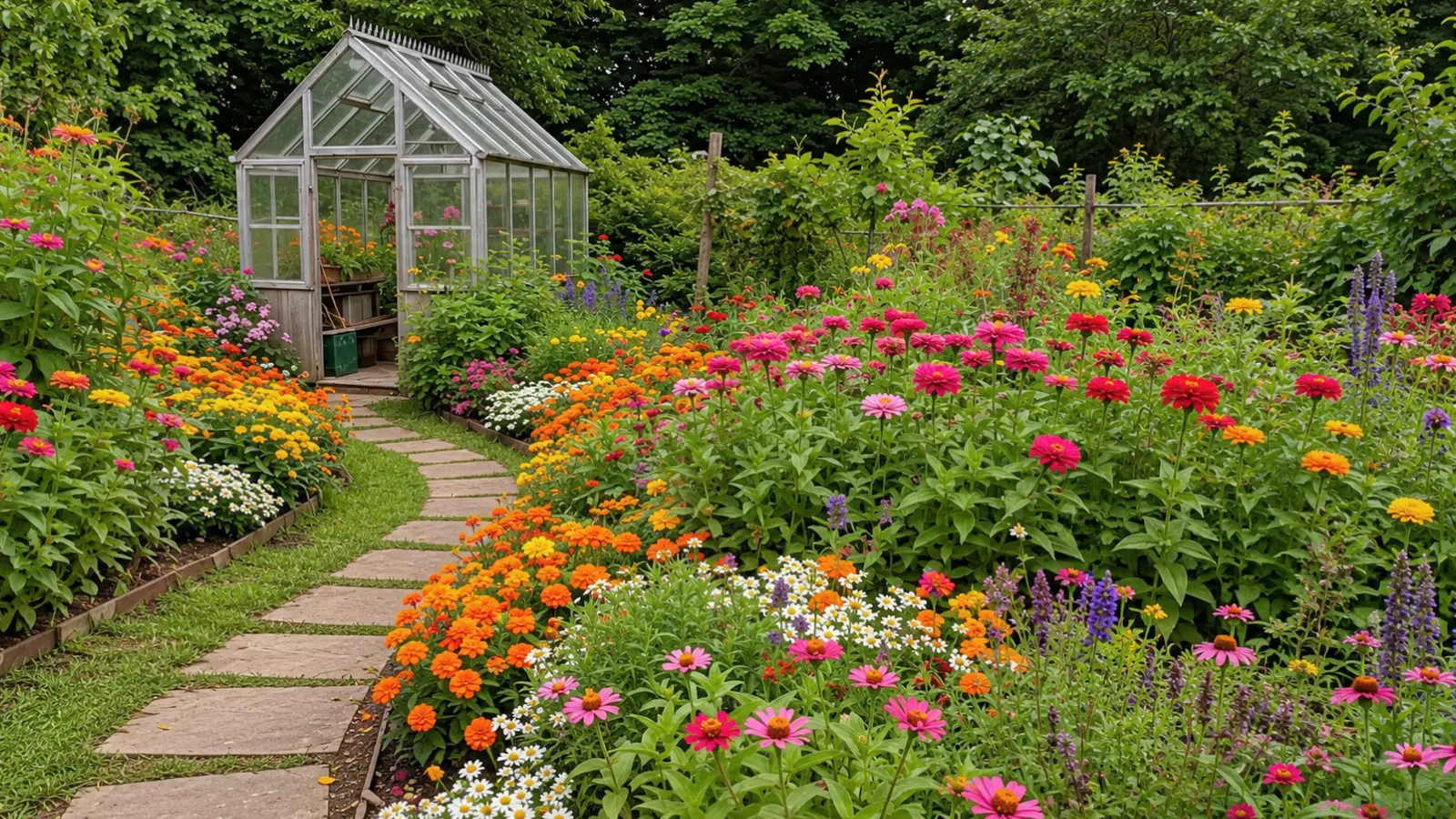
Combine upright flower spikes with rounded mounds, trailing plants, fine-textured grasses, and broad-leaved perennials. A restrained color palette — silver, white, and soft purple, for example — can feel calm and unified. Stronger contrasts in yellow, orange, and deep red pull attention and make specific plants easier to distinguish from a distance, which can be especially useful in gardens designed for visitors with low vision.
Foliage and Seasonal Change
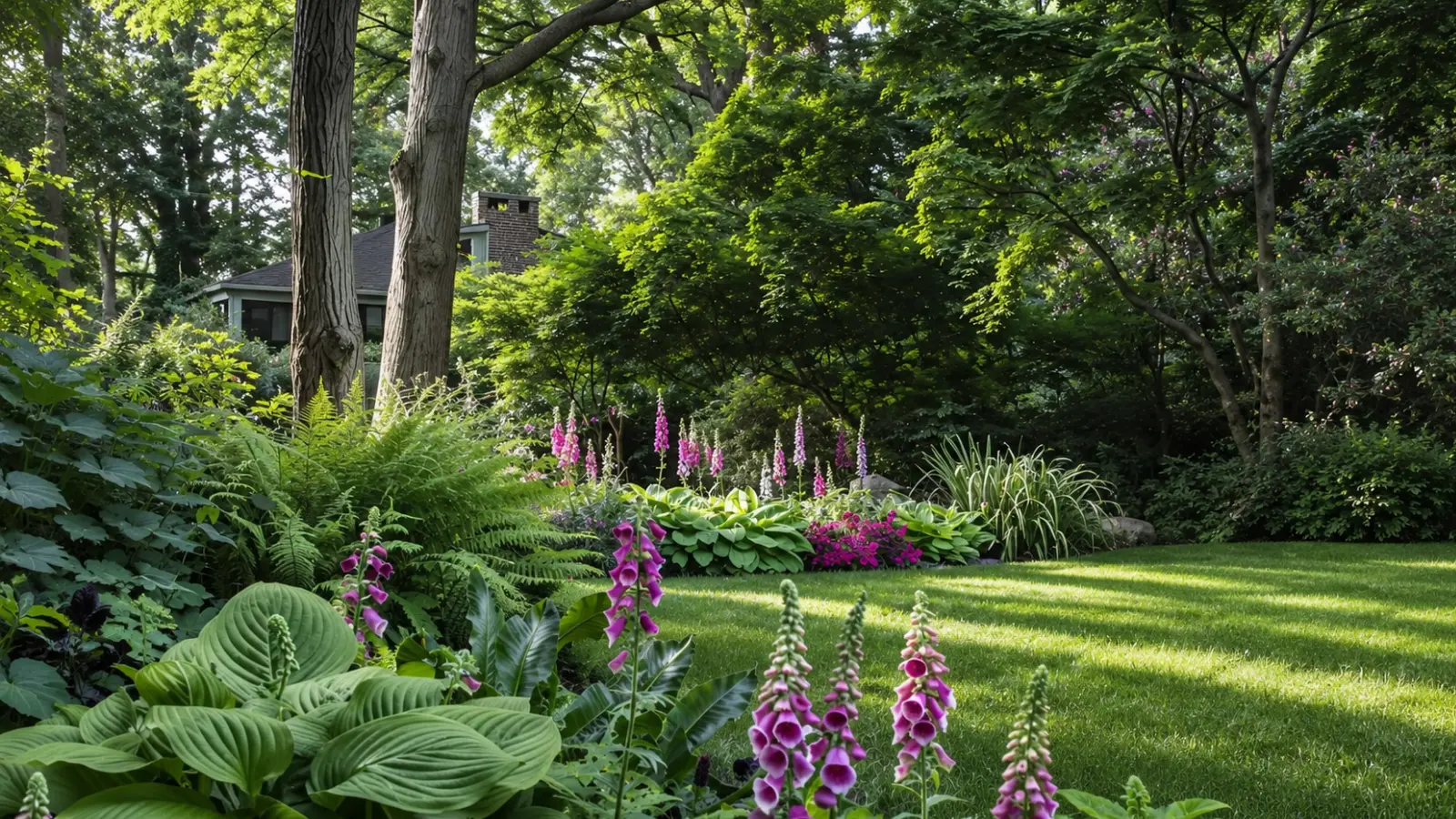
Foliage carries a garden between bloom periods. Look for plants with silver or blue-green leaves (lamb’s ear, blue fescue, Russian sage), glossy surfaces (Southern magnolia, camellia), deep burgundy (certain heucheras and smokebush), or bold texture (hosta, ligularia, gunnera where hardy). Bark, dried seedheads, and fall color extend the visual experience well into winter.
Light and Shadow
The same plant can look completely different in morning slant light versus the flat brightness of midday. Place plants where their forms and textures can be seen clearly from a path or seat, and leave enough open space between groupings so the garden doesn’t become a wall of competing color and form. Backlighting ornamental grasses in the evening turns them into something close to stained glass.
Design for Scent
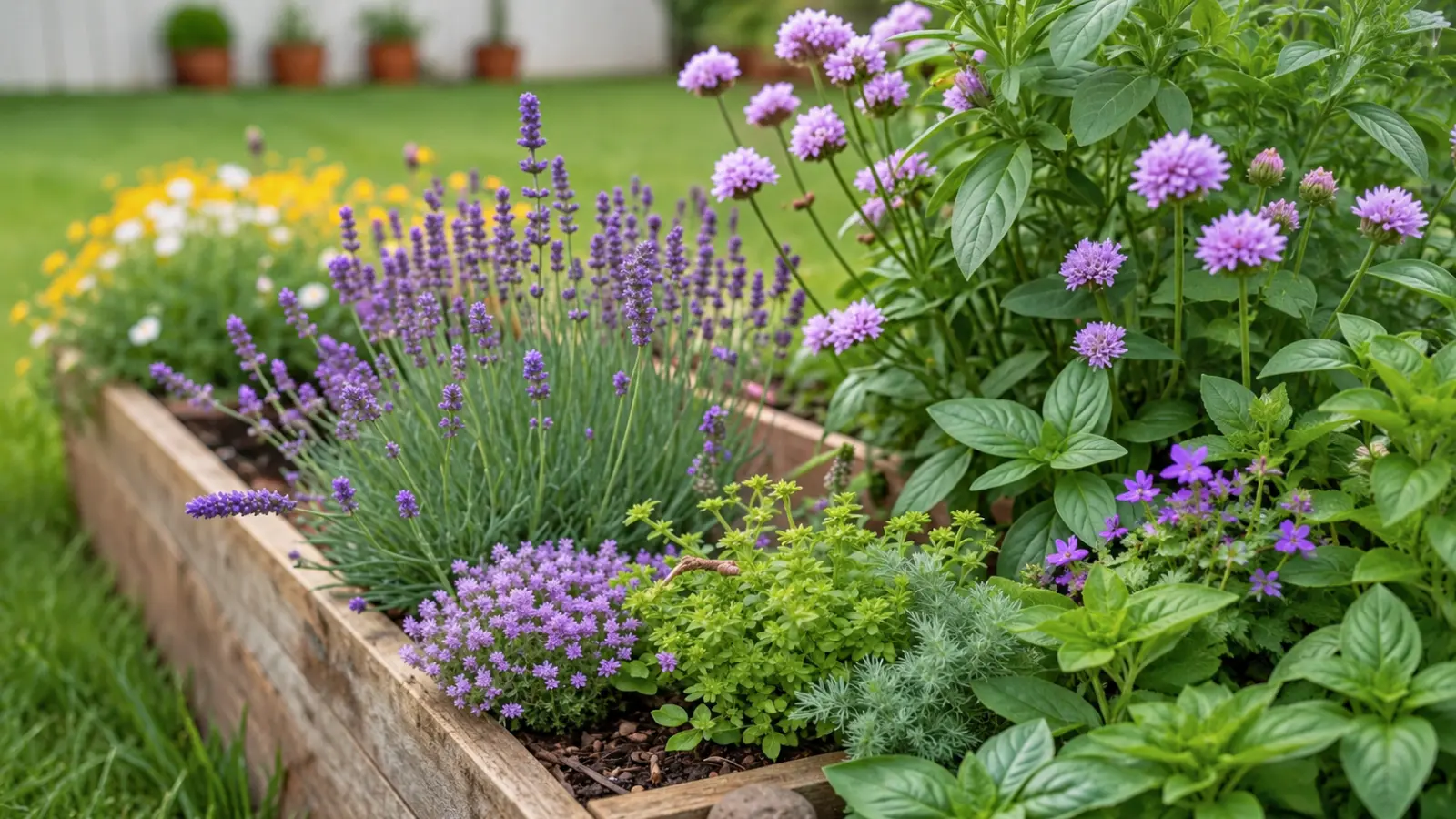
Fragrance works best when it’s placed close enough to be encountered naturally. A scented plant at the far end of a long bed contributes little to the experience; a fragrant herb brushed at the edge of a path cannot be missed. Position for proximity, not just beauty.
Use a mix of naturally fragrant flowers and foliage that releases scent when brushed or lightly rubbed. Herbs like thyme, rosemary, oregano, lemon balm, and mint offer familiar, approachable aromas. Fragrant shrubs — lilac, mock orange, summersweet (Clethra alnifolia), and viburnum — add a different quality. Flowers like lavender, peonies, sweet alyssum, and bee balm layer in seasonal peaks.
Don’t crowd every strong fragrance into one small area. Layering too many intense scents makes it hard to distinguish any of them and can be genuinely uncomfortable for visitors with allergies, asthma, or fragrance sensitivity. Space fragrant plants out, and offer at least one less-scented route through the garden for people who need it.
The best placement for fragrant plants: along path edges where visitors will naturally brush them, near seating areas where someone might linger, and at entrances where the first impression matters. Keep them from obstructing movement or leaning aggressively across the walkway.
Design for Touch
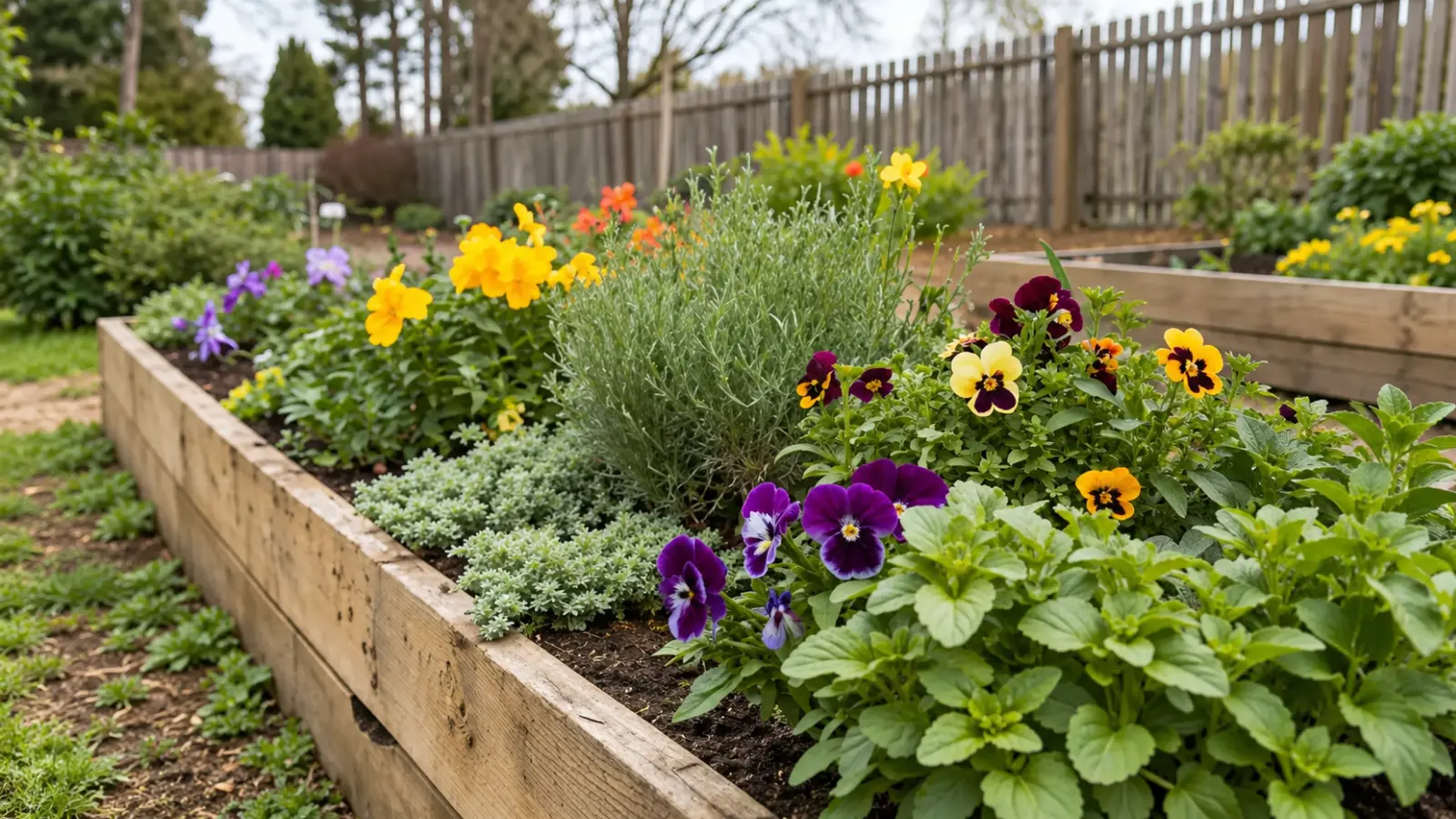
A well-designed touch zone uses sturdy plants that tolerate occasional handling and offers a genuine range of textures — soft and fuzzy, smooth, leathery, papery, springy — without requiring visitors to reach into the planting or handle plants that may irritate skin.
Lamb’s ear (Stachys byzantina) is the classic starting point: its silver-gray leaves are remarkably soft and almost universally irresistible to touch. It thrives in full sun with well-drained soil and works beautifully at path edges where visitors naturally reach for it. Ornamental grasses like blue fescue (Festuca glauca) and Karl Foerster feather reed grass offer a completely different tactile experience — wiry, springy, and kinetic. Mullein (Verbascum) has large, woolly leaves. Smooth river stones and rough bark mulch in the hardscape add contrasting textures underfoot and underhand.
Raised beds make tactile plants easier to reach without requiring people to step off the path. Label clearly and specifically: some plants may be gently touched, while others should be observed only. Avoid any plants with irritating sap, hooked thorns, or contact-dermatitis potential in areas designed for hands-on exploration — the richest touch garden isn’t necessarily the one with the most dramatic texture; it’s the one people feel safe using.
Design for Sound
Sound comes from plants, water, wildlife, and even the path itself. Ornamental grasses are the most reliable sound-makers — they rustle, sway, and catch the faintest breeze. The seedheads of plants like baptisia, rattlesnake master (Eryngium yuccifolium), and dried alliums add a papery rattle. Dry leaves, gravel, or wood chip surfaces create different sounds underfoot, which can help orient visitors with low vision.
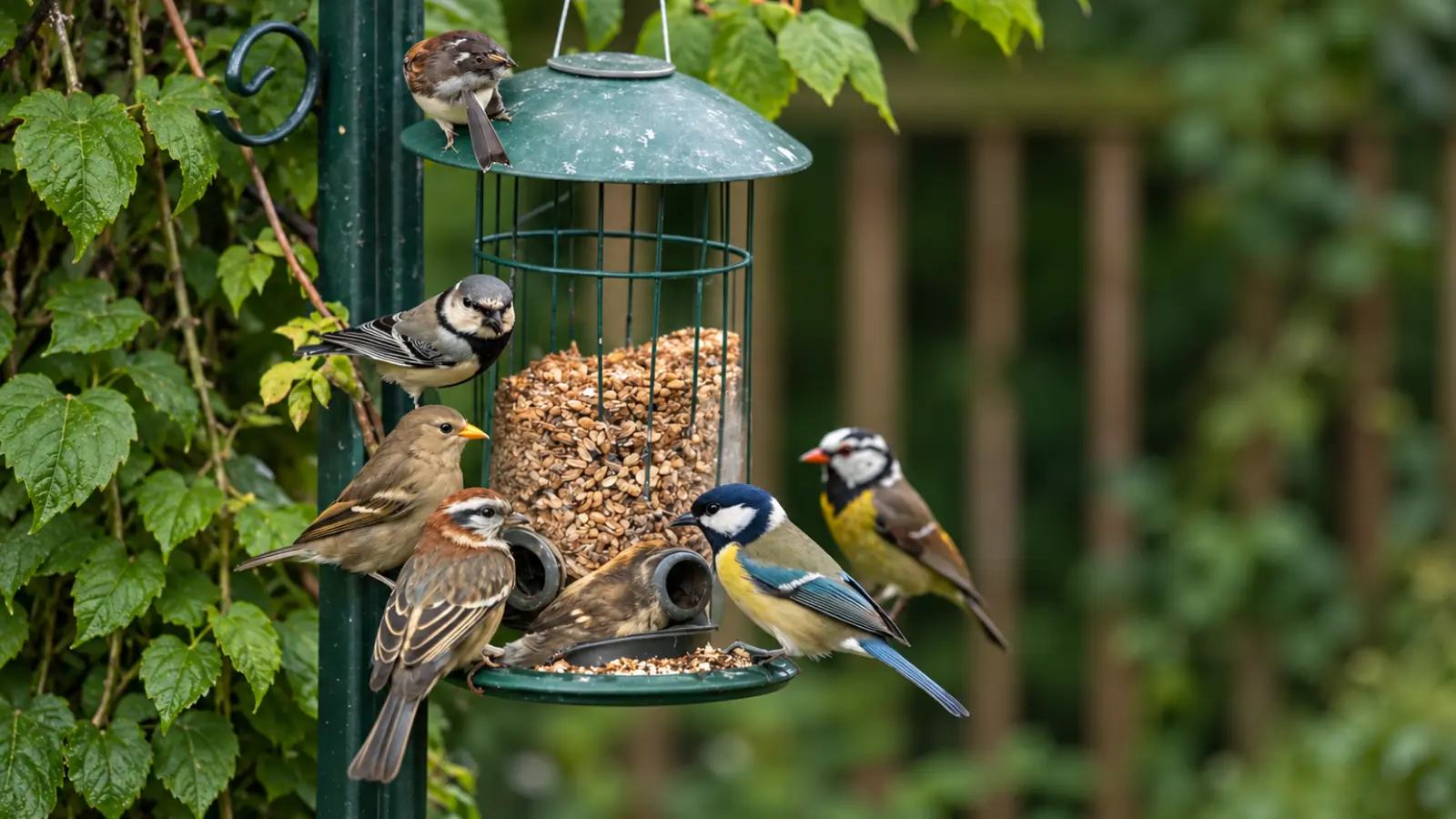
A small recirculating water feature adds movement and a steady background sound, but plan it carefully: it needs regular cleaning to prevent mosquito breeding and algae buildup, and the pump requires occasional maintenance. Position it where it can be heard from a seating area without dominating the whole garden. Birdbaths and pollinator plantings bring birdsong and the sound of bees, which adds a living layer that changes through the day and season.
Wind chimes and other designed sound elements can be meaningful additions, particularly for visitors with visual impairments, but place them with care. Multiple loud or unpredictable sounds can overwhelm some visitors, and neighbors may not share your enthusiasm. Include quiet areas as well as active sound — a sensory garden should offer contrast, not constant stimulation.
Include Taste Safely
Taste is the sense that requires the most care. Herbs, vegetables, fruits, and edible flowers can be wonderful additions, but never invite visitors to sample an unfamiliar plant simply because it looks edible or resembles something they recognize. Plant confusion — between toxic look-alikes and edible species — is a real risk, especially for children.
Use clearly labeled plants grown specifically for food. Keep edible areas physically separated from ornamental beds that contain toxic plants. Avoid pesticide treatments that aren’t labeled for food crops in the edible section. Children should taste plants only with direct adult supervision, and visitors should be told which parts are edible and whether any preparation is needed — some edible plants have parts that are not edible, and some require cooking.
Reliable choices for a taste zone include herbs like mint, basil, chives, lemon thyme, and lemon balm; edible flowers like nasturtiums (leaves and flowers are both edible), pansies, and calendula; and compact fruit like strawberries or small blueberry cultivars in containers. Verify the specific plant and cultivar before including it — common names can apply to multiple species, not all of which are edible.
Create Accessible Pathways and Seating
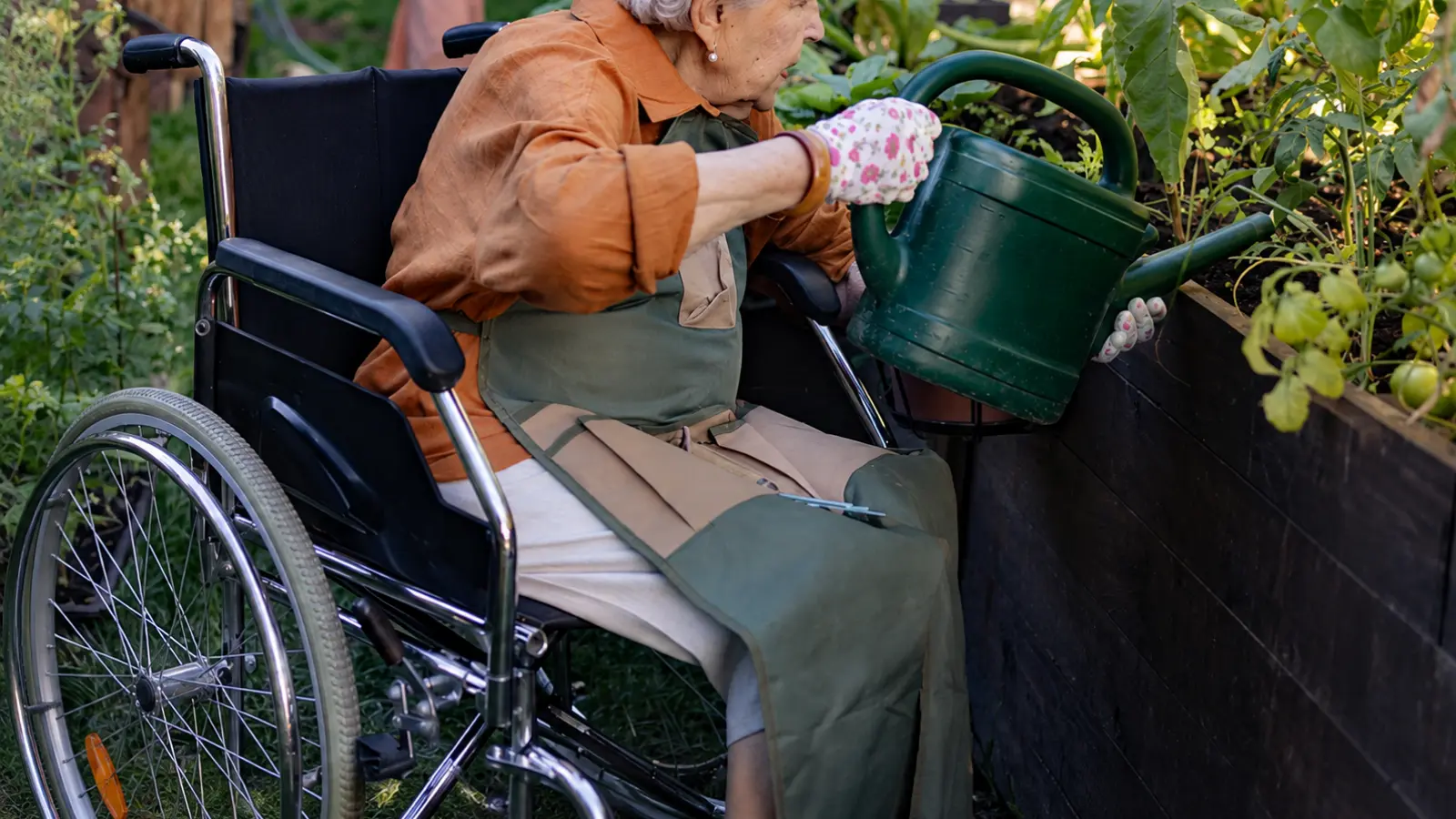
Accessibility shapes the whole experience, and it’s far easier to build in from the beginning than to retrofit after the plants are in. The path network is the backbone of the garden — get it right, and everything else follows.
Pathways should be at least 36 inches wide to accommodate a wheelchair, and ideally 48 inches or more where two people might pass or pause together. Surfaces should be firm, stable, and slip-resistant. Compacted gravel, stabilized decomposed granite, and broom-finish concrete can all work when properly installed. Avoid loose pea gravel that shifts underfoot, stepping stones set unevenly in grass, and other surfaces that create unstable footing. Keep transitions between surfaces smooth and minimize abrupt level changes. Where a route changes elevation, use a gradual, accessible slope appropriate to the site rather than relying on steps or sudden changes in height.
For raised beds, a height of 24–34 inches allows wheelchair users and seated gardeners to reach plants comfortably. If using a table-style bed with knee clearance underneath, allow at least 27 inches of height and 30 inches of width beneath the frame. Keep bed depth to no more than 24 inches so plants at the center are reachable from the side without stretching.
Place seating throughout the garden, not only at the entrance. Benches and chairs should appear at fragrant planting areas, near water features, and at any point where the garden opens up or changes character. Include both sunny and shaded options where climate allows, and leave enough space beside each seat for a person using a mobility device to pull up comfortably alongside.
Design for Children and Older Adults
Children often thrive in sensory gardens that invite movement, comparison, and discovery. Use durable plants that can handle curious hands, low viewing areas, and safe touch points at varying heights. Keep sightlines open so adults can supervise the whole space — avoid dense shrubs or tall plantings that create hidden corners in a garden designed for young visitors. A dig area of bare, workable soil can be one of the most popular features in a children’s sensory garden; it doesn’t need to be elaborate.
Older adults often value shade, comfortable seating at regular intervals, clear and predictable routes, manageable reach distances, and plants that can be experienced without bending. Fragrance, sound, and seasonal change are easily enjoyed from a seat, so the experience doesn’t have to depend on physical strength or flexibility. Larger-print labels and high-contrast signage help visitors with low vision navigate and identify plants independently.
People have genuinely different sensory preferences and tolerances. Provide choices between bright and quieter areas, strong and subtle fragrance, active sound and still corners, and hands-on or observation-based experiences. A garden that offers only one mode of engagement will inevitably leave some visitors out.
Avoid Toxic, Thorny, and Allergenic Risks
Safety is a design element, not an afterthought. In any garden where children or unfamiliar visitors will touch, smell, or taste plants, it pays to be deliberate about what you include and where you place it.
Avoid toxic plants in areas where visitors may handle or mouth foliage, flowers, or fruit. Common ornamentals that are toxic and worth keeping away from touch and taste zones include foxglove (Digitalis), monkshood (Aconitum), oleander (Nerium oleander), castor bean (Ricinus communis), and many bulbs including tulips and daffodils. Don’t rely on memory alone — verify plant toxicity through the ASPCA plant database, your local Cooperative Extension Service, or the American Association of Poison Control Centers’ resources.
Keep thorny and spiny plants out of narrow paths, seating areas, hand-level planting, and play zones. Consider mature spread and whether a branch or cane might eventually reach into a walkway. A rose planted two feet from a path is eventually a plant on the path.
Allergenic plants require careful judgment. Pollen, fragrance, sap, and contact with certain foliage can affect sensitive visitors. Avoid placing strongly scented or irritating plants along every route, and offer alternatives for people who need to avoid them. If you’re designing for a school or community context, check whether any regularly visiting individuals have known allergies to specific plants.
Sensory Garden Layout Ideas
The right layout depends on your available space, your visitors, and how much you want to guide versus allow free exploration. The three most common approaches each have a clear logic.
Central Path Layout
A single path moves through a sequence of planting zones — fragrant herbs on one side, a textured raised bed, ornamental grasses, and a seating area at the far end. This arrangement is easy to navigate, easy to supervise for children, and works well in a long, narrow space. The experience unfolds in a clear order, which some visitors find reassuring.
Garden Room Layout
Separate areas — a quiet seating room, a fragrant border, a tactile bed, a small water feature — connected by clear transitions between them. This layout works well in a larger space and allows visitors to spend more time in the areas that interest them most. Use planting density and hardscape to define the rooms without making them feel cut off from one another.
Compact Container Layout
Containers group herbs, scented plants, colorful foliage, and textured leaves around a patio, deck, or balcony. This is the most accessible option for renters, gardeners with limited mobility, or anyone working with a small footprint. Secure containers against wind, use saucers to manage drainage in tight spaces, and arrange groupings so visitors can approach from the side rather than leaning over other containers to reach a plant.
In any layout, signage earns its place when it genuinely improves independence and understanding. A small label that names the plant and invites a specific interaction — “Rub a leaf gently and smell your fingers” — adds more than a generic plant stake ever could.
Maintain the Experience
A sensory garden depends on healthy, reachable plants — which means maintenance is part of the design, not a separate chore. Keep paths clear of overhanging branches and encroaching growth. Repair uneven surfaces before they become trip hazards, and check that raised beds remain secure and level over time.
Refresh fragrant plants when they decline, remove diseased material promptly, and maintain water features on a regular schedule so they stay clean and safe. In most regions, recirculating fountains should be emptied and scrubbed at least monthly in warm weather to prevent mosquito breeding and algae buildup.
One of the most useful maintenance habits is simply observing how visitors actually use the space. A plant intended for touching may be positioned too far from the path edge. A fragrant border that seemed well-spaced on paper may feel overpowering at nose height. A water feature that sounds pleasant from a distance may be surprisingly loud beside a seating area. Good maintenance includes adjusting the design when the experience isn’t working — and the garden will tell you what needs to change if you watch how people move through it.
Design for Choice, Not Constant Stimulation
A successful sensory garden gives visitors different ways to experience the space rather than asking every plant and every area to stimulate every sense. Fragrance, texture, sound, color and taste become more meaningful when they are arranged with contrast, comfortable transitions and places to pause.
Build accessibility and safety into the layout from the beginning, then observe how people actually use the garden. When visitors can choose whether to touch, smell, listen, taste or simply sit and look, the sensory experience becomes more welcoming, flexible and memorable.
COMMON QUESTIONS
Before you begin.
What is a sensory garden?
A sensory garden is a space designed to engage one or more senses through plants, water, pathways, materials and other garden features. It can incorporate color and movement for sight, fragrance for smell, textured plants for touch, natural sounds and clearly identified edible plants for taste. Sensory gardens can be educational, playful or relaxing without necessarily having a therapeutic or clinical purpose.
How do you create a sensory garden?
Start by deciding how people will move through the space and which sensory experiences you want to emphasize before choosing plants. Combine visual contrast, fragrance, touch-friendly textures, natural sounds and safe edible elements where appropriate, then place them where visitors can interact comfortably. Include clear paths, seating and quieter areas so the garden offers different ways to experience it rather than constant stimulation.
What are the best plants for a sensory garden?
Choose plants that provide distinct sensory qualities while matching your local climate, light and soil conditions. Lamb’s ear offers soft foliage for touch; lavender, thyme and lemon balm provide fragrance; ornamental grasses add movement and sound; and clearly labeled herbs such as basil, chives and mint can contribute taste. Avoid plants with toxic parts, irritating sap, sharp spines or other hazards in areas intended for close interaction.
How can a sensory garden engage all five senses?
Use color, foliage, form and seasonal change for sight; fragrant flowers and aromatic herbs for smell; soft, smooth or textured plants for touch; grasses, moving water or wildlife for sound; and correctly identified edible plants for taste. Not every element needs to stimulate several senses at once. Separating experiences into distinct planting areas can make each one easier to notice and prevent the garden from feeling overwhelming.
How do you make a sensory garden accessible?
Use firm, stable pathways with enough width for comfortable movement, provide seating at several points and position interactive plants within easy reach. Raised beds can bring fragrant, tactile and edible plants closer to seated visitors, while readable, high-contrast labels can improve independent navigation and plant identification. Designing accessibility from the beginning is usually much more effective than trying to retrofit it later.
How do you make a sensory garden safe for children?
Choose durable, non-toxic plants for areas where children can touch or explore, keep thorny or irritating species away from paths and play zones and maintain clear sightlines for supervision. Edible plants should be positively identified, clearly labeled and separated from toxic ornamentals, with tasting supervised by an adult. Paths, raised beds and water features should also be maintained so they do not create avoidable trip, access or hygiene hazards.