A successful garden plan begins before you decide where every plant will go. First, define what you want the garden to provide, understand the conditions of the site, and decide how much space, maintenance, and complexity realistically fit your life.
This guide explains how to plan a garden from those first decisions to a practical planting plan. You will assess sunlight, water, drainage and existing features, choose a garden structure, build and filter a plant wish list, account for mature sizes and seasonal changes, plan access and working space, and review the entire plan before buying plants or moving into the final layout.
How to Plan a Garden at a Glance
Define the garden’s purpose, measure the available space, map sun and shade, check water and drainage, note fixed features, choose a garden type and estimate a manageable planting area. Then create a plant wish list, match plants to the conditions and mature sizes, plan paths and maintenance access, sketch a first draft, review seasonal changes and revise before buying.
Start With Purpose and Practical Limits
Garden planning is easier when the plan has a job to do. A garden that supports cooking, outdoor sitting or seasonal color will not need the same plants or access as one designed primarily for wildlife or collecting unusual specimens.
Define the Garden’s Purpose
Write one or two sentences describing what you want the garden to provide. You might want a place to grow useful plants, a view from the kitchen, a soft edge along a walkway or a space that changes through the seasons. A clear purpose helps you decide what deserves space when the wish list becomes larger than the site.
This is the difference between garden planning and design as a practical process and choosing plants one attractive photo at a time. Design can support the purpose, but the purpose should lead.
Decide How Much Maintenance You Can Handle
Plan for the schedule you actually have, including busy weeks, travel and difficult weather. Consider watering, weeding, pruning, harvesting, replacing seasonal plants and carrying materials. Low maintenance is about matching care requirements to your life, not eliminating care altogether.
Make a distinction between the time you enjoy spending in the garden and the time you can reliably spend on necessary maintenance. That difference will influence the size, plant density and complexity of the plan.
Read the Site
Before drawing beds or selecting plants, collect information about the space. The goal is to avoid making decisions based on assumptions that the garden will later contradict, not to produce a perfect survey.
Measure the Available Space
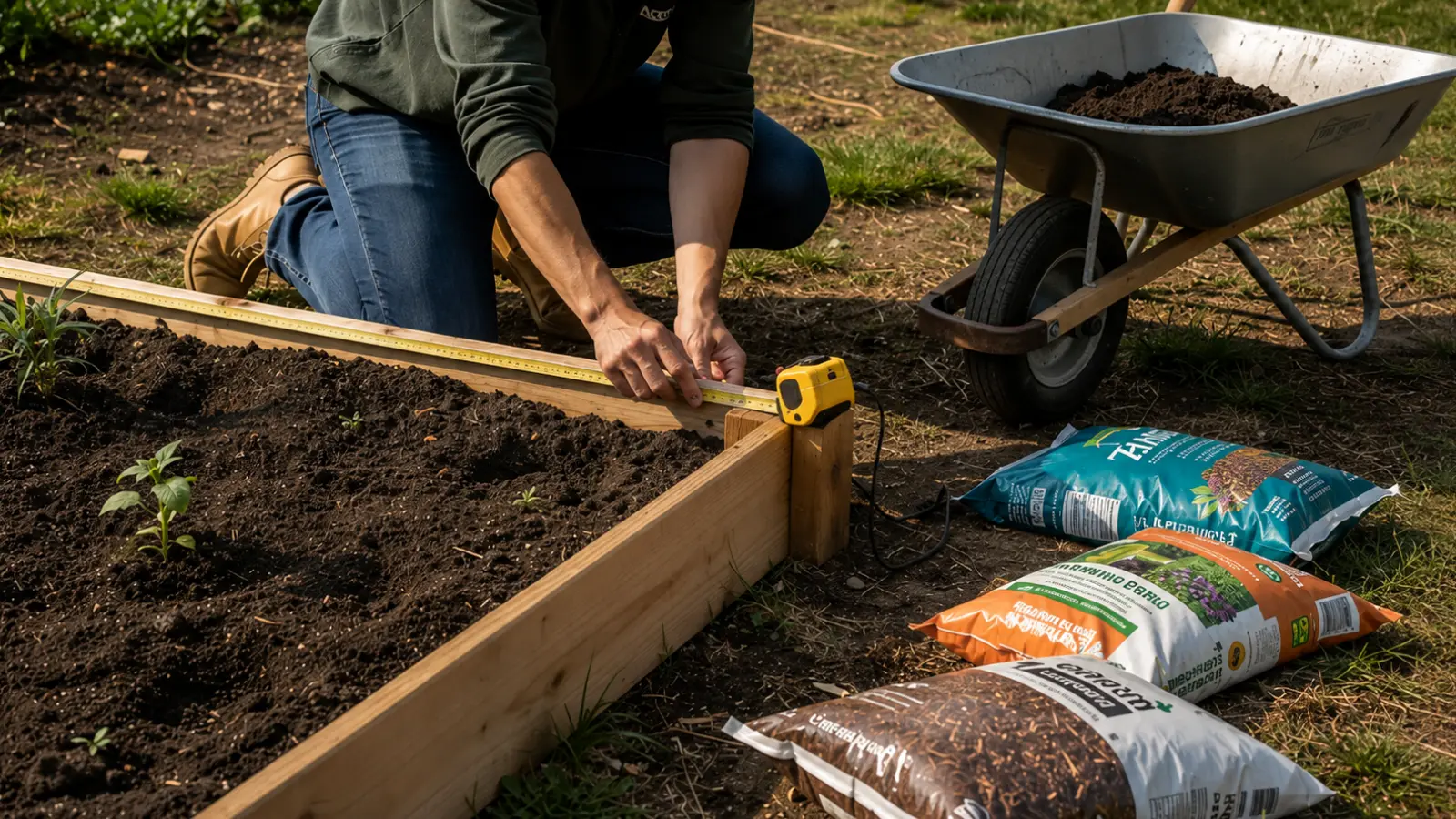
Measure the length, width and usable area of the site. Record boundaries, slopes, steps, gates, property edges and anything that limits movement. Include the space needed to bring in soil, mulch, tools or a watering can.
Measure containers and raised areas separately if you plan to combine garden types. A rough measurement is more useful than a precise drawing that omits access and working space.
Map Sun and Shade
Observe the space in the morning, around midday and in the afternoon. Mark direct sun, filtered light and shade, then repeat the observation as the season changes if possible. Trees, buildings, fences and neighboring structures can change the pattern significantly.
Do not label the entire site as simply “sunny” or “shady” if conditions vary. A plant list based on smaller exposure zones will be more accurate and more flexible.
Check Access to Water
Identify the nearest faucet, the route of a hose and the places where a watering can would need to travel. If the garden is far from water, include that effort in the maintenance decision. A plan that looks manageable on paper may become inconvenient when every watering requires carrying heavy containers across the yard.
Also note where rainwater naturally collects or runs off. Water movement affects both plant health and the placement of paths.
Observe Drainage
Look at the site after rain and after watering. Note areas that stay wet, dry quickly, erode or receive runoff from a roof, slope or paved surface. Drainage problems may require a site solution before planting, while some wet areas may simply need plants suited to those conditions.
Do not solve every drainage question by adding more soil. First understand where the water is coming from and where it needs to go.
Note Existing Trees, Roots and Structures
Record existing trees, shrubs, roots, walls, fences, utilities and permanent structures. Tree roots can compete for water and make digging difficult, while structures can create shade, reflected heat or shelter from wind. Keep a safe distance from utilities and check local requirements before digging where necessary.
Existing features can become anchors for the plan rather than obstacles, but only once you understand their effects on light, roots, water and access.
Choose the Garden Structure
Once the site is understood, decide how much of it should become an active growing area. This is a planning decision, not yet a final layout.
Choose the Main Garden Type
Decide whether the plan will use in-ground planting, raised beds, containers or a combination. In-ground planting may make sense when the soil is workable and the site has room. Raised beds can define growing areas and improve access, but they add construction and soil requirements. Containers offer flexibility in small spaces, but they need closer attention to moisture and root volume.
Choose the format that supports the purpose, conditions and maintenance level. Do not choose a structure only because it is popular in photographs or because it appears to solve a problem you have not actually identified.
Estimate Bed or Container Area
Estimate how much space should be planted and how much should remain available for paths, access, sitting, storage or future changes. A useful garden plan leaves enough open room to work without damaging plants or compacting soil, rather than filling every available inch.
For containers, count the number you can water and move or protect when needed. For beds, estimate the total growing area only after allowing for reach and circulation. The Free Garden Planner can help turn these measurements into a simple visual plan.
Decide What Must Be Accessible
Place the functions you will use most often where they are easiest to reach. Frequently harvested plants, water access, compost or tools should not require a difficult route through the garden. If someone with limited mobility will use the space, plan for stable surfaces, reachable planting areas and comfortable working height from the beginning.
Accessibility shapes the size and position of every planting area, and it belongs in the plan from the start rather than as an afterthought.
Build the Planting Plan
With the site and structure defined, start choosing what belongs in the garden. A wish list is useful, but it needs to be filtered through conditions, mature size and maintenance.
Build a Plant Wish List
List the plants, colors, textures, uses or seasonal effects you would like to include. Then separate the list into essentials, strong preferences and experiments. This keeps the plan connected to your purpose while leaving room for plants that are better suited to the site.
Do not buy from the wish list yet. At this stage, the list is a set of possibilities that still needs to pass the conditions test.
Match Plants to Conditions
For each plant, check light, water, soil, drainage, hardiness, mature size and seasonal timing. A plant that matches six conditions but fails the available light may still be a poor choice. Group plants with similar needs when that makes watering and care easier.
For a United States garden, use the USDA Hardiness Zone Map as one reference for perennial winter survival, then add local frost information and plant-specific guidance. A zone does not describe every aspect of a garden’s climate.
Think in Mature Sizes
Use the eventual height and width of a plant, not the size it has at the nursery. Include room for roots, airflow, pruning access and the visual space the plant will occupy. A plan that looks sparse on planting day may become balanced after plants mature.
When a plant’s mature size is uncertain, leave more room and verify the information before buying. Correcting crowding later can be expensive and disruptive.
Plan Paths and Working Space
Paths should connect the places you need to reach, not merely divide the garden into attractive shapes. Plan enough room to carry water, kneel, harvest, move tools and maintain the edges. Consider the surface after rain and whether it will remain stable in the conditions of the site.
Working space also includes the reach into a bed. A bed that is too wide may look efficient but force you to step into the soil or stretch across plants.
Plan for Seasonal Changes
Think about how the garden will look and function at different times of year. Note when plants are dormant, flowering, producing foliage, being harvested or needing replacement. Include space for seasonal changes rather than designing only for the moment when every plant is at its peak.
Seasonal planning can also reveal when the garden will need the most water, maintenance or protection. Use local timing instead of assuming that a calendar month means the same conditions everywhere.
Draft, Translate and Review
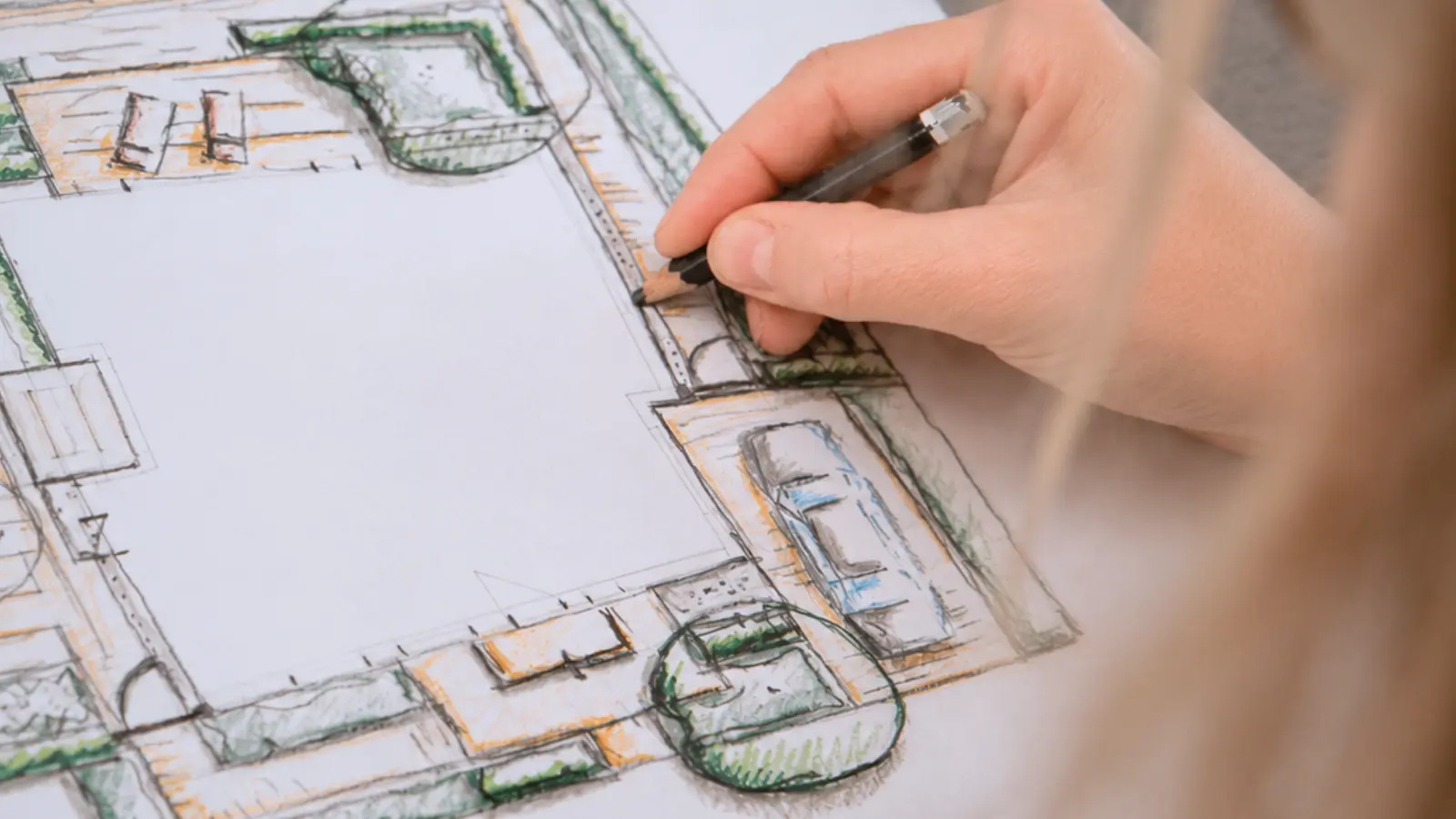
The first draft is a decision tool, not a final piece of art. It should reveal conflicts while they are still easy to change.
Create a Simple First Draft
Draw the boundaries, fixed features, sun zones, water access, paths and approximate planting areas. Add labels for the purpose of each area before assigning every plant. For example, mark “morning view,” “easy harvest,” “seasonal color” or “low-maintenance edge.”
Keep the first version simple. It is easier to compare two clear plans than to revise a crowded drawing full of details that have not yet been tested.
Translate the Draft Into a Layout
After the plan answers what the garden needs to contain, translate it into physical positions. Place beds, containers, paths, taller plants, shorter plants and fixed features according to the conditions you mapped. This is where Garden Layout becomes the next detailed guide.
The distinction matters: planning decides the garden’s purpose, contents and practical requirements; layout decides where those elements sit in relation to one another.
Use the Garden Planner
A planner can help you test dimensions, compare bed arrangements and keep notes in one place. Use it to make the plan clearer, not to avoid measuring or observing the actual site. Add the boundaries, paths, beds, containers and fixed structures before adding decorative details.
For a simple printable approach, use the Free Garden Planner after you have collected the site information.
Review Before Buying Plants
Read the draft once as a gardener who has to maintain it. Check whether water reaches every area, whether paths are usable, whether mature plants have enough room and whether the weekly workload matches your schedule. Confirm that the plant list still fits the light, soil, drainage and climate.
Then review the budget. Count plants, soil or potting mix, containers, bed materials, mulch, supports, tools and any changes needed to make the site usable. Revise the plan before purchasing if one of these requirements is unrealistic.
Garden Planning Questions at a Glance
Use these garden planning tips as a final decision check before you move from planning into layout and planting.
| Planning Question | What to Check | Why It Matters | Decision |
|---|---|---|---|
| What is the garden for? | Purpose, priorities and desired use. | Sets the order of importance when space is limited. | Choose the main function. |
| How much space is usable? | Dimensions, boundaries and access. | Prevents a plan that cannot be reached or maintained. | Define the active growing area. |
| Where is the sun? | Direct sun, filtered light and seasonal shade. | Determines which plants can perform in each area. | Mark exposure zones. |
| How will plants be watered? | Faucets, hose reach, rainfall and carrying distance. | Connects the plan to real maintenance effort. | Place water-dependent areas within reach. |
| Where does water collect? | Drainage, runoff, slopes and wet spots. | Helps prevent root stress and erosion. | Address the site or choose suitable plants. |
| What cannot move? | Trees, roots, fences, walls, structures and utilities. | Fixed features shape light, access and available soil. | Work around or use them as anchors. |
| What can you maintain? | Weekly time, travel and seasonal workload. | Keeps the garden enjoyable instead of burdensome. | Set a realistic size and complexity. |
| Which format fits? | In-ground, raised beds, containers or mixed. | Changes soil, water, access and setup requirements. | Choose the most workable structure. |
| What should be planted? | Purpose, conditions, mature size and timing. | Reduces replacements and crowding. | Filter the wish list. |
| How will the garden change? | Seasonal growth, bloom, harvest and dormancy. | Prevents a plan designed for one moment only. | Build in seasonal sequence. |
| Is the plan ready? | Access, budget, materials and care routine. | Catches conflicts before purchases are made. | Revise, then move to layout. |
A plan is ready when it explains what belongs in the garden, why it belongs there and how you will care for it. The drawing can still change during layout; the practical decisions should already be clear.
Make the Decisions Before You Fill the Space
A strong garden plan does more than decide which plants you like. It connects the purpose of the garden with the sunlight, water, drainage, available space, mature plant sizes, maintenance needs, access, and seasonal changes of the site.
Work through those decisions before buying plants or finalizing the layout. The plan does not need to predict every detail of the first season; it needs to give each major choice a reason and leave enough flexibility for the garden to change as you learn from it.
COMMON QUESTIONS
Before you begin.
What is the first step in planning a garden?
Start by defining what you want the garden to provide and how much time you can realistically spend maintaining it. Your purpose, available space and maintenance limits should guide later decisions about garden type, plant selection, paths and layout.
What should I consider before planning a garden?
Measure the available space and observe sunlight, shade, drainage, water access, slopes, existing trees, roots, structures and utilities. Also consider your budget, maintenance time and how you need to move through the space. These conditions determine what the garden can realistically support.
Should I plan a garden before buying plants?
Yes. Planning first helps you avoid buying plants that do not match the available light, drainage, climate or space. Create a wish list, then check each plant’s growing requirements and mature size before purchasing so the final selection works together as a garden.
How do I choose plants for a garden plan?
Choose plants that match the site’s sunlight, soil, drainage, climate and available water, while also supporting the garden’s purpose. Check mature height and width rather than nursery size, and group plants with similar needs when doing so makes watering and maintenance easier.
How do I plan a garden with both sun and shade?
Map the garden as separate exposure zones instead of treating the entire space as sunny or shady. Observe morning, midday and afternoon light, along with seasonal shade and reflected heat, then place plants where their individual light requirements best match those conditions.
What is the difference between garden planning and garden layout?
Garden planning determines what the garden needs to contain, how it should function and which plants and features suit the site. Garden layout comes afterward and determines where beds, paths, containers, plants and other elements will physically go. A strong layout begins with a practical garden plan.