The most useful gardening tips are often simple decisions made at the right time. Checking sunlight before buying plants, leaving enough room for mature growth, watering according to soil conditions, and noticing problems early can prevent unnecessary work and make a garden much easier to manage.
These 22 practical gardening tips cover plant selection, sunlight, soil, watering, spacing, maintenance, seasonal changes, record keeping, and the everyday habits that help both new and experienced gardeners make better decisions throughout the growing season.
The Most Useful Gardening Tips
Start smaller than you think, observe the site before buying plants, match each plant to its conditions and water according to the root zone rather than a fixed calendar. Leave room for mature growth and maintenance, label what you plant, record what happens and treat a failed plant as information. Consistency and observation usually matter more than buying more products.
Start With the Site
Many garden problems begin before a plant reaches the soil. The first group of tips is about reading the space you already have. A few minutes of observation can prevent a season of trying to make the wrong plant fit.
1. Start Smaller Than You Think
A small garden that you can reach, water and inspect is more useful than a large garden that becomes a weekly burden. Begin with an area you can realistically maintain during your busiest weeks, not only when you are feeling motivated. This is one of the best gardening tips for beginners, but it also applies to experienced gardeners testing a new crop or style. Leave room to learn before expanding.
2. Observe Sun Before Buying Plants
Watch the space at different times of day before visiting the garden center. Record where direct sun falls in the morning and afternoon, and notice whether trees, buildings or fences change the exposure. A bright-looking spot doesn’t always mean full sun. Afternoon heat, reflected light and wind can also affect a plant’s experience of the site. Buy for the conditions you have, not the conditions you wish you had.
3. Leave Access for Maintenance
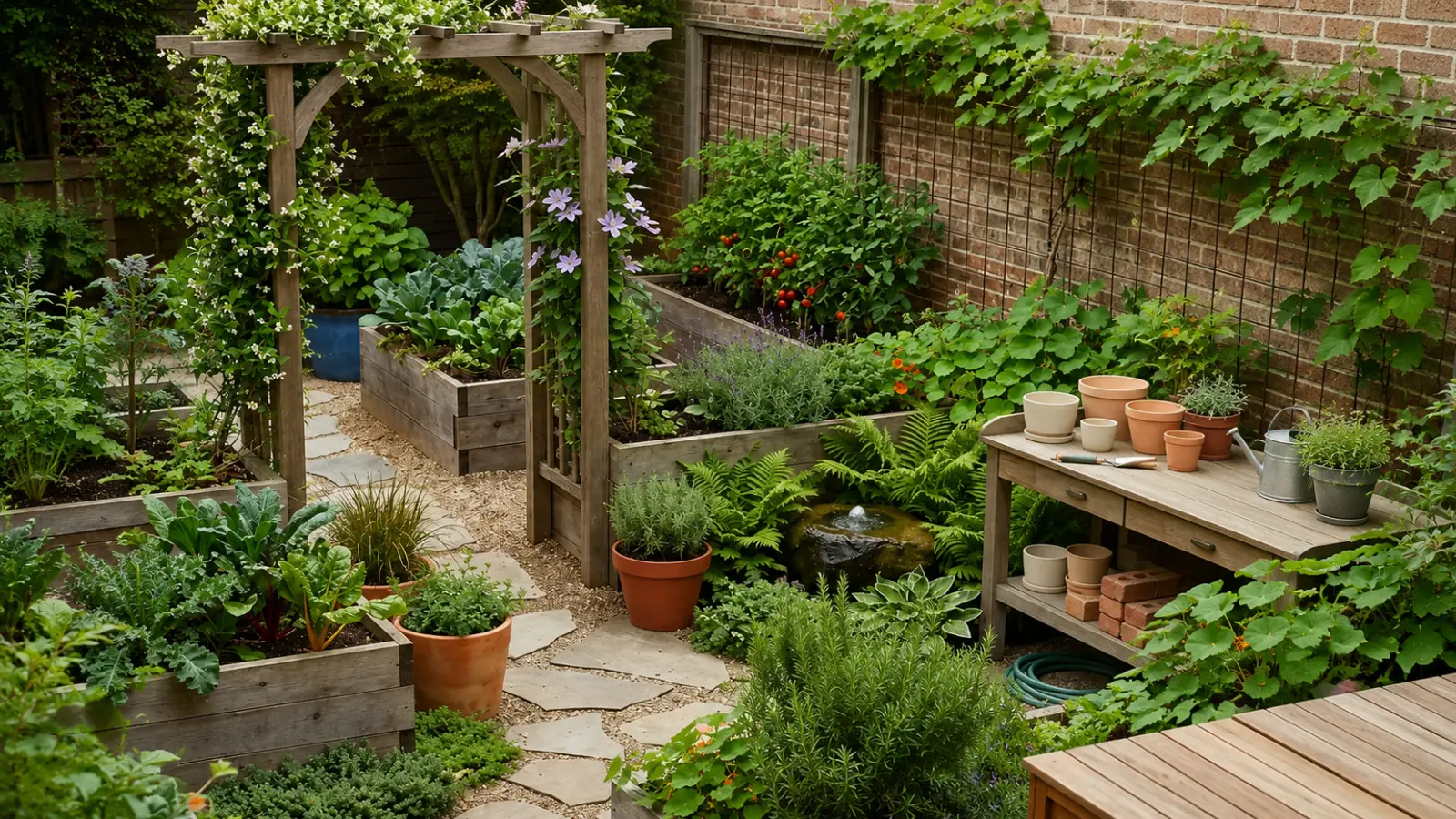
Every planting area needs enough access for watering, weeding, harvesting, pruning and checking plant health. Paths do not have to be elaborate, but they should make the garden workable without stepping on soil or leaning across fragile plants. Place frequently harvested herbs and vegetables where you will actually reach them. A beautiful layout that is difficult to maintain will gradually become a neglected one.
4. Respect Mature Plant Size
Plant tags show a young plant at the moment of purchase, while the garden must accommodate its eventual height and width. Check mature size before planting, then leave space for airflow, root growth and access. Crowding may look efficient at first, but it can increase competition and make watering, pruning and problem identification harder. If a plant will outgrow the location, moving it later may be more difficult than choosing correctly at the beginning.
Choose Plants With Intention
Good plant selection is a form of prevention. The goal is to find plants whose needs fit your light, climate, soil, available time and reason for gardening, rather than plants that are supposedly easy for everyone.
5. Match Plants to Conditions
Read the complete plant label rather than focusing on flower color or a single attractive photograph. Check light, water, soil, hardiness, mature size and the plant’s tolerance for heat or cold. The USDA Hardiness Zone Map can help with perennial winter survival, but it does not replace information about summer heat, rainfall, soil or frost timing. When conditions match, the plant has a fair starting point.
6. Grow Plants You Actually Want
A garden is easier to maintain when the plants have a purpose you care about. Grow herbs you will use, flowers you genuinely enjoy, or plants that support the way you want to spend time outdoors. You do not need to choose the most fashionable variety or copy a display garden. Interest creates attention, and attention helps you notice watering needs, new growth and early problems.
7. Do Not Buy Everything at Once
Buying an entire garden in one trip makes it easy to overlook mature size, repeated colors, incompatible conditions and the amount of maintenance involved. Start with a short list based on your site, then add plants after you understand how the first group performs. This also protects your budget and leaves space for changes. A garden should develop through observation, not only through impulse.
8. Accept Seasonal Changes
A garden naturally looks different from May through October, and the timing varies across the United States. Some plants peak early, some tolerate summer heat, and others become useful in fall. Accepting seasonal change helps you choose plants for sequence instead of expecting everything to flower or grow at once. Plan for what the garden will do next, not only what it looks like today.
Improve Watering and Soil Decisions
Water and soil decisions are where many well-intentioned gardens become stressed. More water or more fertilizer doesn’t necessarily mean better care. Start by checking what is happening below the surface and respond to the plant’s actual conditions.
9. Improve Soil Before Chasing Fertilizer
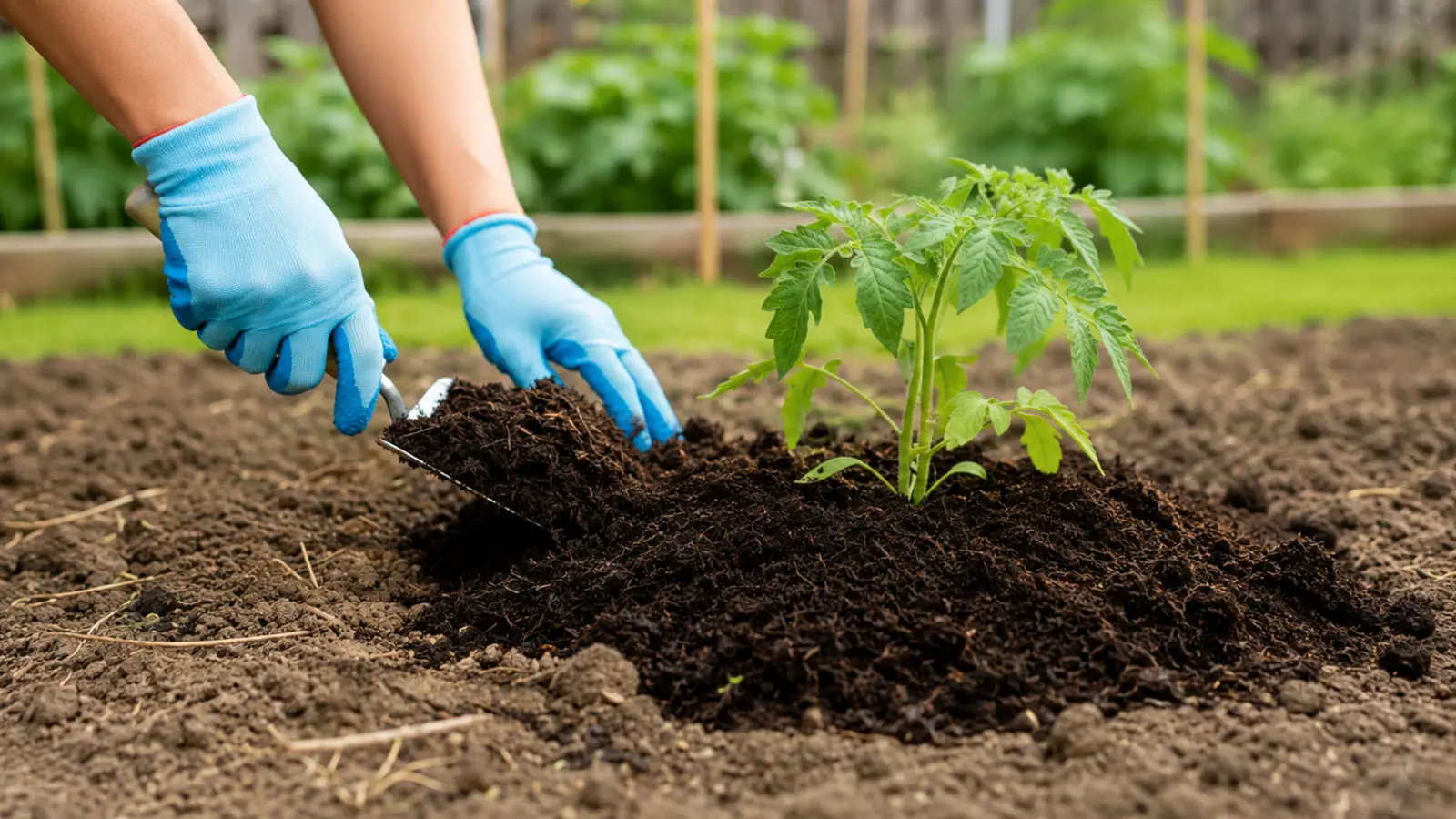
Fertilizer cannot correct every soil or site problem. Compaction, poor drainage, unsuitable pH, low organic matter or the wrong plant may be the real limitation. Observe how water moves through the soil and consider a soil test when a specific question needs an answer. Add compost or another amendment with a purpose rather than treating every weak plant as a sign that it needs more nutrients.
10. Water Deeply, Not Automatically
When watering is needed, aim to moisten the root zone rather than lightly wetting only the surface. The correct depth and frequency depend on the plant, soil, weather and stage of establishment. Newly planted plants often need closer monitoring, while established plants may develop deeper roots. Water at the base when practical and adjust after rainfall, heat or wind instead of following a rigid schedule.
11. Learn to Check Soil Moisture
Do not use the appearance of the surface as your only signal. Push a finger into the soil where appropriate, lift a container to judge its weight, or use another simple method suited to the plant and root depth. Surface soil can dry quickly while deeper soil remains moist, or it can look damp after a shallow watering that never reaches the roots. Check before watering and learn the pattern of your own garden.
12. Avoid Overfeeding
Plants need nutrients, but excess fertilizer can damage roots, create weak growth or contribute to runoff. Follow the product label and consider whether the plant is actually showing a nutrient-related problem before applying anything. Adequate light, water, drainage and root space come first. If a plant is struggling, diagnose the growing conditions before assuming that more fertilizer will solve it.
13. Avoid Overwatering
Wilting does not always mean a plant needs more water. Root damage, heat, transplant stress, disease or poor drainage can produce a similar appearance. Check the soil and the roots’ environment before watering again. Containers need drainage holes and a suitable potting mix, while in-ground beds need a site that does not remain saturated. A consistent balance of moisture and air is more useful than constant wetness.
Maintain With Less Unnecessary Work
Maintenance becomes easier when it is regular and proportionate. You do not need to perform every possible garden task every week. Focus on the work that protects plant health, access and the purpose of the space.
14. Mulch Correctly
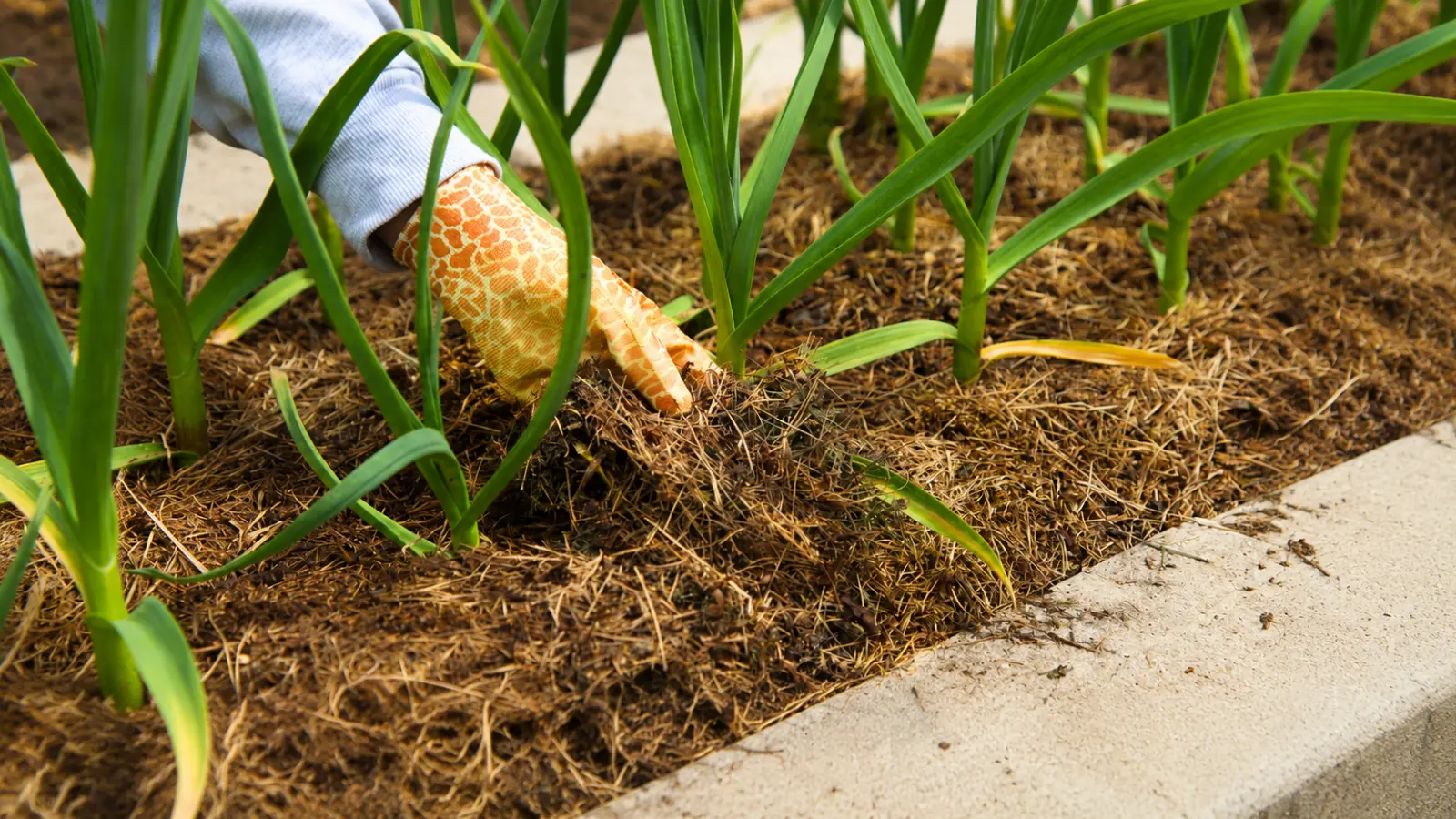
Mulch can help moderate soil moisture and temperature and reduce the space available for weeds, but placement matters. Apply it as a surface layer and keep it away from direct contact with plant stems and tree trunks. Do not use mulch to hide drainage, planting-depth or soil problems. The right material and depth depend on the garden, so follow local horticultural guidance for the plants and conditions involved.
15. Keep Weeds Small
Small weeds are usually easier to remove than established weeds with deep roots or mature seed heads. Check the garden regularly and remove weeds before they set seed when practical. Avoid disturbing more soil than necessary, since turning soil can bring buried seeds closer to the surface. Mulch, plant spacing and consistent observation can reduce the amount of emergency weeding later.
16. Learn What Healthy New Growth Looks Like
New growth is often the clearest evidence that a plant is establishing well. Look for the color, shape and pace of growth that are normal for that species rather than comparing every plant to another. Older leaves may naturally change or decline while new growth remains healthy. Learning the plant’s normal appearance helps you notice meaningful changes without reacting to every blemish.
17. Inspect Plants Regularly
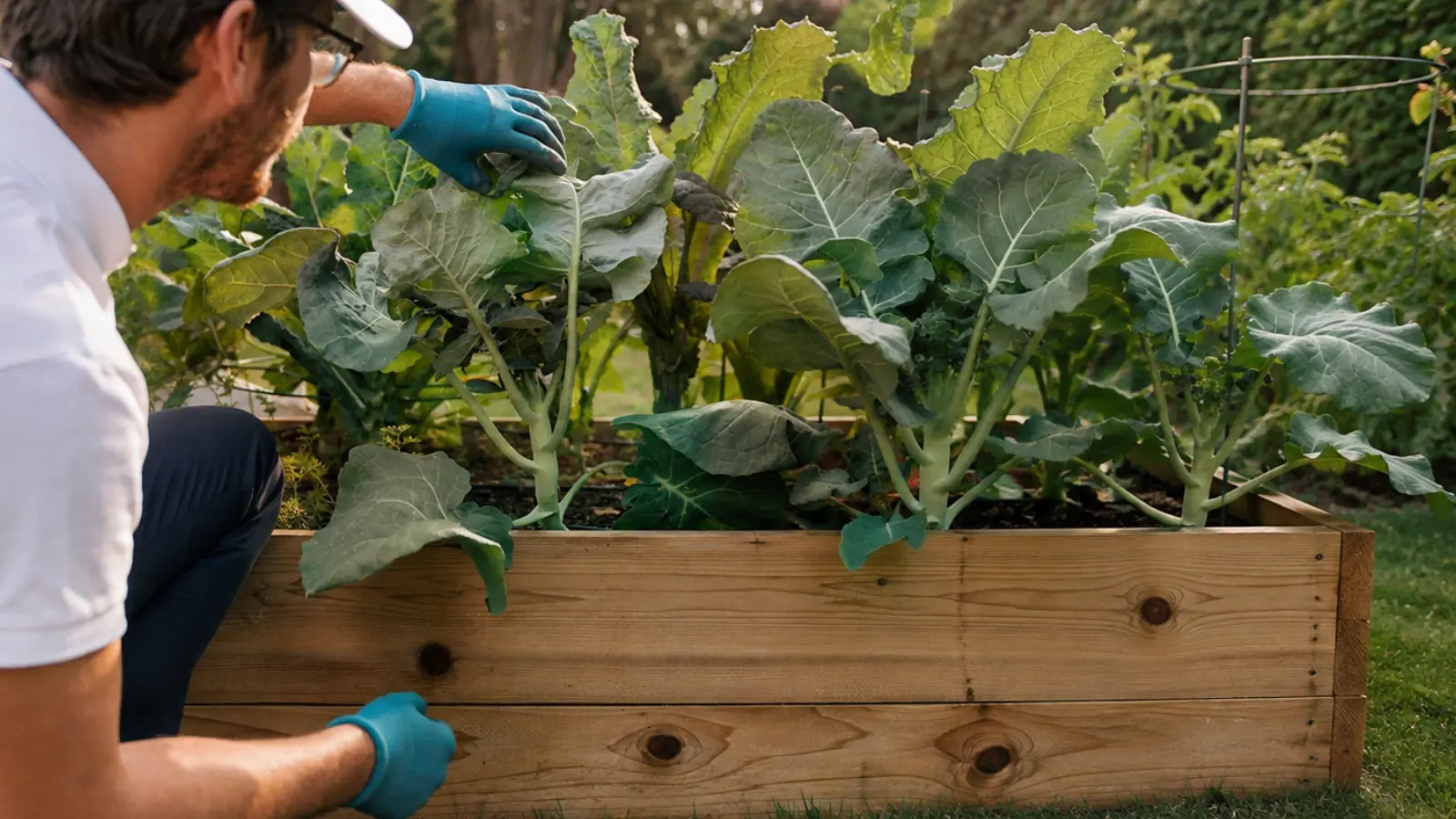
A brief walk through the garden can reveal dry soil, broken stems, chewing damage, wilt, crowded growth or a spreading problem before it becomes difficult to manage. Inspect the undersides of leaves when practical and look at the whole plant, not only the most damaged leaf. Identify the plant and the pattern of symptoms before choosing a treatment. Not every insect or spot requires intervention.
18. Clean Tools
Clean tools are easier to use and help prevent soil and plant material from being carried unnecessarily from one area to another. Remove dirt after use, dry metal surfaces and keep cutting tools sharp. Disinfecting may be appropriate between plants when a known disease risk is involved, but the method should suit the tool and the situation. Good tool care is simple maintenance, not a complicated ritual.
Observe, Record and Keep Learning
The most valuable basic gardening tips are habits that improve your decisions over time. A garden gives you useful information when you pay attention to patterns rather than judging a single day.
19. Label What You Plant
Labels are useful even when you think you will remember. Record the plant name, variety when relevant and planting date. Labels help you compare performance, identify seedlings, remember which plants were successful and find accurate care information later. They are especially valuable when several plants look similar or when a garden contains both annuals and perennials.
20. Record Dates and Results
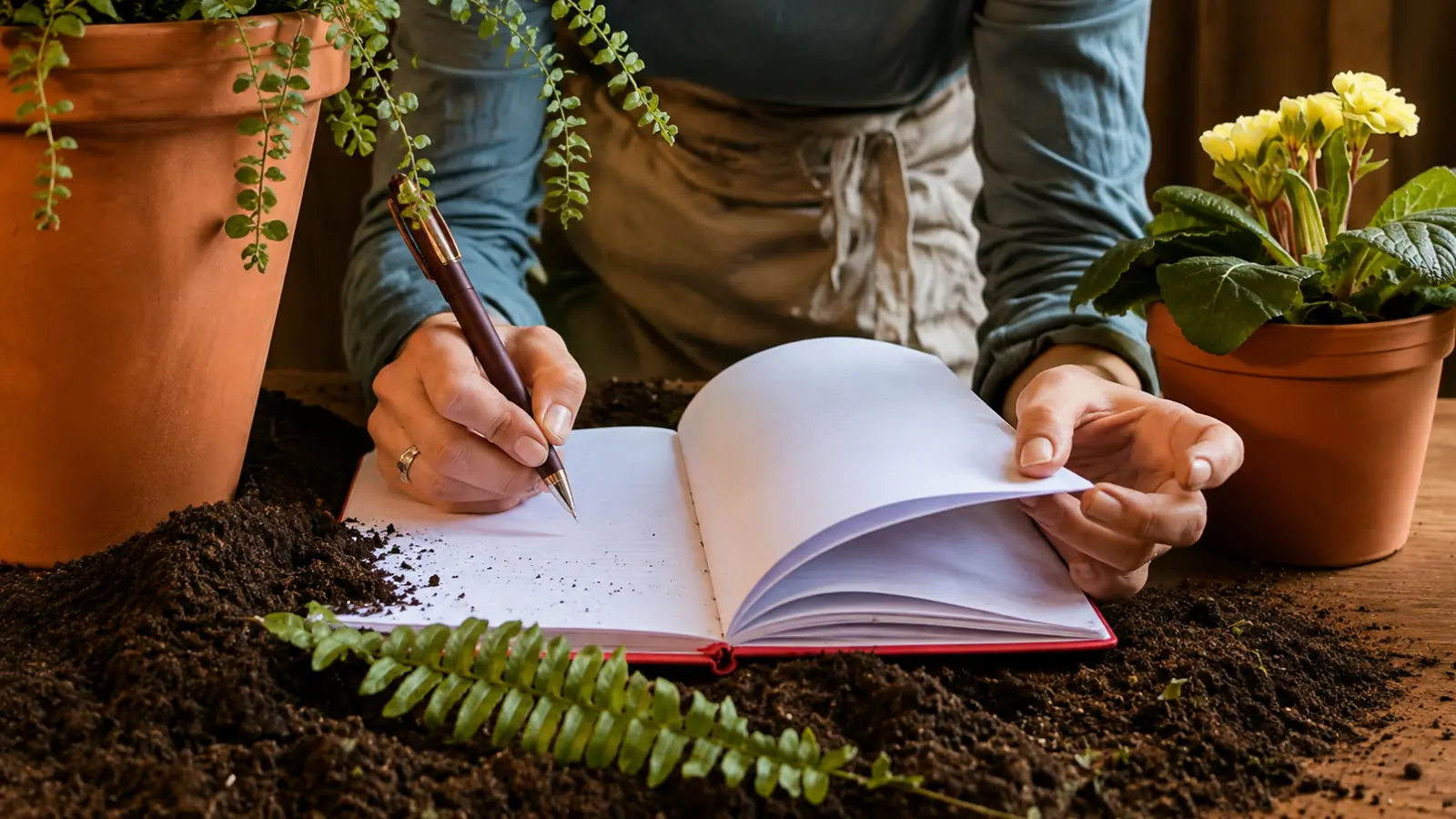
A small notebook or digital note can record sowing, transplanting, flowering, harvest, weather events and problems. The goal is simply to remember what happened in your specific garden, not to build a perfect data set. Over time, these notes become more useful than a generic calendar because they reflect your soil, exposure, microclimate and routine.
21. Learn From Failed Plants
A failed plant rarely means you lack a green thumb. Ask what the plant experienced: too much shade, poor drainage, frost, heat, root disturbance, crowding, pests or inconsistent water. One result may not prove a single cause, so change what you can and avoid repeating the same conditions. Gardening improves through observation and adjustment, not through never making a mistake.
22. Plant at the Right Time, Then Use Specific Guides
Plant when the plant, soil and local weather conditions are suitable, not simply because the calendar says it is spring. General gardening advice for beginners is useful until the decision depends on a particular plant, season or structure. When you are ready to create the garden, read How to Start a Garden. For a layout, use Garden Layout; for timing, see When to Start a Garden; and for the planting process, follow Planting a Garden.
Let Observation Do More of the Work
The best gardening habits are not about doing more to every plant. They are about noticing what the garden is telling you before you water, fertilize, prune, move, replace, or treat something. Better observation leads to more precise decisions and prevents many problems from becoming unnecessary work.
Keep the garden manageable, choose plants that fit the conditions you actually have, and pay attention to what changes throughout the season. Over time, those small observations turn individual gardening tips into practical gardening skill.
COMMON QUESTIONS
Before you begin.
What are the best gardening tips for beginners?
Start with a small, manageable space and learn its conditions before buying plants. Observe sunlight, soil drainage and water access, then choose plants suited to that environment. Leave enough room for mature growth, water according to soil moisture rather than a fixed schedule, and check the garden regularly so you can catch problems early.
How do I choose the right plants for my garden?
Choose plants based on the conditions you actually have rather than appearance alone. Check each plant’s sunlight, water, soil, hardiness and mature-size requirements, along with its tolerance for local heat or cold. Plants that naturally match the site generally require less corrective care and are more likely to perform well.
How often should I water my garden?
There is no single watering schedule that works for every garden. Check moisture in the root zone and consider the plant, soil, weather, rainfall and stage of establishment before watering. Newly planted plants often need closer monitoring, while established plants may need less frequent watering once their roots have developed.
Should I fertilize a plant whenever it looks weak?
No. Weak or unhealthy growth can result from too little or too much water, unsuitable light, poor drainage, temperature stress, root problems, pests or disease. Check the growing conditions before adding fertilizer, and use nutrients only when they are appropriate for the plant and soil.
How can I make a garden easier to maintain?
Keep the garden within a size you can realistically care for, provide easy access to planting areas and choose plants suited to your climate and available time. Leave adequate spacing, mulch appropriately, remove weeds while they are small and group plants with similar needs when practical. Regular small tasks are usually easier than correcting neglected problems later.
What should I do when a plant starts struggling?
Observe the plant before treating it. Check soil moisture, sunlight, drainage, temperature, recent weather, roots and signs of pest or disease damage, then look for patterns across the whole plant rather than focusing on a single damaged leaf. Identifying the likely cause before watering, fertilizing or applying a treatment helps prevent making the original problem worse.