There is no single best date to start a garden across the United States. The right timing depends on your climate, frost risk, soil conditions, local weather and the plants you want to grow, which means a calendar month alone cannot tell you when every garden should begin.
It also depends on what you mean by “start.” Planning, preparing beds, starting seeds and planting outdoors are separate stages that often happen at different times. This guide explains how to time each one so you can make decisions based on actual growing conditions rather than a universal spring planting date.
When to Start a Garden at a Glance
Begin planning when you know your goals and have time to study the site. Prepare beds when the soil can be worked without becoming compacted. Start seeds according to the plant’s requirements and local frost timing. Plant outdoors when the plant, soil and weather conditions are suitable—not simply when the calendar reaches spring.
The Four Clocks of Garden Timing
Garden timing becomes clearer when you separate the project into four clocks:
- When to plan: decide what you want to grow, where it will go and what the season requires.
- When to prepare: make the soil, beds, containers, paths and tools ready.
- When to start seeds: begin seeds indoors or outdoors according to the plant and local conditions.
- When to plant outdoors: move transplants or sow directly when temperature, frost risk and soil conditions are appropriate.
These clocks overlap, but they are not interchangeable. You may plan weeks before you prepare, prepare before the weather is suitable for planting and start some seeds while other plants still need protection. Confusing the stages is one reason a gardener can feel either late or rushed when the actual garden is still on schedule.
There Is No Single U.S. Start Date
When people ask when they should start a garden, they often expect a month such as March, April or May. That answer is too broad for the United States. A cool spring in the Northern Plains, an early warm period in the Southeast and a mild winter in parts of the West create very different planting conditions.
Local differences matter too. A sunny, sheltered yard may warm earlier than a shaded low spot. A raised bed may drain and warm differently from heavy ground soil. A balcony can be exposed to wind even when the surrounding neighborhood is warm.
Use the calendar to organize your thinking, not to override the conditions of the site. The best time to start a garden is the point at which the next stage of the work is supported by the plant and the environment.
Climate vs. Calendar Date
A calendar tells you where you are in the year. Climate and weather tell you what the garden can safely do. For timing decisions, consider air temperature, soil temperature when relevant, frost risk, rainfall, wind and the plant’s tolerance.
“Spring” may be an appropriate season for planning or preparing in one location but still too cold for planting tender plants outdoors. Likewise, a warm spell does not necessarily mean winter has ended. Short-term weather and long-term seasonal patterns both matter.
Keep the plant’s requirements at the center of the decision. A cool-season plant may tolerate conditions that would damage a warm-season plant, while a perennial’s winter survival is a different question from the best time to sow an annual.
USDA Zones and Frost Dates
The USDA Plant Hardiness Zone Map is a useful reference for perennial plants. It is based on average annual extreme minimum winter temperatures and helps you evaluate whether a perennial is likely to survive winter in a location.
A hardiness zone does not tell you when to plant everything. It does not describe summer heat, humidity, rainfall, soil temperature, day length or the exact timing of frost. Use it together with plant-specific information and local guidance.
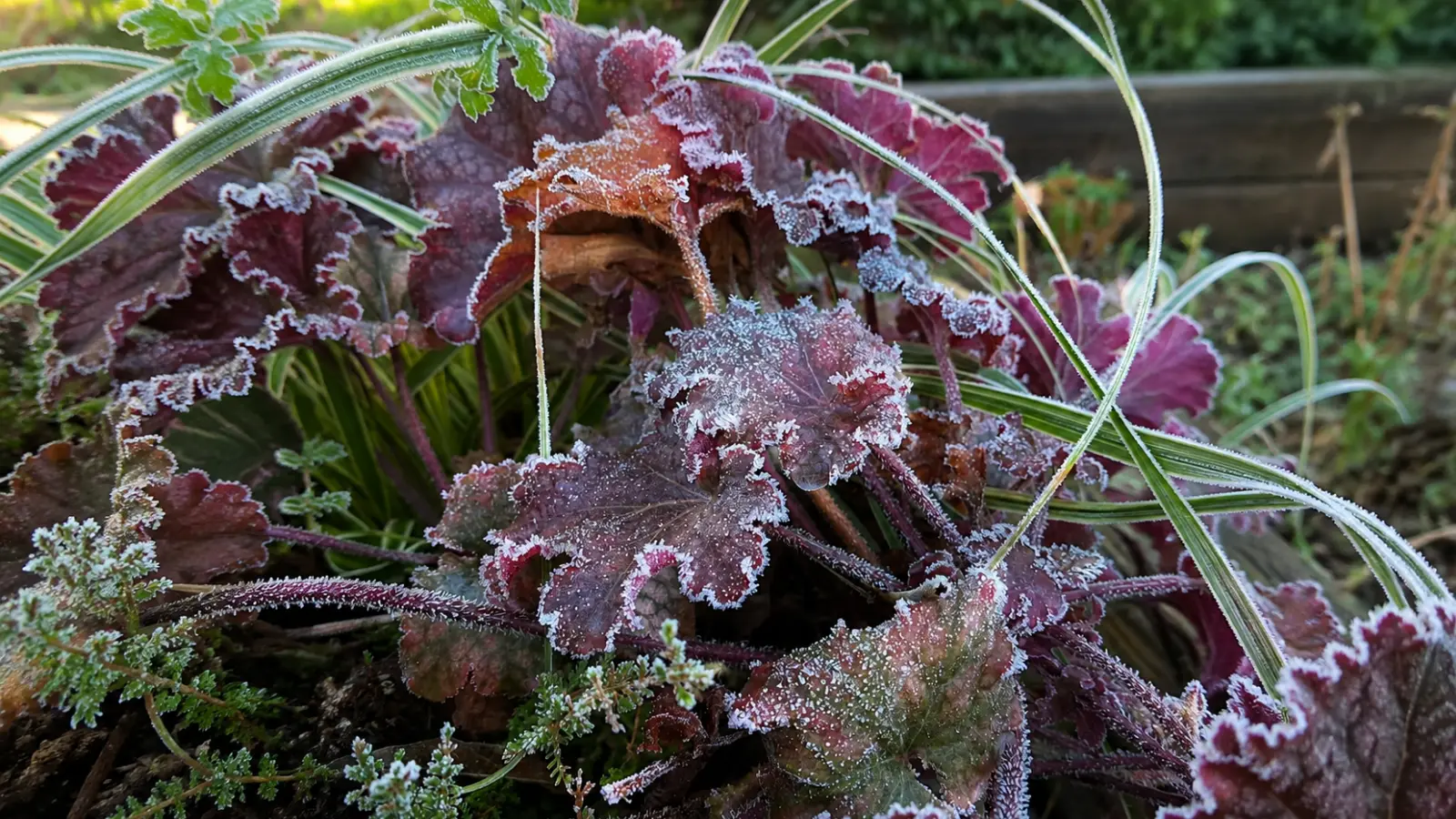
First and last frost dates are estimates used to understand the beginning and end of a frost-sensitive period. They are not guarantees. A late frost can still happen after an average last-frost date, and a warm autumn can extend the season beyond an expected first-frost date.
When using frost dates, ask:
- Is the date based on the nearest station or a broader regional estimate?
- Does the plant tolerate a light frost, or is it sensitive to cold?
- Is the soil warm enough for the plant to grow?
- Will a building, slope or sheltered wall change the local conditions?
- What protection is available if the forecast changes?
For a practical starting point, use zone information for winter survival and frost information for seasonal risk. Neither replaces observing the actual garden.
Cool-Season vs. Warm-Season Plants
Cool-season and warm-season plants respond differently to temperature, so the same calendar date cannot work equally well for both.
Cool-Season Plants
Cool-season plants generally perform best in the cooler parts of the growing year and can often shrug off a light frost that would set tender plants back. They are often considered for earlier spring or later-season planting, but the exact timing still depends on the plant and local conditions.
Warm-Season Plants
Warm-season plants generally need warmer soil and air, and they are more vulnerable to frost or cold stress. A warm afternoon is not enough if nights remain cold or the soil has not warmed. Wait for the plant’s requirements and local conditions rather than using the first warm day as the signal.
This distinction is a useful framework, not a complete list of planting dates. For species-specific timing, use the future CULTIVRA Seeds and Seed Starting cluster and local Extension recommendations.
When to Begin Planning
Begin planning as soon as you can make useful decisions about the space. You do not need to wait for outdoor planting weather to measure the area, observe sunlight, review mature plant sizes or decide how much maintenance fits your schedule.
Planning earlier gives you time to compare plants, order materials, track down reliable local timing information and scale back a plan that turns out to be unrealistic. It also separates thoughtful decisions from the pressure of buying whatever is available on the first warm weekend.
Use How to Plan a Garden if you are deciding what the garden should contain. Use How to Start a Garden if you are ready to turn an unused space into a garden in a practical sequence.
When to Prepare Beds
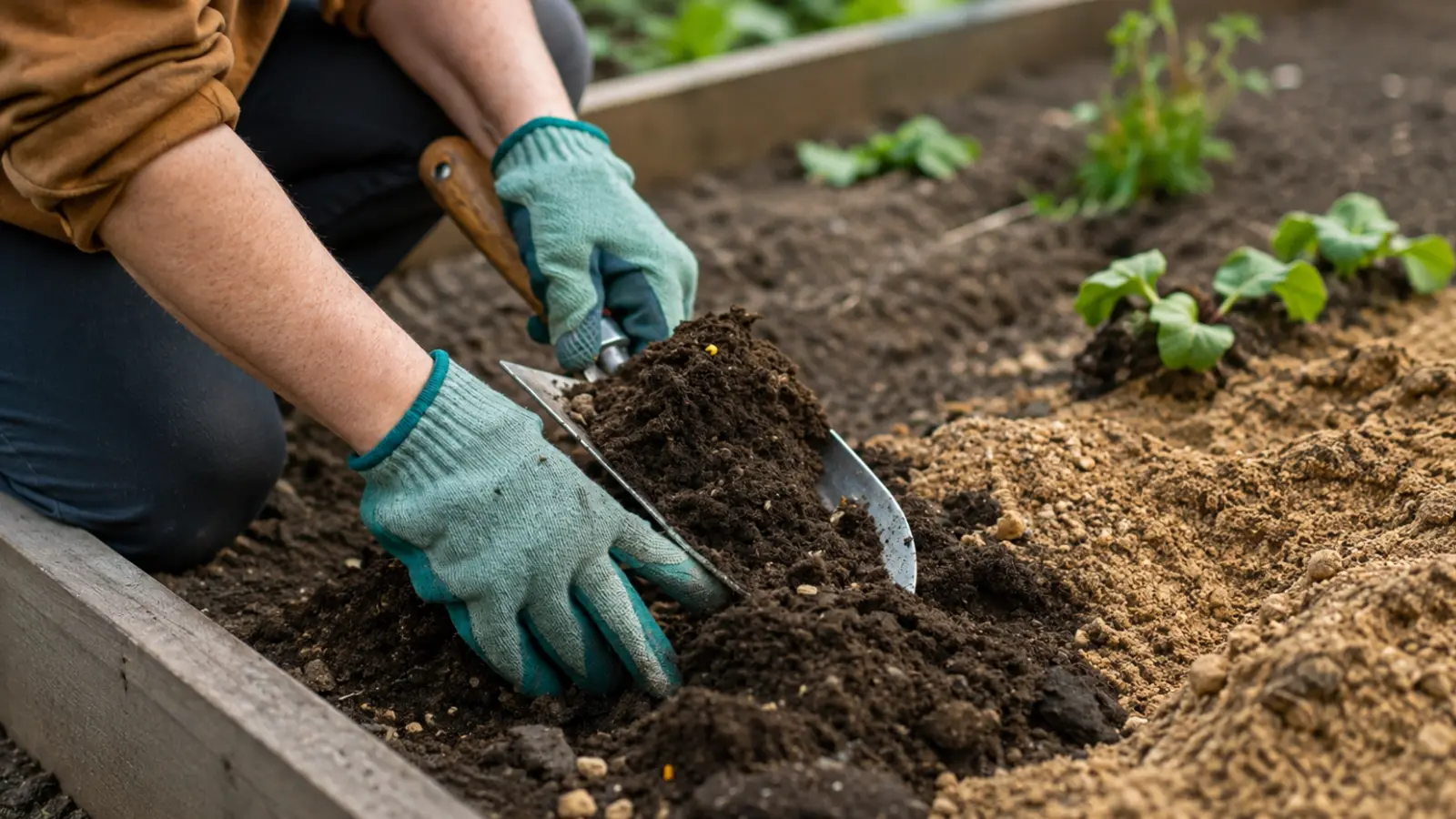
Prepare beds when the soil and weather allow you to work without damaging the structure. Soil that is too wet can compact under footsteps or tools, reducing the air spaces roots need. Frozen soil is not ready to be worked simply because the calendar says it is planting season.
Preparation can include clearing unwanted growth, defining edges, checking drainage, working in a suitable amendment, setting up containers, laying out paths and organizing water access. The right time depends on the site and the task.
Prepare only the area you can plant and maintain. A smaller prepared bed is more useful than a large area left exposed while you wait for time, materials or suitable weather.
When to Start Seeds
Seed-starting timing depends on the plant, the local season and whether the seed will be sown outdoors or started under protection. The seed packet may describe when to sow relative to the average last frost, but local conditions still matter.
Some seeds are best sown directly in the garden because they do not benefit from being moved. Others are started indoors or in a protected space so they have more time to grow before outdoor conditions become suitable. Starting earlier is not automatically better if seedlings do not receive enough light, become crowded or outgrow their containers.
Keep this article at the overview level. For seed depth, germination conditions, indoor light and transplant timing, lean on plant-specific instructions and the Seeds and Seed Starting cluster referenced above.
When to Buy Transplants
Buy transplants when you can give them suitable care before they go into the garden. Shopping too early may leave tender plants crowded in small containers or exposed to conditions they cannot tolerate. Shopping too late may reduce variety, but a healthy, suitable plant is more useful than a rushed purchase.
Before buying, confirm the plant’s light, temperature, soil, mature size and timing requirements. Choose plants with sturdy growth and no obvious signs of severe stress, and have the planting location ready when possible.
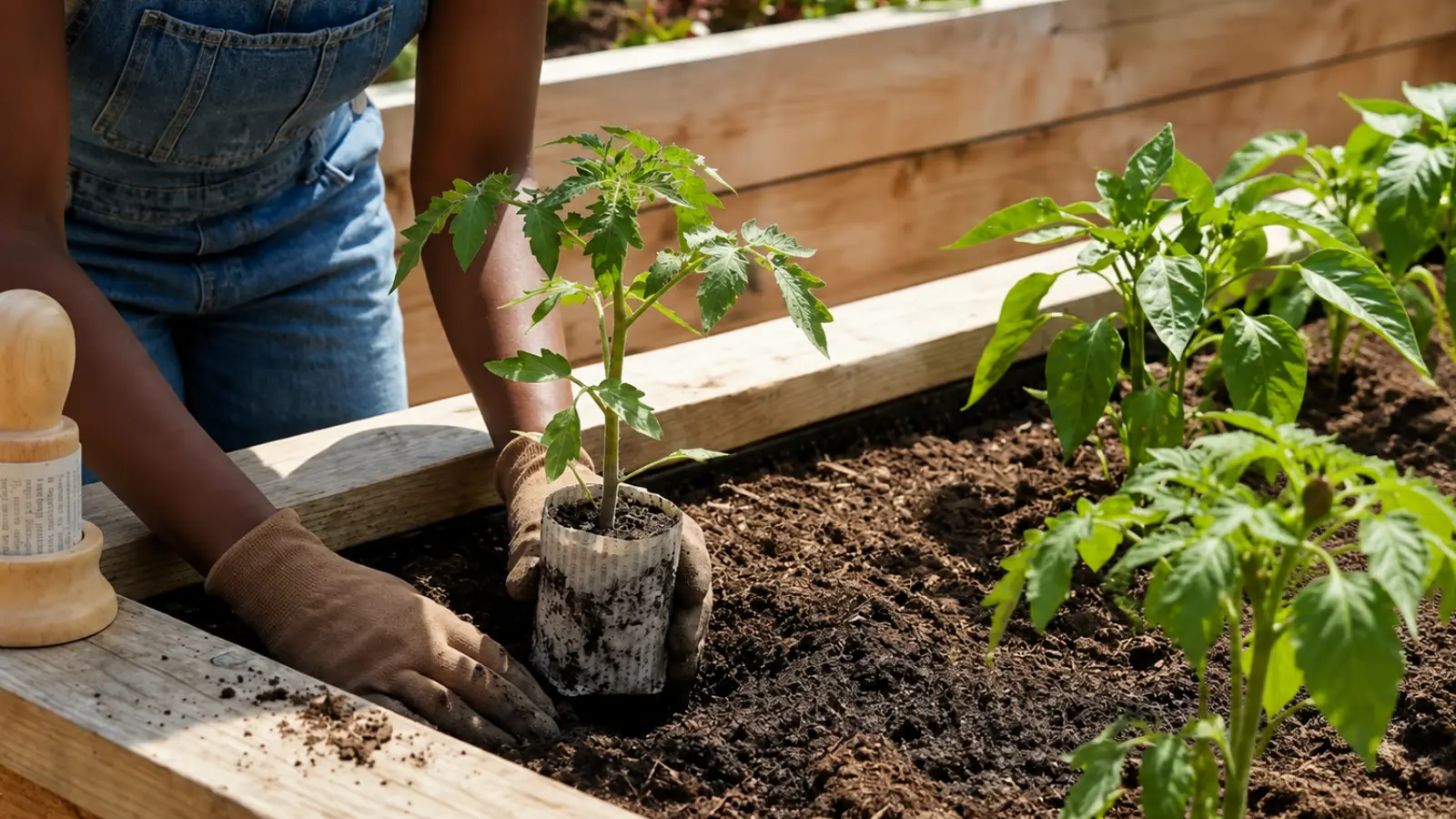
If a transplant was grown indoors or under protection, it may need gradual acclimation to outdoor light, wind and temperature. Do not assume that a nursery plant is ready for every outdoor condition the day you bring it home.
When to Plant Outdoors
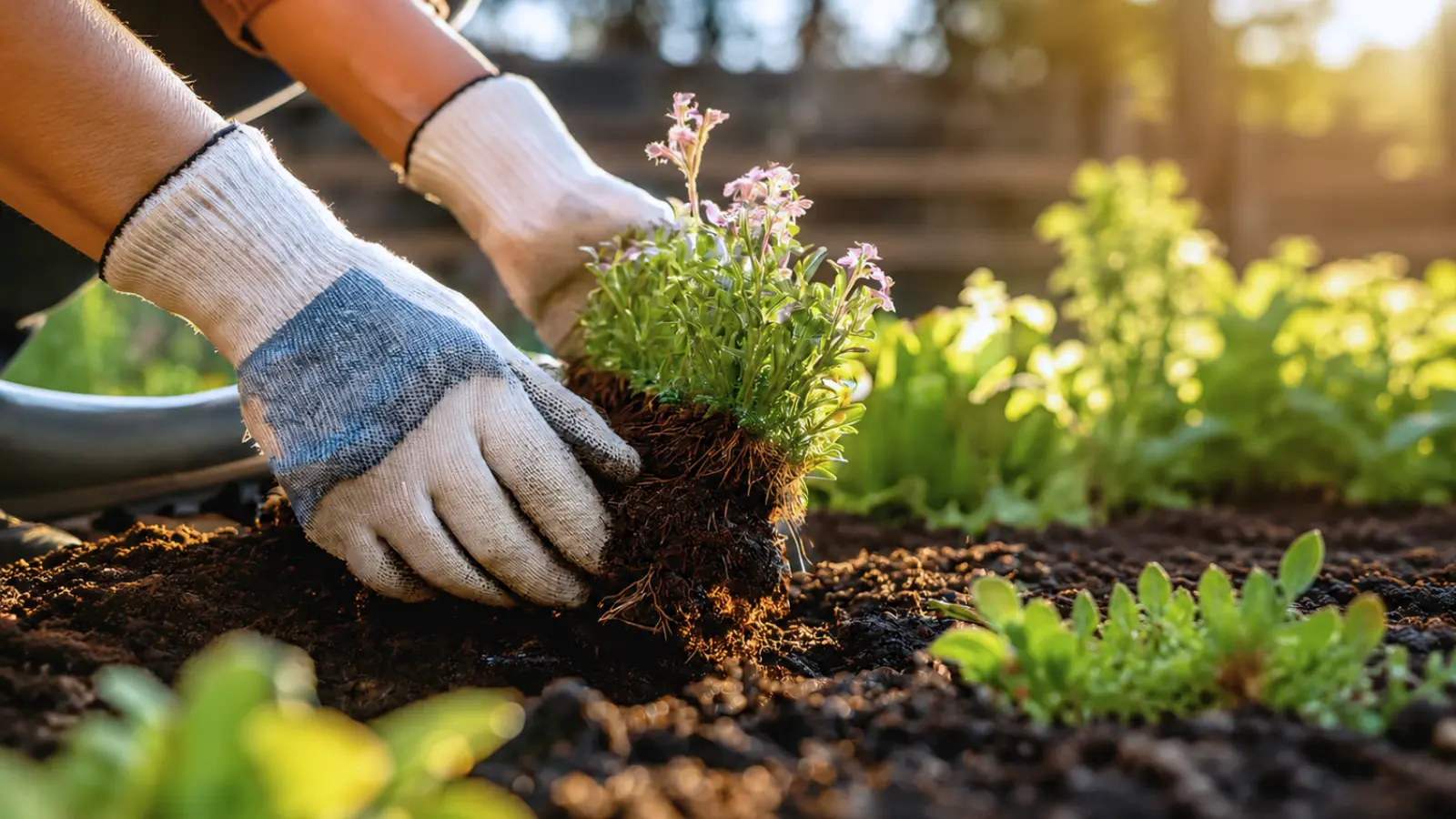
Plant outdoors when the plant is suited to the current conditions and the site is ready. Check the plant tag or seed packet, local frost information, soil condition and the short-term forecast. A suitable planting window is a combination of signals, not one date.
Before planting, ask:
- Has the risk of damaging frost passed for this plant?
- Is the soil workable and appropriately moist rather than frozen or waterlogged?
- Are nighttime temperatures suitable?
- Will the plant move from protection into full outdoor exposure too quickly?
- Can you water and monitor it during the first week?
For the physical process of placing seeds and transplants, see Planting a Garden. This article answers when to move to that step, not how to perform every planting technique.
Can You Start Late, in Summer or Fall?
Starting Late
Being past the traditional spring window does not automatically mean the garden is finished. The answer depends on your region, the current temperature, the remaining growing conditions and the plant. Some plants can establish later, while others need more time than the season allows.
Choose a realistic next step. You may be able to plant a suitable transplant, use a container, focus on a shorter-season option or begin planning for the next season. Avoid choosing a plant that requires conditions your remaining season cannot provide.
Starting in Summer
Summer planting can be stressful because heat, wind and rapid drying place extra pressure on roots. If you start in summer, choose a suitable planting window, protect newly planted roots from unnecessary exposure and monitor moisture closely. The plant’s tolerance matters more than the fact that it is summer.
Starting in Fall
Fall can be a useful planting season in some regions, particularly for plants that can establish before winter. There needs to be enough time left before the ground cools or freezes for roots to settle in, and the plant itself has to suit the local climate. Do not treat fall as a universal second spring.
Mild-Winter Climates
In areas with mild winters, gardening may continue through parts of the year when colder regions are resting. That does not mean every plant can be started at any time. Heat, drought, humidity, winter rain and short periods of cold can still determine what succeeds.
Gardeners in mild-winter climates should pay close attention to plant-specific temperature ranges and local seasonal guidance. A plant that dislikes extreme summer heat may have a better window in fall or winter, while a cool-season plant may struggle when temperatures rise.
Use local information rather than assuming that “mild winter” means “no timing limits.” CULTIVRA’s forthcoming Seasonal Gardening cluster will go deeper into regional seasonal patterns.
Use Local Extension Guidance
When timing affects plant health or the success of a crop, use information from a nearby Cooperative Extension Service, university horticulture program or other recognized local source. These resources can account for regional frost patterns, soil conditions, growing seasons and plants commonly grown in the area.
Use national information to understand the framework, then local information to refine the decision. Compare the guidance with the plant tag or seed packet, and pay attention to the publication date when recommendations are likely to change.
Good local guidance should help you understand the signal behind a recommendation, not only give you a date to copy. If the forecast, soil and plant requirements disagree with a calendar, investigate the conflict before planting.
Garden Timing at a Glance
Use this table to identify which timing question you are actually trying to answer.
| Stage | Timing Signal | What to Check | Typical Action |
|---|---|---|---|
| Plan | Time to make decisions before the active season. | Goals, space, light, water, budget and maintenance. | Choose the garden’s purpose and create a plan. |
| Prepare | Soil and site can be worked without damage. | Drainage, compaction, access, materials and growing medium. | Prepare beds, containers, paths and tools. |
| Start Seeds | The plant’s sowing window and local conditions align. | Seed packet, light, temperature, frost timing and space. | Sow directly or start under protection as appropriate. |
| Plant Outdoors | Plant, soil and weather are suitable together. | Frost risk, nighttime temperature, soil and forecast. | Plant seeds or acclimated transplants and begin first-week care. |
For most gardens, these stages overlap. The table is a way to choose the right next action, not a universal calendar.
Follow the Conditions, Not Just the Calendar
The best time to start a garden is not one universal date. Planning can begin long before planting, soil preparation depends on workable conditions, seeds follow plant-specific timing, and outdoor planting depends on frost risk, temperature, soil and weather working together.
Use the calendar to organize the season, but let the plant and your local conditions make the final decision. Good timing is not about starting as early as possible; it is about moving to each stage when the garden is ready for it.
COMMON QUESTIONS
Before you begin.
When is the best time to start a garden?
The best time depends on your location, the plants you want to grow and which stage of gardening you mean. Planning can begin well before planting, while seed starting and outdoor planting depend on frost risk, temperature, soil conditions and plant-specific requirements. There is no single best date for every garden in the United States.
When should I start a garden in spring?
Spring timing varies by climate and plant type. You can often begin planning and preparing before outdoor planting is appropriate, but tender plants may need to wait until frost risk has decreased and temperatures are suitable. Cool-season plants may tolerate earlier conditions than warm-season plants, so use local guidance and plant-specific instructions rather than the calendar alone.
How do I know when it is safe to plant outdoors?
Check the plant’s temperature tolerance, local frost information, nighttime temperatures, soil condition and short-term weather forecast. The soil should be workable rather than frozen or waterlogged, and frost-sensitive plants should not be moved outside simply because a few warm days have occurred.
When should I start seeds indoors?
Indoor seed-starting dates depend on the plant and your local growing season. Seed packets often provide timing relative to the average last frost date, but you also need enough indoor light, suitable temperatures and adequate growing space. Starting seeds too early can result in weak, crowded or overgrown seedlings before outdoor conditions are ready.
Is it too late to start a garden in summer or fall?
Not necessarily. Whether you can start successfully depends on your climate, current temperatures, frost risk and how much growing time the plants need. Summer planting may require closer moisture monitoring because of heat, while fall can be suitable for some plants in regions where they have enough time to establish before colder conditions arrive.
What is the difference between USDA hardiness zones and frost dates?
USDA hardiness zones describe average annual extreme minimum winter temperatures and are especially useful for evaluating perennial winter survival. Frost dates estimate when frost is likely to occur during the growing season and are more useful for seasonal planting decisions. Neither provides a complete planting schedule, so both should be combined with local conditions and plant-specific guidance.