Gardening for beginners becomes much easier when you understand how the basic parts of a garden work together. Sunlight affects which plants will thrive, soil and drainage shape root health, climate influences timing, and even simple choices such as spacing and watering can determine how manageable a garden becomes.
You do not need to master every gardening technique before planting your first seed or bringing home your first plant. What matters most is learning how to read the conditions you have, choose plants that suit them, and build a garden small enough to observe, maintain, and improve over time.
This beginner gardening guide explains the fundamentals of sunlight, soil, water, climate and growing zones, seeds and seedlings, annuals and perennials, garden types, essential tools, planning, planting, basic care, common problems, seasonal timing, and the gardening vocabulary every new gardener should understand.
Gardening for Beginners at a Glance
Successful beginner gardening starts with matching the right plant to the right place at the right time. Check the available sunlight, understand your soil and drainage, choose plants suited to your climate, give them enough room, and learn to water according to conditions rather than habit. Start with a manageable area so you can observe, adjust and build skill without turning the garden into an unmanageable project.
What Gardening Actually Involves
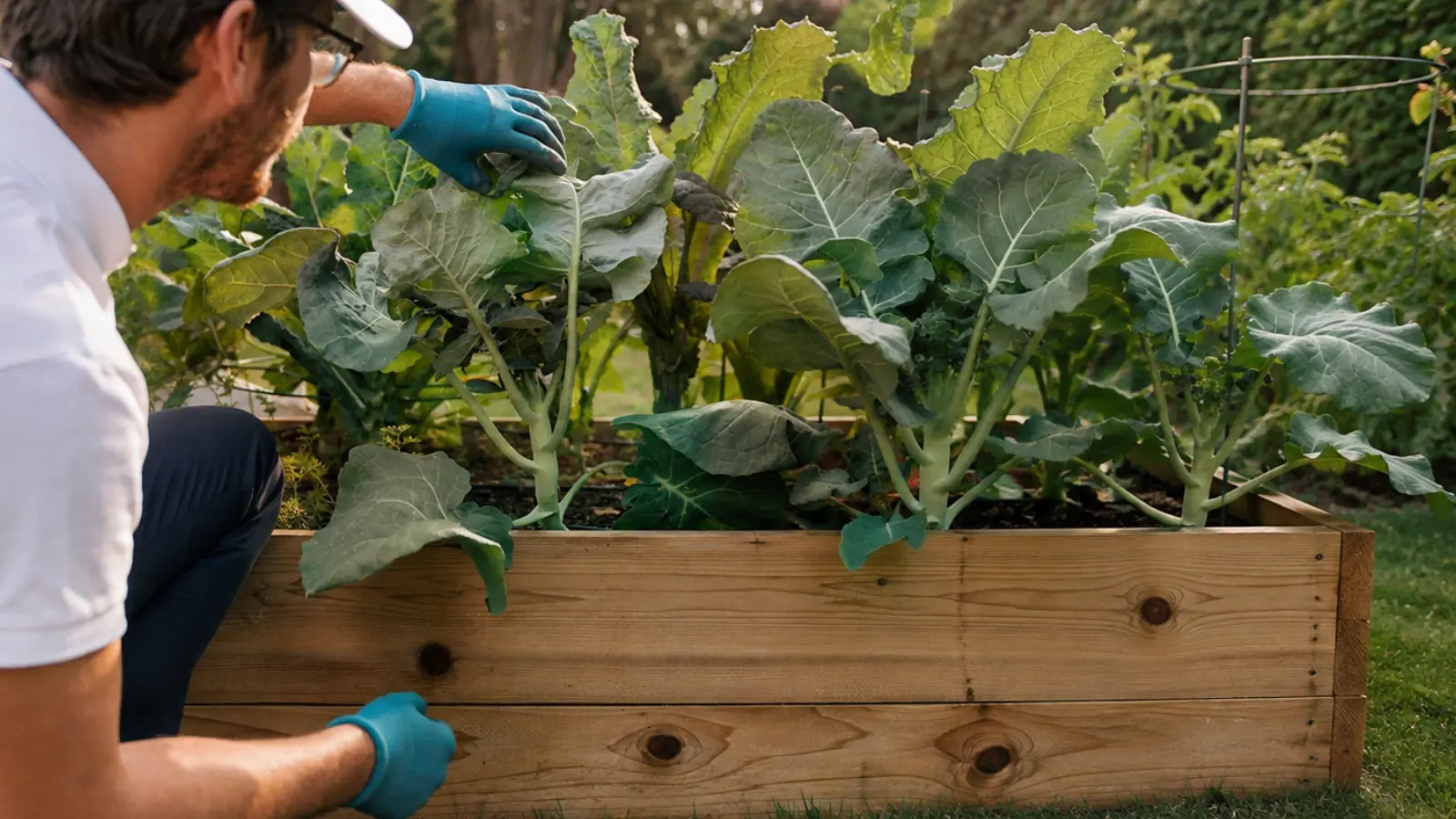
Gardening is the practice of growing and caring for plants in a chosen environment. That environment may be a backyard bed, a patio container, a small strip beside a walkway or a larger landscape. The scale changes, but the underlying work is similar: select plants, provide suitable conditions, establish them well and respond to what you observe.
For a beginner, gardening means choosing what to grow, reading the conditions of the site, establishing plants, providing appropriate care and learning from the season. Those decisions are connected: a plant chosen for the wrong light will be harder to water well, maintain and keep healthy.
Simple gardening still respects those fundamentals. It just means making fewer, better-matched decisions and keeping the first project within the time, space and budget you actually have.
What Plants Need to Grow
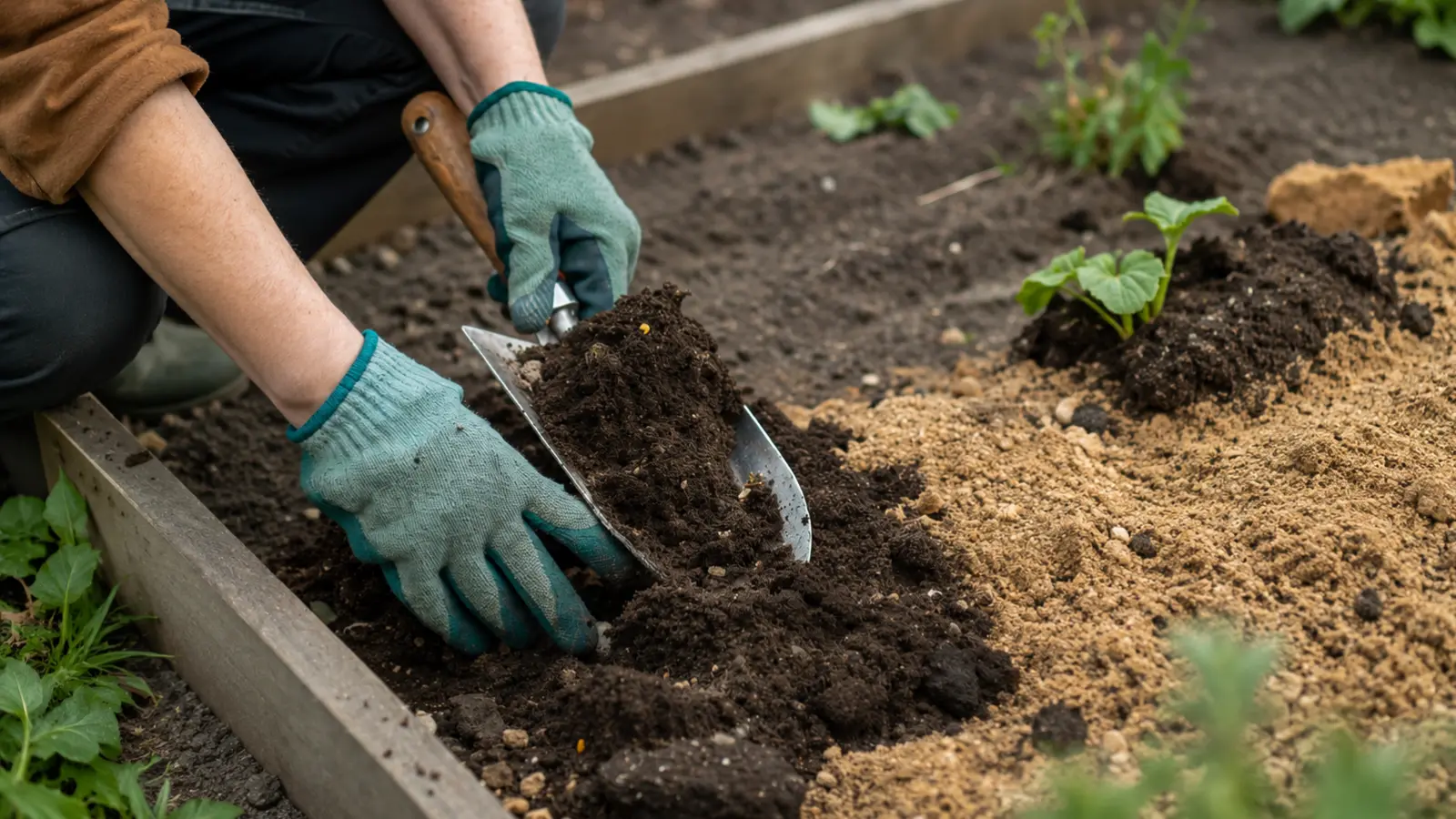
Plants use light to make energy, take up water and nutrients through their roots, and exchange gases through their leaves. They also need a physical growing medium that gives roots access to air, moisture and support. Temperature influences germination, growth, flowering and survival.
The main needs are connected rather than interchangeable:
- Light: provides the energy plants use for photosynthesis. The amount and intensity required varies by plant.
- Water and air: water supports cell function and nutrient movement, while roots also need oxygen. Constantly saturated or compacted soil can interfere with healthy growth.
- Nutrients: plants need mineral nutrients in appropriate amounts, and extra fertilizer beyond that point tends to do more harm than good.
- Temperature and space: each plant has a suitable temperature range, and roots, stems and leaves need room to develop without excessive crowding.
When a plant struggles, begin with these conditions before reaching for a treatment. A plant in the wrong light or an unsuitable planting site may not improve simply because it receives more fertilizer.
Sunlight Basics
Sunlight is one of the first things to assess in a garden because it is difficult to compensate for the wrong exposure. A site that looks bright in the morning may be shaded for most of the afternoon, while a wall or paved surface may increase heat and reflected light.
Observe the area at different times of day before buying plants. Remember that shade changes with the season as trees leaf out and the sun’s angle shifts.
Plant labels commonly describe exposure as:
- Full sun: a site with substantial direct sunlight, often around six or more hours daily, although the exact recommendation depends on the plant and local conditions.
- Part sun or part shade: fewer hours of direct sun or protection from the strongest afternoon exposure.
- Shade: limited direct sunlight, which may still range from bright filtered light to deep shade.
These labels are starting points, not guarantees. Match the plant’s stated preference to the actual conditions, including heat, reflected light and wind.
Soil Basics
Soil is more than a place to hold a plant upright. It is the root environment that stores water, contains air spaces and supplies some nutrients. Texture, structure, organic matter, drainage and pH all influence how a plant performs.
Beginners often worry that they need perfect soil before planting anything. A better first step is to observe drainage, compaction and how easily roots can enter the soil. A soil test can be useful when pH or nutrient levels are a concern.
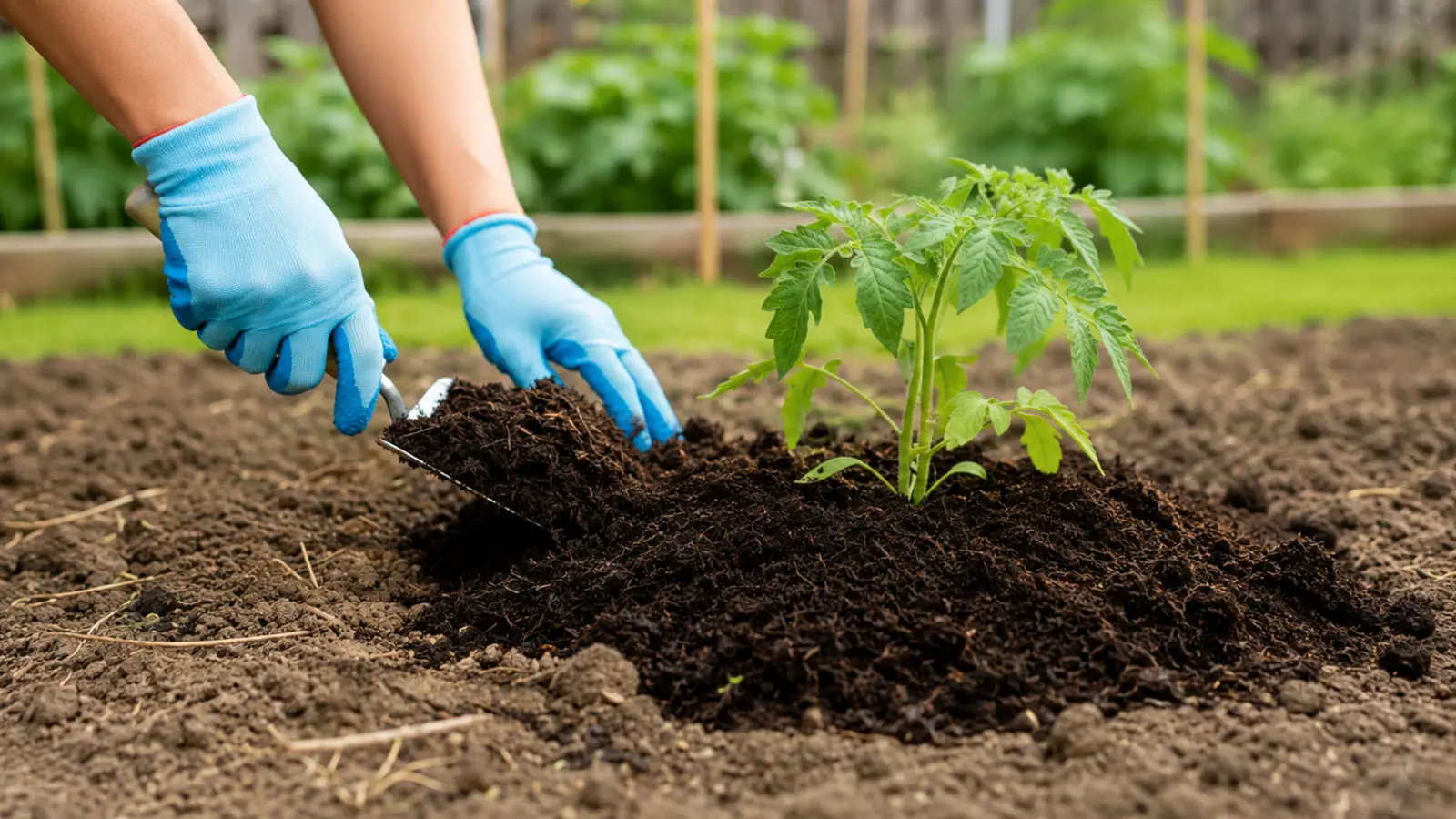
Compost and other organic amendments can improve some soils, but the right approach depends on the site and the plants. Adding large amounts without understanding the problem can change drainage or create uneven conditions.
Use a quality potting mix for containers rather than digging ordinary garden soil into a pot. Containers need a medium that drains well while retaining enough moisture for the plant’s root volume.
The principle is simple: healthy roots need a growing medium with a workable balance of moisture, air, structure and nutrients.
Water Basics
Watering means supplying enough moisture for the plant and root zone while allowing excess water to drain, not just wetting the surface of the soil. The correct frequency depends on the plant, soil, container size, weather, wind, season and stage of establishment.
Newly planted plants often need closer monitoring because their roots have not yet spread through the surrounding soil. Established plants may need less frequent attention, particularly when they are suited to local conditions and have access to deeper moisture.
Before watering, check the soil where the roots are growing rather than relying only on the surface. A dry surface does not always mean the root zone is dry, and a wet surface does not show whether water has reached deeply enough. Water at the base of the plant when practical, and avoid creating consistently saturated conditions.
Containers usually dry faster than in-ground beds. Small pots, dark containers, windy balconies and exposed patios may need more frequent checks. Still, a calendar reminder should support observation, not replace it.
Climate and Growing Zones
Gardening in the United States cannot be planned from the calendar alone. Spring arrives at different times in Maine, Texas, Arizona and Washington, and even two gardens in the same town may differ because of elevation, wind, slope, pavement or nearby buildings.
The USDA Plant Hardiness Zone Map is a useful starting point for understanding the average annual extreme minimum winter temperature at a location. It is especially helpful when evaluating whether perennial plants are likely to survive winter. It does not tell you everything a plant needs: it does not replace information about summer heat, humidity, soil, rainfall, light or first and last frost dates.
When choosing a plant, look beyond the zone and check its:
- hardiness zone range;
- sun exposure;
- soil and drainage preference;
- water needs;
- mature size;
- heat, humidity or drought tolerance and seasonal timing.
For local timing, use regional Cooperative Extension guidance and local frost information in addition to the zone map. The zone tells you about winter survival; it does not tell you the exact day to sow or transplant every crop.
Seeds vs. Seedlings
Seeds and seedlings are two ways to begin a garden, and neither is automatically better. The right option depends on the plant, season, available space and time you can give young plants.
Starting From Seeds
Seeds offer more variety and can be economical, especially for plants that are easy to direct-sow. The tradeoff is that germination and early growth are sensitive to moisture, temperature, light and planting depth.
Some seeds are best sown directly where they will grow. Others benefit from an indoor start, but indoor seedlings need adequate light and a gradual transition outdoors. Always follow the packet’s timing and depth guidance while adapting it to your local conditions.
Buying Seedlings
Nursery seedlings, sometimes called transplants, provide a more established plant and can shorten the wait for a visible garden. They are useful when the growing season is short or a plant is difficult to start from seed. Look for healthy growth, sturdy stems and roots that are not severely circling the container.
Whichever route you choose, avoid placing a tender plant outdoors simply because the calendar says it is spring. Temperature, frost risk and the plant’s tolerance matter more than a universal date.
Annuals vs. Perennials
An annual completes its life cycle in one growing season. It grows, flowers or produces seed, and then dies, although some annuals may reseed and appear again in later years. Many vegetables and seasonal flowers are grown as annuals in home gardens.
A perennial lives for more than two years. Herbaceous perennials may die back above ground in winter and return from surviving roots, while woody perennials retain stems or branches. Whether a perennial survives in your garden depends on its hardiness, microclimate and care, not only on the label.
Annuals are useful when you want quick seasonal color, flexible experiments or a fresh combination each year. Perennials can provide continuity and structure, but they may take time to establish and often require more attention to mature size and long-term placement.
Edible vs. Ornamental Gardening
An edible garden is grown primarily for food, such as vegetables, fruits or culinary herbs. An ornamental garden is grown mainly for flowers, foliage, structure, fragrance or habitat value. The distinction is useful for planning, but the two purposes can work well together.
Edible plants often have specific timing, spacing and harvest requirements, while ornamental plants may be selected for bloom sequence, height, texture or habitat value. If you are unsure where to begin, choose the purpose that will keep you interested enough to maintain the garden. Mixed gardens work when the plants’ light, water and spacing needs are compatible.
In-Ground vs. Raised Beds vs. Containers
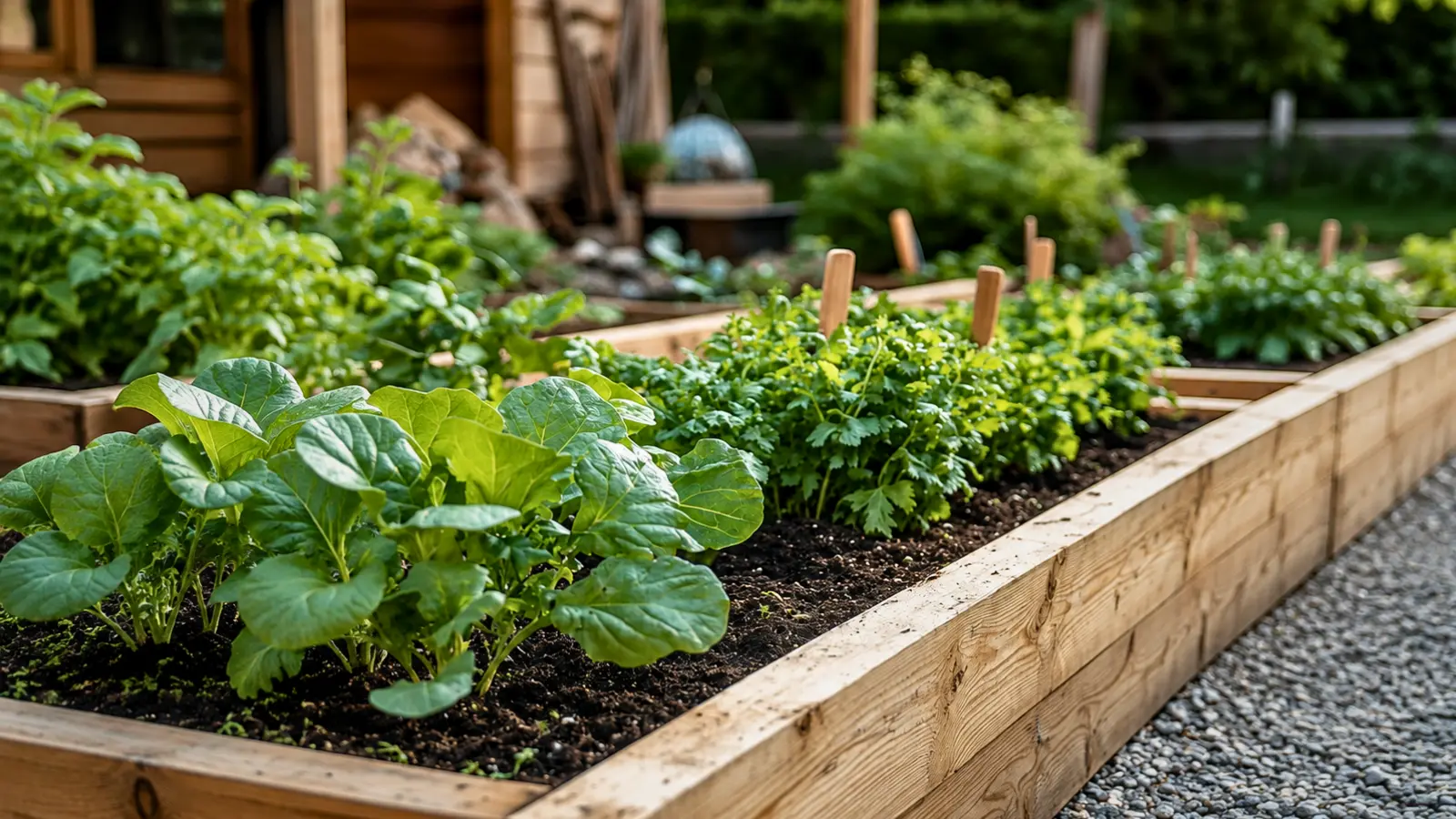
The physical form of a garden changes how you prepare, plant and maintain it. Choose the structure that fits your site and routine:
- In-ground: uses existing soil and can provide generous root space, but drainage, compaction and access need to be assessed.
- Raised beds: create a defined growing area and can simplify access and soil management, but require construction and planned soil fill.
- Containers: work well in small spaces and offer control over the growing medium, but dry faster and restrict root volume.
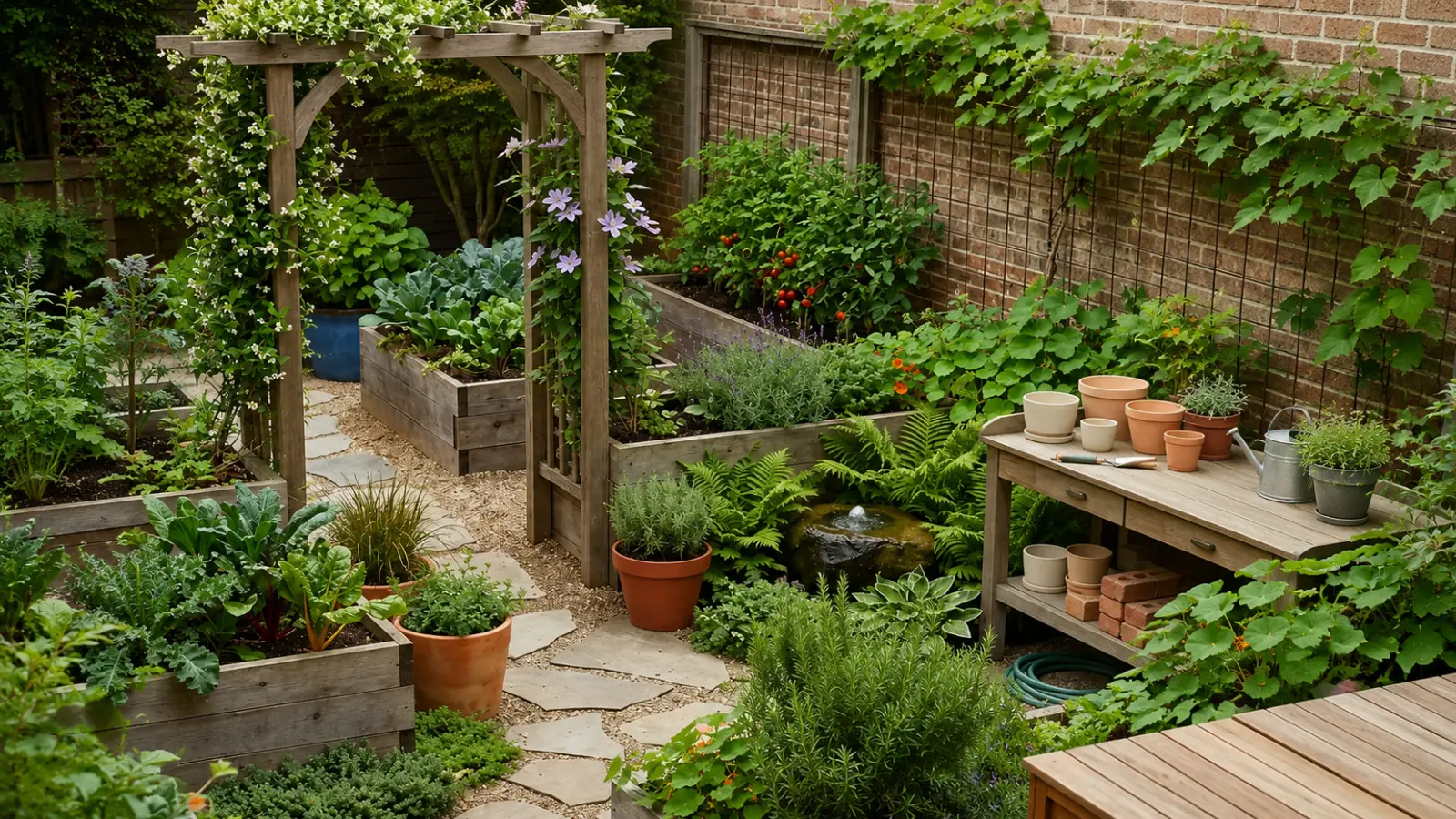
- Mixed gardens: combine formats when light, access or soil conditions vary across the space.
The best format depends on the gardener: a container garden can be the right answer for one beginner, while an in-ground bed is simpler for another. The best choice is the one you can reach, water, observe and maintain consistently.
Essential Beginner Tools
You do not need a complete shed of equipment to learn how to garden. Begin with tools that help you plant, water, move material and keep the space accessible.
- Hand trowel: for planting small plants and bulbs in beds or containers.
- Garden gloves: for handling soil, mulch and rough plant material.
- Watering can or hose with a gentle setting: for controlled watering without washing away soil or seeds.
- Pruners: for limited cutting of suitable stems and small branches; use clean, sharp tools.
- Spade or shovel: for digging, moving soil and preparing larger planting areas.
- Measuring tape and labels: for spacing, planning and remembering what you planted.
Add tools as a real need appears. Clean them after use, store them dry and use each tool for its intended job.
Planning Before Planting
Planning turns an idea into a garden that can function. Consider whether the space lets you reach plants, carry water, remove weeds, harvest, move around and make seasonal changes.
Before buying plants, record the following:
- the dimensions and boundaries of the space;
- hours and direction of sunlight;
- drainage and existing soil conditions;
- nearby trees, roots, structures and utilities;
- water access and hose reach;
- the time you can realistically give the garden each week;
- mature plant size, not only the size at purchase;
- paths and working space between planting areas.
Keep the first plan modest. Room for access and future expansion is easier to care for than a garden that uses every available inch. Use How to Plan a Garden to turn these observations into a practical planting plan.
Planting Basics
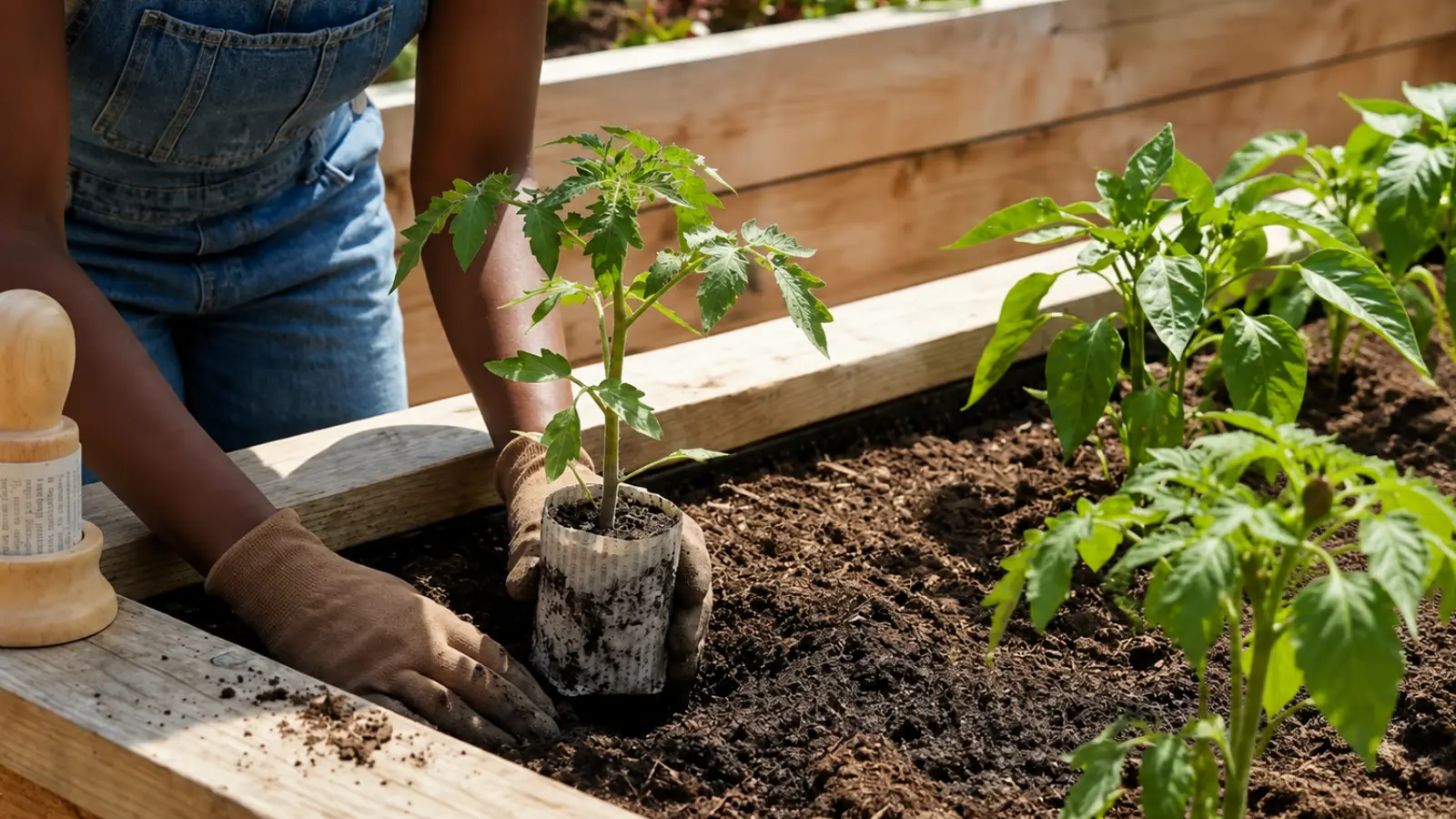
Planting means positioning a plant at the appropriate depth, giving it enough space and watering in a way that settles the soil without compacting it.
Before planting, read the seed packet or plant tag. Check the recommended depth, spacing, light, mature size and timing. Prepare the site first so roots are not left exposed while you search for tools or amend the soil.
For a nursery plant, make the hole wide enough for the root ball and set the plant at the correct soil level for that species. Avoid burying the stem or trunk unless instructions specifically call for it. If roots are tightly circling the container, gently loosen them as appropriate.
Water after planting, label the plant and monitor it during the first week. Temporary transplant stress can occur, but persistent decline calls for a closer look at water, heat, roots and planting depth. See Planting a Garden for the full process.
Basic Garden Care
Basic care is a rhythm of observation and response. Walk through the garden regularly and look at the soil, new growth, leaves, stems and space around each plant.
Common care tasks include:
- watering when the root zone needs moisture;
- removing weeds while they are small;
- adding mulch without piling it against stems or trunks;
- checking for damaged leaves, unusual growth or signs of stress;
- supporting plants that need staking or another structure;
- deadheading or pruning only when appropriate for the plant;
- recording planting dates, problems and results.
Fertilizer is not a substitute for suitable light, water or soil. Identify the limiting condition before adding nutrients, and use a simple journal to track recurring problems.
Weeds, Pests, and Common Problems
Every garden will contain some imperfection. Weeds compete for space and resources, insects may feed on plants, and weather can cause damage even when care is thoughtful. The goal is to recognize problems early and decide what response is justified, rather than trying to eliminate every living thing in the garden.
Start by identifying the plant and describing the symptom accurately. “The leaves look wrong” is an observation, not a diagnosis. Note where the damage appears, how quickly it developed and what changed recently in the weather or care routine.
For weeds, remove young plants before they set seed when practical and avoid disturbing soil more than necessary. For pests, check whether the damage is minor, whether the plant is still growing and whether the insect is actually causing the problem. Beneficial insects and harmless visitors do not require the same response as a serious infestation.
Be especially careful with pesticides, herbicides, fertilizers, toxic plants and treatments around children and pets. Follow the product label, and do not use a treatment simply because an online photograph looks similar.
The Seasonal Rhythm of a Garden
A garden changes throughout the year, and so does the work. Because seasons differ across the United States, use local climate signals rather than treating a calendar month as a universal instruction.
- Planning: review goals, site conditions, plant choices and available time before the busiest planting period.
- Preparation: improve access, clear the site, check soil and drainage, and organize materials when conditions allow.
- Establishment: plant when the plant and soil conditions are suitable, then focus on consistent early care.
- Active growth: monitor water, weeds, pests, support, harvest and plant development.
- Transition: remove failing annuals when appropriate, collect notes, protect suitable plants and prepare for the next season.
Planning, preparing, starting seeds and planting outdoors are different moments. The guide When to Start a Garden explains how to separate those decisions by climate, frost risk and plant type.
Beginner Gardening Vocabulary
Understanding a few common terms makes seed packets, plant tags and Extension guidance much easier to use.
- Annual – A plant that completes its life cycle in one growing season.
- Perennial – A plant that lives for more than two years, with survival depending on species and conditions.
- Biennial – A plant that generally completes its life cycle over two growing seasons.
- Direct Sow – To plant a seed directly where it will grow rather than starting it elsewhere.
- Transplant or Seedling – A young plant moved from a tray, pot or protected growing area into its growing location.
- Hardening Off – The gradual acclimation of an indoor-grown or protected plant to outdoor conditions.
- Germination – The process by which a viable seed begins to grow.
- Mulch – A material placed on the soil surface to help moderate moisture, temperature or weed pressure.
Terms can vary slightly by plant and source, so read the full label or guide when a detail affects planting or safety.
What Beginners Should Learn First
If you are learning how to garden from the beginning, prioritize the decisions that affect almost everything else. You do not need to memorize every plant name or technique before planting your first bed.
- Read the site. Learn how much sun, shade, wind and water access it has.
- Match plants to conditions. Choose plants that can live in the light, soil, climate and space available.
- Understand timing. Frost dates and temperature often matter more than a general “spring planting” rule.
- Respect space. Use mature size and access needs, not the empty space visible on planting day.
- Observe before treating. Identify patterns and likely causes before applying fertilizer or pest control.
- Keep records. Note what worked, what failed and what you would change next season.
These basics support both ornamental and edible gardening. Once they are familiar, specialized subjects such as soil improvement, seed starting, raised beds and garden design become easier to understand.
Common Beginner Errors
Beginner mistakes usually happen when a decision is made without enough information about the site or the plant.
- Starting with more space than you can maintain.
- Buying plants before checking sunlight and mature size.
- Assuming a hardiness zone answers every climate question.
- Watering by a fixed schedule instead of checking conditions.
- Using ordinary garden soil in containers without considering drainage.
- Adding fertilizer when the real problem is light, water, roots or temperature.
- Ignoring access, hose reach and room to work.
A failed plant is information, not a verdict on your ability to garden. Record what happened, change one or two conditions and choose the next step based on evidence.
Where to Go Next
Now that you understand the basics of gardening, choose the guide that matches the job in front of you. The articles below are part of the CULTIVRA Gardening Basics cluster and each has a different purpose.
| Beginner Topic | What You Need to Know | When It Matters | Detailed CULTIVRA Guide |
|---|---|---|---|
| Starting | Turn an unused space into a manageable first garden. | When you need a clear execution sequence. | How to Start a Garden |
| Practical Advice | Improve everyday decisions and avoid care problems. | When you want practical recommendations. | Gardening Tips |
| Planning | Decide what the garden should contain and how it will work. | Before buying plants or materials. | How to Plan a Garden |
| Layout | Arrange beds, paths, containers and working areas. | When you are ready to sketch the structure. | Garden Layout |
| Planting | Place seeds and plants at suitable depth and spacing. | When the site is ready to plant. | Planting a Garden |
| Timing | Separate planning, seed starting and outdoor planting. | When timing feels too early or too late. | When to Start a Garden |
| Planning Tool | Organize dimensions, beds, paths and notes. | When you want a simple printable plan. | Free Garden Planner |
From here, move into focused CULTIVRA clusters for Soil, Seeds and Seed Starting, Plant Library, Garden Care, Pests and Problems, Seasonal Gardening, Raised Beds and Tool Guides as they become relevant.
Learn the Garden Before Trying to Control It
Good gardening begins with understanding the conditions already in front of you. Light, soil, water, climate, available space and the plants themselves provide most of the information you need to make better decisions.
Start with a manageable area, choose plants suited to the site, and pay attention to what changes throughout the season. You will learn more from observing a small garden closely than from trying to apply every gardening rule at once.
COMMON QUESTIONS
Before you begin.
What are the basics of gardening for beginners?
The basics of gardening are understanding your site, choosing plants suited to its conditions, planting at the right time and providing appropriate water and care. Beginners should pay particular attention to sunlight, soil and drainage, climate, mature plant size and spacing before deciding what to grow.
What is the easiest way to start gardening as a beginner?
Start with a small, manageable area that is easy to reach and water. Observe how much sunlight the space receives, check the soil and drainage, then choose a few plants suited to those conditions. Starting small makes it easier to learn how plants respond without creating more maintenance than you can comfortably manage.
What do plants need to grow successfully?
Plants need suitable light, water, air, nutrients, temperature and enough space for their roots and above-ground growth. These needs work together, so problems are often better solved by checking the growing conditions first rather than immediately adding fertilizer or another treatment.
Should beginners start with seeds or seedlings?
Both can work well for beginners. Seeds usually offer more variety and can be economical, but they require careful attention during germination and early growth. Seedlings provide a more established starting point and can be easier when the growing season is short or a plant is difficult to start from seed.
How much sunlight does a beginner garden need?
The amount of sunlight depends on the plants you want to grow. Full-sun plants often need about six or more hours of direct sunlight per day, while part-shade and shade plants need less. Observe the garden at different times of day and choose plants that match the actual exposure rather than trying to change the site to suit the plants.
How often should beginners water a garden?
There is no universal watering schedule for every garden. Check the moisture in the root zone and consider the plant, soil, weather, rainfall and whether it is growing in the ground or a container. Newly planted plants usually need closer monitoring, while established plants may require less frequent watering once their roots have developed.