A wildflower garden may look relaxed and spontaneous, but successful plantings begin with deliberate choices about the site, soil, seed mix and timing. Good preparation gives young wildflowers a chance to establish before existing grass and weeds can take over.
The right approach also depends on what you want the planting to become. Annual wildflowers can provide quick first-year color, while perennials take longer to establish but create a more durable garden. Regional native species can add greater ecological value when they are matched to the local climate, soil and growing conditions.
This guide explains how to plant and grow a wildflower garden, from choosing the site and preparing the seedbed to selecting seeds, sowing evenly, managing weeds, combining annuals and perennials, planning seasonal bloom and maintaining the planting through mowing and cutback.
What Makes a Wildflower Garden Different?
“Wildflower” describes the character and plant group of a garden, not a promise that the plants grow wild in the exact place where they are sold. Some mixes contain regional native species, while others combine annuals and perennials from several parts of the country or from outside North America entirely.
A wildflower garden is also different from an unmanaged patch. The planting may look informal, yet the gardener still decides where it goes, which plants are included, how the soil is prepared and when the area is cut back. That balance creates the loose appearance people usually want without sacrificing function or ecological value.
It is useful to distinguish a wildflower garden from a native plant garden. Native plants can form the foundation of a wildflower planting, but a wildflower garden may also include non-native annuals or naturalized species. If regional ecological fit is the central priority, native plant garden planning deserves closer attention.
Choose the Right Site
Most commonly grown wildflowers need strong, direct light. Look for an area with at least six hours of direct sun during the growing season, and check how nearby buildings, fences and trees affect that pattern as the season progresses.
Open ground is usually easier to work with than a site crowded by tree roots or established turf. A gentle slope can help with drainage, but steep slopes are difficult to seed evenly and can lead to erosion and seed loss after rain. Avoid low spots where water pools after ordinary rain unless your plant selection is specifically adapted to wet conditions.
Before planting, take stock of these site conditions:
- Hours of direct sunlight during the growing season
- Soil texture, compaction and drainage
- Existing grass, perennial weeds and volunteer plants
- Wind exposure and areas where seed may wash away
- Access for watering, weeding and seasonal mowing
- Proximity to sidewalks, roads and neighboring properties
A small, visible planting near a path is often easier to observe and manage than a large distant patch. If the site hasn’t been tested before, start with a manageable area and expand from there.
Native Plants vs. Generic Seed Mixes
Native wildflowers are adapted to specific regions and habitats, which generally gives a regional mix stronger ecological value than a generic blend. The word “native,” though, should be evaluated at the regional level — a plant native to the Mid-Atlantic may not perform well, or belong ecologically, in the Pacific Northwest or the Deep South.
Generic wildflower mixes can still have a place in ornamental gardens, especially when quick seasonal color is the main goal. But they come with real caveats. Many commercially sold mixes — particularly low-cost packets — include non-native species, European or Asian annuals, or even plants listed as invasive in parts of the U.S. A species can be legal to sell and still be invasive in a particular region. Read the label carefully, identify the species listed and check their status in your state before buying.
A shorter list of well-matched plants is almost always more useful than a long blend assembled for broad marketing appeal. When in doubt, contact your local Cooperative Extension office or look for mixes sourced from regional seed suppliers who specialize in your part of the country. For detailed seed selection guidance, the Seeds & Planting category covers species comparisons without overloading this page.
Prepare the Soil Without Overfeeding
Site preparation is often the most important part of establishing a wildflower garden. Seeds need direct contact with the soil to germinate, and young seedlings cannot compete well with established grasses and perennial weeds. Putting in the work here — even before you open a seed packet — is what separates a planting that takes hold from one that disappoints.
Remove Existing Competition
For a small area, remove sod and persistent weeds before loosening the surface. Sheet mulching (layering cardboard or newspaper) or repeated shallow cultivation in summer can exhaust many weed species before you sow. Each method has tradeoffs — sheet mulching takes time but avoids turning the soil, while repeated tilling is faster but may bring buried weed seed to the surface. Avoid deep soil disturbance if weed pressure is already high.
Keep Fertility Moderate
Many wildflowers are adapted to lean, moderately fertile soils. Excess nitrogen — from heavy compost additions or fertilizer applied without a soil test — tends to favor vigorous grasses and weeds over slower-growing flowers, which can turn a wildflower bed into a wall of green with far fewer blooms than expected.
A basic soil test can clarify pH and nutrient levels. Amend only when the results or the selected plants indicate a genuine need. It is usually more practical to choose plants that match the existing soil than to overhaul the site to suit an ill-matched mix.
Create a Fine Seedbed
After removing competition, rake the upper inch or two of soil so it is loose and relatively even. Most wildflower seeds are small and should not be buried more than about ⅛ inch deep — many need light to germinate and perform best when simply pressed into the surface. Large clods, heavy mulch and thick layers of compost all reduce seed-to-soil contact and can hurt germination rates.
When to Plant Wildflowers
The right sowing time depends on the species in your mix, your climate and whether the seeds require a period of cold, moist stratification. There is no single temperature or calendar date that works for every wildflower species across the United States.
Spring sowing can work well for many wildflowers, but it is not always necessary to wait until after the last frost or until soil reaches a specific temperature. Some species germinate in cool conditions, while many native perennials benefit from cold, moist stratification before they will germinate reliably. Species that do not require winter chilling can often be sown in spring according to their individual temperature requirements and regional conditions.
In cold-winter regions, late-fall, dormant or winter sowing can be especially useful for species that benefit from natural cold stratification. The goal with dormant sowing is to place seed after conditions are cool enough to prevent significant fall germination so the seed remains in place through winter and emerges as conditions become suitable in spring.
In mild-winter regions, fall can also be an effective planting season, but timing should be based on the species and local climate rather than USDA Hardiness Zone alone. Some areas have little or no frost, and species may germinate and establish during the cooler season rather than remaining dormant.
Regional Cooperative Extension recommendations and instructions from reputable regional seed suppliers are especially valuable when a mix contains species with different dormancy and germination requirements. Always follow the requirements of the actual species in the mix rather than relying on one nationwide planting date.
How to Plant a Wildflower Garden
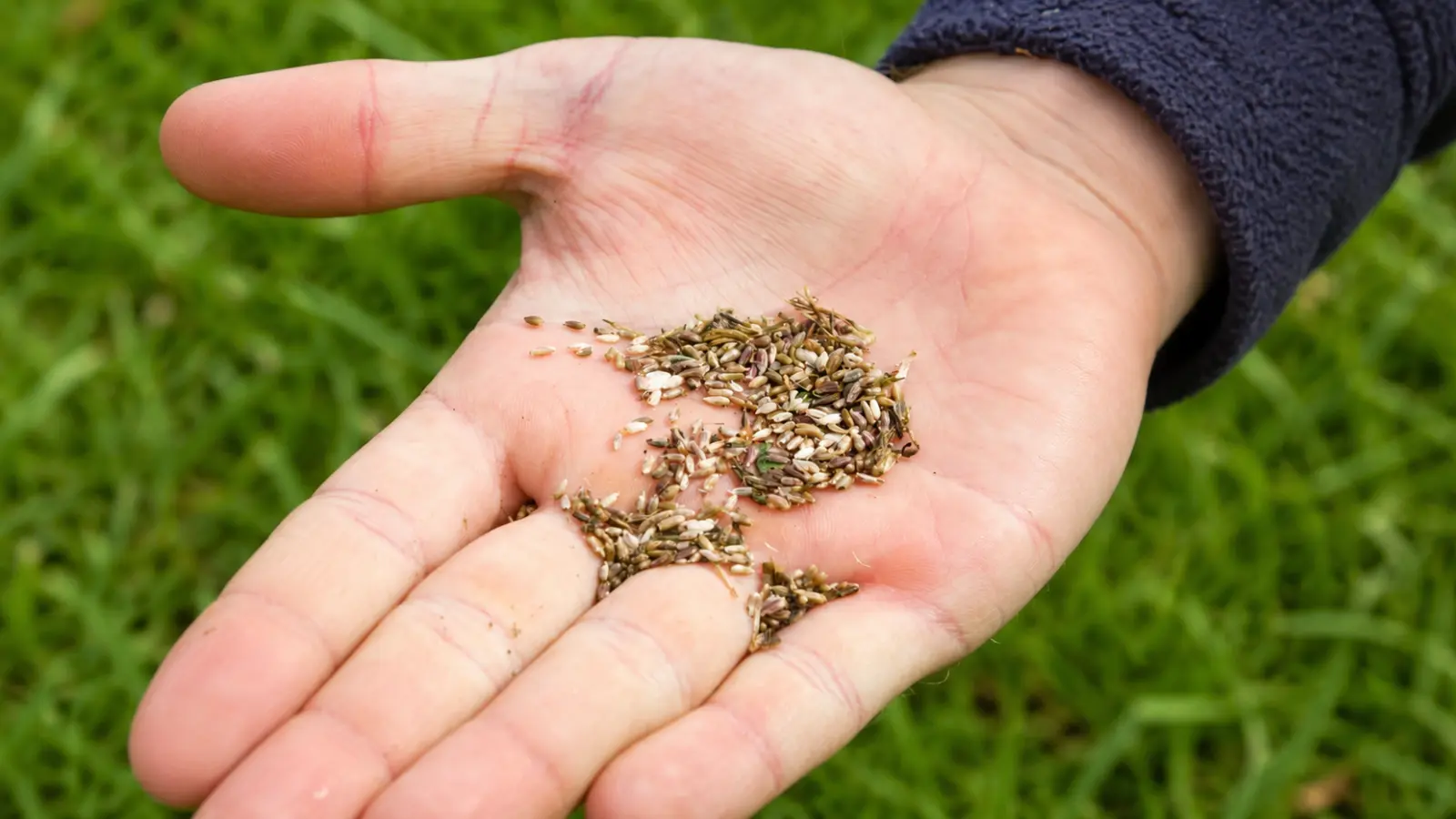
Once the site is ready, even distribution matters more than covering the ground heavily. Overcrowding is a real problem — more seed does not mean more flowers, and competing seedlings can crowd each other out before any have a chance to establish. Follow the package rate rather than adding extra for insurance; typical recommendations for prepared beds run roughly ¼ to ½ pound of seed per 1,000 square feet, though this varies by mix and seed size.
- Prepare a weed-free, lightly loosened seedbed with a fine surface.
- Mix the seed with a dry carrier such as clean sand (roughly 4 parts sand to 1 part seed) if the seed is very small — this makes thin, even sowing much easier to see and control.
- Divide the mixture into two equal portions and broadcast one portion in one direction across the entire area, then broadcast the second portion across it in the perpendicular direction.
- Press the seed gently into the surface — tamp it down with a board or roller, but do not cover it with soil. Many wildflower seeds need light to germinate.
- Water with a soft, gentle spray and keep the upper inch of soil consistently moist until seedlings are established. This is the most demanding part of the process.
- Protect the area from foot traffic, pets and birds until seedlings are visibly growing.
The most common sowing mistake is applying seed unevenly — too thick in some spots and bare in others. Taking the time to split the batch and cross-broadcast is a simple step that makes a noticeable difference in the finished planting.
Manage Weeds and Competition
Weed management begins before sowing and continues during the weeks when wildflower seedlings are still small and vulnerable. Learning to recognize the expected seedlings during this period is one of the most useful skills a wildflower gardener can develop — many desirable wildflowers look unimpressive or even weedy in their first few weeks, and it’s easy to accidentally remove the plants you were trying to grow.
Remove obvious weeds while they’re young, using shallow hand cultivation that doesn’t disturb the entire seedbed. Going too deep can bring buried weed seed to the surface and set the project back. Avoid broad herbicide applications over a mixed planting unless the product is specifically labeled for use with the plants and situation involved. Wildflower mixes often contain species with different sensitivities, making selective chemical control difficult.
Some early weeds are inevitable, and not every volunteer plant requires immediate removal. Focus first on aggressive species that shade seedlings, produce abundant seed quickly or spread laterally into neighboring areas. A calm, selective approach over several weeks is more effective than trying to achieve a completely sterile seedbed all at once.
Annual and Perennial Wildflowers
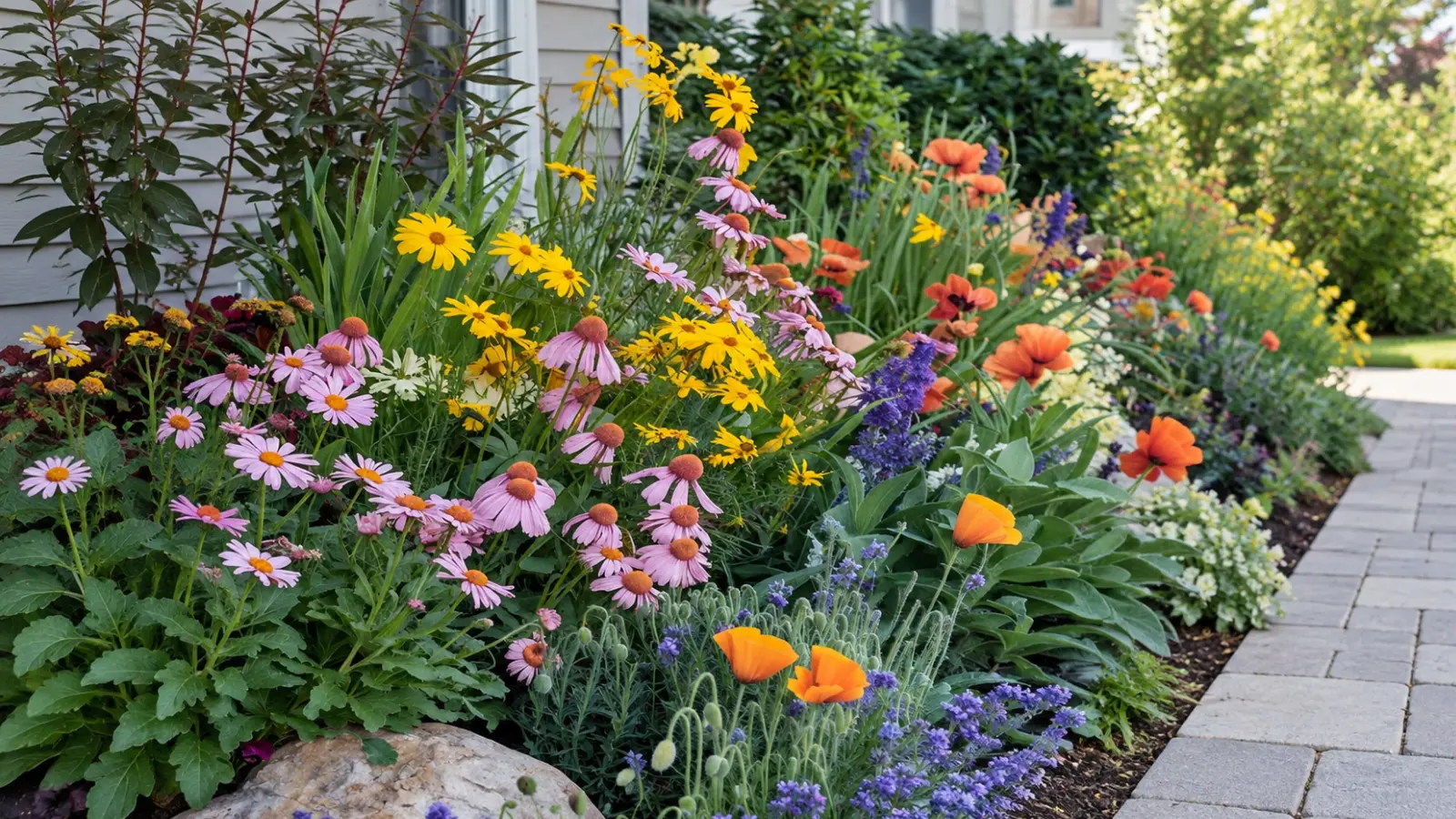
Annual wildflowers complete their full life cycle in a single growing season. They’re reliable for quick, first-year color, but their continued presence depends on successful reseeding or replanting the following year. Perennials establish more slowly — often producing little bloom in year one while they build a root system — but they can create a more durable planting that returns and fills in over time.
A combined planting can give a wildflower garden both immediate interest and long-term structure: annuals fill the space while perennials mature. The key is that both types should be suited to the same light, moisture and soil conditions so neither outcompetes the other in an unintended direction.
| Planting Type | Strength | Tradeoff | Best Use |
|---|---|---|---|
| Annual wildflowers | Quick seasonal color in year one | May need reseeding or replanting each year | New beds, temporary displays, filling gaps |
| Perennial wildflowers | Long-term structure and repeat growth | Often slower to establish; less first-year bloom | Permanent habitat plantings |
| Annual and perennial mix | Early color with future continuity | Different growth rates require patience in year one and two | Natural-looking home gardens |
The most attractive results usually come from repeating compatible plants across the planting area rather than scattering a single specimen of every species. Repetition creates a more cohesive, intentional look — even in an informal wildflower bed.
Plan for Continuous Seasonal Interest
A planting built around one dramatic bloom period can look empty for much of the year. Designing for seasonal succession means selecting plants that offer flowers, foliage, seedheads or structural interest at different points across the growing season — not just a single peak in June or July.
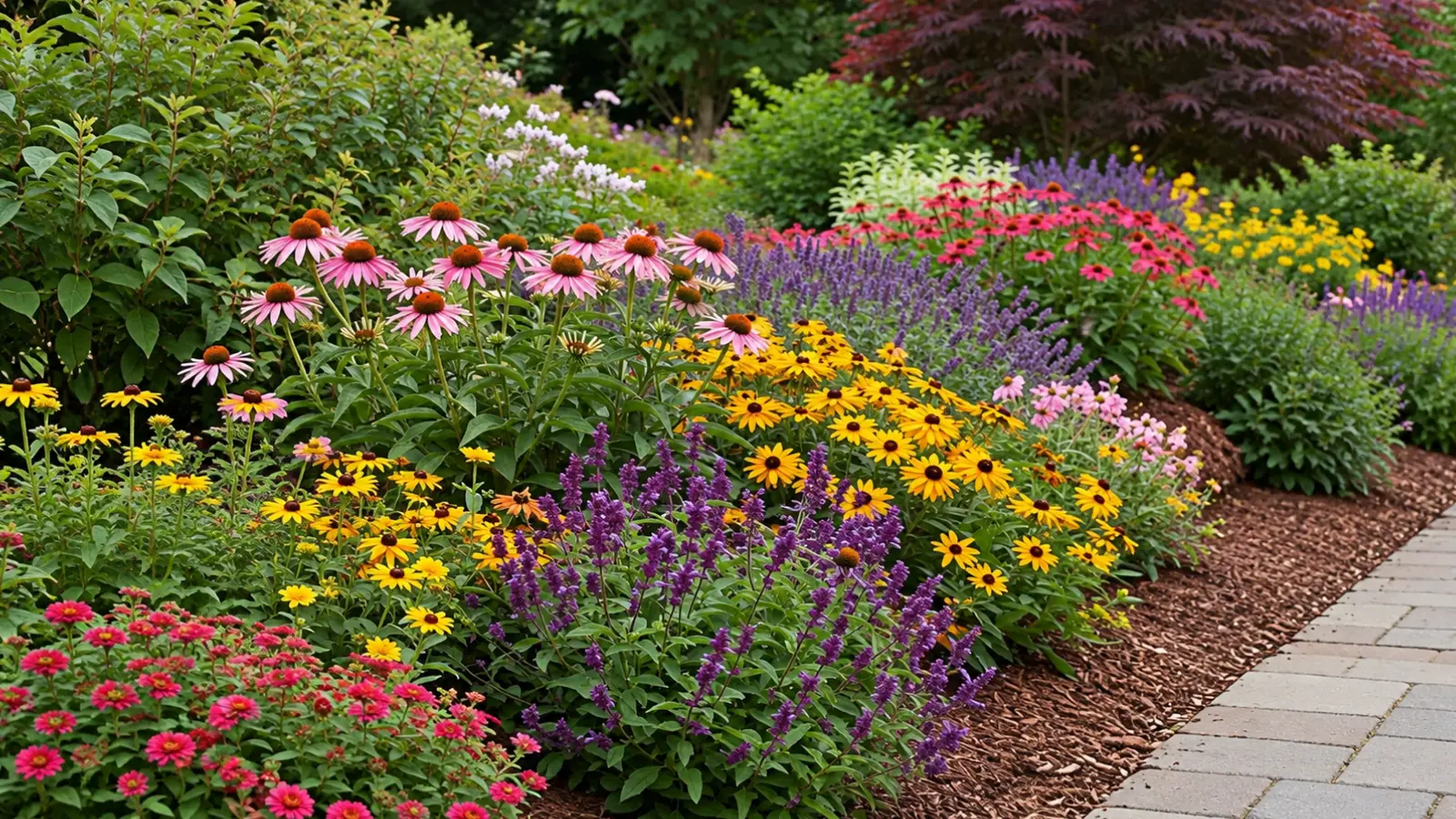
Aim to include some early-season bloomers, a strong group for midsummer and later-flowering species that carry the garden into fall. Native grasses and seedheads can provide texture and movement after flowers fade, and they give the planting winter presence that many gardeners undervalue. Continuous bloom across species also provides more consistent food for pollinators rather than concentrating all nectar and pollen into a few weeks.
When planning the mix, consider bloom time alongside mature height, spread and moisture needs. A tall late-bloomer planted where it will collapse onto smaller neighbors, or a moisture-loving species tucked into a dry corner, can disappoint even if the plant itself is a good choice elsewhere.
Mowing, Cutback and Ongoing Maintenance
Wildflower gardens still require maintenance, but the schedule looks quite different from a traditional ornamental bed. The main annual tasks are managing weed pressure, keeping edges defined and deciding when and how to cut the planting back.
Most plantings are cut back once a year. The timing of that cutback involves a genuine tradeoff. Waiting until late winter or early spring — rather than cutting in fall — provides the greatest benefit to wildlife: hollow stems shelter native bees and small insects through the cold months, seedheads feed birds well into winter and leaf litter supports overwintering butterflies and moths. The University of New Hampshire Extension recommends mowing no lower than 6 to 8 inches and leaving at least a portion of the planting standing until early spring. If a large meadow-style planting allows it, mowing only a third of the area per year on a rotating basis leaves the rest undisturbed for habitat while still controlling woody encroachment.
For gardeners with HOA restrictions or neighbors to consider, a practical compromise is to cut the edges and visible borders in fall while leaving the interior standing. A mown border or defined path helps the planting read as intentional rather than neglected — which matters in neighborhoods where an unmowed patch can draw complaints regardless of its ecological value.
When you do cut back, remove the debris if the planting is small or if fertility control is a goal — a thick layer of decomposing material can smother emerging seedlings in spring. Leave stem stubs at varied heights (roughly 8 to 24 inches) to preserve nesting habitat for cavity-nesting insects at different sizes.
How Wildflower Gardens Support Pollinators
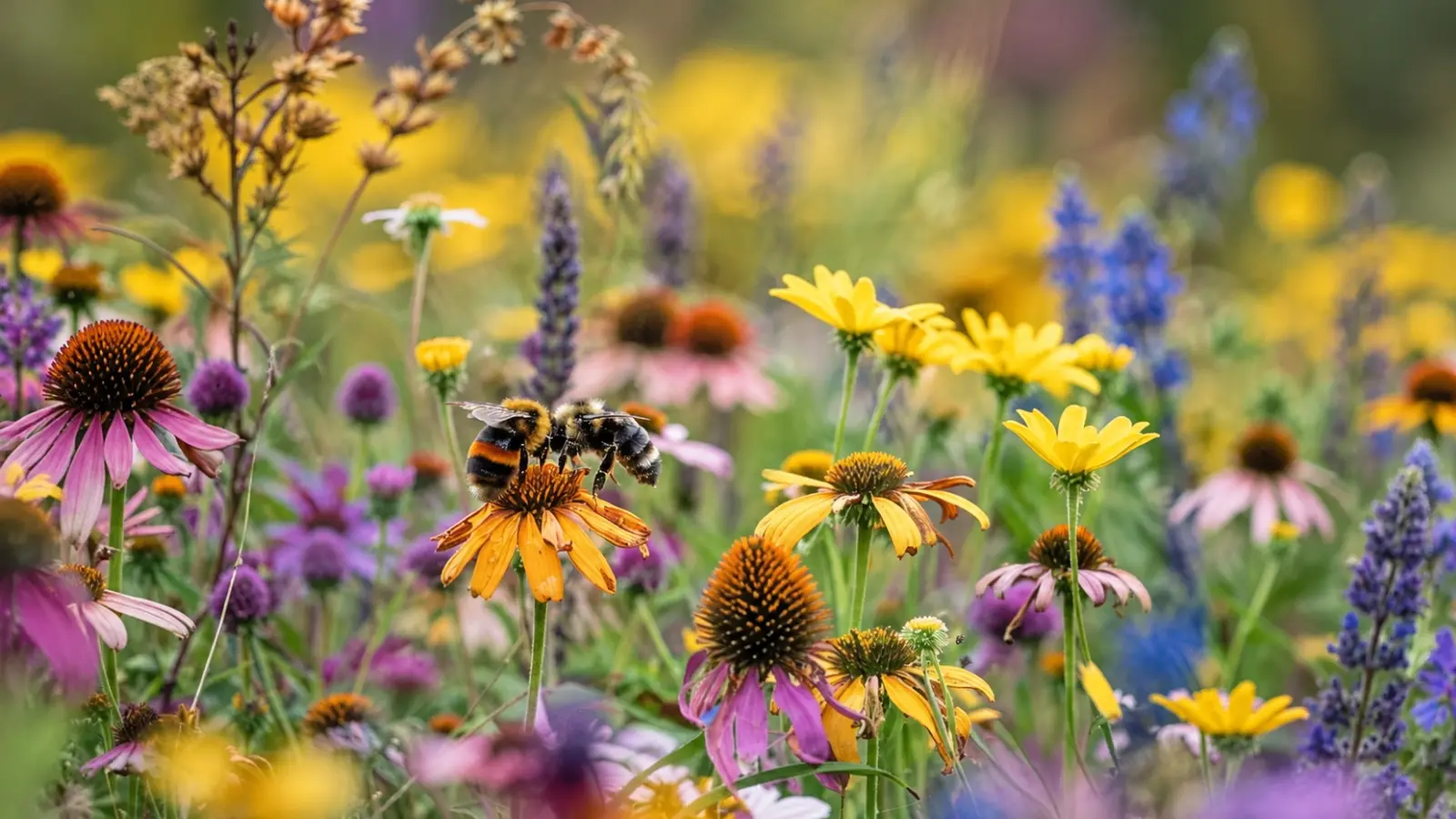
Wildflowers can provide nectar and pollen for bees, butterflies, moths and other insects, especially when several compatible species bloom in sequence across the season. The ecological value of the planting increases substantially when native plants are included, since many native bee species and specialist caterpillars depend on specific plant genera and cannot use non-native substitutes in the same way.
Flower color matters less than the full combination of flower shape, bloom timing, plant diversity and regional fit. A planting that looks colorful but contains mostly non-native annuals will attract some generalist pollinators yet provide less support for native specialist species than a planting anchored by regional natives.
It also helps to think beyond adult pollinators. Leaves, hollow stems, bare soil patches, fallen material and nearby shrubs can provide food or nesting shelter during other life stages — larval, pupal and overwintering. Limit pesticide use in and around the planting, and identify a problem before treating it. If supporting a broad range of pollinators is the central goal, compare this approach with a dedicated pollinator garden; if butterflies are the primary focus, a butterfly garden addresses host plants and caterpillar habitat more specifically.
Why a Wildflower Garden May Struggle
Most wildflower setbacks trace back to one of a handful of recurring issues. Knowing what to look for — and when to act — makes the difference between a planting that recovers and one that stalls indefinitely.
- Little or no germination: Seeds may have been buried too deeply, sown at the wrong time (soil too cold or too hot), allowed to dry out during the critical establishment period or planted into unworked ground with too much competition.
- Mostly grass and weeds: Existing competition or excess soil fertility — from compost or previous fertilization — may be overpowering the flowers. This is the most common reason a wildflower sowing fails to deliver the expected result.
- Flowers appear for only a short period: The mix may rely heavily on one bloom window or contain too many annuals without a perennial backbone to carry the planting through the season.
- Plants flop or grow tall and weak: The site may be too fertile, too shaded or too crowded for the selected species. In rich soil, many wildflowers push vegetative growth at the expense of flowering.
- The planting spreads where it’s not wanted: Identify which species are reseeding aggressively, and remove them promptly before they set seed. Some species sold in generic mixes can self-sow prolifically.
- Seed washes away on slopes: Heavy rain, bare slopes and loose, freshly worked soil can carry seed downhill. Consider a different sowing time, a light straw mulch to hold seed in place or erosion-control netting on steeper grades.
A weak first season doesn’t necessarily mean the project has failed. Perennial wildflowers in particular often invest most of their first-year energy below ground before producing a strong display. But persistent weed competition should be addressed rather than waited out — it rarely improves on its own.
Build the Planting Before You Expect the Meadow
A successful wildflower garden begins long before the first flowers open. Site preparation, appropriate seed selection, good soil contact and early weed control give the planting the foundation it needs to develop into a stable mix rather than a short-lived patch of scattered blooms.
Start with a manageable area and allow annuals, perennials and seasonal changes to reveal how the site behaves. With thoughtful maintenance and patience during establishment, the garden can become increasingly natural in appearance without ever being accidental in its design.
COMMON QUESTIONS
Before you begin.
How do you start a wildflower garden?
Choose an open site with suitable sunlight and drainage, then remove existing turf, perennial weeds and other competition before sowing. Prepare a fine, relatively lean seedbed, choose a regional mix suited to the soil and climate, broadcast the seed evenly and press it into the surface rather than burying it deeply. Keep the upper soil consistently moist while seedlings establish and manage weeds carefully during the first season.
When is the best time to plant wildflowers?
Wildflowers are commonly sown in spring or fall, depending on the climate and species. For spring planting, wait until after the last frost and until the soil has warmed sufficiently for germination. In colder regions, dormant fall sowing is usually done after hard frosts so seeds remain dormant through winter, while mild-winter climates may favor an earlier fall planting that allows establishment during cooler weather.
Can you plant wildflower seeds over an existing lawn?
Simply scattering wildflower seed over established grass rarely works because turf competes strongly for light, water and root space. Remove or suppress the existing lawn first through methods such as smothering, solarization or repeated shallow cultivation, then expose enough soil for good seed-to-soil contact. A smaller properly prepared area will usually establish more successfully than a large lawn that has only been overseeded.
Do wildflower gardens come back every year?
It depends on the species in the planting. Perennial wildflowers can return from established root systems for multiple years, while annuals must reseed successfully or be sown again. In mixed plantings, the balance of species often changes over time as some plants establish, spread or reseed more successfully than others.
Do wildflowers need full sun?
Most common wildflower mixes perform best with at least six hours of direct sunlight per day. However, some species are adapted to partial or filtered shade, so a shaded site can still support a wildflower planting if the species are selected specifically for those conditions. Always check the individual seed list rather than assuming every mix has the same light requirements.
When should you cut back a wildflower garden?
Late winter to early spring is often preferable to a fall cutback because standing stems and seedheads can provide winter food and shelter for birds and insects. When cutting back, leave some stem height rather than mowing everything to the ground. If a tidier appearance is needed earlier, maintaining clean edges while leaving much of the interior standing can preserve habitat without making the planting look unmanaged.