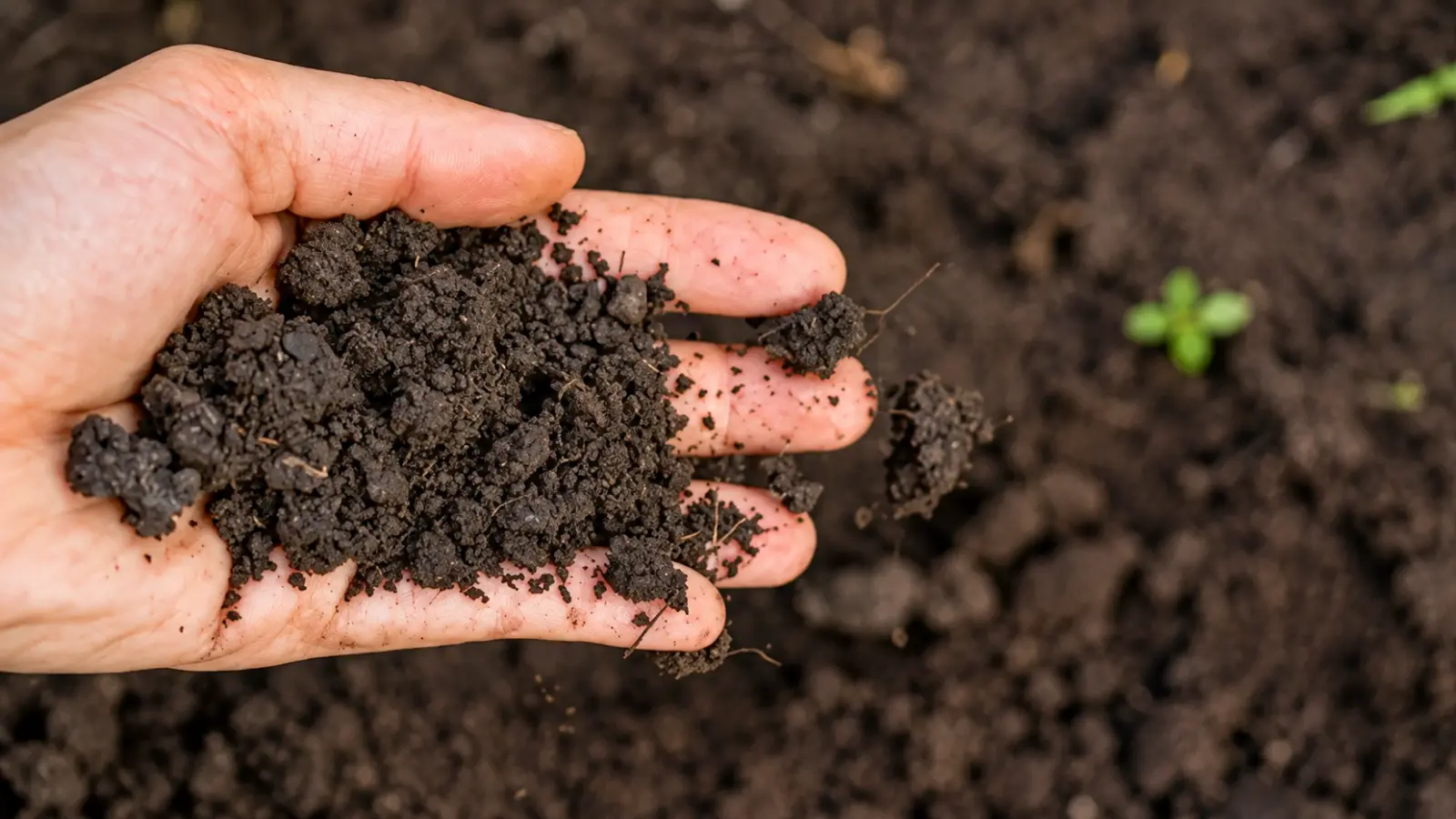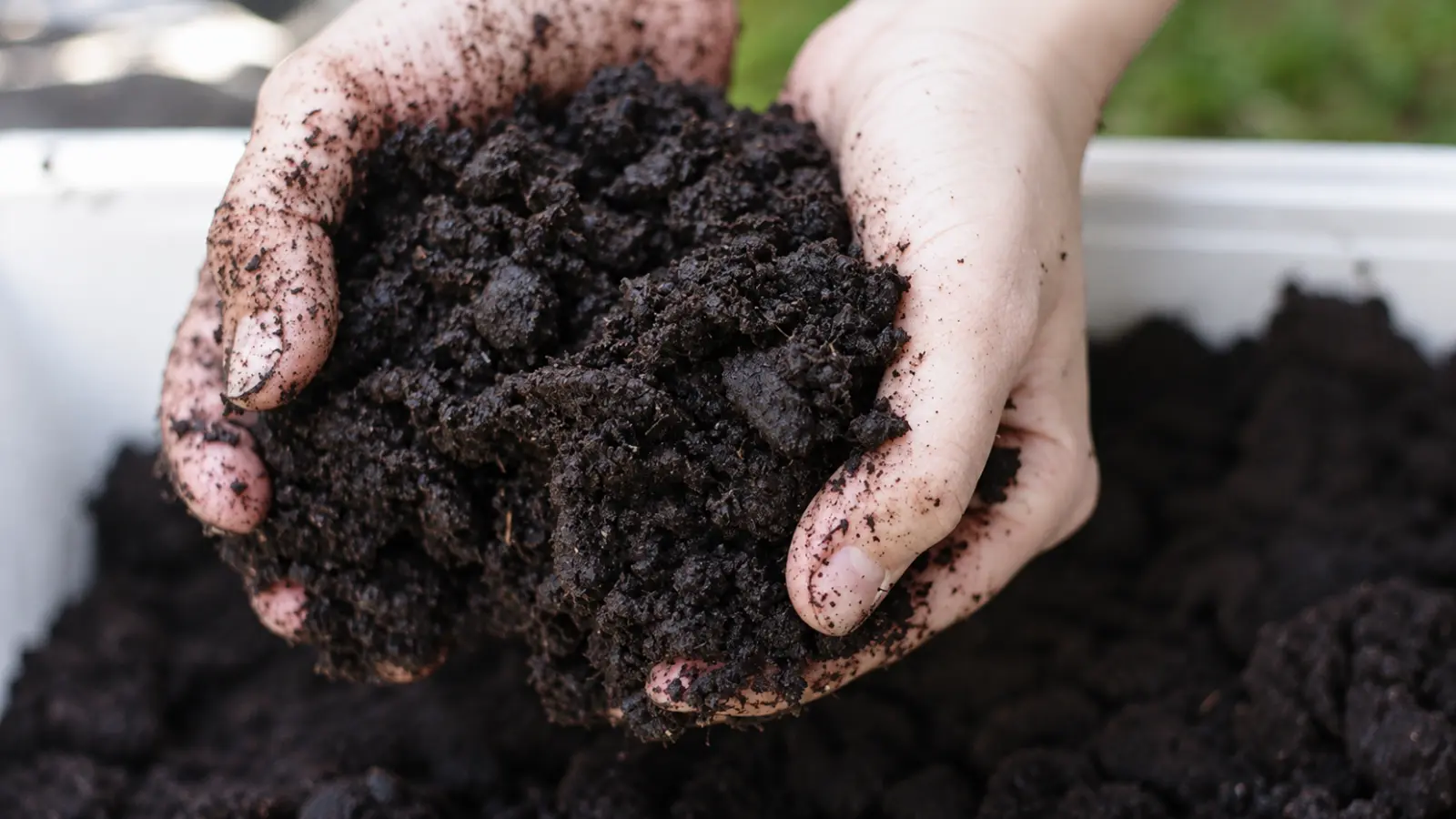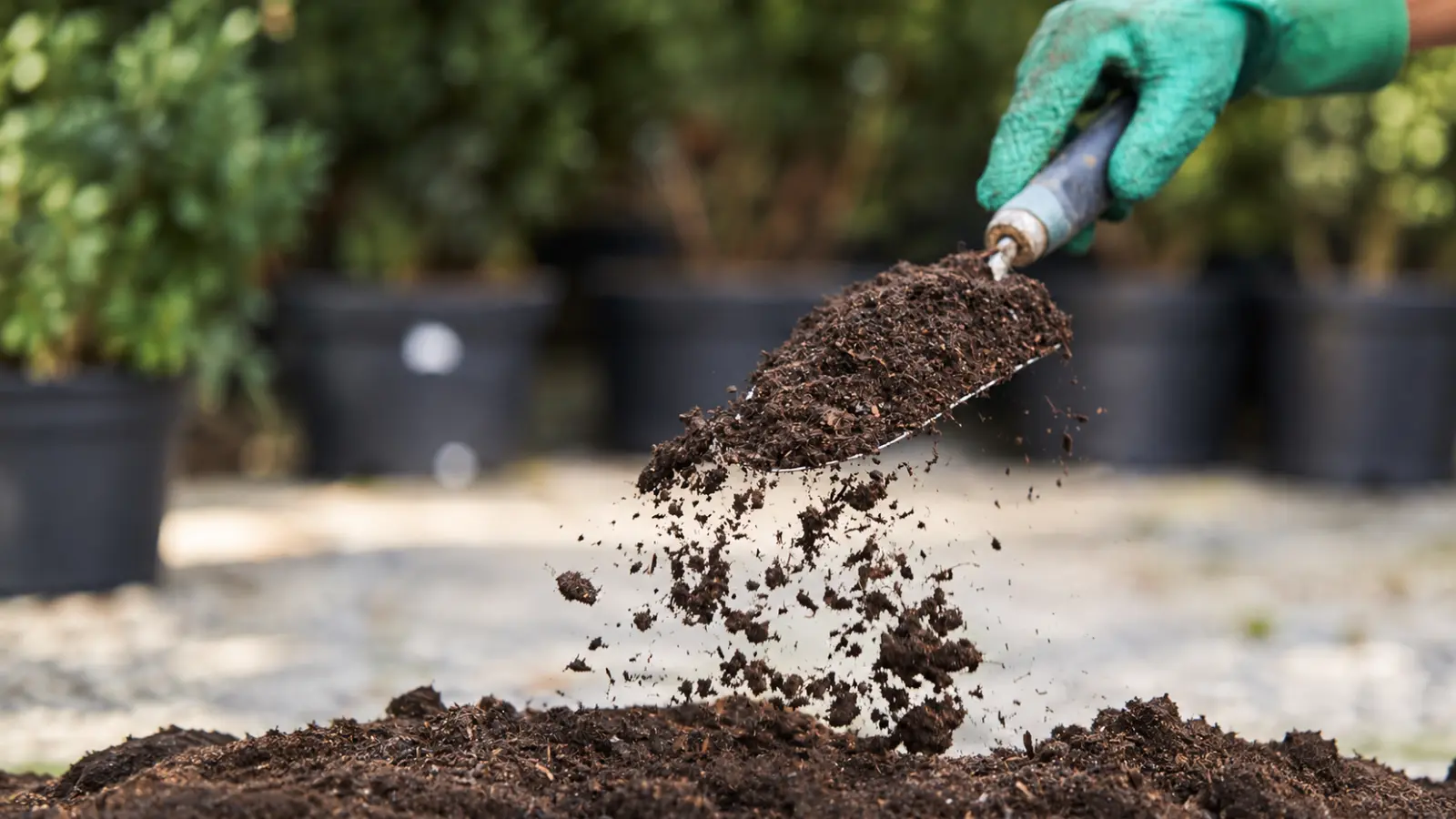
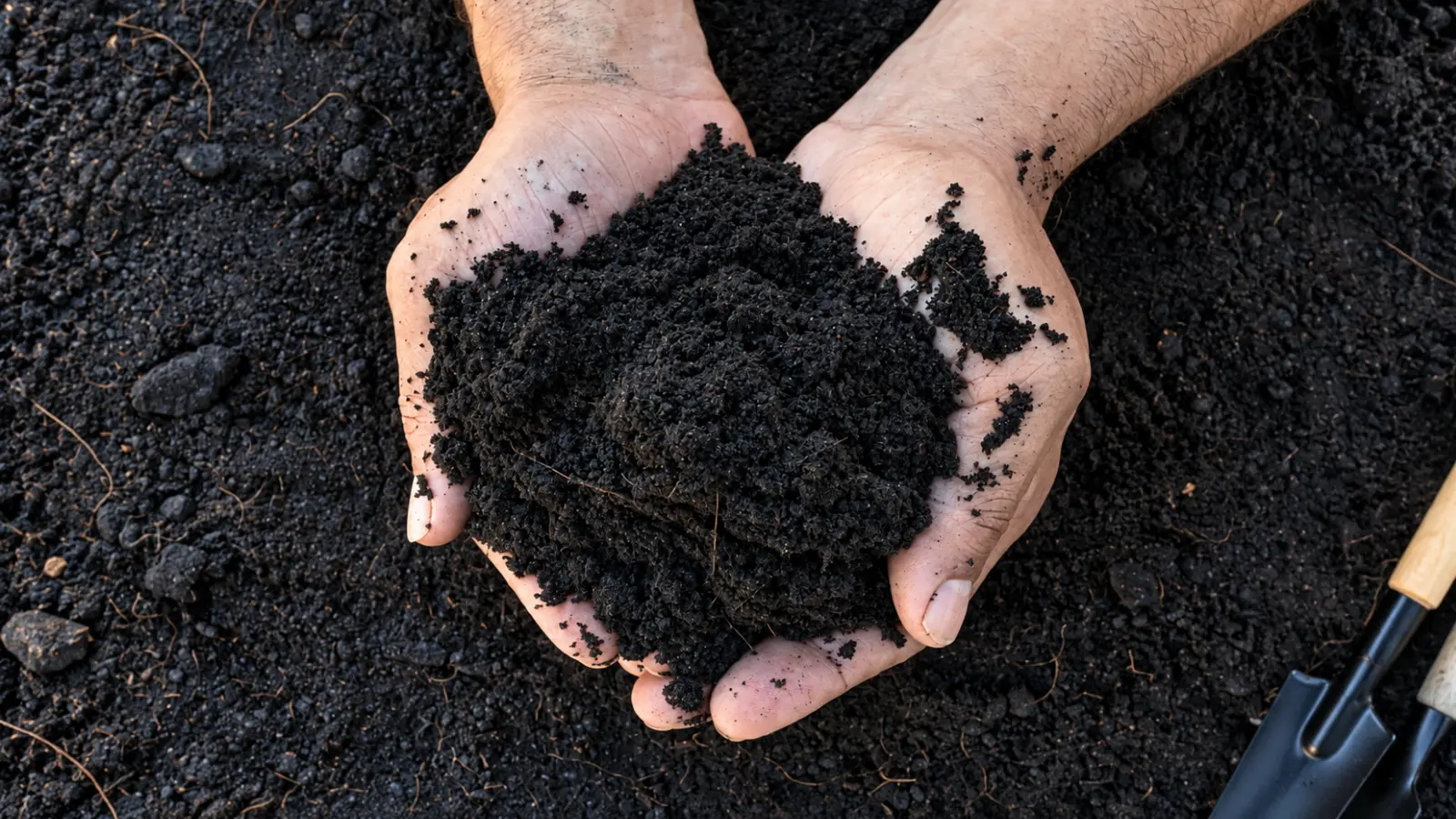
Loam soil is a soil texture with a balanced combination of sand, silt, and clay. Gardeners value it because it can provide a useful middle ground between drainage and moisture retention while also supporting nutrient storage, aeration, root growth, and relatively easy cultivation when the soil structure is healthy.
Not all loam behaves the same way. Sandy loam generally drains faster, silt loam tends to retain more moisture, and clay loam has a greater proportion of fine particles and can drain more slowly. Compaction, organic matter, underlying soil layers, climate, and management can also change how any loamy soil performs, so the word “loam” should not be treated as a guarantee of ideal growing conditions.
This guide explains what loam soil is, why gardeners value it, how sandy loam, silt loam, and clay loam differ, how to recognize loam in a garden, which plants can grow well in it, how to improve existing soil toward better loam-like function, and what to check before buying a product or bulk soil labeled as loam.
Loam Soil at a Glance
Loam is a soil texture with a workable balance of sand, silt, and clay. It typically drains better than clay, holds moisture longer than sand, and stores nutrients more effectively than very coarse soil. You usually can’t turn a large garden bed from clay or sand into true loam quickly, and adding sand to clay soil can backfire badly. What you can do is improve structure, organic matter, mulch cover, and plant choice to create a healthier, more loam-like root zone.
What Is Loam Soil?
Loam is a texture class, not a brand, a fertilizer, or another word for dark, rich-looking soil. It’s a mixture of the three mineral particle sizes: large sand particles, medium silt particles, and very fine clay particles. A textbook example of loam runs around 40% sand, 40% silt, and 20% clay, though the exact ratio can shift and still qualify. The practical result for gardeners is a soil that tends to strike a workable middle ground between fast drainage and heavy water retention.
Loam soil is usually friable, meaning it crumbles under gentle pressure when it’s at the right moisture level, rather than forming hard clods or dissolving into mush. It often feels slightly gritty and slightly smooth at the same time. When it’s managed well, loam develops enough structure and pore space to let rain soak in, roots spread out, and excess water move on without leaving the bed bone-dry an hour later.
Texture alone doesn’t tell the whole story, though. A true loam can still be compacted, stripped of organic matter, poorly drained because of a dense layer underneath, or simply the wrong fit for a particular plant. The useful idea here is balance, not perfection, and definitely not a promise of effortless gardening.
Why Gardeners Want Loam Soil
Gardeners chase loam because it tends to make several everyday tasks easier at once. Its mix of particle sizes creates a range of pore spaces: some hold water against gravity for roots to draw on later, and others stay open enough for air to move through.
- Balanced moisture: loam generally holds more plant-available water than very sandy soil, but it’s far less likely than heavy clay to stay soggy after an ordinary rain.
- Useful nutrient storage: its clay and organic-matter fraction holds onto nutrients better than coarse sand alone, especially when fertility is maintained with well-timed, tested inputs.
- Better aeration: a well-structured loam keeps enough pore space open for roots and soil organisms to get the oxygen they need.
- Workability: when it’s neither waterlogged nor powder-dry, loam is usually easier to dig, plant into, and cultivate than soil at either textural extreme.
- Flexible planting: a wide range of vegetables, annuals, perennials, shrubs, and lawn grasses can grow well in loam, as long as light, climate, soil pH, and moisture also line up.
None of those advantages are automatic, though. Heavy foot traffic, excessive tilling, bare soil left exposed to sun and rain, or untested fertilizer and compost additions can wreck the structure and chemistry of a good loam just as easily as they’d wreck any other soil.
Sandy Loam, Clay Loam, and Silt Loam
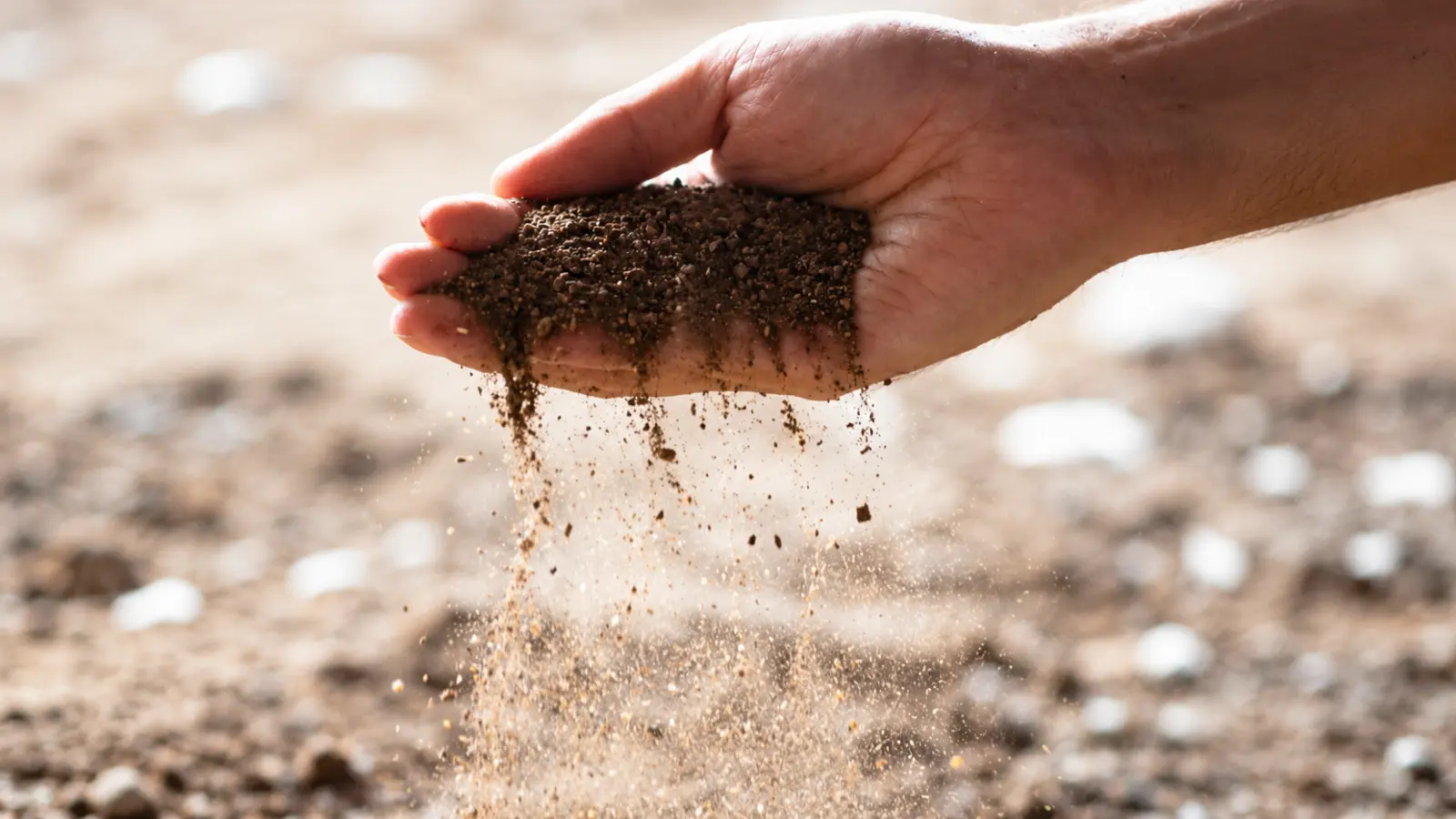
Most soil labeled “loam” has a dominant tendency toward one of the three mineral fractions. That modifier is worth paying attention to, since it hints at how a bed will behave after a heavy rain, during a dry spell, and when you’re deciding what to plant.
| Loam Type | Typical Behavior | Gardening Strength | What to Watch |
|---|---|---|---|
| Sandy Loam | Drains fairly quickly and warms up early in spring. | Easy root penetration and good aeration. | Dries out fast and loses nutrients faster than finer loams. |
| Loam | Balances drainage, moisture storage, and workability. | Adaptable for most garden uses. | Still needs organic matter, mulch, and protection from compaction. |
| Silt Loam | Feels smooth and holds more moisture than sandy loam. | Often fertile and productive. | Can crust over, compact, or erode if left bare. |
| Clay Loam | Holds water and nutrients more tightly. | Good nutrient storage and drought resilience once plants are established. | Drains slowly and gets sticky or difficult to work when wet. |
There’s no universal ranking among these types. A sandy loam can be ideal for plants that need sharp drainage, like lavender or rosemary, while a clay loam can suit plants that prefer steadier moisture. Match your plants and your management plan to how the soil actually behaves, rather than treating the word “loam” as one fixed condition.
How to Identify Loam Soil
A soil lab can pin down texture precisely, but a gardener can learn a lot from simple observation. Check soil a few inches below the mulch and surface debris, ideally when it’s evenly moist but not wet enough to smear.
Loam typically forms a soft ball in your hand, then breaks apart easily under light pressure. It carries some grit from sand, some smoothness from silt, and just enough clay to hold together briefly without stretching into a long, sticky ribbon. Water tends to soak in and move through the root zone at a moderate pace, rather than vanishing instantly or pooling on the surface for hours.
These are helpful clues, not proof. See the Types of Soil guide for the basic hand-feel and jar tests, then use Soil Texture if you want to work through the soil texture triangle in more detail. A lab test is worth the small cost when a precise result would change a pH, fertilizer, drainage, or planting decision.
Plants for Loam Soil
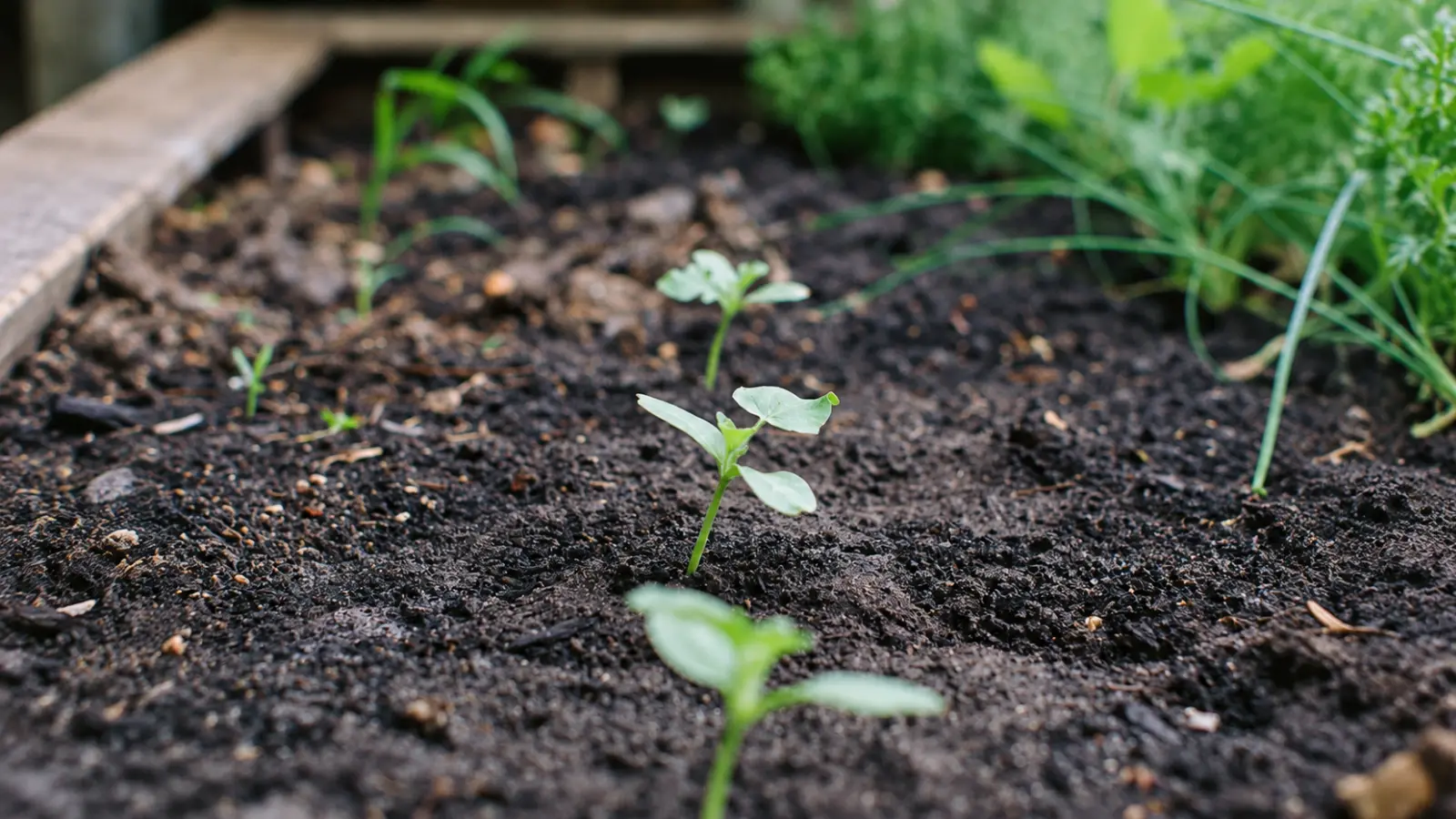
Plenty of familiar garden plants grow well in loam because it offers a broadly forgiving root environment. That said, “loam” alone isn’t enough information to pick a plant. Light, winter hardiness, summer heat, rainfall, drainage, pH, and mature size still matter just as much.
Vegetables like tomatoes, beans, lettuce, and squash tend to perform well in fertile, well-managed loam. Many perennials, flowering shrubs, and fruiting plants also prefer it or tolerate it comfortably. When a plant tag says a plant wants “loam” or “loamy soil,” it usually just means the plant does best in soil with moderate drainage and moisture, not that it demands a laboratory-verified loam texture.
When you’re choosing plants for a loam soil, start with what your site’s moisture actually looks like day to day. A clay loam that stays wet through winter calls for different plants than a sandy loam next to a hot, reflective driveway. Let plant preferences refine the decision, not override what the garden is already showing you.
How to Improve Soil Toward Loam-Like Conditions
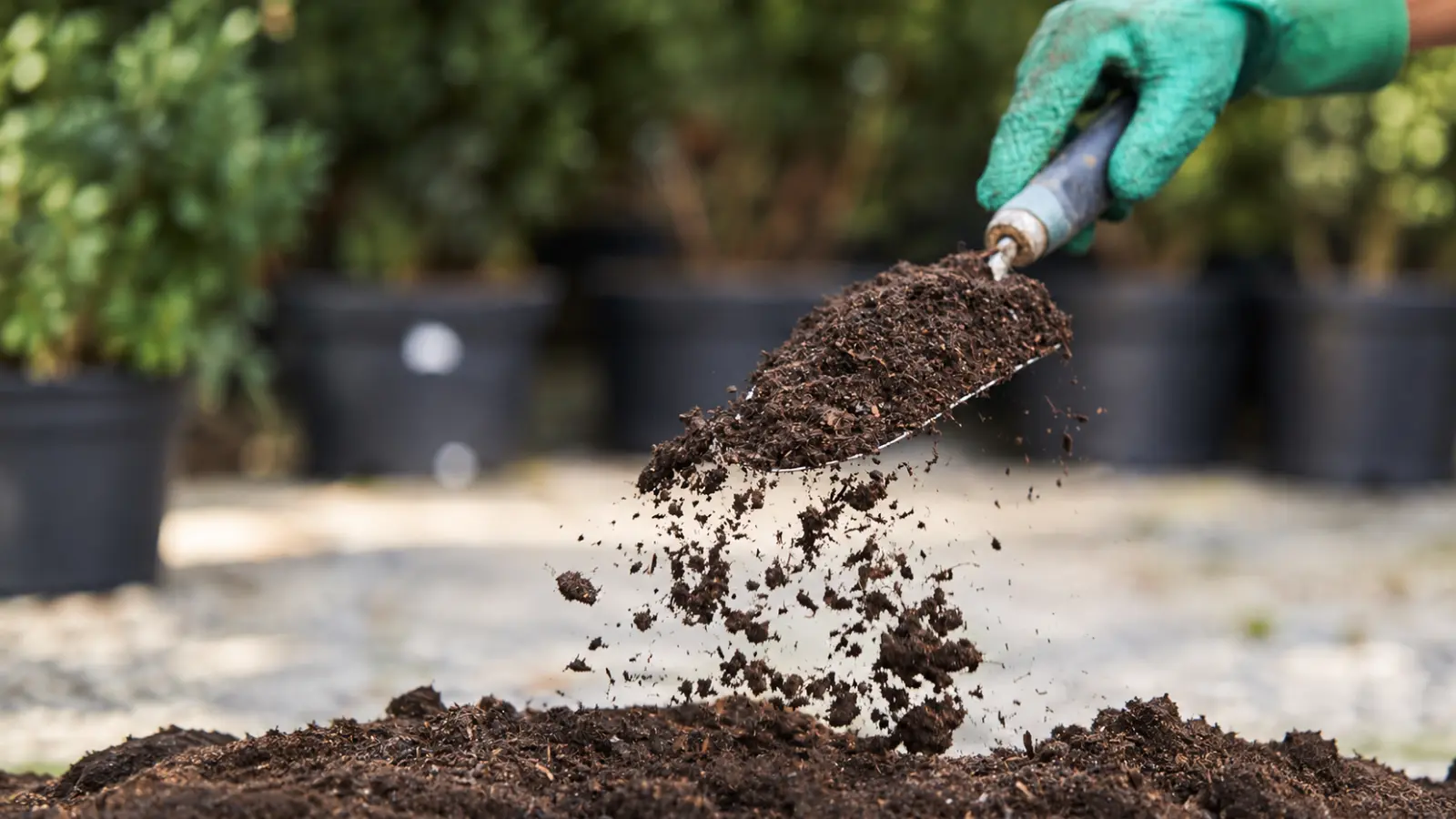
You generally can’t change the mineral texture of a large in-ground bed from clay to sandy loam, or from sand to clay loam, with a few bags of material. Trying to do it that way is expensive and often ineffective, especially with clay. Small or poorly calculated additions of sand usually do not add enough coarse material to change the soil’s texture class and can leave the bed dense and difficult to manage rather than creating loose, loamy soil. For most established garden beds, improving structure with organic matter, surface cover, roots, and reduced compaction is a more practical approach. The more realistic goal is to improve structure and function, not swap out the texture.
- Add organic matter gradually: finished compost, leaf mold, and other suitable organic mulches can improve water and nutrient holding in sandy soil and support better aggregation in clay-rich soil.
- Keep the soil covered: mulch cuts down on surface crusting, rain impact, evaporation, and weed pressure, while protecting the conditions that keep soil life active.
- Limit compaction: keep paths out of planting beds, avoid walking on wet soil, and don’t cultivate more deeply or more often than the task at hand actually requires.
- Let plants do some of the work: roots help build and hold open pore spaces. Perennials, cover crops, and thoughtful annual rotations can all contribute where they fit the garden plan.
- Test before changing chemistry: organic matter benefits nearly any soil, but lime, sulfur, fertilizer, and repeated compost applications should follow a soil test and a clear purpose, not a guess.
Kept up over a few seasons, these habits can make a difficult soil noticeably more workable and resilient, even if the texture underneath never technically changes. For a material-by-material breakdown, see Soil Amendments; for the full soil picture, head back to Garden Soil.
What “Loam” Means on a Bag or Bulk Order
“Loam” has a precise meaning in soil science, but landscape suppliers use it more loosely. A product sold as loam might be a screened mineral soil, a blended topsoil, or a local material with a fairly vague description. Its texture, organic-matter content, pH, drainage, and weed-seed risk can all vary quite a bit from one supplier to the next.
Before ordering bulk loam or using it to fill a new bed, ask what’s actually in it, whether it’s been screened, whether compost or other amendments were mixed in, and whether a recent test is available. Inspect a small sample if you can get one. For a large delivery, a soil test and a clear plan for the plants going in matter more than a promising label.
Buying loam can make sense when you’re grading a yard, filling in a low spot, or building a brand-new landscape bed from scratch. It isn’t a shortcut for fixing every problem in an existing garden. In most established beds, protecting the soil you already have and improving it gradually is the more durable route.
Aim for Healthy Soil Function, Not Perfect Loam
Loam is useful because it describes a workable balance of mineral particles, not because every garden needs exactly the same soil. Even true loam can perform poorly when compacted or badly drained, while clay-rich or sandy soil can support a productive garden when its structure, moisture, and plant choices are managed appropriately.
Use loam as a reference point rather than a transformation target. Identify how your existing soil behaves, protect it from compaction, maintain organic matter and surface cover where appropriate, and make changes that address specific problems. Better soil function is usually a more realistic gardening goal than trying to replace the underlying mineral texture.
COMMON QUESTIONS
Before you begin.
What is loam soil made of?
Loam soil is a balanced mixture of sand, silt, and clay, often around 40% sand, 40% silt, and 20% clay in a textbook example. Those proportions can vary while the soil still qualifies as loam. Like other healthy garden soils, it also contains organic matter, water, air, and living organisms.
Why is loam soil good for gardening?
Loam is valued because it generally balances drainage, moisture retention, aeration, and nutrient holding. It usually drains more freely than heavy clay while retaining more water and nutrients than very sandy soil. Its workable structure also allows roots to spread relatively easily when the soil is well managed.
What is the difference between loam, sandy loam, silt loam, and clay loam?
All are soil texture classes containing different proportions of sand, silt, and clay. Sandy loam tends to drain faster and dry sooner, silt loam generally holds more moisture and feels smoother, and clay loam retains water and nutrients more strongly but may drain more slowly. Loam sits between these tendencies with a more balanced combination of particle sizes.
How can you tell if you have loam soil?
Moist loam typically forms a soft ball in your hand but crumbles relatively easily when pressed. It usually feels both slightly gritty and smooth and contains enough clay to hold together without producing the long, sticky ribbon associated with clay-rich soil. A hand-feel test, jar test, or laboratory texture analysis can provide a more precise assessment.
Can you turn clay or sandy soil into loam?
Changing the mineral texture of a large in-ground bed into true loam is usually impractical. Instead, gardeners can improve soil function over time with organic matter, mulch, living roots, and reduced compaction. The goal is better structure, drainage, moisture management, and root growth rather than trying to replace the soil’s underlying texture.
Is loam soil the same as topsoil?
No. Loam describes soil texture based on its proportions of sand, silt, and clay, while topsoil refers to the upper layer of natural soil or to commercial material sold for surface use. Topsoil can be loamy, sandy, silty, or clay-rich, so a product labeled “topsoil” is not automatically loam.