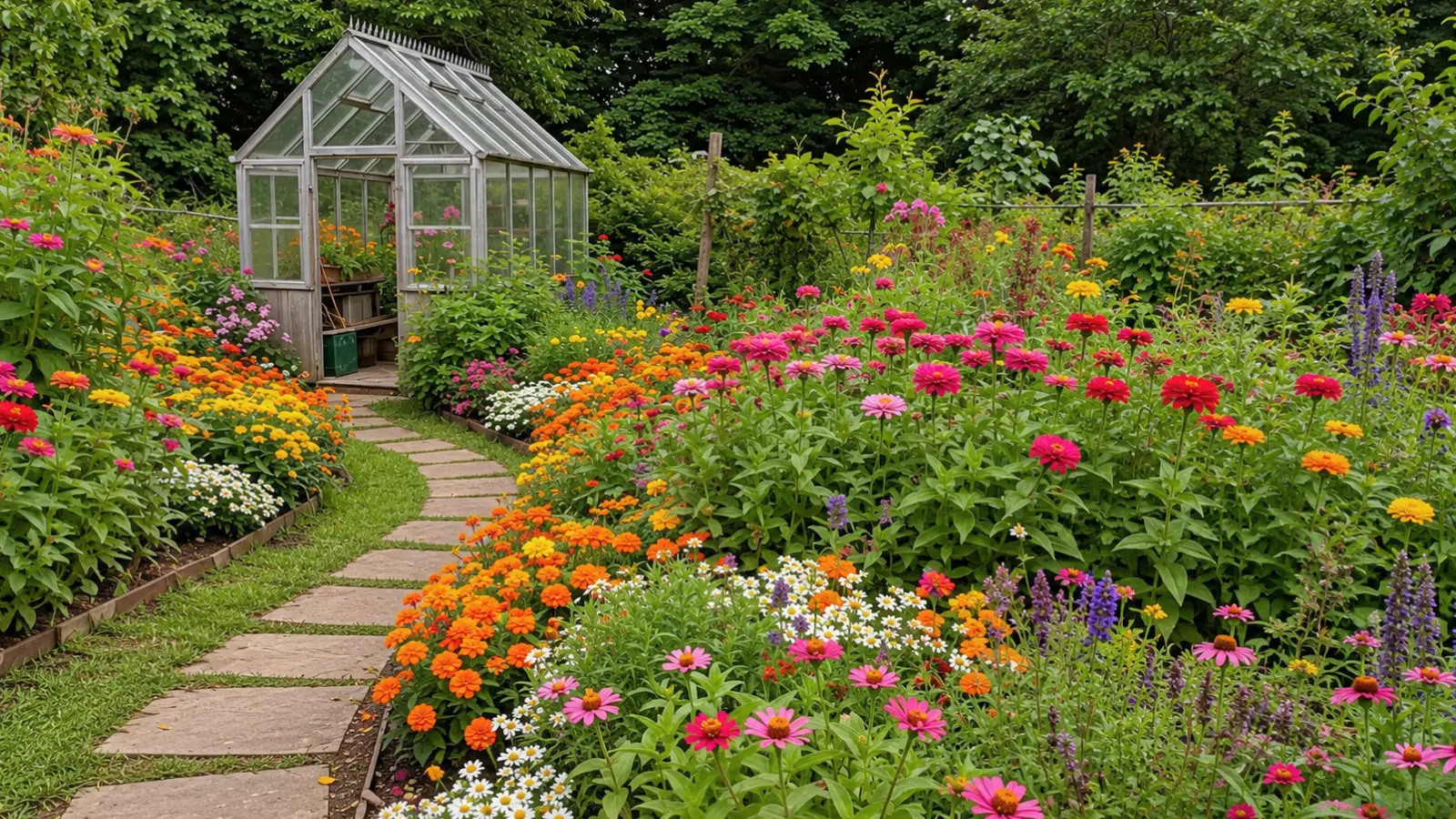
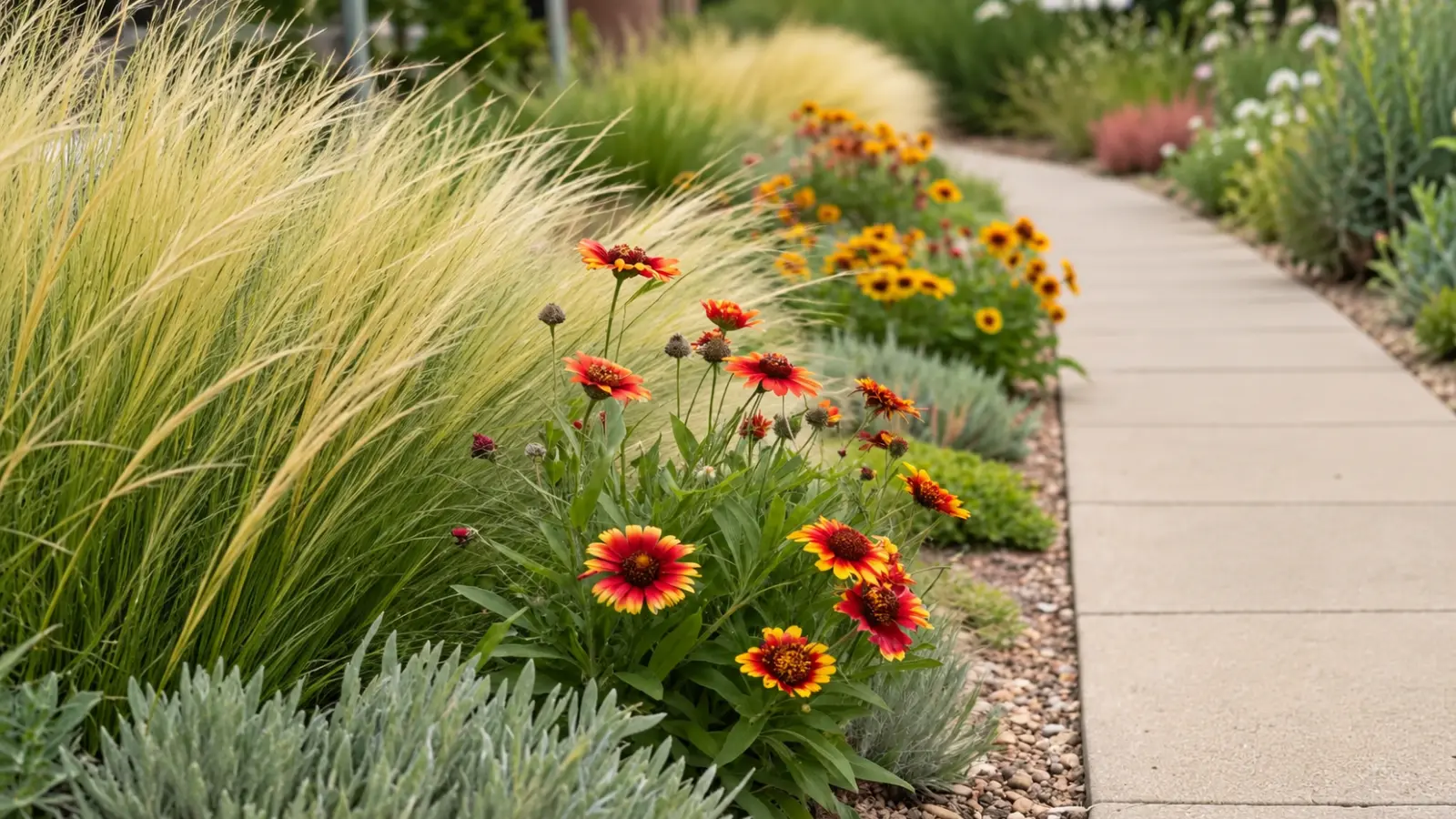
A prairie garden is a designed plant community inspired by North American grasslands, combining native grasses with flowering forbs rather than treating each plant as an isolated ornamental. The result develops through deep roots, seasonal movement and changing layers of flowers, stems and seedheads.
Successful prairie gardens are also regional. Tallgrass, mixed-grass and shortgrass communities developed under different combinations of soil, rainfall and climate, so the right plants and planting methods depend on the conditions where the garden will actually grow.
This guide explains how to create a prairie garden, from choosing and preparing the site to deciding between seeds and plugs, combining grasses and flowering forbs, managing weeds during the first several years and maintaining an established planting through mowing, seasonal cutback and, where appropriate, professionally managed fire.
What Is a Prairie Garden?
A prairie garden is a designed planting based on prairie vegetation rather than a collection of isolated ornamental flowers. Grasses often provide the structural framework, while flowering forbs supply color, seed, nectar, and changing height through the seasons. Together, they form a layered community rather than a single display.
Prairies are not all alike. Tallgrass, mixed-grass, and shortgrass prairies developed under very different conditions of moisture, soil, and climate. A plant list suited to the wet tallgrass region of the central Midwest may fail entirely in a dry shortgrass setting in the Plains, even if both places are loosely described as prairie country.
For a home landscape, the most useful approach is to identify the regional prairie or grassland community that most closely matches your site conditions, then select plants accordingly. Local Extension Services, native-plant societies, botanical gardens, and natural-resource agencies are the most reliable starting points for checking plant origin and habitat fit.
True Prairie vs. Prairie-Style Border
These two terms can describe quite different planting goals, and the distinction matters before you spend money on plants or seed.
A true prairie garden aims to function as a small native plant community, with grasses and forbs that share regional ecological conditions and support one another over time. The design may be loose and ornamental, but plant selection is based on habitat suitability as much as appearance. The long-term goal is a self-sustaining community, not a curated annual display.
A prairie-style border borrows the visual vocabulary of prairie: airy stems, seedheads, movement, and repeated drifts of color. It may include ornamental cultivars or non-native species chosen for a particular height or flower color. That can be a genuinely attractive landscape—but it should not automatically be described as a native prairie, and it may not carry the same habitat value or long-term resilience.
Decide which outcome you want before buying plants. If habitat, regional ecology, and a lasting plant community are the goal, prioritize native species from appropriate regional sources and verify their origin before purchase. If the goal is a refined border that draws on prairie aesthetics, use prairie design principles while paying equal attention to mature size, plant compatibility, and ongoing maintenance needs.
Choose the Right Site
Most prairie plants need abundant sunlight. A site with at least six hours of direct sun is a practical starting point—some sources suggest a half-day minimum as a floor, with full sun preferable on heavier or wetter soils. Exact light requirements vary by species, so observe the site through the growing season rather than judging it on a single cloudy day or during a winter visit when leaf cover is gone.
Drainage and soil moisture matter just as much as sun. Some prairie plants belong in moist low ground, while others are adapted to dry, exposed uplands. A site that stays saturated after rain may be better suited to a wet meadow or rain garden planting than a dry or mesic prairie mix. Trying to force dry-prairie plants into soggy soil—or vice versa—is one of the more common causes of early failure.
Check the site carefully for:
- Sun exposure and any reflected heat from pavement, walls, or fences
- Soil texture, compaction, drainage, and existing organic matter
- Existing turf, perennial weeds, and invasive plants that will need to be addressed before planting
- Slope and the risk of seed or seedlings washing away during rain
- Access for watering during the first dry spells, mowing, and routine weed control
- Distance from property lines, paths, neighboring lawns, and local setback rules
A smaller, well-prepared site almost always outperforms a large planting that cannot be monitored closely. Starting at a manageable scale also lets you see how the site responds before committing to more ground.
Check local ordinances first. Some municipalities regulate plant height or require a defined mowed edge between a naturalistic planting and the street or neighboring lawn. A quick call to your local planning or zoning office before you break ground can prevent a frustrating conflict later. Many communities will approve a prairie garden with proper documentation and a clear boundary.
Prepare the Site Thoroughly
Site preparation has more influence on the first years of a prairie garden than almost any other decision. Young native seedlings grow slowly above ground while spending their energy on root development, which means existing turf and perennial weeds can take control before the prairie plants have a real chance to establish.
Remove Turf
For a small bed, physical removal of sod and its root mat is the most direct option. Other approaches include smothering the lawn under cardboard and thick mulch for an extended season, or using repeated shallow cultivation to weaken regrowth over time. The right method depends on the site, the weed history, and any local restrictions on herbicide use. Whatever method you choose, the goal is to eliminate persistent roots before planting begins, not simply to kill the top growth.
Reduce the Weed Seed Bank
Removing visible vegetation does not remove the dormant weed seed already in the soil. A common and effective approach is to prepare the site, allow it to sit for two to four weeks until a flush of weed seedlings emerges, then address that growth before it sets seed. Repeating this once or twice before sowing can meaningfully reduce the weed pressure the young prairie plants will face.
Avoid Unnecessary Soil Enrichment
Many prairie plants are native to lean, low-fertility soils, and they have not evolved to compete in rich garden conditions. Adding large amounts of compost or fertilizer before planting may actually favor fast-growing annual weeds and aggressive cool-season grasses over the native species you’re trying to establish. Test the soil first and correct a demonstrated deficiency rather than amending by default. A modest soil pH in the range typical for your region is generally fine; prairie plants are not demanding in that regard.
Finish with a firm, fine seedbed. The surface should be loose enough for roots to penetrate but firm enough that small seeds don’t disappear into deep cracks or loose clods—a good rule of thumb is that the seedbed should be compact enough that a footprint barely leaves an impression.
When to Plant
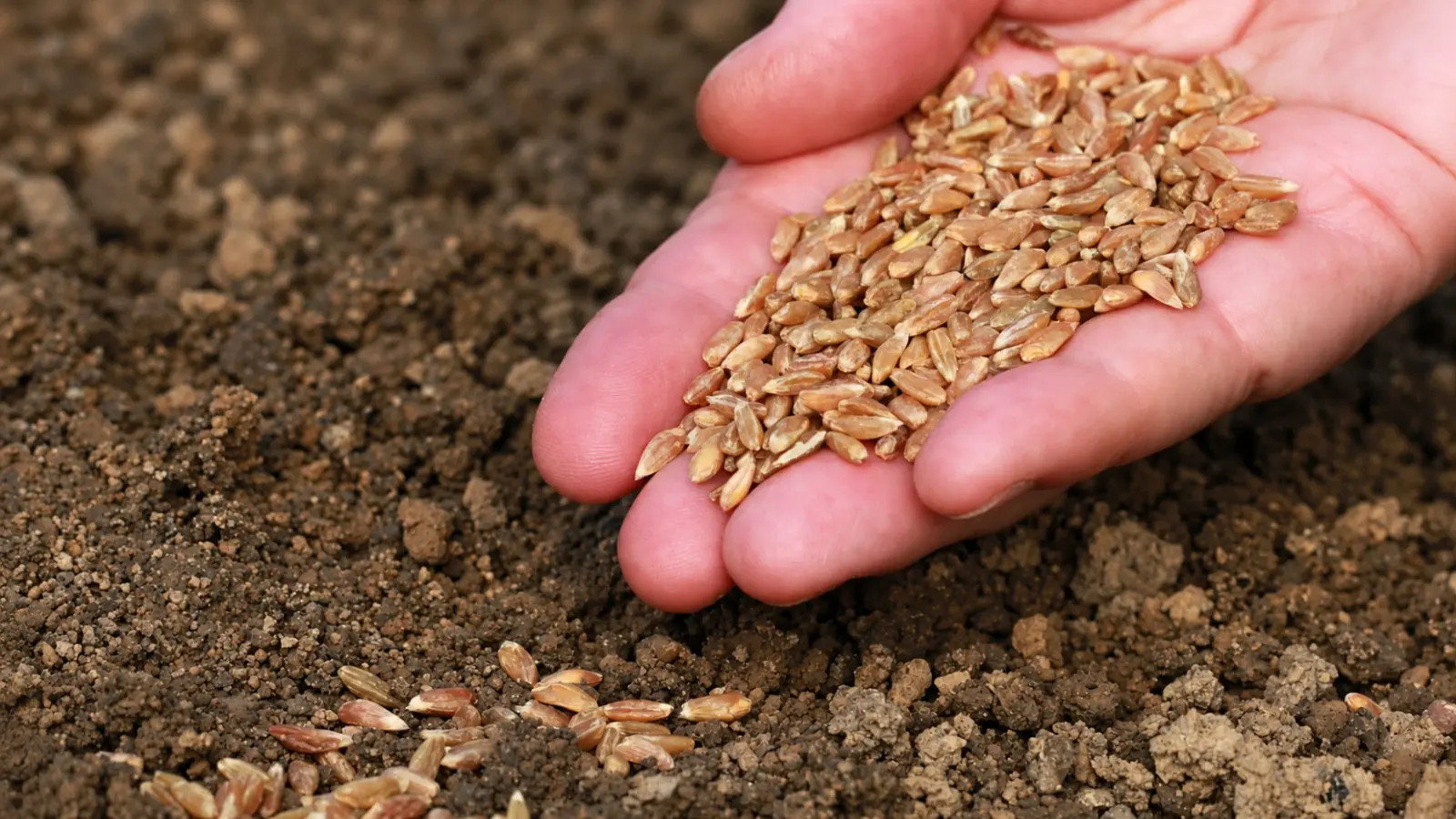
Timing is one of the most underestimated factors in prairie establishment, especially for seed-based plantings. Getting it right can significantly improve both germination rates and long-term plant diversity.
For most of the Midwest and upper Midwest, a late-fall or dormant seeding—typically November through early winter, before the ground freezes hard—is considered the gold standard for seed-diverse prairie mixes. Many native forbs require a period of cold, moist stratification to germinate, and a dormant seeding lets the natural freeze-thaw cycle do that work over winter. Research from the Tallgrass Prairie Center at the University of Northern Iowa has found that November dormant seedings consistently produce more forb diversity than spring plantings, with that advantage persisting into subsequent years.
A frost seeding—broadcasting seed onto open ground or a light, non-crusted snow cover in late winter—can also work well for forbs. As the soil freezes and thaws daily, seed works its way into small surface crevices without the need for soil disturbance.
Spring seeding (typically as soon as soil is workable through late May or early June, depending on region) is a reasonable alternative, particularly for grass-heavy mixes or when site prep wasn’t finished in fall. Spring seedings tend to favor warm-season grasses over forbs, so if plant diversity is a priority, lean toward dormant seeding when possible. Midsummer planting is generally the least favorable window and is best avoided.
Plugs can be planted from spring through fall, following the supplier’s guidance and giving plants enough time to establish roots before hard freezes arrive.
Seeds vs. Plugs
Seeds and plugs can both establish a healthy prairie garden, but they create different starting conditions and suit different situations.
| Method | Advantages | Tradeoffs | Useful When |
|---|---|---|---|
| Seed | Efficient for larger areas; supports greater plant diversity; lower upfront cost | Slow early growth and more uncertainty about emergence; requires more patient weed management | The seedbed is well-prepared and can be monitored closely; the planting covers significant area |
| Plugs | Clear plant placement, faster visible establishment, may flower in the first or second year | Higher installation cost; more individual planting labor; harder to achieve true diversity at scale | The area is small or specific species need emphasis; the gardener wants predictable placement |
| Combined approach | Broad background coverage with focal plants or quicker visual structure | Different establishment rates require careful attention during the first two seasons | A designed home planting that needs both community depth and individual plant detail |
Plugs are often the more practical choice for a small residential garden, particularly when the gardener wants to control the exact composition from the start. Seeds are more economical when the planting needs to cover more ground or include a high number of species. Either way, use clean, regionally appropriate material from a reputable native-plant supplier and follow their guidance on timing, stratification, and handling.
Choose Grasses and Flowering Forbs
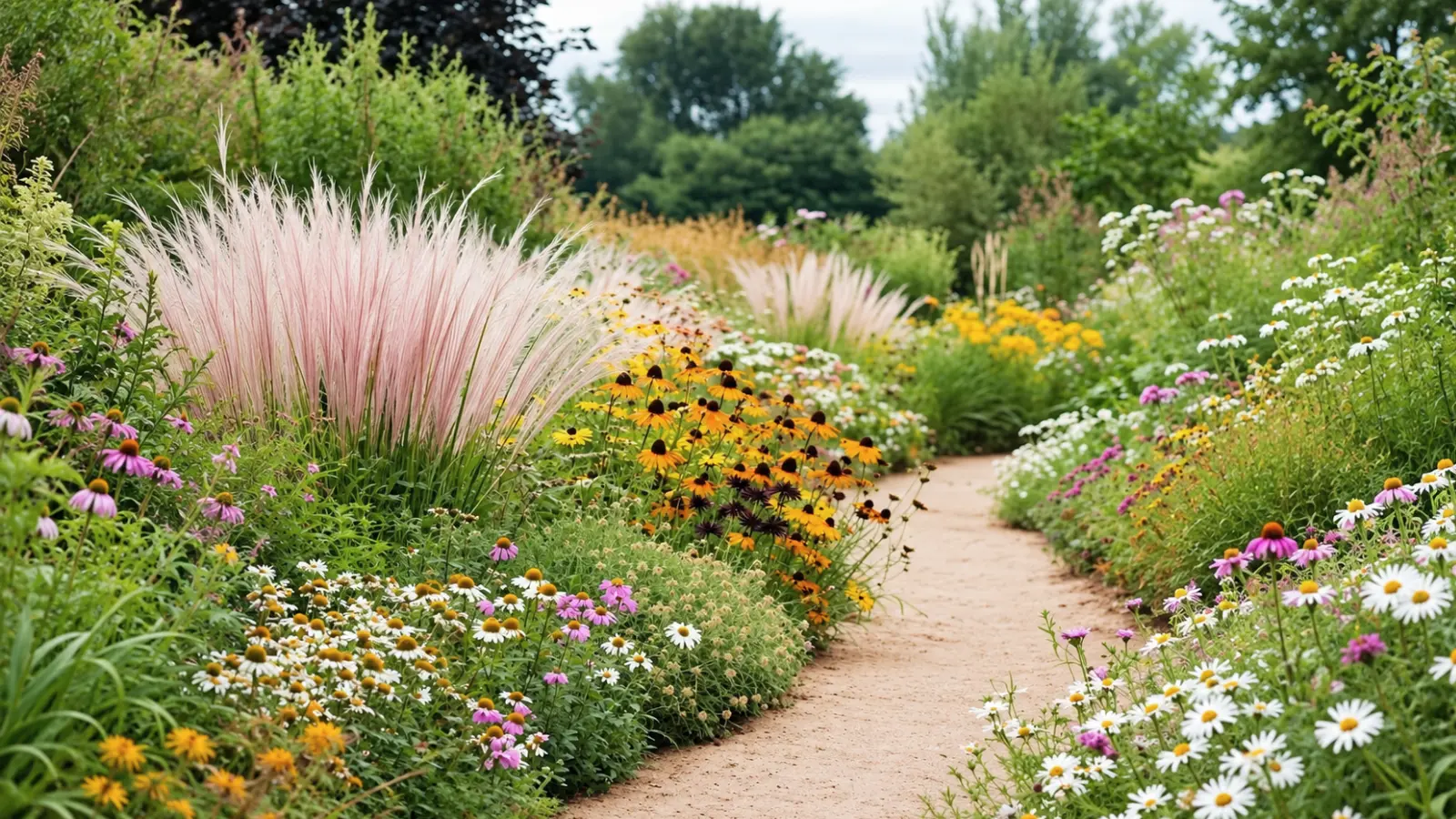
Grasses provide most of the structural framework in a prairie garden. Their leaves, stems, and seedheads remain attractive long after flowering plants fade, and their deep root systems help anchor the soil and outcompete weeds once established. Warm-season grasses—species that hit their stride in summer heat and go dormant in winter—tend to dominate authentic prairie plantings and are usually the most regionally appropriate choice. Cool-season grasses grow actively in spring and fall but are often dormant in the heat of summer; including some mix of both can extend seasonal interest.
Flowering forbs drive the seasonal change and add nectar, pollen, seed, and larval host foliage. A planting that blooms for only two weeks in summer will feel finished quickly; choose a range of bloom periods so the garden has resources from spring through hard frost. Include plants with varied heights and growth forms, but avoid mixing species that require sharply different soil moisture—pairing a dry-prairie species with one that needs consistent moisture in the same bed usually ends with one declining.
Regional selection is not optional. A native prairie garden in the tallgrass region of Illinois or Iowa will not use the same plant list as one in the shortgrass country of eastern Colorado, the oak savannas of the Southeast, or a Pacific Northwest grassland remnant. Check whether each species is genuinely native to your local ecoregion, whether it has been flagged as invasive in nearby areas, and how large it grows in garden conditions rather than in the wild.
When building a plant list, try to cover different layers of the community:
- Warm-season and cool-season grasses suited to the local climate and soil moisture
- Low, medium, and tall flowering forbs for visual depth and varied wildlife use
- Plants that bloom in early, mid-, and late season to support insects through the growing year
- Species that tolerate the site’s actual moisture level—not an idealized version of it
- Plants with persistent seedheads and stems that provide winter structure and bird food
For broader principles on selecting native plants by region and habitat, see the Native Plant Garden guide. This prairie article stays focused on grassland community structure rather than serving as a general native-plant directory.
Expect Several Establishment Years
The early appearance of a prairie garden can be genuinely misleading, and it helps to know what normal looks like before you decide something has gone wrong.
In the first growing season, many perennial prairie plants invest most of their energy in root development and may show only a few inches of top growth. Weeds, annual volunteers, and fast-germinating grasses will often look far more vigorous than the plants you intended to establish. This is expected and not a sign of failure.
The second season typically brings more visible above-ground growth, but the planting may still have open areas and require regular monitoring. Some forbs may bloom for the first time. By the third year, compatible prairie plants often begin to occupy more of the soil and compete more effectively against weeds. One long-cited benchmark from prairie restoration practice is that a well-managed planting should be approaching canopy closure—with prairie plants in control of most of the soil and foliar space—by the end of the third growing season. Exact timing varies with climate, site preparation, species selection, moisture, and whether you started from seed or plugs.
Resist the urge to judge the planting only by its first-year flower count. A colorful annual mix can look finished quickly and then leave bare gaps when the annuals fade, while a perennial prairie is building the root system that will support its persistence for decades.
Control Weeds and Plant Competition
Active weed control is one of the central responsibilities during prairie establishment, and it is the main reason the first few years require real effort. Without consistent intervention, aggressive annual and perennial weeds can shade young seedlings, consume available water, and set thousands of seeds before the prairie community develops enough to push back.
Learn to identify both the intended prairie seedlings and the common weeds on your specific site before they grow large. Many prairie seedlings look unremarkable in their first weeks, so pulling something before you’ve confirmed it’s a weed is an easy mistake to make. Photograph seedlings and compare them against reference guides or Extension resources for your region.
The most effective first-year weed control technique for seed-based plantings is repeat mowing—not to the ground, but to a height of 4 to 6 inches, each time the weed growth reaches 10 to 12 inches. This keeps weeds from shading the smaller prairie seedlings while avoiding cutting deep enough to damage them. Prairie Nursery’s Neil Diboll, whose five-step establishment guide is widely referenced in restoration practice, recommends mowing the planting approximately three times during the first growing season on this schedule. Never mow when the soil or plants are wet, and if possible, use a flail mower rather than a rotary blade—it shreds rather than mats the cut vegetation.
Be especially attentive to perennial weeds and invasive species that spread through root systems or set abundant seed. Removing them before planting is far easier than separating their roots from an established prairie mixture later. Use herbicides only when appropriate for the site and confirmed effective for the target weed, following the product label carefully and accounting for neighboring plants, runoff, and local rules.
The goal is not to eliminate every non-planted seedling instantly—some will sort themselves out as the prairie fills in. Prioritize plants that are actively threatening to dominate, setting seed, or spreading toward the edges of the intended boundary.
Mowing, Cutback, and Controlled Fire
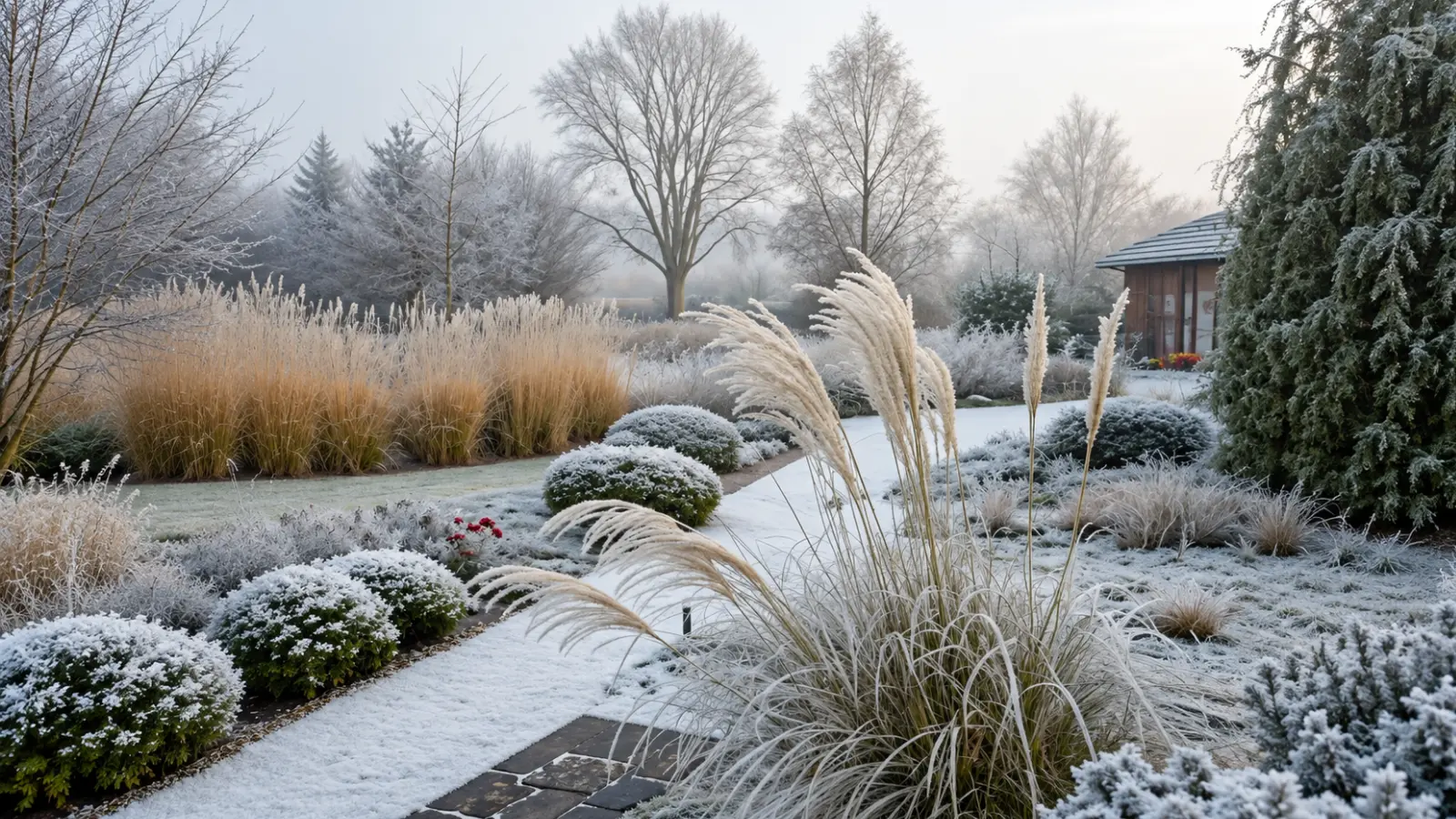
Once established, a prairie garden typically needs seasonal management rather than weekly mowing—but “low maintenance” doesn’t mean no maintenance.
A late-winter or early-spring cutback is the most common management approach for residential plantings. Cutting old growth before new shoots push up removes accumulated thatch, exposes the soil to warming sunlight (which gives warm-season prairie plants an advantage over cool-season weeds), and keeps the planting visually clear through the growing season. The ideal time is when buds on local deciduous trees are just beginning to swell—prairie plants are still dormant or barely active at this stage, and cool-season weeds are just starting to grow. This timing maximizes the benefit of the cutback for the prairie. Some gardeners leave sections standing through winter for seed, structure, and wildlife, then cut those areas in late winter before growth resumes.
For a small garden, selective hand-cutting and targeted weed removal are often sufficient. Remove cut material when a heavy layer of thatch would smother new growth or add excess fertility, but leave some leaf litter and hollow stems where they serve as overwintering habitat for native bees and insects.
Controlled burning is a specialized management tool used in larger prairie restorations to reduce woody encroachment, return nutrients to the soil, and favor warm-season grasses over invasive cool-season species. It is not a casual backyard task. In residential settings, burning a prairie garden requires professional assistance, a written burn plan, suitable wind and weather conditions, proper permits from your local fire department and any relevant natural-resource agency, and trained personnel with fire-safety support. In many communities, local ordinances prohibit open burning altogether. For most home-scale plantings, seasonal mowing or selective cutback is the appropriate choice, and it works well.
Prairie Gardens and Wildlife
A well-planted prairie garden can support a meaningful range of insects, birds, and other wildlife through flowers, foliage, seeds, stems, and ground-level cover—often more than a comparable area of conventional lawn or mixed perennial border.
Native flowering forbs provide nectar and pollen for specialist and generalist bees, butterflies, and other pollinators. Leaves support caterpillars and other herbivorous insects, many of which are adapted specifically to certain native plant genera. Grasses and standing stems offer overwintering shelter for native ground-nesting bees, eggs of many moth and butterfly species, and food for seed-eating birds through the winter months. This is one reason why leaving some standing structure through winter—rather than cutting everything in fall—has real ecological value.
Wildlife value improves when the garden provides resources across the full growing season. Include early-blooming forbs, mid-summer peak diversity, late-season seedheads, and some standing material in winter. Reduce pesticide use to what is actually necessary, and learn to distinguish cosmetic insect damage from a problem that genuinely threatens the planting’s health.
A prairie garden can be part of a broader wildlife garden strategy, but it does not replace every habitat type. Shrubs, trees, water sources, and nesting structures can be added at the edges when they fit the site and don’t undermine the open, sunny character that prairie plants require.
Common Prairie Garden Mistakes
Most prairie garden failures trace back to a handful of predictable problems. Knowing them in advance makes a real difference.
- Expecting instant low maintenance: The first two to three years require active monitoring, regular mowing, and hand-weeding. The long-term payoff is real, but it comes after consistent early effort.
- Using a generic wildflower mix: Colorful off-the-shelf mixes often contain plants that are not native to the region, or are heavy on fast-blooming annuals that leave bare gaps when they fade. Look for mixes specifically formulated for your regional prairie type.
- Skipping thorough site preparation: Existing turf and persistent perennial weeds can overwhelm slow-growing prairie seedlings. The time spent on preparation before planting pays off during every subsequent season.
- Planting at the wrong time: Mid-summer planting is generally too stressful; late-fall dormant seeding is often the best window for seed-based diverse mixes, particularly for forbs that need cold stratification.
- Planting only tall grasses: A prairie community needs flowering forbs and varied plant heights for both seasonal interest and wildlife value. A grass-only planting misses much of what makes prairie gardens work.
- Adding too much compost or fertilizer: Excess fertility tends to favor fast-growing weeds and aggressive non-native grasses over the native species you’re trying to establish.
- Cutting everything too early in fall: Old stems and seedheads provide winter structure, food for birds, and overwintering habitat for native insects. Save the major cutback for late winter.
- Trying to burn without expertise and authorization: Prescribed fire in a residential setting requires professional guidance, permits, and a written plan. In many areas it is simply not permitted.
- Ignoring the boundary: A clearly defined edge—a mowed strip, a stone border, or a low fence—helps the planting read as intentional rather than neglected, improves neighbor relations, and in some municipalities is required by ordinance.
A prairie garden becomes progressively easier to manage as the intended plants fill in and begin to outcompete the weeds on their own. But it still benefits from a seasonal evaluation each year: remove invasive plants before they spread, check the edge, and notice which species are thriving, which are fading, and what adjustments might help.
Give the Prairie Time to Become a Community
A successful prairie garden is built over seasons rather than installed for an immediate finished effect. Careful site preparation, regionally appropriate grasses and forbs, good planting timing and active weed management give young plants the opportunity to establish the deep root systems that eventually make the planting more resilient.
Expect the first years to require more attention than the mature garden. As the intended plants begin to occupy the available space, seasonal mowing or cutback and continued observation can gradually replace the intensive establishment work, allowing the prairie to develop its characteristic movement, structure and ecological value.
COMMON QUESTIONS
Before you begin.
What is a prairie garden?
A prairie garden is a designed planting inspired by North American grassland communities. It combines regionally appropriate native grasses with flowering forbs to create seasonal structure, habitat and long-term plant competition rather than functioning as a conventional flower border. The best plant mix depends on the local prairie type, soil, moisture and climate.
How do you start a prairie garden?
Choose a sunny site, identify the soil and moisture conditions, and remove turf, persistent weeds and invasive plants before planting. Prepare a firm seedbed, then use regionally appropriate prairie seed, plugs or a combination of both. Expect to manage weeds actively during the first two to three growing seasons while the prairie plants develop their root systems and begin filling the available space.
How long does a prairie garden take to establish?
Most seed-grown perennial prairie gardens take about two to three years to develop a cohesive, established appearance, although some sites require longer. The first year is often dominated by root development with relatively little visible growth, while the second and third years bring more flowering and stronger competition against weeds. Plugs usually provide faster visible results than starting entirely from seed.
When is the best time to plant a prairie garden?
For seed-based prairie plantings in many colder U.S. regions, late-fall dormant seeding is especially effective because winter conditions naturally provide cold, moist stratification for many native forbs. Early spring is another practical planting window, while midsummer is generally more stressful for establishment. Plugs can usually be planted from spring through fall when they have sufficient time and moisture to establish before extreme weather.
Should a prairie garden be planted from seeds or plugs?
Both methods can work. Seed is generally more economical for larger areas and makes it easier to establish a diverse plant community, but germination and early growth are slower and require patient weed management. Plugs cost more but offer predictable placement and faster visible establishment, making them particularly useful for smaller residential prairie gardens or for emphasizing specific species.
Are prairie gardens low maintenance?
Prairie gardens can require less routine maintenance than lawns once established, but the first two to three years are management-intensive. Young plantings need weed control, monitoring and sometimes supplemental watering, while established gardens still benefit from an annual late-winter cutback and regular checks for invasive plants or woody encroachment. Their lower-maintenance character develops gradually as the intended plant community becomes established.