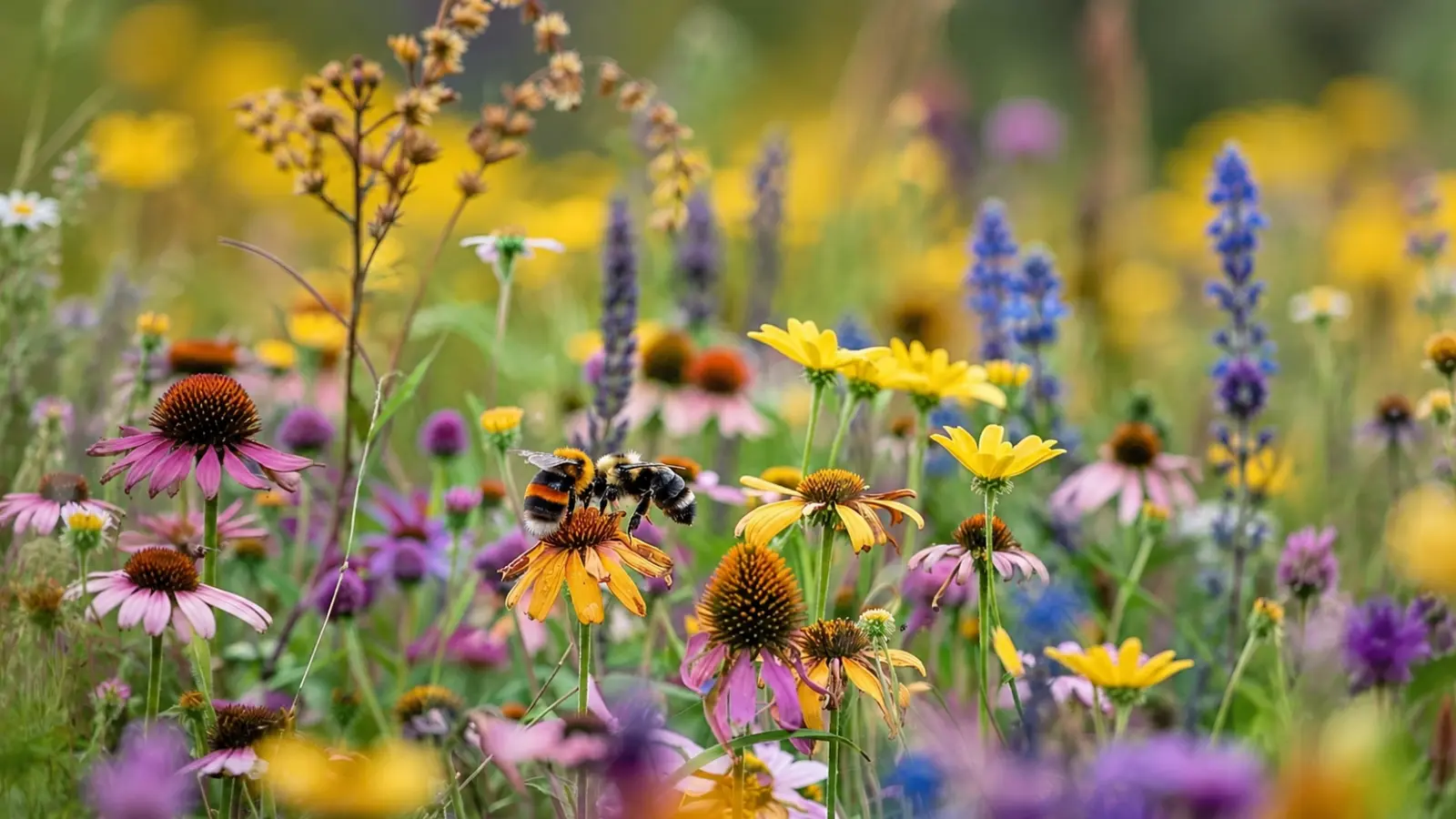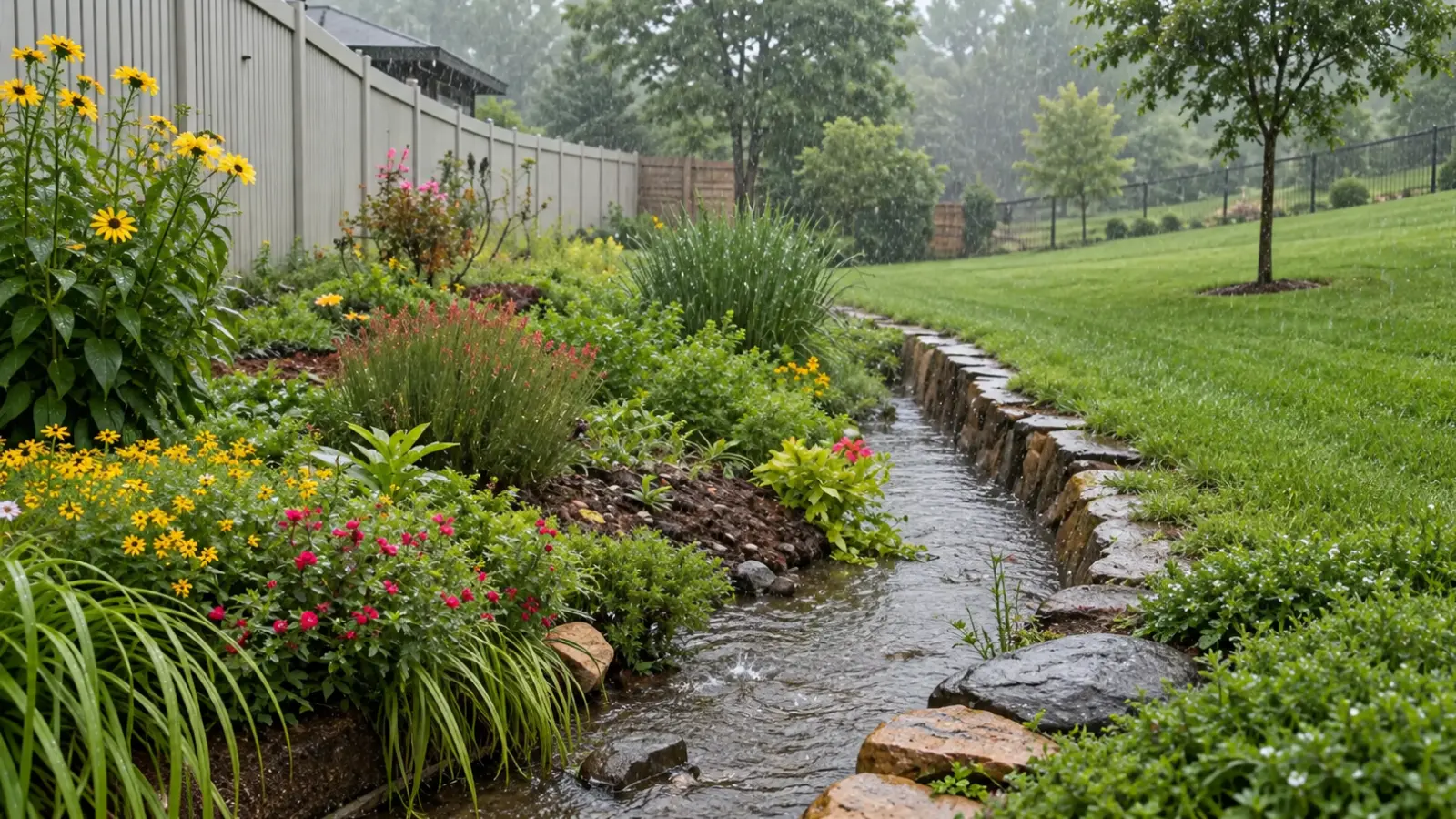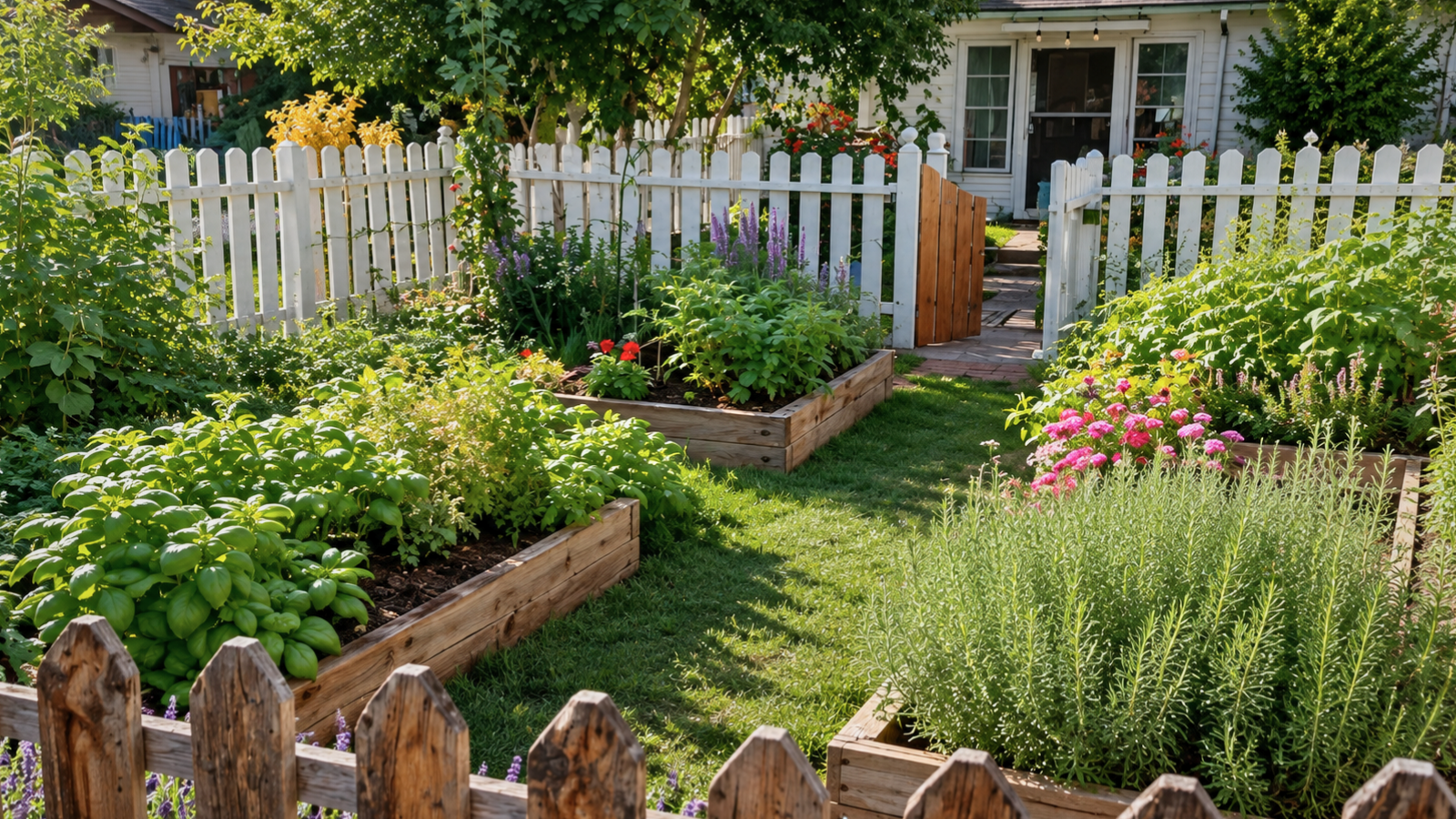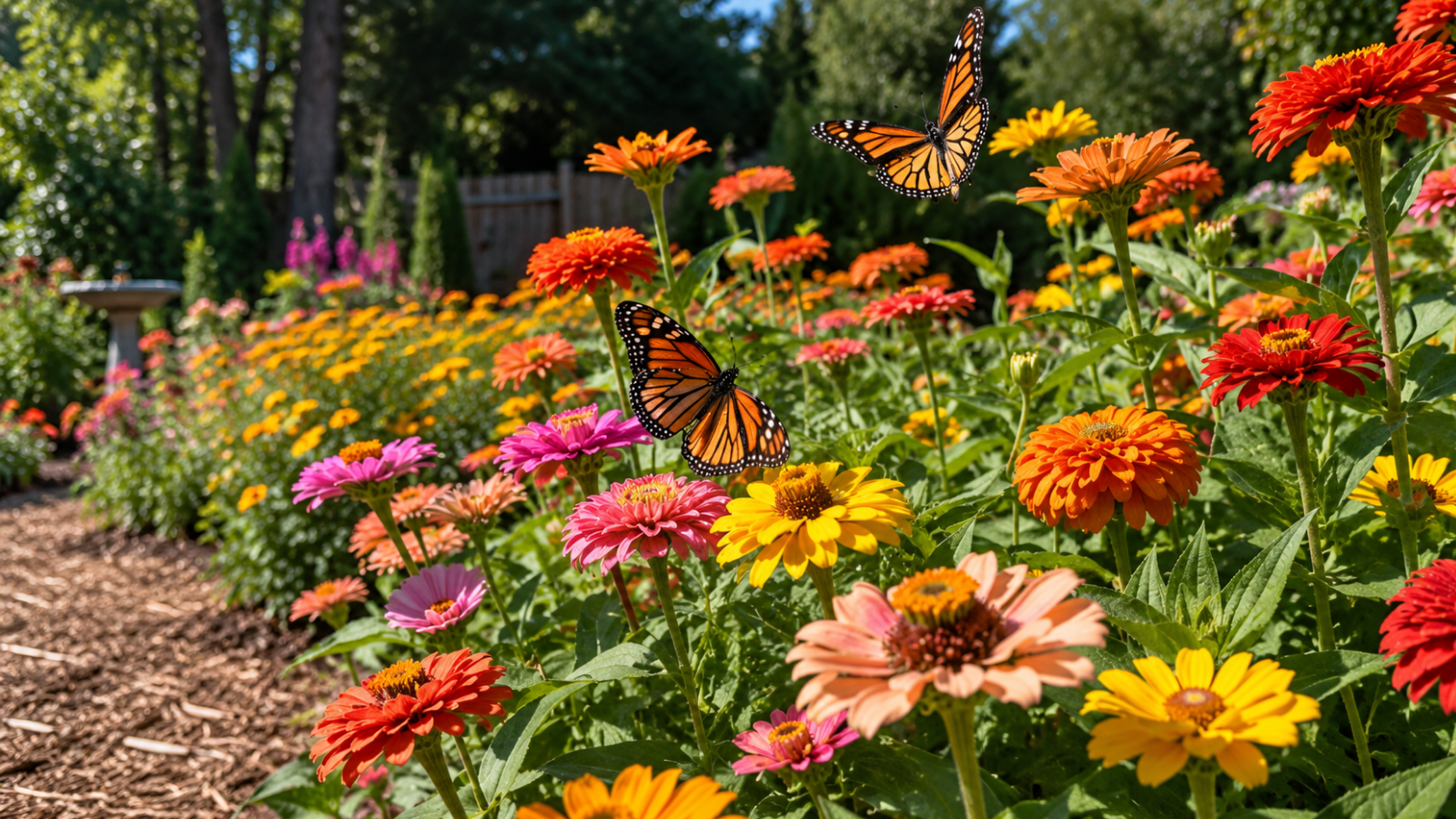
A butterfly garden is more than a collection of colorful flowers. A true butterfly habitat provides nectar for adults, host plants for caterpillars, sunny places for basking, protection from wind, access to moisture and enough seasonal variety to support butterflies through different stages of their life cycle.
You do not need a large yard to create one. A sunny border, small planting bed or grouped containers can provide useful habitat when the plants match your region and the space offers the conditions butterflies need.
This guide explains how to create a butterfly garden, from choosing the right site and combining nectar and host plants to planning the layout, providing water, reducing pesticide risks, maintaining seasonal habitat and troubleshooting a garden that is not attracting butterflies yet.
What Does a Butterfly Garden Need?
Butterflies need more than nectar. A useful butterfly garden provides food for adults, food for caterpillars, protection from weather, and surfaces where butterflies can warm up in the sun.
The basic elements are:
- At least six hours of direct sunlight daily
- Nectar flowers with different bloom periods
- Host plants for caterpillars
- Protection from strong wind
- Shallow moisture or a puddling area with access to minerals
- Flat stones or open surfaces for basking
- Plants and materials that don’t expose butterflies to unnecessary pesticides
- Some undisturbed leaves, stems, or ground cover for shelter and overwintering
These features can be combined in a formal planting bed or arranged in a more naturalistic backyard butterfly garden. The design doesn’t need to look wild, but it should offer more than flowers alone.
Sun, Shelter and Site Conditions
Butterflies are cold-blooded, which means they depend on external heat to warm their bodies enough to fly. Most species need their body temperature to reach around 85–86°F before they’re fully active, which is why you’ll often see them basking on rocks or open soil in the morning before much else is moving in the garden. Sun exposure is the single most important site criterion for a butterfly garden.
Choose a location that receives at least six hours of direct sun daily — the standard recommended by university Extension services across the country. More sun is generally better, though in very hot climates, a bit of late-afternoon shade won’t hurt the butterflies or most common nectar plants. Watch how nearby trees or buildings change the light through the season before committing to a site.
A sunny site should still offer some shelter. A fence, hedge, shrub, wall, or dense group of plants at the back can protect butterflies from strong wind, which makes landing and feeding much harder. Avoid placing the entire garden in a wide-open, exposed position where the flowers bend constantly and butterflies have to fight to stay on them.
Well-drained soil suits many nectar plants, but the right conditions depend on the species you choose. Before planting, think through soil texture, drainage, irrigation access, and the USDA Hardiness Zone for your area. A plant that draws butterflies beautifully in the Mid-Atlantic may struggle or fail in the upper Midwest or the desert Southwest.
Nectar Plants for Adult Butterflies
Adult butterflies rely on nectar as their primary energy source, and they’re often drawn to clusters of small flowers that give them a visible landing platform and make feeding more efficient.
When choosing plants, look for a mix of flower shapes, heights, and bloom times. Flat-topped clusters — like those of native milkweeds, zinnias, or Joe Pye weed — offer convenient landing surfaces. Tubular flowers may better serve species with longer proboscises. A combination of perennials, annuals, shrubs, and native plants keeps nectar available across a longer stretch of the growing season rather than all at once in a single peak month.
Don’t choose plants only because they appear on a general butterfly flower list. Match each plant to your sunlight, soil, moisture levels, winter temperatures, and available space. Check whether a plant is regionally appropriate and avoid known invasive species in your area. The right plant for someone in Tennessee may be the wrong plant — or even an ecological problem — for someone in the Pacific Northwest.
A dedicated Butterfly Garden Plants article covers the larger plant-selection process. This page focuses on how the habitat works and how to build it successfully.
Host Plants for Caterpillars
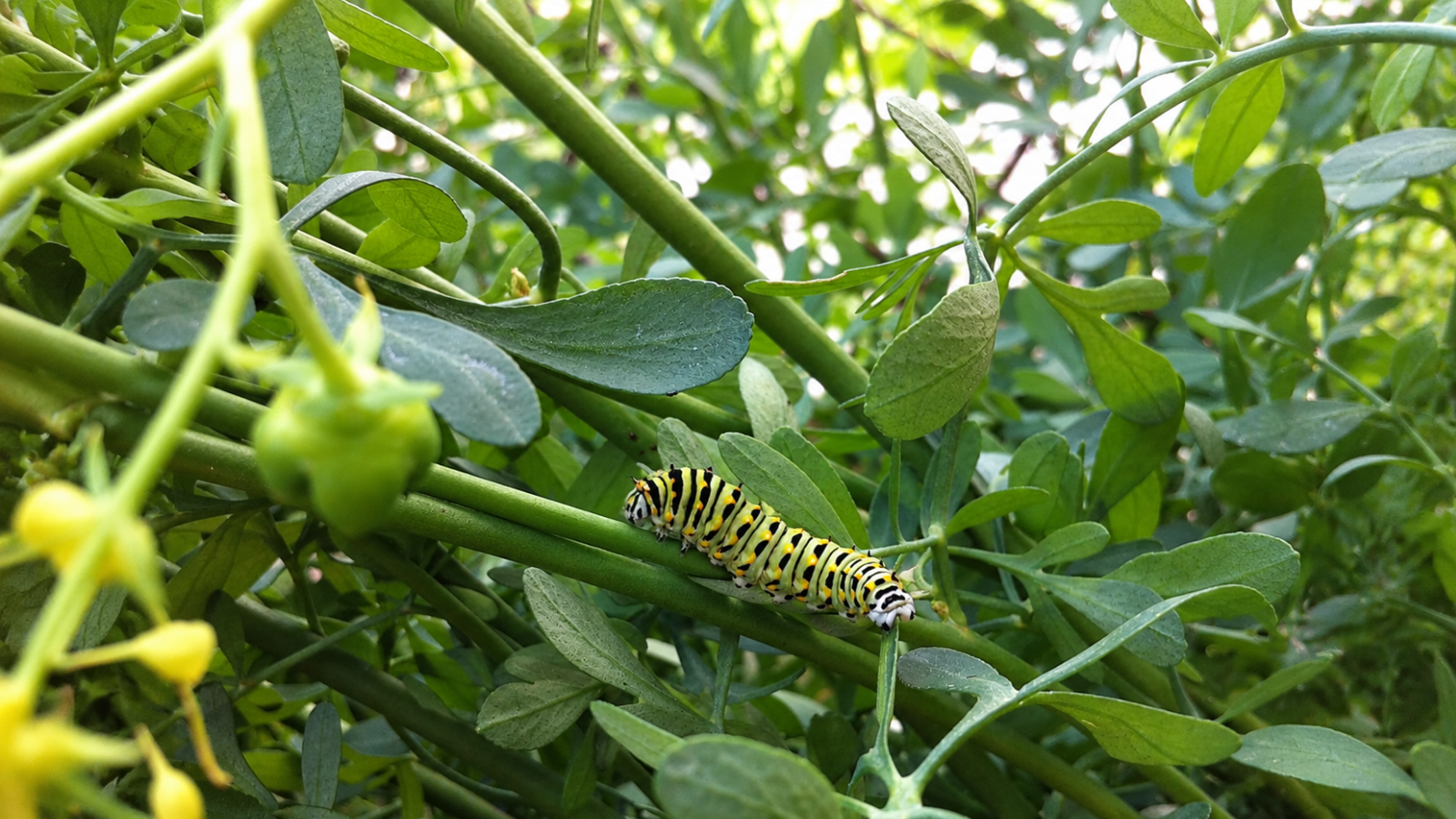
Nectar plants feed adult butterflies, but host plants are where caterpillars live and eat. Female butterflies identify specific host plants by taste and scent, laying their eggs on or near the plants their caterpillars will need. Without host plants, the garden can attract adults as visitors but won’t support reproduction or complete the butterfly life cycle.
This is one of the most important differences between a flower bed and a true butterfly habitat. Caterpillars will chew leaves, create small holes, and sometimes strip a plant almost bare for a period. That’s the garden doing its job — not a sign that something has gone wrong. Expect it, plan for it, and resist the urge to intervene.
Host plants are highly species-specific. Monarch caterpillars require milkweed. Black swallowtails rely on plants in the carrot family, including parsley, dill, and Queen Anne’s lace. Spicebush swallowtails need spicebush or sassafras. The right host plant choices depend entirely on which butterfly species are present in your area, so research your local species before planting. Regional native plants are often a strong starting point, since local butterflies are already adapted to use them.
Position host plants where caterpillars can feed without being disturbed — toward the back of the bed or in a less-observed corner. Nectar plants closer to a path keep the feeding action visible and make daily observation more enjoyable.
Water and Puddling
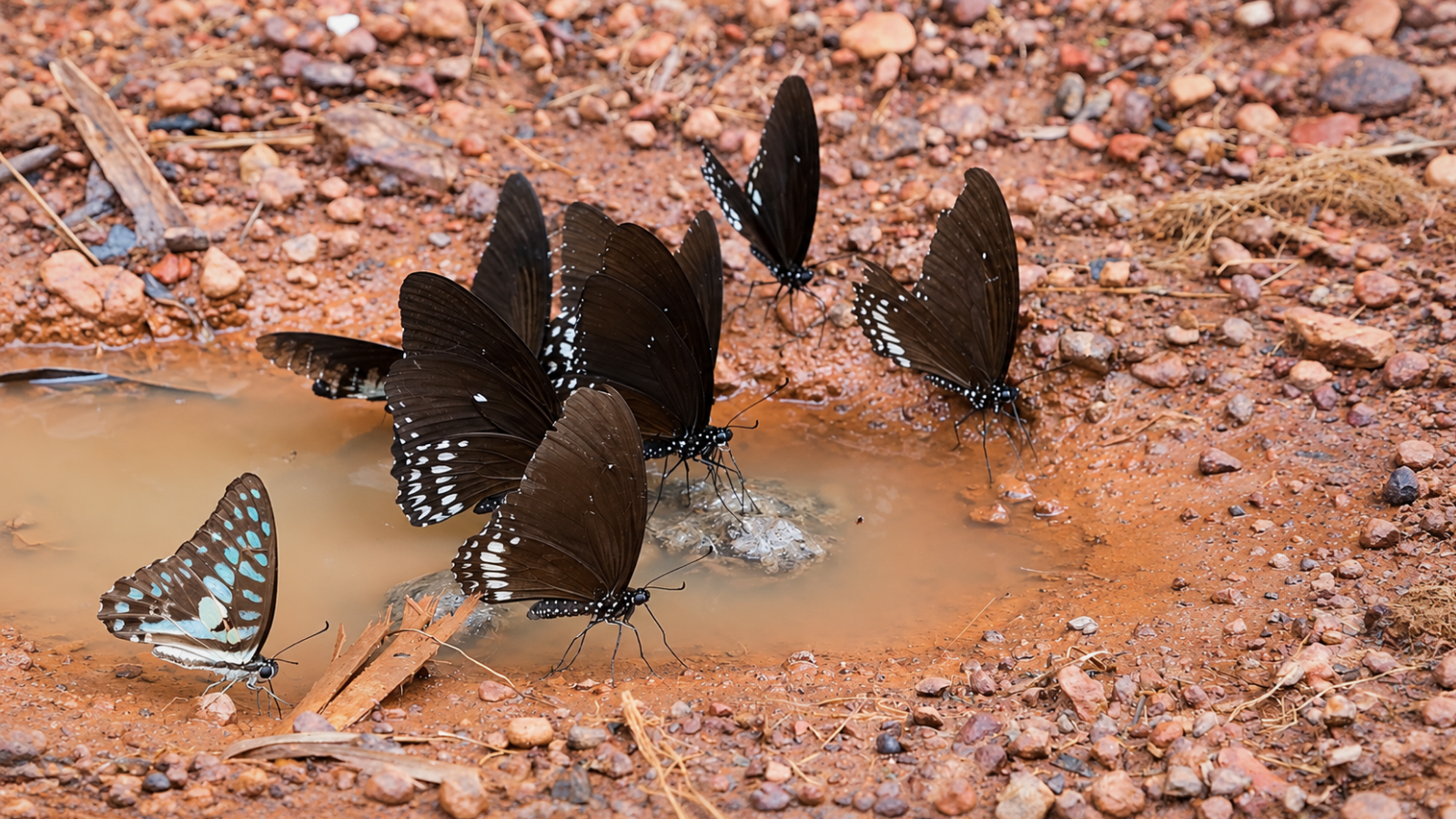
Butterflies don’t drink from open water the way birds do. Instead, they sip moisture and dissolved minerals from damp soil, wet sand, mud, or shallow puddles — a behavior called puddling.
What they’re after isn’t just hydration. Nectar is rich in sugar but short on sodium, amino acids, and other minerals that butterflies need for reproduction and flight. Puddling allows them to make up that difference. It’s a behavior observed almost exclusively in male butterflies, who absorb sodium and other nutrients and later transfer them to females during mating. Adding a puddling station to your garden gives these males exactly what they’re looking for and can make your space noticeably more attractive to certain species.
Creating a simple puddling area is easy. Fill a shallow dish or tray with coarse sand or plain soil and keep it consistently damp — wet enough to hold moisture, but not flooded. Place it in a sunny, sheltered spot at ground level or just slightly raised, and add a few flat stones or sticks so butterflies have a perch while they sip. Unlike birdbaths, butterfly puddlers work best when the substrate stays lightly muddy rather than clean. A small pinch of salt added to sand can help simulate the natural mineral content that draws butterflies to roadside puddles and stream banks in the wild.
Change the water and rinse the container regularly if it starts to attract mosquitoes or collects debris. The safest design is shallow, stable, and placed where runoff from fertilized beds or treated lawn areas can’t reach it.
Why Avoiding Pesticides Matters
Pesticides can affect butterflies, caterpillars, and the other insects a butterfly garden is meant to support. A product applied to control a chewing pest may be indistinguishable from a caterpillar’s perspective. Broad-spectrum insecticides — including some organic options — can affect beneficial insects that aren’t causing any harm.
Start with prevention and observation. Choose plants suited to the site, encourage natural predators, remove severely damaged material when it becomes necessary, and tolerate a reasonable level of feeding. If a treatment genuinely seems needed, identify the pest accurately before reaching for anything, read the full label, and consider whether the timing could put caterpillars or adult butterflies at risk.
Don’t assume a product is safe simply because it’s described as natural or organic. Pyrethrin, spinosad, and Bt (Bacillus thuringiensis) are all considered organic options but can harm butterfly larvae under certain conditions and timing. Follow label directions carefully, avoid spraying open flowers or any area where butterflies are active, and treat in the evening when pollinator activity is lower. Chemical decisions deserve extra care in any garden used by children, pets, or people with sensitivities.
How to Plan the Layout
A good butterfly garden layout makes the space easy for butterflies to use and easy for you to care for. Start by mapping the sunniest area of the yard, then think through where wind protection, water, basking spots, and access paths can fit around it.
Place Taller Plants Toward the Back
In a border viewed from one direction, taller plants, shrubs, and host plants work best toward the back. Lower nectar plants near the front keep the flowers visible and accessible, and make caterpillar activity on the host plants a little easier to observe without disturbing them.
Group Plants in Repeating Clusters
A grouping of the same plant is far easier for a butterfly to find than isolated single specimens scattered throughout a bed. Three to five plants of the same species planted together create a more visible target and make feeding more efficient. Repeating those clusters across the garden also gives the design visual rhythm and makes seasonal maintenance simpler.
Leave Warm Basking Surfaces
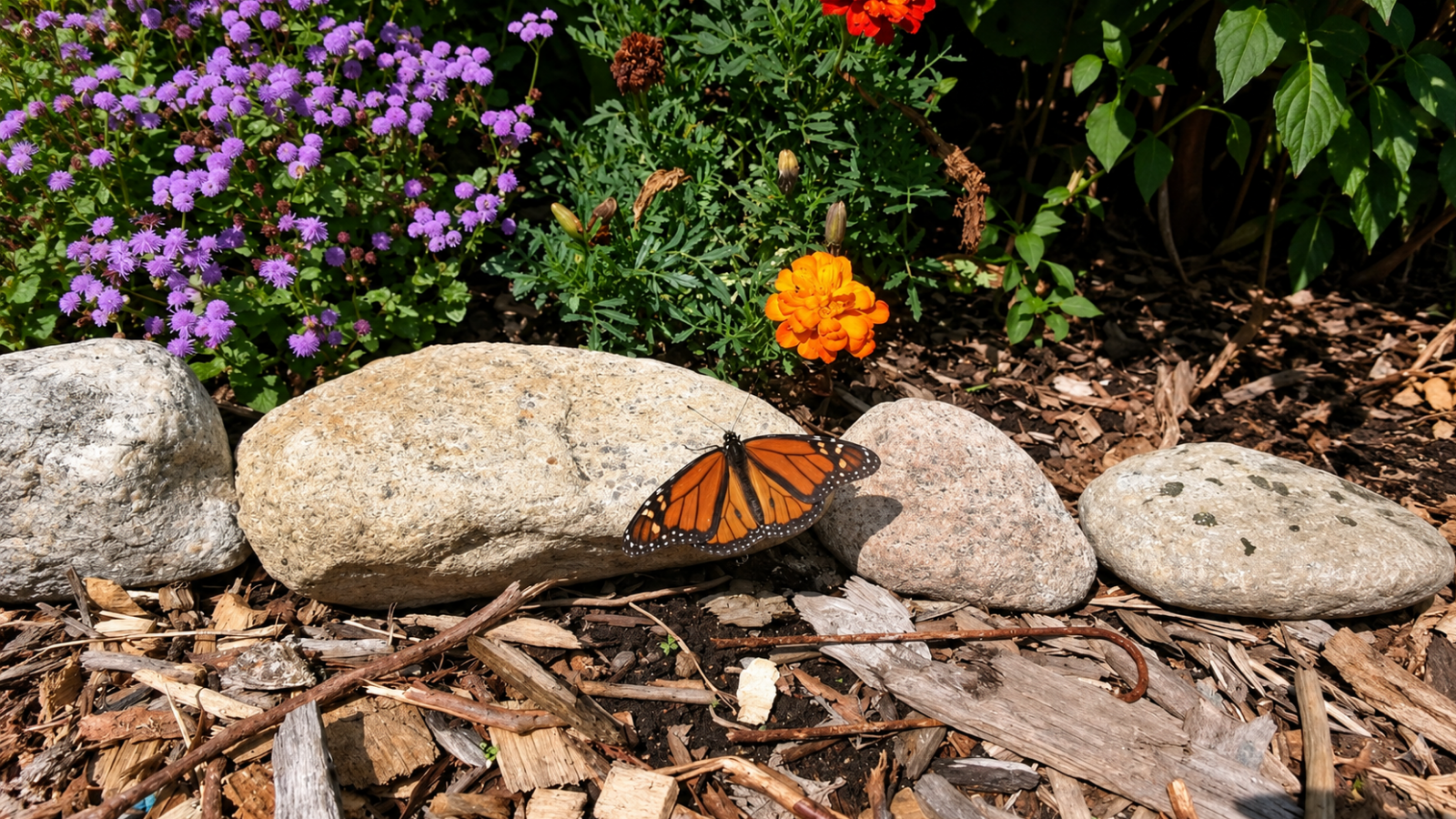
Don’t fill every inch of the garden with foliage. Flat stones set in sunny spots, a section of bare or mulch-free soil, or a low wall can give butterflies a warm surface to open their wings and raise their body temperature — especially in the morning. Light-colored or dark-colored stones both work; what matters is that they’re in direct sun and free from pesticide residue.
Keep a Clear Observation Path
A narrow path or accessible edge lets you inspect plants, notice caterpillars, and refill the puddling station without stepping into the planting. It also makes a small garden feel intentional rather than overgrown — and gives you a reason to spend a few minutes watching it each day.
Continuous Bloom and Seasonal Care
Different butterfly species are active at different points in the growing season, and some make multiple generations per year. A garden that peaks in midsummer and goes quiet in early spring and fall leaves a lot of potential visits on the table.
Plan for early, middle, and late-season nectar. The exact timing depends on your region — what counts as “early spring” in Georgia is very different from early spring in Vermont — but the principle holds everywhere: layer plants that start flowering at different times rather than choosing everything for the same peak month.
Seasonal care should be light and observant. Water new plants while they’re establishing, stay ahead of aggressive weeds that can crowd out what you’ve planted, and keep the puddling area functional through warm weather. The bigger shift comes in autumn and early spring, and it matters more than most gardeners realize.
Many butterfly species don’t simply disappear in winter — they overwinter in the garden in different life stages depending on the species. Swallowtails often spend the winter as a chrysalis attached to a plant stem, camouflaged to look like a twig or dead leaf. Some fritillaries overwinter as tiny caterpillars nestled in leaf litter near their host plants. A few species — like the Mourning Cloak — survive as adults tucked into bark crevices or sheltered corners. Cleaning up every stem, leaf pile, and hollow stalk in fall removes a significant portion of that overwintering habitat.
Leave selected seed heads and stems standing through autumn and winter when they aren’t creating a disease or structural problem. In spring, hold off on cutting everything back until temperatures are consistently warm — a good rule of thumb is waiting until daytime highs are reliably in the 50s°F before doing a thorough cleanup. Tidy up gradually rather than treating the whole garden as one big autumn chore.
Small-Space Butterfly Gardens
A butterfly garden doesn’t need to fill an entire yard. A small sunny bed, a balcony, or a grouped set of patio containers can support nectar plants and attract regular visitors, though a limited footprint does make it harder to include host plants, shelter, and basking surfaces all at once.
For a small garden, choose a few plants with staggered bloom periods rather than filling the space with many unrelated varieties that all flower at the same time. Use containers with drainage holes, place them where they receive at least six hours of sun, and group them together so butterflies can move between flowers easily without expending much energy. Isolated containers on opposite ends of a deck are much less effective than a cluster.
Include at least one host plant if the space allows. Accept that you may see visible caterpillar feeding, and keep the container away from any nearby pesticide use. A shallow dish with damp sand set among the containers can serve as a small puddling station, as long as it stays stable and gets refreshed regularly.
Why Butterflies May Not Visit
It’s normal for a new butterfly garden to take time to find its audience. Butterflies respond to weather, migration timing, plant maturity, nearby habitat quality, and what’s available across the wider neighborhood — factors you often can’t control in the first season.
Common reasons for limited visits include:
- The site receives fewer than six hours of direct sun
- Flowers are available for only one short period in the season
- The garden has nectar plants but no host plants
- Strong wind makes the space difficult to use
- Plants are too young or recently transplanted to flower well
- Flowers were treated with systemic insecticides before or after purchase
- The plants selected are not well suited to the local region or butterfly species
- Nearby lawn or garden treatments have reduced the overall insect population
- Cool, rainy, or unusually hot weather is limiting butterfly movement
Give the garden time to establish before making major changes. You may see bees, native wasps, or moths well before adult butterflies become regular visitors — and you might find caterpillars before you ever see the adult that laid the eggs. Those are all signs that the habitat is beginning to function exactly as it should.
Build a Habitat, Not Just a Flower Bed
The most successful butterfly garden provides more than blooms. Nectar feeds visiting adults, host plants support caterpillars, sunny sheltered spaces make feeding and basking easier, and thoughtful seasonal care allows the habitat to keep functioning beyond peak flowering season.
Give the garden time to develop and expect signs of life that may not look perfectly tidy. Chewed leaves, caterpillars, standing stems and unexpected insect visitors can all be evidence that the space is becoming a functioning habitat rather than simply a decorative planting.
COMMON QUESTIONS
Before you begin.
What does a butterfly garden need?
A butterfly garden needs a sunny location, nectar flowers for adult butterflies, host plants for caterpillars, protection from strong wind and safe places for butterflies to bask. A shallow puddling area can also provide moisture and minerals, while some undisturbed leaves and stems can offer shelter and overwintering habitat.
What is the best location for a butterfly garden?
Choose a site that receives at least six hours of direct sunlight per day and has some protection from strong wind. The location should also have suitable soil and drainage, convenient water access and enough space for plants to mature. Match the final plant selection to your local climate and growing conditions.
How do you attract butterflies to a garden?
Provide a combination of nectar plants, caterpillar host plants, sunny basking areas, shelter and flowers that bloom at different times throughout the season. Choose plants appropriate for butterflies found in your region and avoid unnecessary pesticide use, especially on flowers and host plants.
Why are host plants important in a butterfly garden?
Host plants provide the specific food caterpillars need after butterfly eggs hatch. Many butterfly species depend on particular plants, so nectar flowers alone may attract adults without supporting reproduction. Including suitable host plants allows the garden to support more stages of the butterfly life cycle.
Can you create a butterfly garden in containers?
Yes. A container butterfly garden can work on a sunny patio, balcony or other small space. Group several containers together, choose nectar plants with staggered bloom periods and include at least one appropriate host plant when space allows. Containers should have good drainage and may require more frequent watering than in-ground beds.
Why are butterflies not visiting my butterfly garden?
Butterflies may stay away if the garden receives too little sun, lacks host plants, flowers for only a short part of the season or is exposed to strong wind or pesticides. Weather, plant maturity, local butterfly populations and the surrounding habitat also influence activity, so a newly planted garden may need time to establish before visits become frequent.