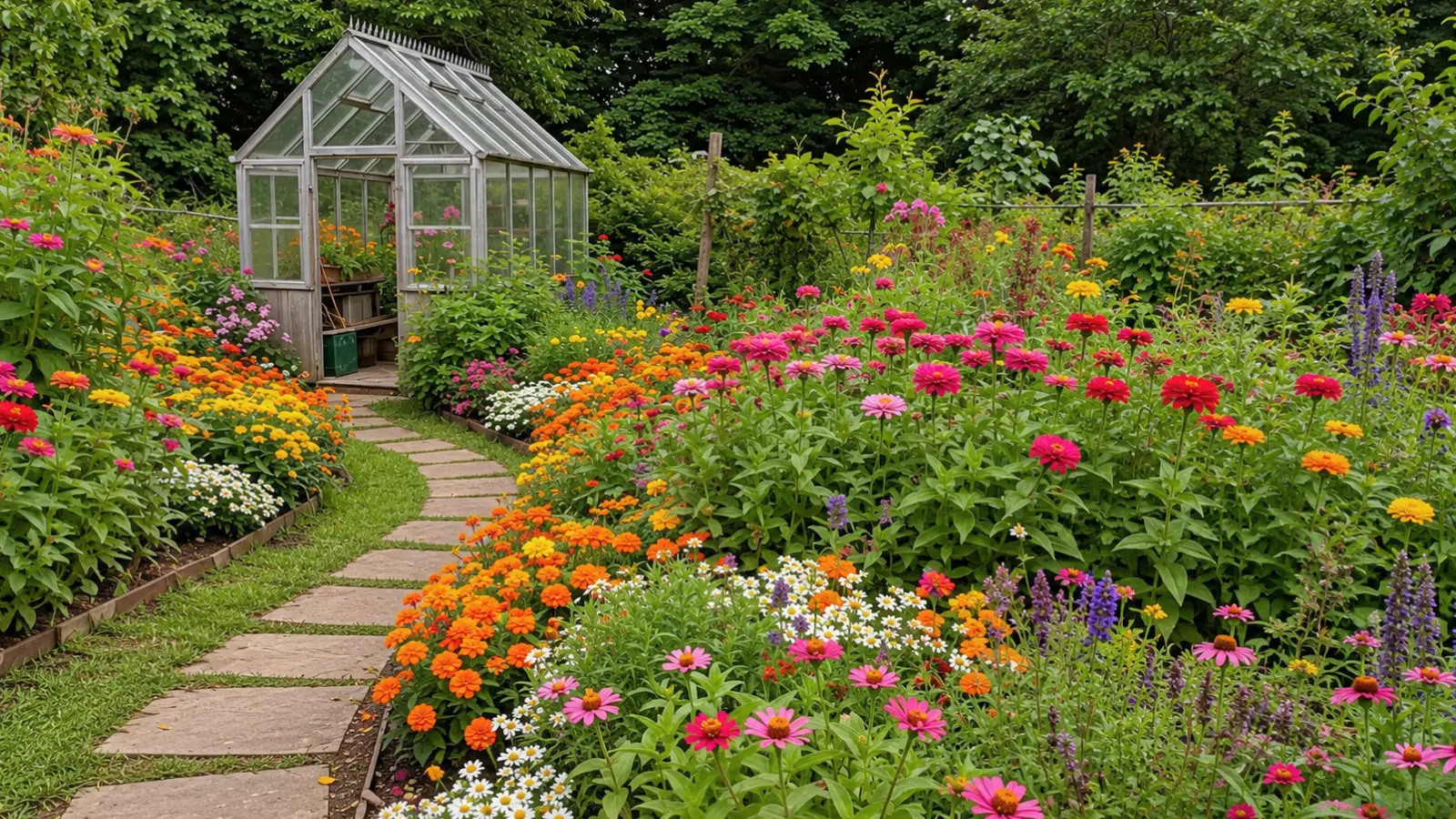
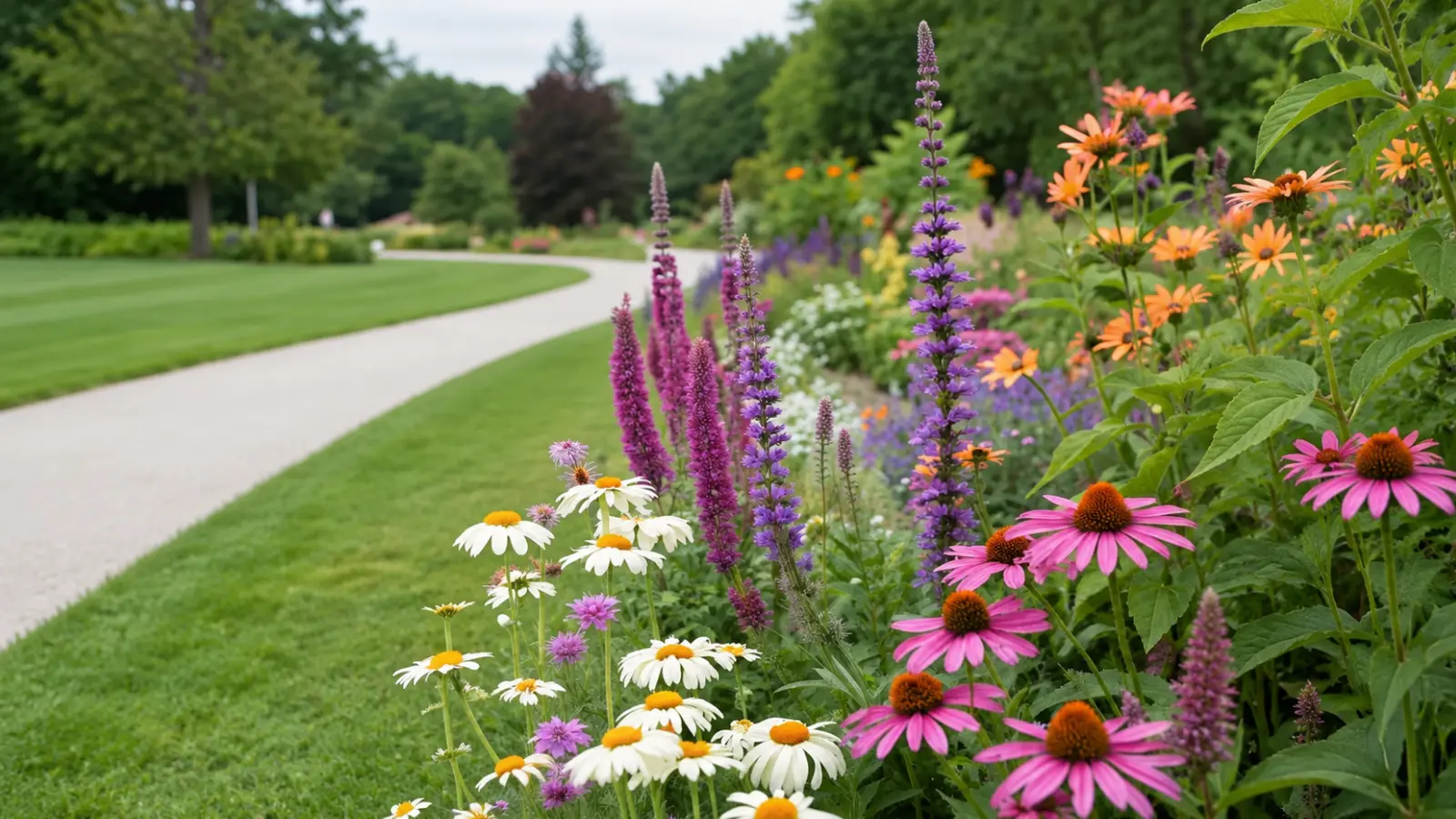
A meadow garden blends flowers and grasses into a relaxed, naturalistic planting, but the finished look is not the result of simply letting an area grow. Successful meadows begin with deliberate choices about sunlight, soil, moisture, existing vegetation and the amount of space you can realistically establish and maintain.
Some meadow gardens are built primarily with regionally native plants, while others use a carefully selected combination of grasses, perennials and annuals for a more ornamental effect. The right approach depends on the site, the desired appearance and how much control you want over the final plant community.
This guide explains how to create a meadow garden, from preparing the site and choosing between seed mixes and plugs to selecting compatible flowers and grasses, planning seasonal succession, managing weeds during establishment, mowing the mature planting and using paths and defined edges to keep the meadow intentional.
What Is a Meadow Garden?
A meadow garden is a cultivated landscape inspired by an open plant community. It usually includes flowering plants mixed with grasses rather than a single mass of one ornamental species. The planting may be compact and highly designed or broad enough to create a genuinely immersive meadow effect.
“Meadow” describes a type of open habitat and a design direction, not one fixed plant list. A wet meadow, dry meadow, coastal meadow, and mountain meadow each have different conditions and distinct plant communities. Even a small residential meadow should reflect the climate, soil, drainage, and light of its specific location—not just a generic idea of what a meadow looks like in photographs.
Meadow gardening can support pollinators and other wildlife, but habitat value depends on what is planted and how the area is maintained. A generic ornamental mix may provide seasonal color without being well-adapted to the region, while a carefully chosen native planting can offer deeper ecological continuity over time.
Meadow vs. Prairie vs. Wildflower Patch
These terms overlap in everyday gardening language, but they can suggest meaningfully different goals. Understanding the distinction helps you choose the right approach from the start.
| Planting | Main Character | Typical Design Priority |
|---|---|---|
| Meadow garden | Open flowers and grasses with a relaxed, naturalistic appearance | Seasonal beauty, visual movement, and manageable long-term structure |
| Prairie garden | Regional grassland community with deep-rooted native plants | Ecological fit, warm-season grasses, forbs, and multi-year community development |
| Wildflower patch | Small area focused primarily on flowering plants, often annuals | Accessible seasonal color, a short display, or a low-commitment starter planting |
A meadow garden can contain a prairie-inspired native planting or a more ornamental combination, depending on your goals. A prairie garden has a narrower ecological focus and a more specific plant community, while a wildflower garden may be smaller and more centered on the experience of flowering color than long-term plant community structure.
Choose the Right Site and Size
Most meadow plants need an open, sunny location. Six or more hours of direct sunlight daily is a reliable starting point, though individual species vary. Watch the site through the growing season—a space that appears sunny in early spring may become partially shaded once nearby trees leaf out.
Check drainage before deciding what to plant. Dry upland sites, average garden soil, and seasonally wet low areas call for very different plant communities. Plants that fail because the site is too wet or too dry leave bare gaps where weeds move in quickly.
Start With a Manageable Area
A smaller meadow that receives consistent attention in the first two years nearly always outperforms a large conversion left to competition. A narrow strip may work best with shorter species and a more deliberate edge, while a broader area can accommodate taller grasses and a looser, more natural transition.
Consider honestly how much time you can spend watering, weeding, and observing during establishment. Starting at a scale you can actually manage is not a compromise—it is how most successful meadow gardens begin.
Prepare the Soil and Remove Existing Vegetation
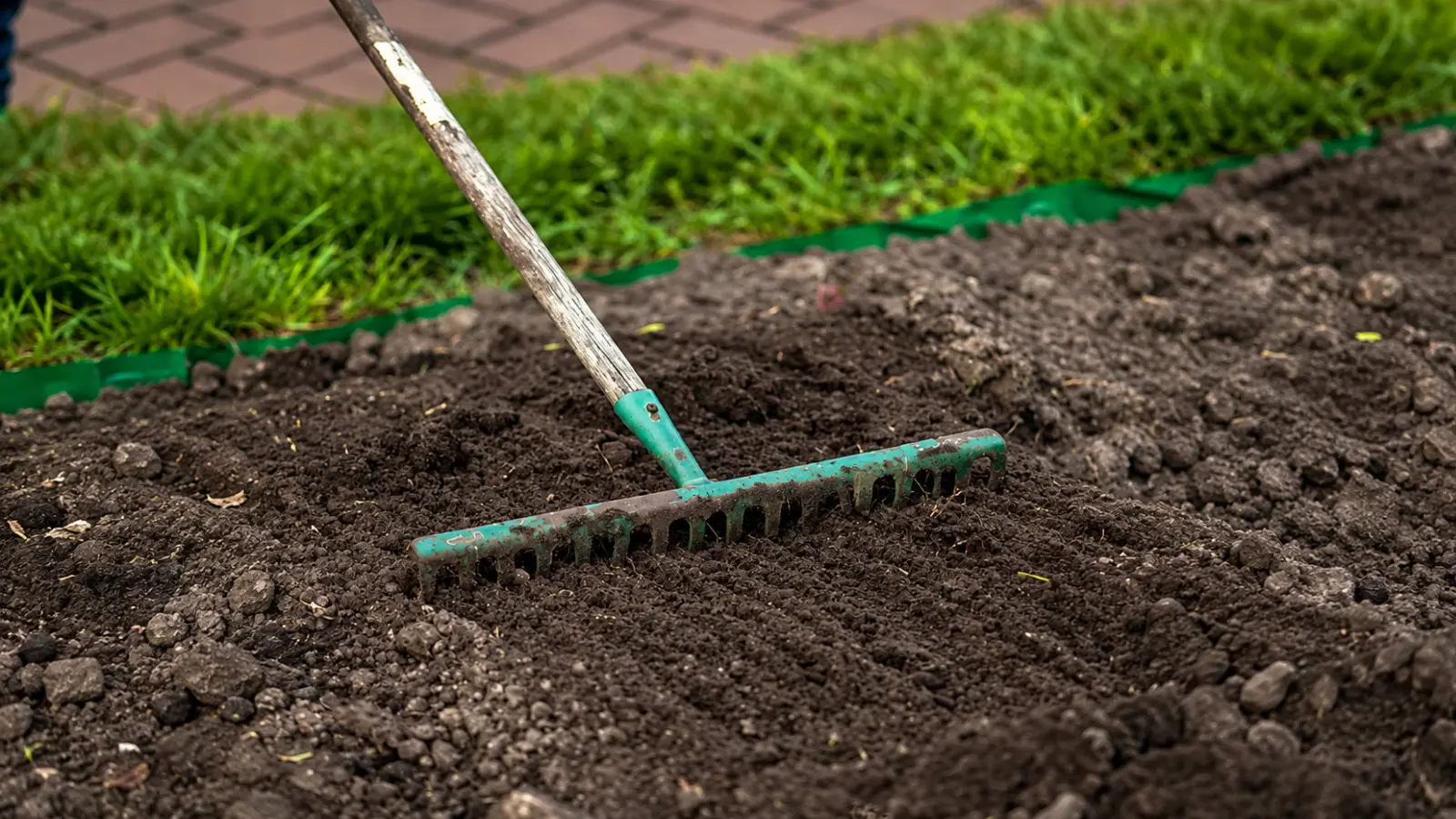
Preparation is one of the most decisive factors in how a meadow establishes. Young meadow plants are often slow to occupy the soil, and existing grass or perennial weeds can dominate quickly if they haven’t been addressed before planting.
Remove Turf and Persistent Weeds
For small areas, physically removing the sod and its roots gives the cleanest start. Smothering with cardboard and a deep layer of wood chips can work when the covering stays in place long enough to fully suppress the vegetation—typically one full growing season. Repeated shallow cultivation may reduce regrowth on some sites, but it also brings dormant weed seed from lower in the profile up to the germination zone, so the trade-off is real.
Do not rush to sow immediately after removing visible turf. Let the prepared area sit for a few weeks, address the first flush of weed seedlings, and then sow. When the site contains persistent perennial grasses or invasive plants, thorough preparation may take a full growing season before the ground is actually ready.
Keep the Seedbed Suitable
Most meadow seeds need direct contact with bare, firm soil to germinate well. They should not be buried under a deep layer of compost or mulch. Finish the surface with a light rake and, after sowing, roll it or tamp it lightly—this improves seed-to-soil contact and reduces the chance that seed will blow or wash away before it has a chance to germinate. Correct serious soil problems based on a soil test rather than enriching the entire area automatically. Excess fertility favors fast-growing weeds and aggressive non-native grasses over the native species most meadows are built around.
Seed Mixes vs. Designed Planting
Seed mixes are convenient for covering larger areas, but the label deserves careful reading. Check the species list, regional suitability, and the annual-to-perennial balance—and verify that no plant in the mix is considered invasive or poorly adapted to your location before you sow it.
A designed planting uses plugs or potted plants placed according to height, spread, bloom time, and color. It costs more upfront and takes longer to install, but it gives you far more control over the final composition and works well for smaller, more visible residential spaces.
| Approach | Best Strength | Main Challenge | Best Fit |
|---|---|---|---|
| Commercial seed mix | Fast coverage of a prepared area | Uncertain species balance and regional suitability | When the full species list has been carefully reviewed |
| Regional native seed mix | Broader ecological fit and genuine plant diversity | Slow establishment and ongoing weed management in years one and two | Habitat-focused meadow plantings on larger sites |
| Designed plugs | Control over placement and mature composition | Higher cost per plant and more installation labor | Small or highly visible garden areas |
| Combined planting | Community effect with selected focal plants or quicker early structure | Different establishment rates require patience and close monitoring | Residential meadow gardens with defined views and mixed goals |
Detailed seed selection guidance belongs in the Seeds & Planting category. This section is meant to help you choose an approach, not to serve as a regional review of every available seed product.
Choose Native Species, Grasses and Flowers
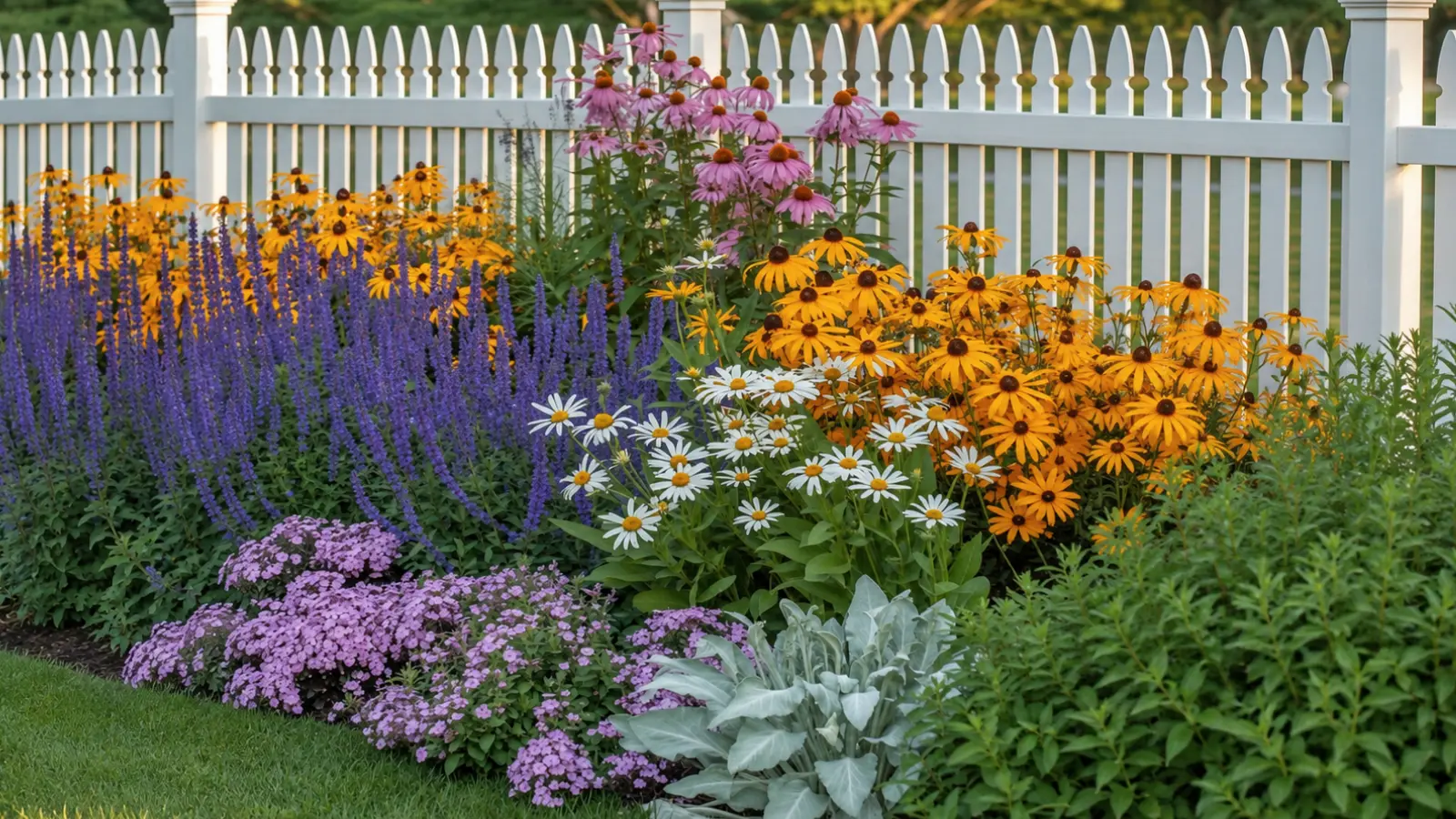
Native species are often a strong foundation for a meadow garden because they are connected to the local climate, soils, insects, and seasonal patterns that shape the site. But “native” still needs to be evaluated regionally: a plant native to the United States may not be native to your state, ecoregion, or specific meadow habitat type. Confirm origin before buying.
Include grasses for structure and flowering forbs for seasonal color and wildlife resources. Use plants with different heights, root habits, and bloom periods, but keep their moisture and light requirements compatible across the planting.
- Grasses: provide movement, structure, winter seedheads, and dense soil coverage that helps suppress weeds once established.
- Early flowers: bring the first seasonal interest and support early-active native bees and other insects emerging in spring.
- Summer forbs: create the main flowering period, visual fullness, and the bulk of the pollinator resources.
- Late-season plants: extend color into fall and provide seed and persistent stems after most flowers have faded.
- Short plants: work near paths and edges where sightlines matter or where taller plants would feel overwhelming.
- Taller plants: create visual depth in the center or back of a broader meadow and add the height that makes a meadow feel like a meadow.
Source plants from reputable regional nurseries or native-plant growers. A species appearing in a meadow photograph or a broad national seed mix is not confirmation of regional suitability. Always verify mature size, moisture requirements, and invasive status before installation.
Plan Bloom Succession
A flowering meadow garden works better—visually and ecologically—when it changes gradually through the seasons rather than peaking in one compressed burst. Plan deliberately for early, mid-, and late-season bloom instead of concentrating everything in a single month.
Flowers are only one part of succession. Grasses, ripening seedheads, dried stems, and persistent foliage carry the planting through the quieter stretches after peak bloom. A meadow that goes visually flat in August or September often reflects a plant list that was chosen for its spring and early summer color without thinking about what comes next.
Repeat key plants in groups so each season has a recognizable rhythm. A mix of every available color in equal parts can look restless; a more restrained palette with repeated forms makes an informal planting feel deliberate rather than random.
Expect Establishment Years
Most perennial meadow plantings need several seasons to become cohesive, and knowing what to expect in each year makes the process considerably less frustrating.
In year one, many perennials invest almost all their energy in root development rather than flowering. Above ground, the planting may look sparse or be outpaced by annual weeds. If the seed mix contained annuals—poppies, bachelor’s buttons, plains coreopsis—they will bloom this season and create a convincing early display. Those annuals will not return in year two unless they reseed, so the appearance of the planting will shift, which can be disorienting if you weren’t expecting it.
Year two is when most perennials begin to emerge more visibly and some may flower for the first time. Weed pressure typically remains significant, and open areas may persist. Year three and beyond is when a well-managed perennial meadow usually begins to look like itself—plants filling in, the intended composition becoming readable, and the competition from weeds beginning to ease as the desired species occupy more of the soil.
Set clear expectations before planting. The timeline shifts with soil preparation, climate, moisture, plant selection, and whether you started from seed or plugs. Starting from seed takes longer than plugs, but it allows for much greater plant diversity and is usually more economical at larger scales.
Manage Weed Pressure
Weed control is not optional during establishment. Inspect the area often enough to catch aggressive plants before they flower or set seed, and take the time to learn the difference between intended seedlings and unwanted volunteers—pulling the wrong plant is a common early mistake.
For seed-based plantings in the first growing season, mowing is the most practical weed control tool. When weeds or competing grasses reach 10 to 12 inches, mow the entire area back to 4 to 6 inches. This keeps weeds from shading the smaller meadow seedlings below while avoiding cuts deep enough to damage them. Most perennial meadow seedlings stay low to the ground during year one, so a mower set at the right height above them can be quite effective at managing competition. Repeat as needed through the season—two to three cuts are typical during a weed-heavy first year.
In year two, increase the mow height to around 12 inches when needed, since the desired plants are now larger and should not be cut as aggressively. By year three and beyond, annual mowing or selective hand-cutting is generally enough to manage most established meadows.
Be cautious with herbicides in a mixed planting. Selective control can be difficult when grasses and flowering forbs are growing together, and drift or runoff can affect neighboring gardens or natural areas. Follow product labels and local requirements carefully whenever chemical treatment is being considered. Hand-pulling isolated perennial weeds and invasive plants is almost always preferable to broadcasting a herbicide across the young planting.
Mowing and Annual Maintenance
Most established meadow gardens are mowed or cut back once a year, usually after plants have completed their main growth and seeding cycle and before the next season begins. The exact timing matters and varies by plant community and climate.
Leaving stems and seedheads standing through winter provides real resources: seed for birds, shelter for overwintering native bees in hollow or pithy stems, and visual structure when little else is happening in the garden. A late-winter or early-spring cutback—typically when trees are just beginning to show signs of life but before new shoots have pushed up significantly—clears the old growth before it can smother emerging plants. Cutting in fall removes that value prematurely; cutting too late in spring risks damaging new growth.
On established meadows with tall warm-season grasses, wait until those grasses have fully flowered and set seed before mowing in fall, if you choose to do a fall cut at all. The Lady Bird Johnson Wildflower Center recommends waiting until at least half of the late-blooming species has dropped its seed before any mowing.
Remove cut material if it forms a heavy smothering layer over the crowns of plants or adds more fertility than the planting needs. But do not strip the site completely—some surface litter, fine stems, and low debris contribute to soil health and ground-level habitat. Keep an eye on plants that become overly dominant over time and refresh thin areas only after identifying whether the problem is competition, moisture, drainage, or something else.
Annual mowing does not eliminate all maintenance. Established meadows still benefit from weed inspections, edge work, and occasional supplemental watering during extended drought—particularly in the first three years before root systems have gone deep enough to buffer against dry spells.
Plan for Neighbors and Local Rules
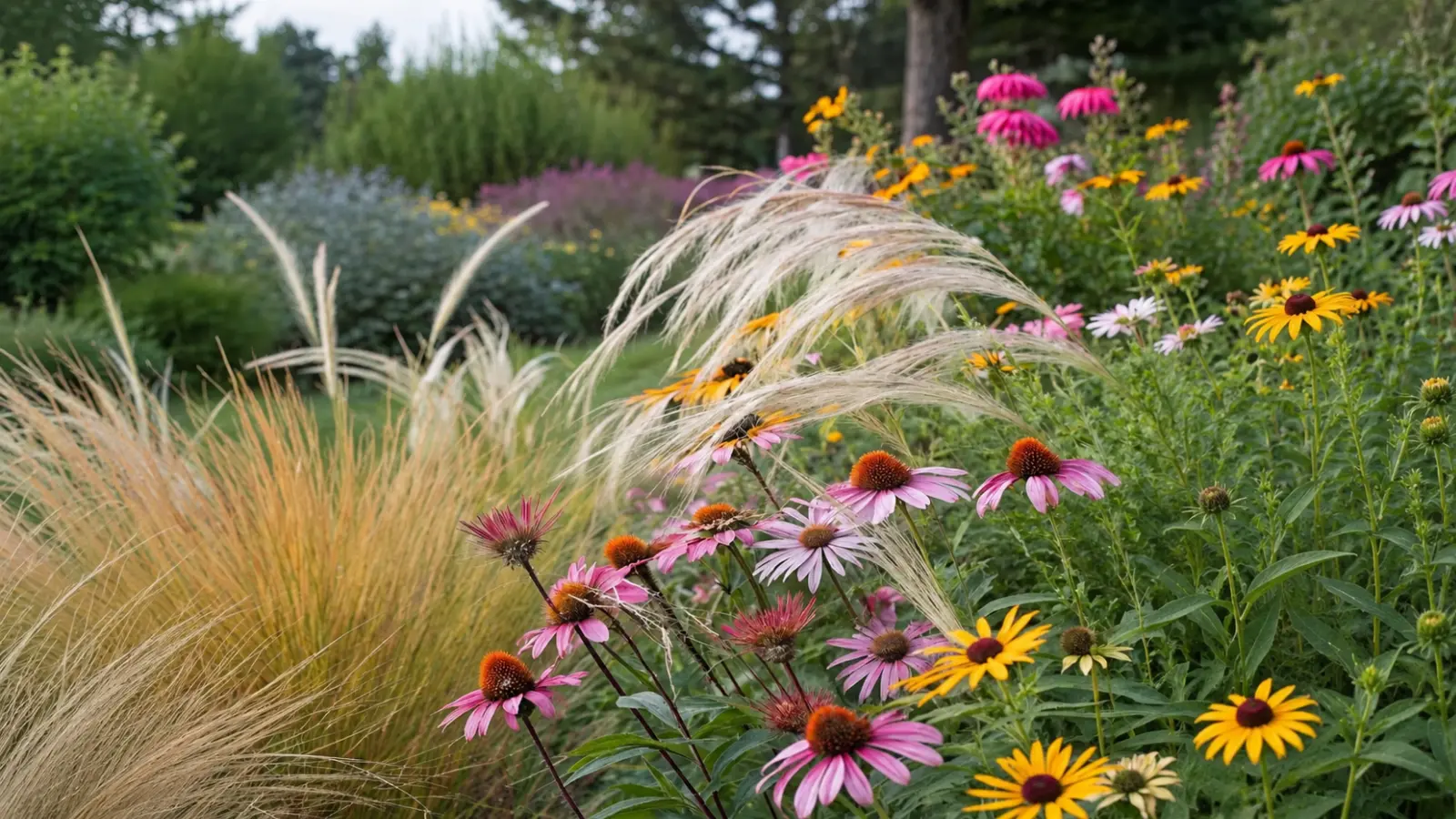
A tall, naturalistic planting can be interpreted very differently by neighbors, HOA boards, or local officials. Before converting a visible front-yard area, check applicable city, county, HOA, and property rules covering vegetation height, setbacks, sightlines, sidewalks, and nuisance weed designations.
Rules vary significantly by location. Some are more restrictive than they appear; others are more flexible than residents assume. A growing number of states—including Texas, California, Florida, Colorado, Maryland, Illinois, and Washington, among others—have laws that limit HOA authority to ban native plant gardens or low-water landscaping outright, though specific protections vary. Even in states with such laws, HOAs can often still regulate appearance standards like tidiness, plant height, and visible maintenance. Knowing your state’s rules before you invest in the planting is time well spent.
Design remains the most reliable way to prevent conflict. A mown border, a defined path, a low edging fence, or a clear planting curve signals that the meadow is intentional rather than neglected. Keep vegetation well away from sidewalks, roads, and driveway sightlines, prevent plants from crossing into neighboring lawns, and be willing to have an early conversation with adjacent neighbors about what you’re planning—and why.
Plan the Structure Behind the Natural Look
A successful meadow garden feels relaxed because the work behind it is not immediately visible. Good site preparation, compatible plants, seasonal succession and early weed management create the structure that eventually allows flowers and grasses to move and change naturally together.
Start with an area you can manage well and allow the planting several seasons to mature. Defined edges, thoughtful mowing and occasional adjustments can keep the meadow connected to the surrounding landscape without losing the loose, naturalistic character that makes this type of garden distinctive.
COMMON QUESTIONS
Before you begin.
What is a meadow garden?
A meadow garden is a planned naturalistic planting that combines flowering plants and grasses to create the look and seasonal movement of an open meadow. It may be based primarily on regional native species or designed as a more ornamental mixture of compatible plants. Unlike an unmanaged patch, a meadow garden still relies on deliberate site preparation, plant selection, defined edges and ongoing maintenance.
How do you create a meadow garden?
Choose an open site with suitable sunlight and drainage, then remove existing turf, perennial weeds and other strong competition before planting. Match flowers and grasses to the site’s soil, moisture and climate, and establish them with seed, plugs or a combination of both. Expect active weed control and watering during establishment before transitioning to simpler annual maintenance.
Can you turn part of a lawn into a meadow garden?
Yes, but the existing lawn should be removed or thoroughly suppressed first. Simply stopping mowing usually leaves the existing turf and weeds in control rather than creating a diverse meadow. Preparing a smaller section properly and establishing the desired meadow species gives them a much better chance of forming a stable planting.
What plants are best for a meadow garden?
The best plants are species suited to the site’s region, sunlight, soil and moisture conditions. A balanced meadow usually combines grasses for structure with flowering plants that bloom at different times from spring through fall, plus persistent seedheads and stems for later-season interest. Regional native plants are especially valuable when habitat and ecological fit are priorities.
How long does a meadow garden take to establish?
Most perennial meadow gardens take about two to three years to develop a cohesive appearance. Seed-grown plantings often look sparse during the first year while perennials establish their root systems, with substantially more growth and flowering appearing during years two and three. Meadows planted with plugs generally provide faster visible results but still need time to mature and fill their allotted space.
How often should you mow a meadow garden?
An established meadow is usually mowed or cut back once a year, commonly in late winter or early spring before substantial new growth begins. First- and second-year seed plantings may need additional mowing to suppress weeds while the desired plants establish. Leaving stems and seedheads standing through winter can provide food, shelter and nesting habitat for birds and beneficial insects.