There are many types of gardens, and the differences go far beyond appearance. Some gardens are defined by what they produce or support, others by the way plants are grown, and others by environmental conditions such as shade, drought, excess water or a particular natural habitat.
Understanding these categories makes it easier to choose a garden that fits your space, climate, soil, water access, maintenance routine and goals. It also explains why one garden can belong to several categories at once—for example, a small container garden can also be an herb garden and a pollinator garden.
This guide explores the main types of gardens by purpose, growing method, environment and habitat, compares their practical requirements, explains the difference between garden types and garden styles, and helps you decide which direction makes the most sense for your own space.
What Makes One Garden Type Different from Another?
A garden type is usually defined by the job the space performs, the conditions it is designed for, the plants or wildlife it supports, or the way it is built. That is why the term garden type can describe more than one kind of classification.
Some distinctions are practical. A rain garden manages runoff, while a vegetable garden produces food. A shade garden is chosen for limited sunlight, while a vertical garden is chosen to make better use of height. Other distinctions overlap. A native plant garden may also be a wildlife garden, and a raised-bed garden may be used for vegetables, flowers or herbs.
The most useful question is not simply “What is this garden called?” It is “What does this garden need to do, and what conditions does it need to succeed?”
Gardens by Purpose

Purpose-based gardens are planned around a particular result. The result may be a harvest, a habitat, a sensory experience, a seasonal display or a more functional outdoor space.
Gardens for Wildlife
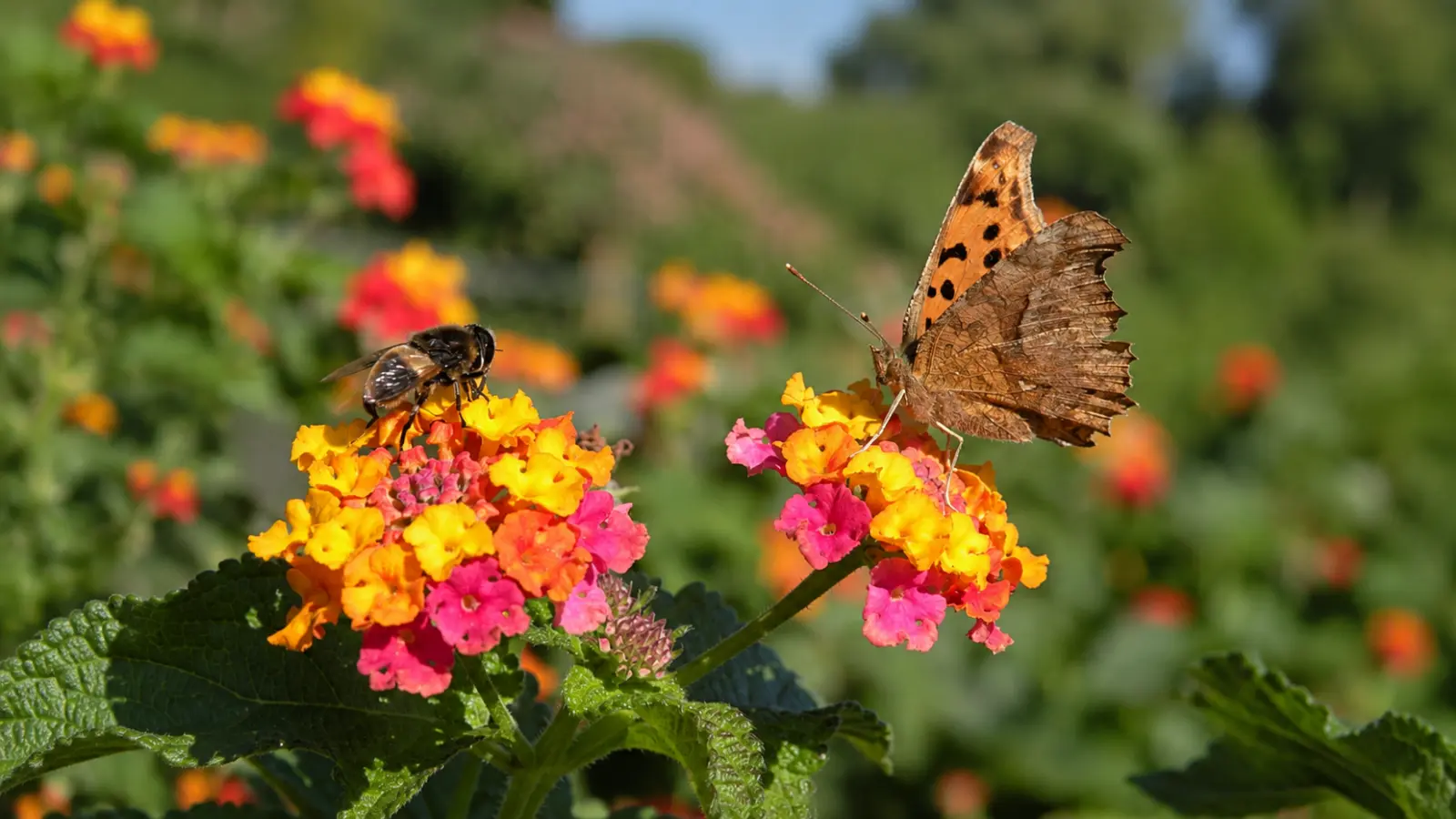
Wildlife gardens are designed to provide food, shelter, water and places for animals to rest, nest or complete part of their life cycle. They can support birds, butterflies, bees, hummingbirds and other beneficial wildlife.
A butterfly garden usually combines nectar plants for adult butterflies with host plants for caterpillars. A pollinator garden casts a wider net, supporting bees, butterflies, moths and other beneficial insects through a longer succession of bloom across the season. A wildlife garden takes the broadest approach, adding shelter, water and layered planting to serve multiple species. Hummingbird gardens focus on nectar-rich flowers, perches and protection from harsh exposure.
Native plants are often valuable in wildlife-focused gardens because they are adapted to local conditions and may have established relationships with regional insects and birds. The most useful plant choices still depend on location, soil, light and water. A plant that is native to one part of the United States may not be native or well behaved in another.
Gardens for Food
Food gardens are grown for edible harvests. They may include vegetables, herbs, fruit, edible flowers or a mixture of crops selected for the household.
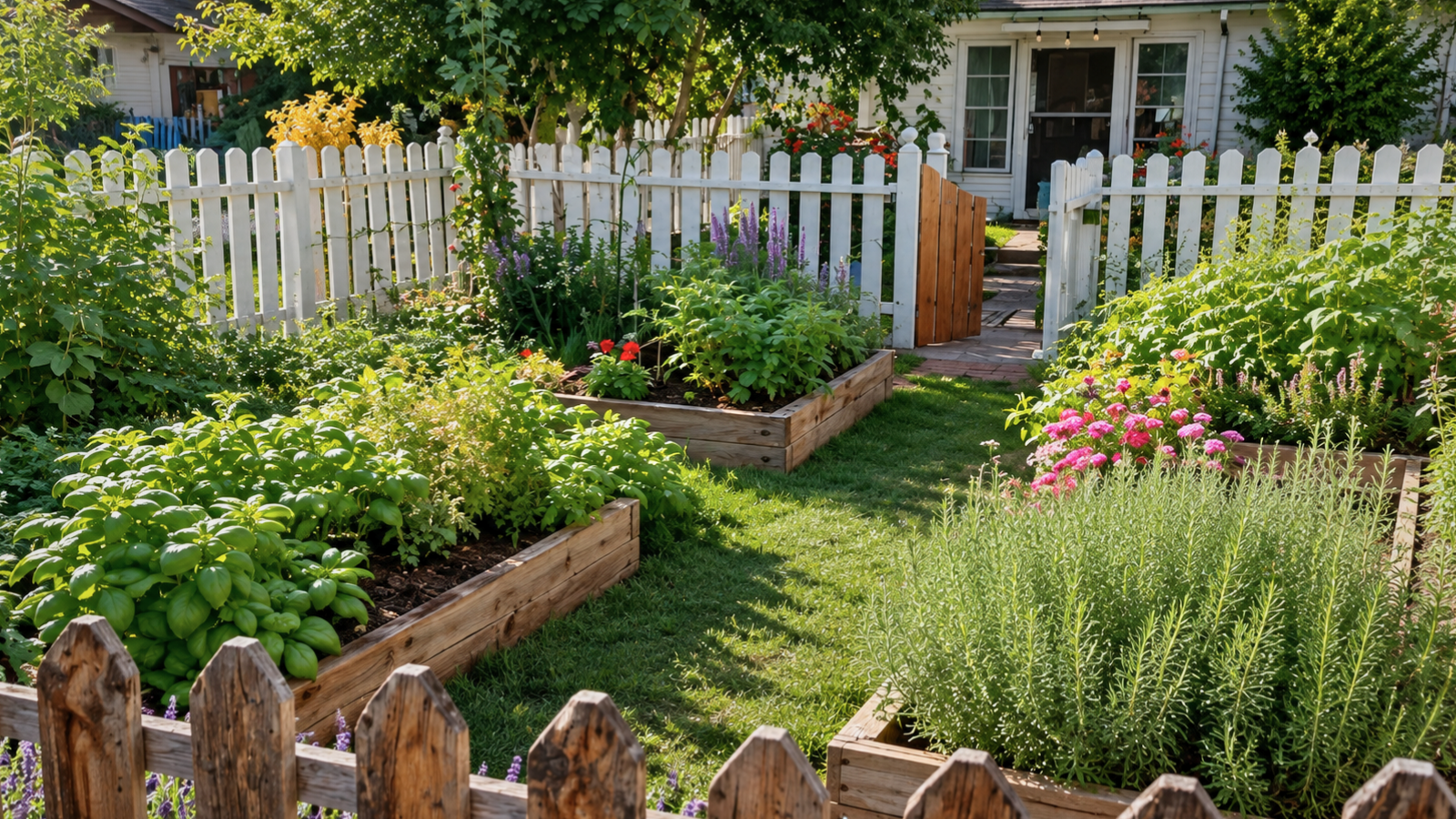
A kitchen garden is often a compact, accessible planting area close to the home, while a larger vegetable garden may be organized around succession planting, crop rotation and seasonal production. Herb gardens can be grown in beds, containers or indoors, depending on light and climate. Raised beds and containers are growing methods that can make food gardening easier to organize, but they are not limited to edible crops.
Food gardens require more planning than a purely ornamental bed because harvest timing, soil fertility, irrigation, spacing and pest pressure all affect the result. Choose crops suited to your growing season and local conditions rather than planting everything at once.
Gardens for Flowers
Flower gardens are planned primarily for bloom, color, fragrance, texture or seasonal interest. Some are designed for the landscape, while others are grown specifically for bouquets.
A cut flower garden prioritizes productive stems and repeat bloom. A wildflower garden usually has a looser appearance and may provide value for pollinators. A moon garden emphasizes white or pale flowers and plants with noticeable fragrance in the evening. Flower gardens can also be organized around annuals, perennials, bulbs or a combination of all three.
Color catches the eye first, but bloom time, mature size, light, soil moisture and the visual relationship between plants are what keep a flower garden attractive throughout the season.
Gardens for Sensory Experience
Sensory gardens are designed around experiences such as fragrance, texture, sound, movement and color. They may be created for relaxation, education, therapy, memory or simple enjoyment.
A sensory garden might include fragrant herbs, soft grasses, textured foliage, rustling seed heads, water, accessible paths or plants chosen for strong seasonal changes. Therapeutic and healing gardens often use calm circulation, comfortable seating and predictable access. Children’s gardens may add safe plants, hands-on features and opportunities to observe insects or seeds. Memorial gardens use plants, structure and personal details to create a place of remembrance.
When children, pets or people with allergies will use the space, plant toxicity, sharp structures, trip hazards and maintenance materials all deserve attention. Building for those needs at the design stage is much easier than modifying a finished space.
Gardens by Growing Method
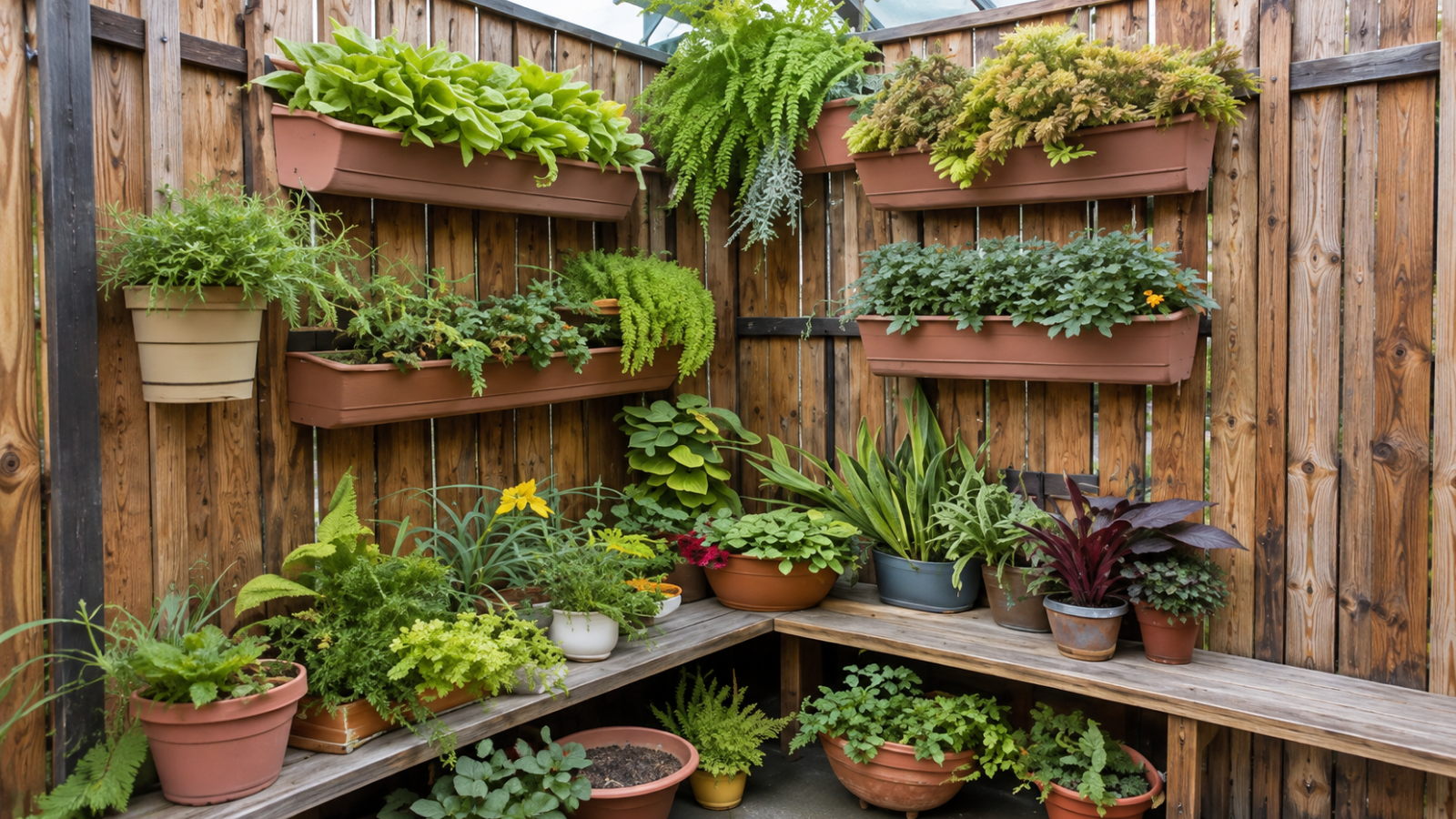
Some types of gardens are defined less by what they grow and more by how the plants are grown. The method changes the available root space, drainage, access, irrigation and maintenance routine.
Container Gardens
Container gardens grow plants in pots, window boxes, hanging baskets or other vessels instead of directly in the ground. They are useful for balconies, patios, porches, small yards and rental homes.
The main advantages are mobility, flexibility and control over the growing medium. The tradeoff is that containers usually dry out faster than garden soil and may need more frequent watering. Drainage holes, pot size, material, plant weight and exposure to heat or wind all affect how often care is needed. On a rooftop, structural load and drainage that will not damage the surface below matter just as much as sunlight.
Raised-Bed Gardens
Raised-bed gardens use framed or mounded planting areas that sit above the surrounding soil. They can improve access, create clearer planting boundaries and make it easier to manage soil in a difficult site. Some gardeners divide the bed into a grid and plant by section instead of in rows, an approach known as square-foot gardening that can make a small bed noticeably more productive.
Raised beds are commonly used for vegetables, but they also work for herbs, flowers and pollinator plants. They still need adequate drainage, appropriate soil depth and a plan for irrigation. Raised beds tend to pay off most where drainage or soil quality is genuinely a problem; where the existing soil is already healthy, a raised bed can simply dry out faster than the ground around it.
Vertical Gardens
Vertical gardens use height through trellises, wall systems, towers, hanging planters or stacked containers. They can make a small area more productive or add planting to a balcony, courtyard or narrow side yard.
Before installing one, consider the weight of wet soil, the strength of the support, wind exposure, irrigation access and the amount of sunlight reaching the plants. A vertical system may save floor space, but it is not always lower maintenance. Drying, pruning and harvesting can be more demanding when plants are elevated.
Indoor Gardens
Indoor gardens include houseplant collections, windowsill herbs, seed-starting areas and systems that use grow lights. Their success depends on light, temperature, humidity, airflow and drainage more than on outdoor season alone.
A bright window may support some herbs or houseplants, but a grow light may be necessary for seedlings or sun-loving crops. Indoor containers should protect surfaces from water and allow excess moisture to escape. Pest prevention and adequate airflow are especially important in enclosed spaces.
Hydroponic Gardens
Hydroponic gardens grow plants without traditional garden soil. Roots receive water, nutrients and oxygen through a controlled system, sometimes with an inert growing medium for support.
Hydroponics can be useful where outdoor soil is unavailable, but it requires attention to nutrient strength, water quality, oxygenation, light, temperature and sanitation. It is a growing system rather than a visual garden style, and the equipment can require more technical monitoring than a simple bed.
Community Gardens
Community gardens are shared growing spaces maintained by several people. Some assign individual plots, while others are managed collectively.
In addition to planting decisions, community gardens depend on shared rules, water access, tool storage, pathways, schedules and agreed responsibilities. They can provide food, social connection and growing space for people who do not have a private yard.
Greenhouse Gardens
A greenhouse garden uses a covered structure to control temperature, humidity and light, letting plants grow outside their normal outdoor season. Structures range from simple cold frames and hoop houses to freestanding glass or polycarbonate greenhouses attached to a house or garage.
Ventilation matters as much as heating. Without enough airflow, a greenhouse can overheat quickly or turn humid enough to encourage disease, even on a mild day. A greenhouse is especially useful for starting seedlings early, overwintering tender plants and stretching the harvest in regions with a short growing season.
Gardens by Environment
Environmental garden types are designed around the conditions of a site. They are especially useful when the space has a limitation that cannot be changed easily, such as shade, poor drainage, dry soil or exposure to salt and wind.
Shade Gardens
Shade gardens are planned for spaces with limited direct sunlight. Shade may be created by mature trees, buildings, fences or the orientation of the property.
Not all shade is the same. Dappled shade beneath open tree branches differs from full shade beside a north-facing wall, and morning sun is generally different from hot afternoon exposure. Before choosing plants, observe the site through the day and across the season. Tree roots, dry soil and competition for water may matter as much as the lack of light.
A shade garden can still have strong structure and seasonal interest through foliage, texture, bark, spring flowers and carefully selected perennials. Plants should be matched to the actual light level rather than labeled broadly as “shade loving.”
Dry-Climate Gardens
Dry-climate gardens are designed around limited rainfall, high evaporation, heat, wind or fast-draining soil. They may use drought-tolerant plants, efficient irrigation, mulch and a layout that groups plants according to water needs.
A xeriscape garden is planned to reduce unnecessary irrigation through appropriate design and plant selection. A desert garden reflects the ecology and appearance of arid regions. Succulent gardens focus on plants that store water, but they still require suitable light, drainage and protection from temperatures they cannot tolerate. A rock garden takes the same low-water logic further, pairing drought-tolerant plants with stone, gravel and sharp drainage rather than conventional garden soil.
Even the most drought-adapted plants need regular water while their roots establish, and extended heat or a long dry stretch can call for occasional supplemental irrigation well after that.
Rain Gardens
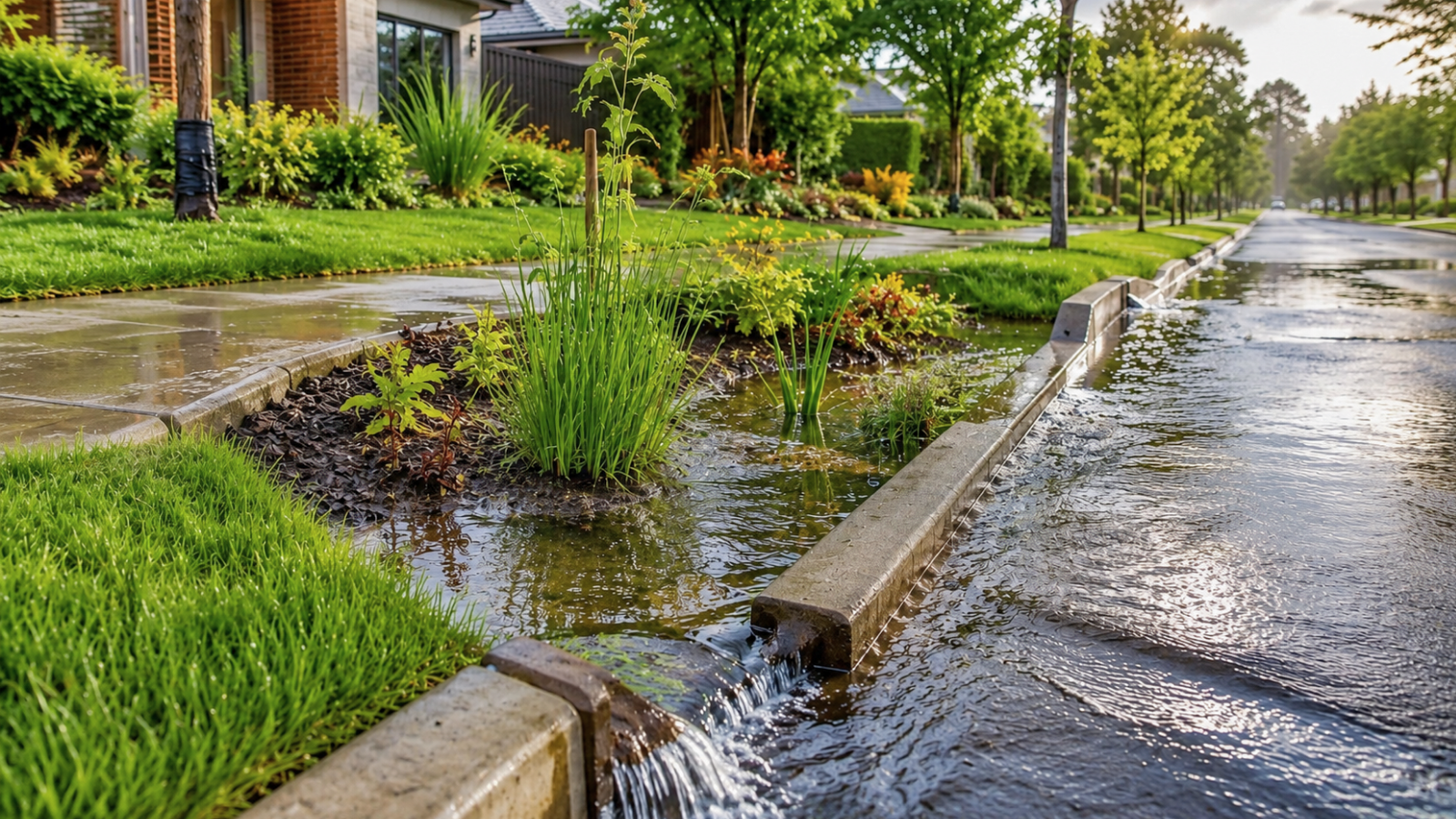
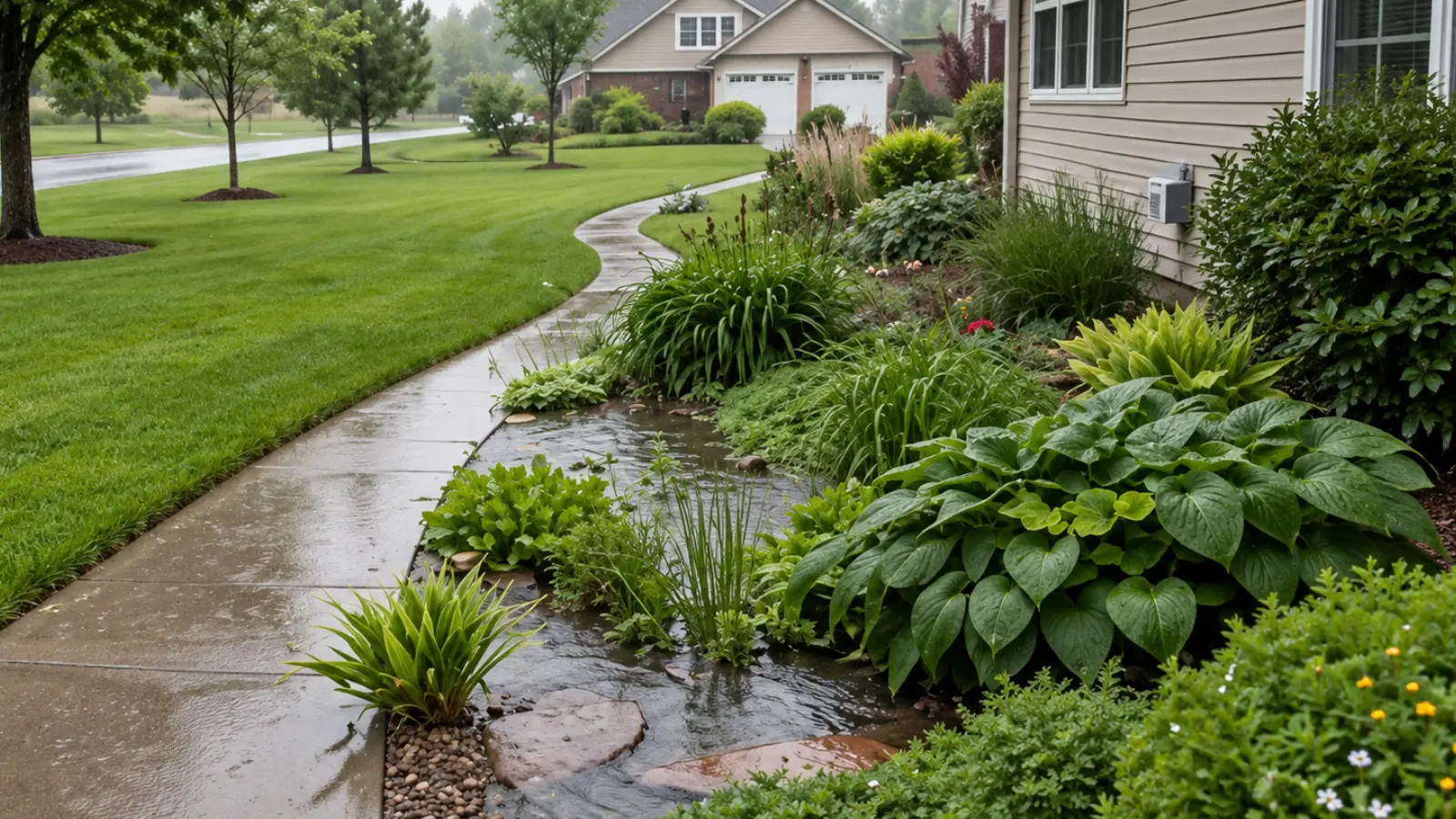
Rain gardens are shallow planted areas designed to receive and temporarily hold stormwater runoff from surfaces such as roofs, driveways or compacted ground. A properly built basin drains within about 24 to 48 hours — long enough for water to soak in but not long enough for mosquitoes to complete a breeding cycle. Most residential rain gardens run 100 to 300 square feet, though the right size depends on how much runoff the basin needs to handle.
Successful rain gardens depend on site slope, soil infiltration, overflow planning, local rainfall and plants that tolerate alternating wet and dry conditions. The basin should be located carefully in relation to foundations, wells and septic systems. A properly functioning rain garden depends on engineered infiltration, not on gravity alone, so the soil’s actual drainage should be tested before construction rather than assumed from a low spot in the yard.
Water Gardens
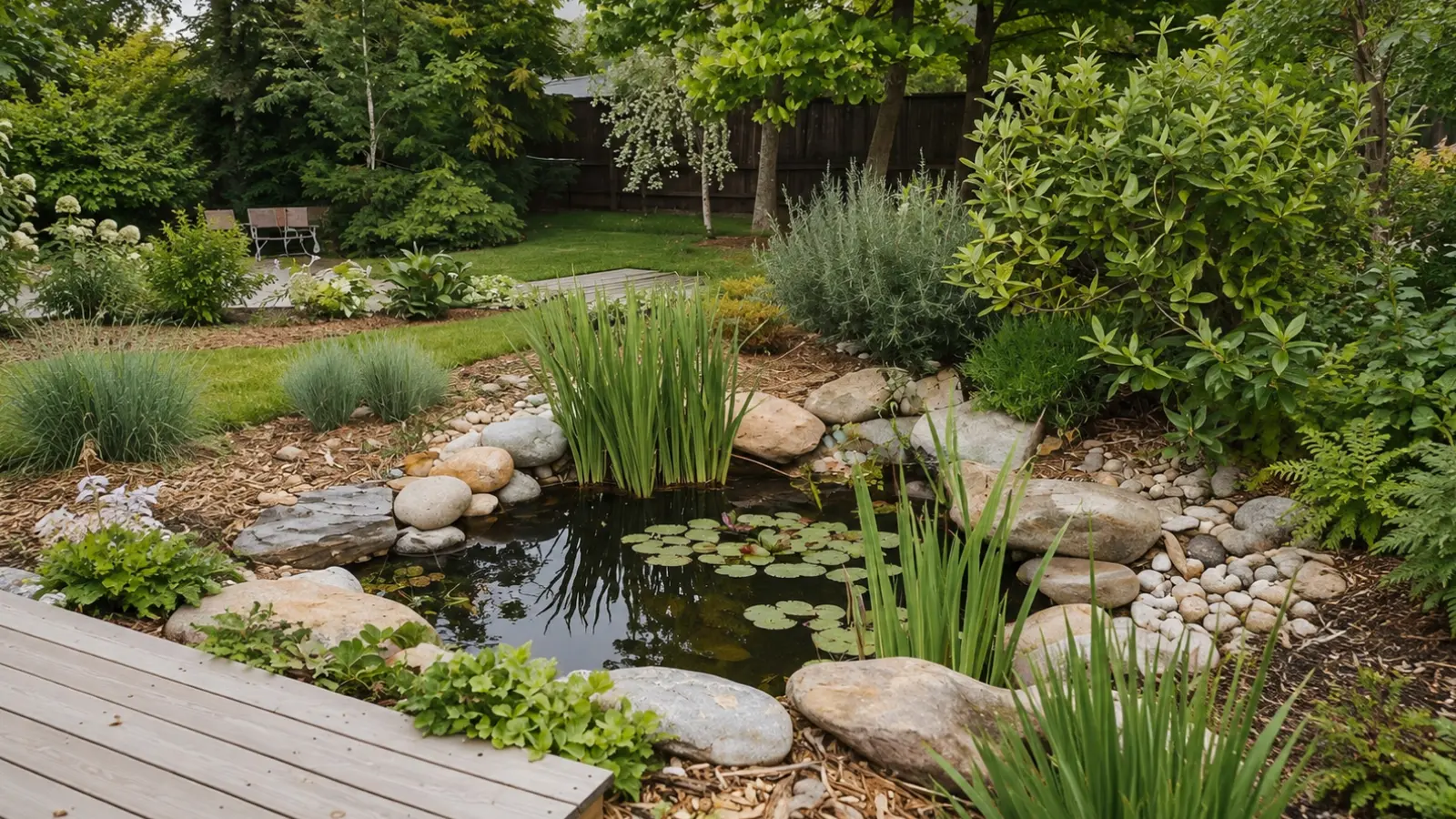
Water gardens are built around ponds, basins, streams, aquatic containers or other intentional water features. They may be ornamental, wildlife-friendly or a combination of both.
Water circulation, algae control, mosquito prevention, seasonal cleaning, aquatic plant growth and the safety of children and pets all factor into the upkeep. A small container water garden and a large pond have very different maintenance requirements, even though they share the same general category.
Bog Gardens
A bog garden recreates consistently wet, acidic and nutrient-poor conditions for plants adapted to that environment. It differs from an ordinary water garden because the growing medium and moisture conditions are central to the design.
Keeping an ordinary bed waterlogged will not recreate a true bog. The site, liner or basin, growing medium and water source need to be planned together so the intended moisture level stays stable.
Gardens by Habitat
Habitat gardens take inspiration from a natural plant community. Instead of arranging plants only as isolated specimens, they consider layers, seasonal change, soil, moisture and the way plants grow together in a region.
Woodland Gardens
Woodland gardens are suited to filtered light, organic soil, leaf litter and the layered structure found beneath trees. They may include canopy plants, understory trees, shrubs, perennials and ground covers.
Existing tree roots can make digging difficult and may compete for water. Avoid disturbing mature trees unnecessarily, and choose plants that can tolerate the actual moisture and light conditions beneath them.
Prairie Gardens
Prairie gardens recreate the open, sunny character of grassland communities through grasses and flowering perennials. They often provide movement, seed heads and seasonal structure long after peak bloom.
Prairie plants may take time to establish, and many become dormant or visually quiet during part of the year. Their mature height, deep roots and tendency to spread should be considered before planting near paths or small structures.
Meadow Gardens
Meadow gardens have an informal, naturalistic appearance and may combine grasses with annual or perennial wildflowers. The exact plant community should reflect the region, soil and moisture of the site.
Letting a patch of ground go unmowed will not turn it into a meadow on its own. Preparation, plant selection, weed management and a clear mowing or cutting schedule help the intended plants establish without being crowded out by aggressive species.
Coastal Gardens
Coastal gardens need to withstand conditions such as salt spray, sandy soil, strong wind, intense sun and rapid drainage. Plants should be selected for the specific coastal exposure rather than for a generic “beach” appearance.
Wind protection, erosion control and irrigation during establishment may be just as important as salt tolerance. A sheltered coastal yard can support a broader range of plants than a site directly exposed to ocean winds.
Garden Types vs. Garden Styles
The terms garden type and garden style are often used interchangeably, but they describe different ideas.
A garden type is usually defined by its purpose, habitat, environmental condition or growing method. Butterfly gardens, rain gardens, shade gardens, woodland gardens and container gardens are examples.
A garden style is mainly defined by appearance, layout, cultural influence, materials and design language. Japanese, cottage, English, French, Mediterranean, modern and formal gardens belong to that category. For a closer look at those visual traditions, see our full Garden Styles guide.
Some subjects are even broader than a garden type. Vegetable gardening, flower gardening, herb gardening, container gardening, indoor gardening, raised beds, vertical gardening, hydroponic gardening, community gardening and succulent gardening are large areas of gardening knowledge with their own methods, plant choices and care questions.
This distinction prevents the category from becoming a random collection of garden names. It also helps you find the most useful information for the decision you are actually making.
Garden Types at a Glance
The table below covers the most commonly planned garden types and offers a starting point for comparison. Not every type discussed in this article appears here, and the best choice for any garden still depends on local climate, light, soil, water access and the time available for maintenance.
| Garden Type | Main Purpose | Best Conditions | Space Needed | Maintenance | Best For |
|---|---|---|---|---|---|
| Butterfly Garden | Support butterflies | Sun and shelter | Small to large | Moderate | Nectar and host plants |
| Pollinator Garden | Support pollinators | Sun to partial shade | Small to large | Moderate | Seasonal biodiversity |
| Wildlife Garden | Support several species | Regionally suitable conditions | Medium to large | Moderate | Habitat creation |
| Rain Garden | Manage runoff | Area receiving stormwater | Medium | Moderate | Water management |
| Rock Garden | Grow plants in sharply drained soil | Sun and low moisture | Small to medium | Low to moderate | Rocky or drought-prone sites |
| Shade Garden | Use low-light areas | Partial to full shade | Small to large | Low to moderate | Tree-covered or north-facing spaces |
| Woodland Garden | Recreate woodland layers | Filtered light and organic soil | Medium to large | Moderate | Naturalistic planting under trees |
| Wildflower Garden | Grow informal seasonal flowers | Usually full sun | Small to large | Low to moderate | Casual, wildlife-friendly spaces |
| Meadow Garden | Informal naturalistic planting | Full sun and manageable soil | Medium to large | Low after establishment | Naturalistic, wildlife-friendly yards |
| Xeriscape Garden | Reduce irrigation needs | Dry climate and good drainage | Small to large | Low after establishment | Water-conscious gardeners |
| Kitchen Garden | Grow edible crops | Sun, fertile soil and water | Small to large | Moderate to high | Home food production |
| Cut Flower Garden | Produce flowers for arrangements | Sun and fertile soil | Small to medium | Moderate to high | Home-grown bouquets |
| Sensory Garden | Create a multi-sensory experience | Adaptable to many sites | Small to medium | Variable | Relaxation and engagement |
| Raised-Bed Garden | Improve access and soil control | Any site with adequate depth and drainage | Small to medium | Low to moderate | Difficult soil, food crops and accessible planting |
| Container Garden | Grow plants in vessels | Suitable light and drainage | Very small to medium | Moderate | Patios, balconies and renters |
| Vertical Garden | Use vertical space | Strong support and suitable light | Very small to medium | Moderate to high | Small spaces |
| Greenhouse Garden | Extend the growing season | Enclosed structure with climate control | Small to large | Moderate to high | Season extension and tender plants |
| Water Garden | Center the space around water | Stable basin or pond conditions | Medium to large | Moderate to high | Aquatic plants and visual interest |
| Bog Garden | Grow moisture-loving plants | Consistently wet, acidic site | Small to medium | Low to moderate | Perpetually wet areas and carnivorous plants |
The table shows why there is no single answer to the question “What type of garden is best?” A small space may favor containers or vertical planting, while a wet area may be better suited to a rain garden or bog garden. The site should shape the decision.
Low-Maintenance Garden Types
Low maintenance is a matter of degree, not an absence of work. It usually means the garden demands fewer recurring tasks once the plants are established.
Native plant gardens, xeriscapes, rock gardens, meadow gardens and some woodland gardens can become relatively manageable when they are matched to the local site. Mulch, durable paths, grouped irrigation and plants with compatible water needs can also reduce unnecessary work. That said, meadow and prairie plantings often require more active weed management in the first two or three years before the desired plants develop the root depth to hold their own.
Some gardens that look simple require regular attention. Container gardens can dry quickly, vertical systems may need frequent irrigation and water gardens can require cleaning and equipment checks. The design is only low maintenance when the care routine fits the gardener’s schedule.
How to Choose the Right Garden Type
Start with the reason you want a garden, then test that idea against the conditions of the site. A beautiful concept that conflicts with the available light or water will become frustrating to maintain.
Start With Your Main Purpose
Decide what you most want the space to provide. You may be looking for food, flowers, wildlife habitat, privacy, stormwater control, fragrance, a place to relax or an accessible outdoor experience. One garden can support several goals, but choosing a primary purpose keeps the design clear.
Evaluate the Site
Observe the space before buying plants. Note the USDA Hardiness Zone, frost dates, hours of sun, soil texture, drainage, slope, wind, mature trees, water access and existing root competition. A site that receives six hours of morning sun behaves differently from one that receives six hours of hot afternoon sun.
Match the Garden to Your Time
Think honestly about the tasks you are willing to repeat. Vegetable gardens may involve harvesting and replanting. Flower gardens may need deadheading. Ponds require water management. Containers need regular watering, especially during heat. A garden becomes easier to enjoy when its routine is realistic from the beginning.
Begin With One Clear Function
Starting with one main function often produces a stronger result than combining every idea immediately. You might begin with a shade garden and add native plants, or create a small kitchen garden that also includes flowers for pollinators. Additional layers can be added once the basic conditions are understood.
Choose Plants After Choosing the Conditions
Plant wish lists are tempting, but the site should come first. Select plants according to light, soil, moisture, mature size, hardiness and the role they need to perform. Before planting, check with your local Cooperative Extension office for region-specific plant recommendations and invasive species lists — especially when a species may be poorly adapted to your area or aggressive in local conditions.
Choose the Garden That Fits the Life Around It
The right garden type is not simply the one you find most attractive. It should fit what you want the space to provide, the conditions already present on the property and the amount of time, water and maintenance you can realistically give it.
Start with one clear purpose and let the site narrow the possibilities. Once that foundation works, compatible ideas can overlap naturally—a shade garden can support wildlife, containers can grow food and flowers, and a water-conscious garden can still have strong seasonal interest.
COMMON QUESTIONS
Before you begin.
What are the main types of gardens?
The main types of gardens can be grouped by purpose, growing method, environment and habitat. Examples include vegetable, flower and wildlife gardens; container, raised-bed and hydroponic gardens; shade, rain and xeriscape gardens; and habitat-based gardens such as woodland, prairie and meadow gardens.
How do I choose the right type of garden?
Start with what you want the garden to provide, then compare that goal with your site conditions. Consider sunlight, soil, drainage, climate, available water, space and the amount of maintenance you can realistically handle. The best garden type is one whose requirements match both the property and your routine.
What type of garden is easiest for beginners?
A small container garden or a simple in-ground or raised-bed area with well-matched plants can be a manageable starting point. The easiest option depends on your sunlight, water access, climate and available time, so choosing suitable plants and keeping the first garden small matters more than selecting one specific garden type.
What type of garden works best in a small space?
Container and vertical gardens are especially useful for patios, balconies and other limited spaces because they make efficient use of available area. Small herb, flower, pollinator or shade gardens can also work well when the plants fit the available light, water access and mature growing space.
What is the difference between a garden type and a garden style?
A garden type is generally defined by its purpose, growing method, environment or habitat, such as a rain garden, container garden or butterfly garden. A garden style is defined mainly by visual character, layout, materials and cultural influence, such as Japanese, cottage, Mediterranean or formal garden design.
Which types of gardens are low maintenance?
Native plant gardens, xeriscapes, rock gardens and some meadow or woodland gardens can require less routine maintenance after establishment when they are well matched to local conditions. However, every garden needs some care, and gardens that appear simple—such as containers, vertical gardens or water gardens—may require frequent watering or ongoing maintenance.